
If you're tired of battling tension headaches that disrupt your daily life, it's time to contemplate how chiropractic care can help. You might be surprised to learn that these headaches often stem from issues like poor posture and muscle tension. By addressing these root causes, chiropractors can offer personalized treatment plans that not only relieve pain but also enhance your overall well-being. What specific benefits can you expect from these sessions, and how might they change your approach to health? Let's explore further.
Understanding Tension Headaches
What causes tension headaches, and how can you identify them? Tension headaches are often characterized by a dull, aching sensation that wraps around your head, like a tight band. You might feel pressure behind your eyes or at the back of your neck. Unlike migraines, these headaches usually don't come with nausea or extreme sensitivity to light and sound, making them feel more manageable, yet still frustrating.
To pinpoint a tension headache, pay attention to the pain's intensity and duration. It typically ranges from mild to moderate and can last anywhere from 30 minutes to several days. You might notice that the discomfort increases with stress or physical tension, particularly in your neck and shoulders. This is where your body responds to stress by tightening muscles, contributing to the headache.
Sometimes, you may experience a tension headache after a long day at work, especially if you're sitting at a desk for extended periods. Poor posture can exacerbate these headaches, as it places additional strain on your muscles.
It's crucial to differentiate tension headaches from other types, like migraines or cluster headaches, since treatment approaches vary. Recognizing the signs of tension headaches can help you take proactive steps towards relief.
Common Causes of Tension Headaches
Tension headaches often stem from muscle tension and stress that you mightn't even notice.
Poor posture can also play a significant role in how you feel, impacting your overall health.
Understanding these common causes can help you manage and prevent these headaches effectively.
Muscle Tension and Stress
Stress and muscle tension can really take a toll on your well-being, often leading to those nagging tension headaches. When you're feeling overwhelmed, your body responds by tightening muscles, especially in your neck, shoulders, and scalp. This muscle tension creates pressure and discomfort, which can manifest as a headache.
You mightn't even realize how stress impacts your body until you start noticing those persistent aches. Whether it's from work deadlines, personal issues, or everyday life, stress can accumulate, causing your muscles to stay in a constant state of tension. This cycle can become debilitating, making it hard to focus or enjoy your day-to-day activities.
Additionally, emotional stress can lead to physical symptoms. When you're anxious or worried, your body reacts by tensing up, further exacerbating the problem. It's essential to recognize these patterns and address them before they spiral out of control.
Chiropractic care can help relieve muscle tension and stress, providing you with the relief you need. By incorporating regular adjustments and stress management techniques, you can break the cycle of tension headaches and take back control of your well-being.
Poor Posture Impacts Health
Maintaining good posture is essential for overall health, yet many people overlook its impact on well-being. When you slouch or hunch over, you're not just affecting your appearance; you're also putting unnecessary strain on your muscles and spine. This strain can lead to tension headaches, making your day-to-day activities uncomfortable.
Poor posture causes your neck and shoulder muscles to work harder, leading to fatigue and discomfort. You might find yourself rubbing your neck or massaging your temples, but these temporary fixes won't address the root cause. As your muscles tighten, the pain can radiate to your head, resulting in those nagging tension headaches.
You can combat this issue by being mindful of your posture throughout the day. When sitting, keep your back straight and your feet flat on the ground. If you work at a desk, adjust your chair and monitor to guarantee they're at eye level.
Regular chiropractic visits can also help realign your spine and reduce muscle tension, giving you relief from headaches. By prioritizing good posture, you're not only enhancing your health but also reducing the likelihood of those pesky tension headaches.
How Chiropractic Care Works
Chiropractic care focuses on aligning your spine to improve overall health and relieve tension headaches.
By addressing muscle tension and providing personalized treatment plans, chiropractors can help you find lasting relief.
This holistic approach not only targets the symptoms but also works on the underlying causes of your discomfort.
Spinal Alignment Benefits
Proper spinal alignment plays an essential role in alleviating tension headaches, as it directly influences your nervous system and overall well-being. When your spine is aligned, it reduces nerve interference, allowing signals to flow freely between your brain and body. This ideal communication helps your body function more efficiently, which can lead to fewer headaches.
Chiropractic adjustments focus on correcting misalignments in your spine, addressing the root causes of tension headaches. When your spine is properly aligned, it can relieve pressure on surrounding muscles and ligaments, promoting relaxation and reducing discomfort.
You'll likely notice improvements in your posture, which further supports spinal alignment and helps prevent future headaches. Regular chiropractic care not only alleviates your current tension headaches but also helps maintain long-term spinal health.
By committing to consistent adjustments, you can develop better body mechanics and resilience against stressors that contribute to headaches. Ultimately, investing in your spinal alignment through chiropractic care is a proactive approach to enhancing your overall health and well-being, allowing you to enjoy life without the burden of tension headaches.
Embrace the benefits of spinal alignment and take a significant step toward a headache-free life.
Muscle Tension Relief
Often, muscle tension contributes greatly to tension headaches, and chiropractic care offers effective relief. By addressing the underlying issues causing muscle tightness, chiropractic adjustments can help restore balance and ease discomfort.
Here's how chiropractic care targets muscle tension:
- Spinal Adjustments: Chiropractors realign the spine, reducing pressure on nerves and improving overall function.
- Muscle Relaxation Techniques: Specific techniques and stretches can relieve tight muscles, promoting relaxation and reducing headache frequency.
- Posture Correction: Chiropractors assess your posture and provide guidance to improve alignment, reducing strain on neck and shoulder muscles.
- Ergonomic Advice: You'll receive personalized recommendations for your workspace and daily activities, helping to prevent muscle tension build-up.
With these targeted approaches, chiropractic care not only alleviates current tension headaches but also helps prevent future occurrences.
By focusing on muscle tension, you can regain control over your well-being and enjoy a life free from the burden of headaches.
Don't let muscle tension hold you back; chiropractic care is here to help you find relief and restore balance to your body.
Personalized Treatment Plans
Understanding that muscle tension often leads to tension headaches is just the first step. Once you recognize this connection, a personalized treatment plan can help you tackle the root cause of your discomfort.
Every individual is different, and your chiropractor will assess your specific situation to create a tailored approach that fits your needs.
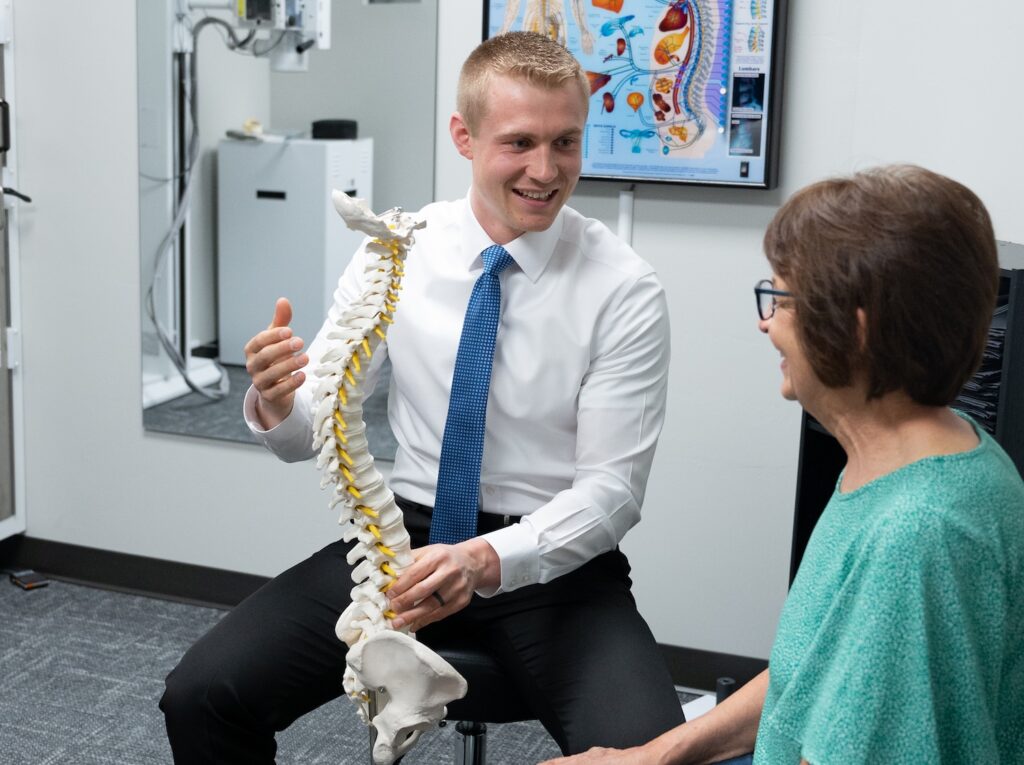
During your initial consultation, your chiropractor will evaluate your posture, spinal alignment, and muscle tension. They'll ask about your lifestyle, including stress factors and daily habits that may contribute to your headaches.
Based on this information, they'll develop a thorough plan that may include spinal adjustments, therapeutic exercises, and lifestyle recommendations.
Chiropractic care focuses on restoring balance and function to your body. By addressing misalignments in your spine and relieving muscle tension, you can reduce the frequency and intensity of your headaches.
Your chiropractor will also teach you techniques to manage stress and improve posture, both of which are essential for long-term relief.
Regular follow-up appointments will allow your chiropractor to track your progress and adjust your treatment plan as needed.
With a personalized approach, you'll be on the path to a headache-free life.
Benefits of Chiropractic Treatment
Chiropractic treatment offers a range of benefits for those suffering from tension headaches. If you're tired of dealing with the constant pressure and discomfort, chiropractic care could be the solution you've been looking for.
Here are some of the key advantages you can expect:
- Pain Relief: Chiropractic adjustments can help alleviate tension in your neck and shoulders, reducing headache frequency and severity.
- Improved Posture: A chiropractor can address posture-related issues that may contribute to your headaches. By realigning your spine, you may experience less strain on your muscles.
- Enhanced Blood Flow: Chiropractic care improves circulation, which can lead to better oxygen delivery to your brain. This may help reduce headache symptoms and promote overall wellness.
- Stress Reduction: Regular chiropractic sessions can help lower stress levels by promoting relaxation and reducing muscle tension. Less stress often means fewer headaches.
What to Expect During a Session
When you arrive for your chiropractic session, you'll typically start with a thorough evaluation to assess your specific needs and concerns. The chiropractor will ask about your medical history, lifestyle, and the specifics of your tension headaches. This information helps them understand your condition better and tailor the treatment to your unique situation.
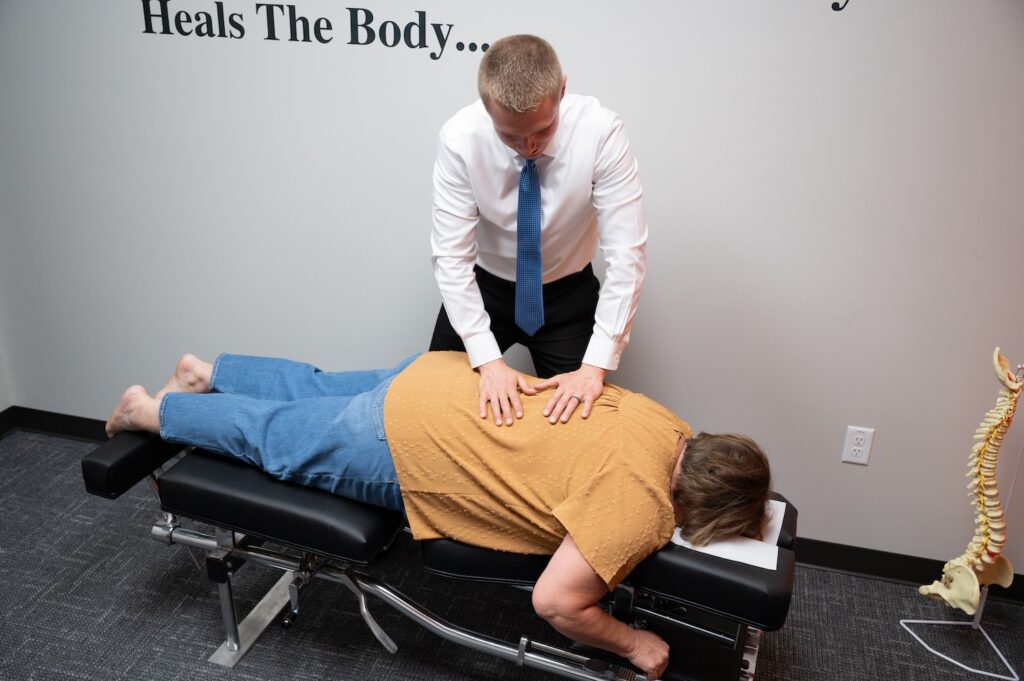
After the evaluation, the chiropractor may perform a physical examination, which could include checking your posture, range of motion, and muscle tension. They might also palpate your spine and surrounding areas to identify any misalignments or trigger points contributing to your headaches.
Once the assessment is complete, the chiropractor will explain their findings and discuss a personalized treatment plan. This plan may include spinal adjustments, soft tissue therapy, and advice on ergonomics or lifestyle changes. You'll have the opportunity to ask questions and express any concerns before proceeding.
During the session, you can expect to feel a variety of sensations. Some adjustments might feel relieving, while others could be slightly uncomfortable, especially if you're tense. The chiropractor will guide you through the process, ensuring you're as comfortable as possible.
Finally, after your adjustments, the chiropractor may provide post-treatment recommendations. This could include stretches, exercises, or relaxation techniques to help manage your tension headaches.
Tips for Preventing Tension Headaches
After your chiropractic session, it's important to focus on preventing future tension headaches. Here are some practical tips to help you reduce the frequency and intensity of these headaches:
1. Maintain Good Posture: Pay attention to your posture throughout the day. Whether you're sitting at a desk or using your phone, keep your back straight and your shoulders relaxed.
Ergonomic adjustments can make a big difference.
2. Stay Hydrated: Dehydration can trigger headaches, so make sure you're drinking enough water. Aim for at least eight glasses a day, and even more if you're active or in a hot environment.
3. Manage Stress: Incorporate stress-relief techniques such as deep breathing, meditation, or yoga into your daily routine.
Finding ways to unwind can greatly reduce tension that leads to headaches.
4. Regular Exercise: Engaging in regular physical activity helps relieve muscle tension and improve circulation.
Aim for at least 30 minutes of moderate exercise most days of the week to keep your body and mind healthy.
Conclusion
Don't let tension headaches dictate your life any longer. By seeking chiropractic care, you can address the underlying causes of your discomfort and regain control over your well-being. With personalized treatment plans that focus on spinal alignment and muscle tension relief, you'll not only find headache relief but also improve your overall health. Take that proactive step today—embrace chiropractic support and enjoy a life free from the burden of tension headaches!