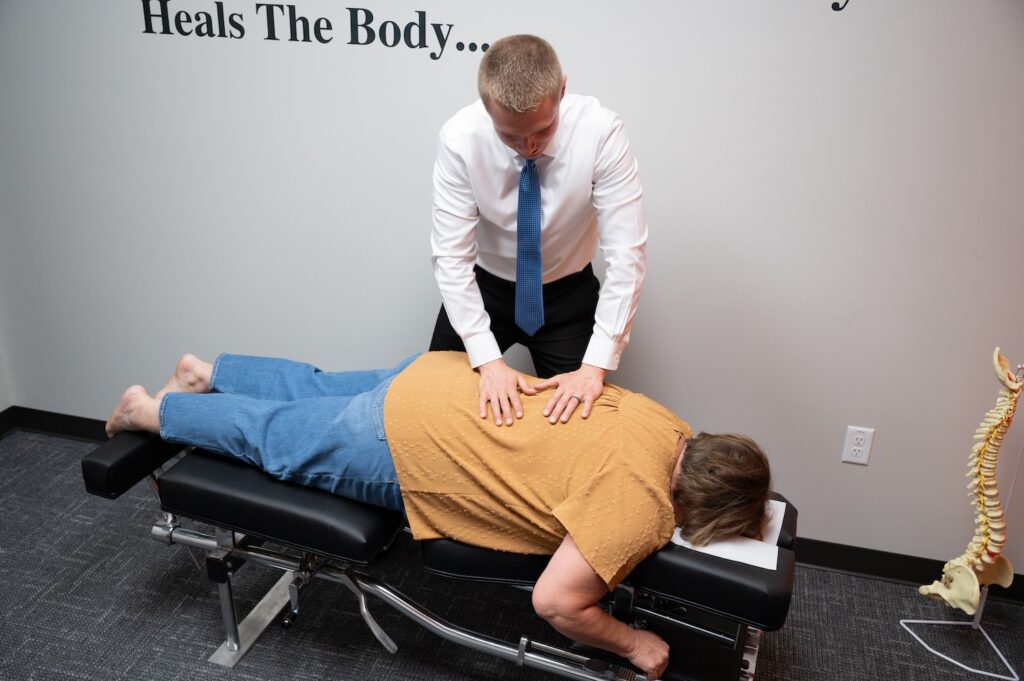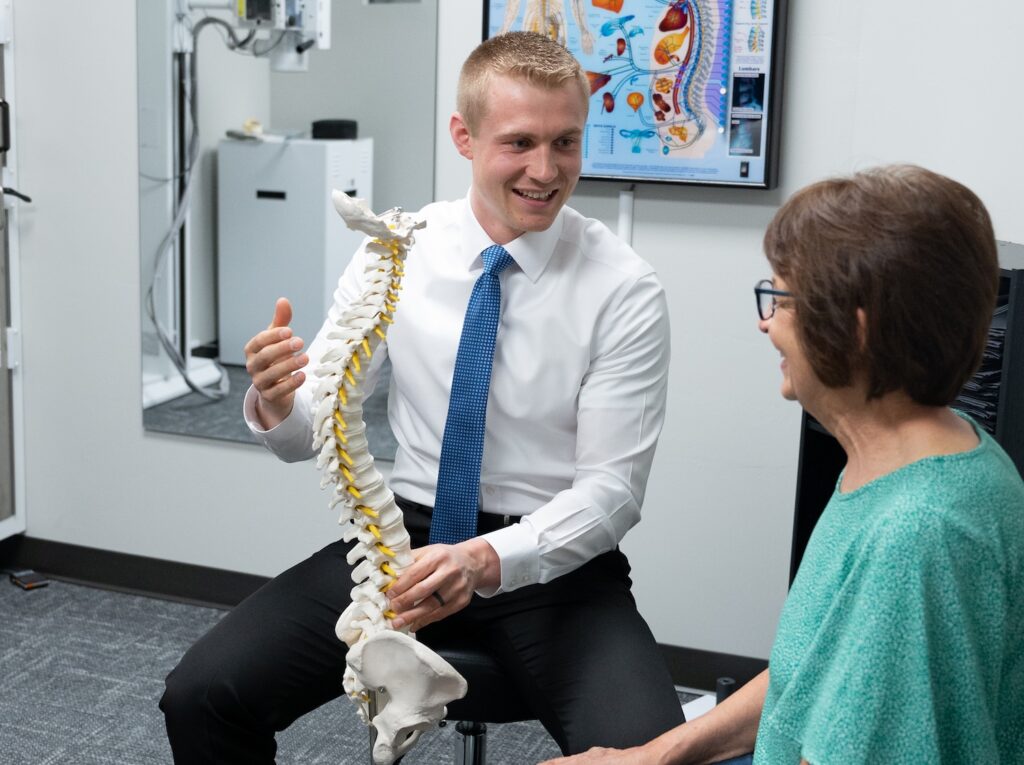

As a local chiropractor, I want to assure you that if you’re dealing with back pain, you’re not alone in this struggle. Many individuals experience similar issues, often stemming from poor posture and everyday lifestyle habits. To effectively address this challenge, it’s essential to understand the underlying causes of your discomfort and to make some simple, yet impactful, adjustments.
The first step is to become aware of your body mechanics—how you sit, stand, and move throughout your day. By recognizing these patterns, you can start to implement changes that support a healthier back. What small adjustments can you make today to improve your posture and overall spinal health?
Let’s delve into some practical steps you can take to stand tall and alleviate those nagging discomforts. Chiropractic care focuses on promoting natural healing through proper alignment and function of the spine. Together, we can work towards restoring your body’s balance and enhancing your well-being.
Understanding the Causes of Back Pain
As a local chiropractor, I want to help you understand the different causes of back pain and how we can work together towards relief. Back pain can stem from a variety of factors, and recognizing these is crucial in your healing journey.
One common issue is muscle strain, which often happens from lifting heavy objects or making sudden movements. This can lead to discomfort that might linger if not addressed properly.
Additionally, if your muscles lack the strength to support your spine, you may experience pain due to poor physical conditioning.
It’s also important to consider underlying conditions such as herniated discs or arthritis, which can lead to chronic back pain if left untreated.
Stress and emotional tension can play a significant role too; they often manifest physically, causing your muscles to tighten and contribute to discomfort.
Lastly, don’t underestimate the impact of your sleeping position! An unsupportive mattress can lead to poor spinal alignment, further exacerbating back pain.
As your chiropractor, I’m here to guide you through understanding these factors and to explore natural healing methods that can help restore balance and promote overall wellness.
Together, we can develop a personalized approach to alleviate your back pain and enhance your quality of life.
The Importance of Good Posture
As a local chiropractor, I want to emphasize that good posture may seem like a minor detail, but it’s crucial for your spinal health and can significantly alleviate back pain.
When you maintain proper alignment, you aren’t only supporting your spine but also helping to evenly distribute your body weight. This reduces the strain on your muscles and ligaments, which is essential for long-term wellness.
Let me share some key benefits of maintaining good posture that I frequently discuss with my patients:
- Reduces pressure on your spine and the surrounding muscles, helping to prevent discomfort and pain.
- Improves circulation, which enhances the delivery of oxygen and nutrients to your tissues, promoting overall health.
- Enhances lung capacity, making it easier for you to breathe deeply and efficiently, which is vital for energy and vitality.
- Boosts confidence, as good posture can influence how others perceive you and, importantly, how you feel about yourself.
- Prevents fatigue, allowing you to remain focused and productive throughout your day, whether at work or at home.
By understanding the importance of good posture, you can take proactive steps toward better spinal health and overall well-being.
Effective Stretching and Strengthening Exercises
As a local chiropractor, I want to emphasize that maintaining good posture is just the first step in your journey toward alleviating back pain. To truly support your spinal health, incorporating effective stretching and strengthening exercises is essential.
Let’s begin with some gentle stretches, such as the cat-cow pose. This simple movement not only helps to improve flexibility in your spine but also promotes relaxation. I recommend holding each position for 15-30 seconds to truly experience the relief it offers.
Next, let’s shift our focus to strengthening your core muscles. Exercises like planks and bridges are fantastic for stabilizing your back and enhancing your posture. Aim for three sets of 10-15 repetitions for each exercise; this will help build the strength necessary to support your spine.
It’s also important to stretch your hamstrings and hip flexors, as tightness in these areas can significantly contribute to back pain.
Integrating these exercises into your daily routine can lead to noticeable improvements in your back health. Remember, it’s crucial to listen to your body—if any exercise causes discomfort, it’s best to stop and consult with a healthcare professional.
Consistency is key in achieving long-term relief and developing a stronger back. As your chiropractor, I’m here to guide you on this path to better health naturally.
Ergonomic Adjustments for Your Workspace
As a local chiropractor, I often see patients struggling with back pain due to improper workspace ergonomics. Optimizing your workspace is crucial for alleviating discomfort and promoting better spinal health.
One of the first steps you can take is to adjust your desk height so that it allows your arms to rest comfortably while typing. Additionally, choosing a chair that provides proper lumbar support is vital for maintaining the natural curve of your spine.
These small adjustments can lead to significant improvements in your posture and overall comfort throughout your workday. By creating an ergonomic workspace, you not only reduce the risk of developing chronic pain but also support your body’s natural healing processes.
I encourage you to consider how these changes can positively impact your well-being and enhance your productivity. If you have any questions or need assistance in making these adjustments, feel free to reach out!
Desk Height Optimization
As a local chiropractor, I want to emphasize the importance of desk height in preventing discomfort and promoting overall well-being while you work. Many people may not realize how critical it’s to set up your workspace correctly to avoid issues like back pain.
Here are some essential tips to help you optimize your desk height:
- Aim to have your elbows at a 90-degree angle while typing. This position helps reduce strain on your shoulders and neck.
- Ensure that your feet are flat on the ground or supported by a footrest. This alignment promotes proper posture and circulation.
- Your computer monitor should be positioned so that the top of the screen is at or just below eye level. This can help prevent neck strain and discomfort.
- Maintain a comfortable distance from the screen—about an arm’s length away is ideal. This distance can help reduce eye strain and promote better posture.
- If your desk is too high, consider using a keyboard tray to keep your wrists straight and reduce the risk of repetitive strain injuries.
By making these adjustments, you can create a more ergonomic workspace that supports your spine’s health and enhances your overall comfort during work hours.
Chair Support Features
As a local chiropractor, I want to emphasize how crucial a well-designed chair is for your comfort and overall spinal health, especially if you spend long hours working.
It’s essential to look for ergonomic features in a chair that can support your body properly. For instance, an adjustable seat height is vital; it ensures your feet are flat on the floor, which promotes good posture and alleviates unnecessary strain on your back.
Additionally, lumbar support is key for maintaining the natural curve of your spine. It helps reduce tension and discomfort that can lead to chronic pain over time.
Adjustable armrests are another important feature; they allow your shoulders to relax, which can significantly minimize tension in your neck and upper back.
Don’t forget about seat depth adjustment, as this accommodates different leg lengths and contributes to overall comfort.
The material of the chair also plays a role; breathable fabrics can keep you cool and comfortable during those long hours at your desk.
By investing in a chair with these supportive features, you can enhance your workspace and take proactive steps to prevent back pain and promote your overall well-being.
Lifestyle Changes to Alleviate Back Pain
As a local chiropractor, I’m here to help you understand how simple lifestyle changes can significantly alleviate back pain. One of the first steps you can take is to create an ergonomic workspace. This means arranging your desk and chair in a way that supports your spine and allows for proper posture while you work.
In addition to your workspace, incorporating regular stretching routines into your daily life can greatly benefit your back. Stretching helps to improve flexibility and reduce tension in your muscles, which can lead to less discomfort.
Finally, it’s crucial to use proper lifting techniques. Whether you’re picking up groceries or moving furniture, bending your knees and keeping your back straight can prevent strain and injury.
These adjustments not only enhance your comfort in the short term but also promote long-term spinal health.
Ergonomic Workspace Setup
As a chiropractor, I understand the importance of creating an ergonomic workspace, especially if you find yourself sitting for extended periods.
Poor posture and improper setup can lead to discomfort and back pain, which is where a few simple adjustments can make a significant difference.
Here are some essential tips to help you enhance your workspace for better posture and comfort:
- Chair Height: It’s vital to adjust your chair so that your feet are flat on the floor and your knees form a 90-degree angle. This helps maintain proper alignment and reduces strain on your lower back.
- Desk Height: Your desk should ideally be at elbow height when you’re seated. This positioning prevents unnecessary strain on your shoulders and arms while typing or working.
- Monitor Position: To prevent neck strain, position your monitor at eye level, about an arm’s length away. This way, you won’t have to hunch or tilt your head, allowing for a more comfortable viewing angle.
- Keyboard and Mouse: Keep your keyboard and mouse close to your body to minimize reaching. This can significantly reduce tension in your shoulders and arms.
- Lumbar Support: Incorporating a cushion or using a chair designed with built-in lumbar support can help maintain the natural curve of your spine. This support is crucial for reducing back pain and promoting overall spinal health.
By implementing these adjustments in your workspace, you can help alleviate back pain and enhance your overall comfort while you work.
If you’re experiencing persistent discomfort, don’t hesitate to reach out for a consultation. Together, we can explore additional strategies for your well-being!
Regular Stretching Routines
As a chiropractor, I often emphasize the importance of incorporating regular stretching routines into your daily life, even if you have an ergonomic workspace. Stretching is a vital practice that can significantly enhance your comfort and alleviate back pain. It helps maintain flexibility and strengthens the muscles that support your spine, which is crucial for overall spinal health.
I encourage you to integrate simple stretches throughout your day—consider incorporating neck rolls, shoulder shrugs, and spinal twists. It’s helpful to set reminders to stand up and stretch every hour, especially if you find yourself sitting for long periods.
Additionally, exploring yoga or following online stretching videos specifically designed for back relief can be beneficial.
Remember that consistency is essential. By making stretching a regular part of your routine, you’ll likely experience improved mobility and reduced tension in your back over time.
Prioritize these practices, and you’ll likely notice a significant decrease in discomfort. Your back will truly appreciate the extra care and attention, and as a chiropractor, I’m here to support you on this journey to better health!
Proper Lifting Techniques
As a local chiropractor, I want to share some important information about proper lifting techniques that can help you prevent back pain and protect your spine. Many people are unaware of how essential it’s to use their bodies correctly when lifting objects to avoid injury.
Here are some valuable tips to keep in mind for safe lifting:
- Stand close to the object you’re preparing to lift. This reduces strain on your back.
- Adopt a wide stance with your feet to enhance your balance and stability during the lift.
- Bend at your hips and knees, rather than at your back. This technique helps to engage your stronger leg muscles while protecting your spine.
- Keep the load close to your body as you lift. This decreases the amount of stress placed on your back and makes the lift easier.
- Lift with your legs while engaging your core muscles for added support. Your legs are your strongest muscles and should do most of the work.
By incorporating these tips into your routine, you can significantly reduce your risk of injury and maintain a healthy spine.
When to Seek Professional Help
As your local chiropractor, I want to help you understand when it’s important to seek professional help for back pain. If your discomfort lingers for more than a few days or intensifies despite trying home remedies, it’s a strong indication that you should reach out to a healthcare professional like me.
Additionally, if you’re experiencing numbness, tingling, or weakness in your legs, please don’t brush these symptoms off—they could signify a more serious underlying issue that needs attention.
If you find it difficult to stand or walk, or if your pain radiates down your legs, it’s crucial to get evaluated to prevent further complications.
Moreover, if your back pain follows a fall or injury, seeking assistance right away is vital for proper healing.
Be aware that symptoms like fever, unexplained weight loss, or changes in bowel or bladder function accompanying your back pain are significant warning signs that require urgent evaluation.
Remember, prioritizing your health is essential. As a chiropractor, I’m here to provide you with an accurate diagnosis and create a tailored treatment plan that focuses on natural healing methods.
Don’t hesitate to reach out—I’m here to help you find relief and get back to your active lifestyle.
Tips for Maintaining a Healthy Back Long-Term
As a local chiropractor, I want to share some valuable insights on how to maintain a healthy back in the long run.
It’s important to understand that being proactive in your daily habits can significantly prevent pain and discomfort before they even begin. Here are some essential tips to keep your back in optimal condition:
- Practice good posture: Whether you’re sitting at a desk or standing in line, maintaining an upright posture can greatly reduce the strain on your spine. This simple adjustment can make a big difference in your overall back health.
- Strengthen your core: Engaging in exercises that focus on your abdominal and back muscles is crucial. A strong core supports your spine and helps prevent injury. Consider incorporating activities like yoga or pilates into your routine.
- Stay active: Regular physical activity is key to a healthy back. Aim for activities like walking, swimming, or cycling that promote mobility and strengthen the muscles that support your spine.
- Mind your lifting: When lifting heavy objects, remember to bend your knees and keep your back straight. This technique helps distribute the weight evenly and reduces the risk of injury.
- Take breaks: If your job requires long periods of sitting, make it a habit to take regular breaks. Stand up, stretch, and move around to relieve tension in your back and encourage better circulation.
By incorporating these habits into your daily life, you can foster a healthier back and reduce the risk of future issues.
If you have any questions or would like more personalized advice, feel free to reach out. Your back health is important, and I’m here to help you on your journey to wellness!
Conclusion
As a local chiropractor, I want to emphasize the importance of incorporating good posture, stretching, and strengthening exercises into your daily routine to alleviate back pain. These practices can significantly support your spine and enhance your overall well-being.
Making ergonomic adjustments at your workspace is a vital step in promoting a healthier back. Simple changes, like ensuring your chair provides proper lumbar support or adjusting your computer screen to eye level, can make a world of difference.
Additionally, embracing lifestyle changes—such as staying active and mindful of your body’s movements—will further contribute to your spinal health. Remember, it’s essential to listen to your body. If you experience persistent discomfort, seeking professional help from a chiropractor can provide you with tailored care and natural healing options.
With these strategies in place, you can stand tall and maintain a healthy back for the long haul. Your comfort and health are truly worth it!