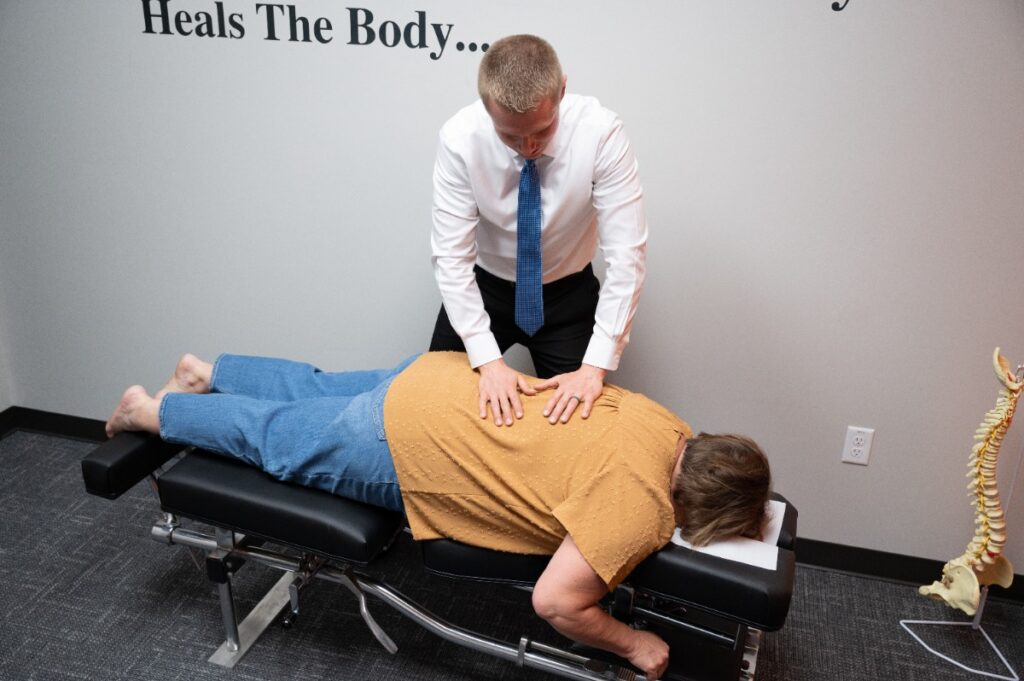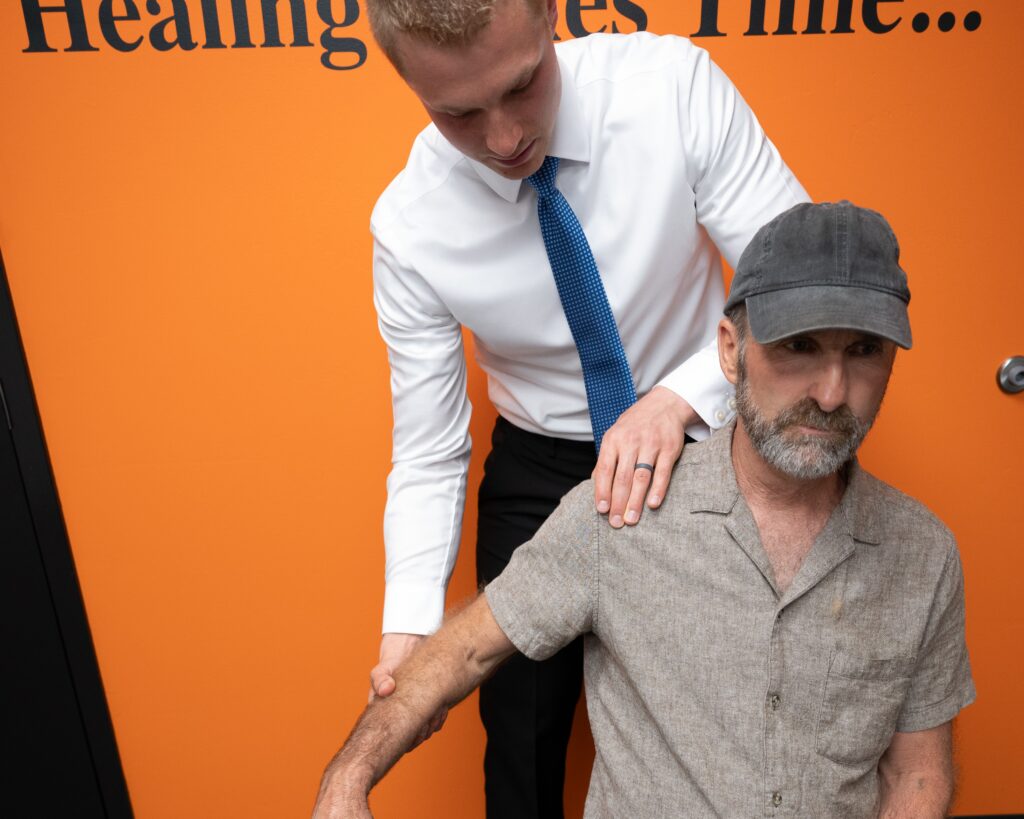

As a local chiropractor, I understand how challenging it can be to deal with sports-related back pain. It can be frustrating and can hinder your performance. The good news is that there are effective strategies to help you manage and prevent this discomfort naturally. Techniques such as core stability exercises and proper stretching are essential in maintaining a healthy back. These solutions not only alleviate pain but also enhance your overall athletic performance. If you’re eager to learn more about how to keep your back strong and healthy without relying on medication, I invite you to explore these important practices with me. Together, we can work towards a pain-free and active lifestyle!
Strengthening Exercises for Core Stability
As a local chiropractor, I want to emphasize the importance of core stability in preventing and alleviating sports-related back pain. A strong core supports your spine and helps maintain proper posture during physical activities.
To begin your journey towards better core strength, I recommend incorporating exercises such as planks, bridges, and bird-dogs into your routine. These movements effectively engage your abdominal muscles, lower back, and pelvic area, creating a solid foundation for your overall body health.
Start with planks by holding the position for 20 to 30 seconds, and as you gain strength, gradually increase the duration. For bridges, lie on your back with your knees bent, then lift your hips towards the ceiling—this exercise is fantastic for strengthening your lower back and glutes.
The bird-dog exercise is another excellent choice; while on all fours, extend one arm forward and the opposite leg back, focusing on maintaining stability throughout the movement.
I recommend aiming for at least two to three sessions per week, ensuring you prioritize quality over quantity in your practice. By consistently strengthening your core, not only will you enhance your athletic performance, but you’ll also significantly reduce the risk of experiencing future back pain.
Proper Stretching Techniques Before and After Activity
As a chiropractor, I want to emphasize the importance of proper stretching techniques for both preparing your body for activity and aiding in recovery afterward. Engaging in appropriate stretching is crucial not only for preventing injuries but also for alleviating back pain, which many of my patients experience.
To ensure your body is in optimal condition before exercise, consider incorporating dynamic stretches into your warm-up routine. These movements help increase blood flow and enhance flexibility, setting you up for success.
Here are four key techniques I recommend:
- Leg Swings: While standing on one leg, swing the other leg forward and backward. This movement loosens your hip joints and prepares them for activity.
- Arm Circles: Extend your arms out to the sides and make small circles. This exercise warms up your shoulders and promotes mobility.
- Torso Twists: Stand with your feet shoulder-width apart and gently twist your upper body from side to side. This engages your core and helps to loosen your spine.
- Static Stretches: After your activity, take the time to perform static stretches targeting major muscle groups. Hold each stretch for 15-30 seconds to promote recovery and flexibility.
By incorporating these techniques into your routine, you can support your body’s natural healing process and enhance your overall well-being.
Ergonomic Adjustments in Sports Equipment
As a local chiropractor, I want to share how making ergonomic adjustments to your sports equipment can significantly improve your performance while helping to prevent back pain.
It all starts with ensuring that your gear fits your body properly. For instance, if you’re cycling, it’s crucial to adjust the seat height and handlebar position to promote a neutral spine, which can help prevent discomfort during and after your rides.
For runners, selecting shoes that provide adequate arch support and cushioning is vital. This not only supports your feet but also helps absorb impact, reducing stress on your lower back.
When lifting weights, using equipment that promotes good posture is essential. Look for benches that allow your back to remain straight, as this can help you maintain proper form and avoid unnecessary strain on your spine.
Similarly, if you engage in sports like tennis or golf, choosing grips that are tailored to your hand size can minimize strain and enhance your overall performance.
Don’t forget to keep your equipment in good shape! Worn-out gear can lead to improper form, which increases your risk of injury.
By making these straightforward ergonomic adjustments, you can’t only enhance your athletic performance but also protect your back. This will enable you to enjoy your favorite activities without the burden of pain.
The Importance of Warm-Up Routines
As a local chiropractor, I often see patients eager to dive into their favorite sports or activities without realizing the importance of a proper warm-up.
Taking a few moments to prepare your body can significantly reduce the risk of injuries and enhance your overall performance. A thoughtful warm-up routine not only prepares your muscles but also boosts blood circulation and improves flexibility.
Here are four key benefits of warming up that I emphasize to my patients:
- Injury Prevention: By gradually elevating your heart rate and warming up your muscles, you can significantly lower the chances of experiencing strains or sprains, which are common injuries in sports.
- Enhanced Performance: Engaging in a structured warm-up can increase your strength, speed, and overall performance. It effectively primes your body for the activity, allowing you to perform at your best.
- Mental Preparation: Warming up offers a valuable opportunity to focus and mentally prepare yourself for the upcoming game or workout. This mindfulness can enhance your concentration and readiness.
- Increased Flexibility: Incorporating dynamic stretches into your warm-up can expand your range of motion. Improved flexibility not only helps you perform better in your sport but also supports overall musculoskeletal health.
As your chiropractor, I encourage you to take these warm-up routines seriously. They’re a crucial part of maintaining your body’s health and ensuring you enjoy your activities safely and effectively.
Utilizing Foam Rollers for Muscle Relief
As a local chiropractor, I often recommend foam rollers to my patients who are looking for effective ways to alleviate muscle soreness and enhance their recovery process. Foam rolling can be an incredibly beneficial addition to your wellness routine, as it helps to release tension in the muscles, improve flexibility, and promote healthy blood circulation throughout the body.
To get started, focus on key muscle groups that often hold tension, such as your back, quadriceps, and hamstrings. When using a foam roller, position it under the area you wish to target and gently roll back and forth. Take your time and pause on any tight spots you encounter, as this can help to break up knots and relieve discomfort. Spending about 30 seconds on each muscle group can be particularly effective.
It’s important to remember that you don’t need to apply excessive pressure while foam rolling; simply use your body weight to guide the process. As you roll, be mindful of your breathing—deep, steady breaths can help relax your muscles and enhance the overall experience.
Incorporating foam rolling into your post-workout routine can significantly reduce soreness and facilitate quicker recovery. This simple technique is an essential tool for anyone involved in physical activity or sports, and I encourage my patients to give it a try.
Experience the powerful benefits of foam rolling and take a proactive step towards better muscle health and recovery!
Ice and Heat Therapy for Pain Management
As your local chiropractor, I want to help you understand the importance of ice and heat therapy in managing back pain. These two methods are some of the most effective tools you can integrate into your pain management routine, each serving a distinct purpose to alleviate discomfort and promote healing.
Here’s how you can use them effectively:
- Ice Therapy: After any physical activity, I recommend applying an ice pack to the affected area of your back for about 15-20 minutes. This can help reduce inflammation and numb the pain, providing quick relief.
- Heat Therapy: On the other hand, using a warm compress or heating pad for 15-20 minutes can be beneficial for relaxing tight muscles and increasing blood flow. This is especially helpful for chronic pain or stiffness.
- Timing: It’s important to alternate between ice and heat based on your specific symptoms. Ice is particularly useful for acute injuries, while heat can be more effective for ongoing, chronic pain.
- Listen to Your Body: Always pay attention to how your body responds to these treatments. If you notice an increase in pain, consider adjusting the duration or frequency of your therapy sessions.
By incorporating these techniques into your routine, you can make a significant difference in managing your back pain naturally.
Posture Correction Strategies During Play
As a local chiropractor, I want to emphasize the importance of maintaining proper alignment while you’re on the field.
Many people don’t realize that poor posture can lead to back pain and discomfort during and after play. By incorporating core stability exercises into your routine, you can improve your balance and provide vital support to your spine.
Let’s delve into some effective strategies that can enhance both your posture and overall performance, ensuring you enjoy your activities without the burden of pain.
Proper Alignment Techniques
As a local chiropractor, I want to share some important insights on the significance of proper alignment while you engage in sports.
Maintaining correct posture not only helps in preventing back pain but also enhances your overall performance. By being mindful of your alignment, you can significantly lower your risk of injuries.
Here are some key alignment techniques that I encourage you to incorporate into your routine:
- Keep your head up: It’s crucial to align your neck with your spine. This simple adjustment helps to avoid unnecessary strain and promotes better overall posture.
- Engage your core: A strong and stable core is your best friend when it comes to supporting your spine. It also plays a vital role in improving your balance, which is essential for any physical activity.
- Bend your knees: Whether you’re running or jumping, remember to keep your knees slightly bent. This technique allows you to absorb impact more effectively and maintain proper alignment throughout your movements.
- Distribute weight evenly: Pay attention to how you stand or move; ensuring that your weight is evenly balanced on both feet can prevent leaning and twisting, which can lead to strain and injury.
By incorporating these alignment techniques into your sports activities, you’ll not only enhance your performance but also promote a healthier, pain-free body.
If you have any questions or would like to learn more about how chiropractic care can support your wellness journey, feel free to reach out!
Core Stability Exercises
As a local chiropractor, I want to share with you some essential core stability exercises that can significantly enhance your posture while engaging in sports activities.
First on the list is the plank exercise. This movement activates your entire core, promoting a strong and stable posture. I recommend starting with a 30-second hold, gradually increasing the duration as your strength improves.
Next, consider adding bird-dogs to your routine. Begin on all fours and extend one arm while simultaneously stretching the opposite leg, ensuring your back remains flat throughout. This exercise is fantastic for enhancing your balance and coordination, both of which are crucial for optimal physical performance.
Lastly, let’s talk about bridges. To perform this exercise, lie on your back with your knees bent and lift your hips toward the ceiling. This motion strengthens your glutes and lower back, providing vital support for maintaining proper posture.
By integrating these exercises into your regular routine, you’ll likely notice a significant improvement in your stability. This not only helps in keeping you aligned but also plays a crucial role in reducing the risk of back pain during your activities.
The Role of Physical Therapy in Recovery
As a local chiropractor, I want to emphasize the vital role chiropractic care plays in your recovery from sports-related back pain.
Through personalized treatment plans, we focus on strengthening your core muscles and teaching you effective injury prevention strategies.
This customized approach not only aids in your healing process but also helps you maintain an active lifestyle and reduce the risk of future injuries.
Embracing natural healing techniques can lead to long-term wellness and a better quality of life.
Personalized Treatment Plans
As a local chiropractor, I want to share how a personalized treatment plan can be a game-changer for those suffering from sports-related back pain. Unlike one-size-fits-all solutions, a customized approach allows us to address your specific concerns and support your healing journey effectively.
Here are four essential components to consider in your treatment plan:
- Comprehensive Assessment: Our process begins with a detailed evaluation where we assess your posture, movement patterns, and overall spinal health. This helps us pinpoint the underlying causes of your pain.
- Tailored Exercises: We’ll design a set of exercises that focus on improving your flexibility and strengthening the muscles that support your spine. These exercises are specifically chosen based on your individual needs to promote healing and prevent future issues.
- Chiropractic Adjustments: Through gentle, hands-on adjustments, we can relieve pain, restore mobility, and ensure that your spine is functioning optimally. This technique helps realign your spine and reduce tension in surrounding muscles.
- Patient Education: It’s important for you to understand your body mechanics. We’ll work together to educate you on techniques to maintain proper posture and movement, reducing the risk of future injuries.
By following a personalized treatment plan, you can’t only alleviate your current pain but also regain your strength and get back to enjoying the sports you love.
Natural healing through chiropractic care is a holistic approach that empowers you to take charge of your health.
Strengthening Core Muscles
Strengthening your core muscles is vital for recovering from sports-related back pain, and chiropractic care can play a significant role in this journey. A robust core not only stabilizes your spine but also enhances your posture, which can help prevent future injuries.
As a chiropractor, I focus on assessing your overall body mechanics and identifying any muscle imbalances that may be contributing to your discomfort. Through tailored exercises, I can help you target specific weak areas in your core.
I’ll guide you through safe and effective movements, ensuring that you build strength and endurance without putting undue strain on your back. You’ll learn how to engage your core properly, which is crucial for performing well in sports activities.
Regular chiropractic adjustments can also help support your core strength by improving your spinal alignment and overall body function. I’ll monitor your progress closely and make necessary adjustments to your treatment plan to optimize your recovery.
With consistent effort and my professional guidance, you’ll be able to strengthen your core, setting the stage for a safer return to the sports you love. Embracing chiropractic care and natural healing can make a significant difference in your recovery and overall well-being.
Injury Prevention Strategies
As your local chiropractor, I want to emphasize that building a strong core is just one aspect of your recovery journey.
It’s equally crucial to adopt injury prevention strategies that will help you remain active and avoid setbacks. By integrating these techniques into your routine, you can enhance your resilience and overall performance.
- Warm-Up Properly: Begin each workout with a dynamic warm-up. This is essential to prepare your muscles and joints for the activity ahead, reducing your risk of injury.
- Practice Good Posture: Whether you’re exercising or going about your daily activities, maintaining proper alignment is vital. Good posture not only protects your back but also optimizes your movement and efficiency.
- Gradually Increase Intensity: It’s tempting to dive into high-intensity workouts, but I encourage you to take your time. Gradually building your strength and endurance is key to preventing injuries and ensuring sustainable progress.
- Stay Flexible: Flexibility is an important component of overall health. Incorporating stretching and flexibility exercises into your routine helps maintain a full range of motion, which is crucial in preventing muscle strains and injuries.
By following these strategies, you can support your body’s natural healing processes and stay active longer.
If you have any questions or need personalized advice, don’t hesitate to reach out!
Mindfulness and Relaxation Techniques
As a local chiropractor, I want to share with you some valuable insights on how mindfulness and relaxation techniques can complement your physical training and aid in alleviating sports-related back pain.
While many people focus solely on physical interventions, incorporating mindfulness practices can significantly enhance your recovery process.
Mindfulness encourages you to tune into your body and its sensations, which can help you identify areas of tension before they develop into more severe pain. I recommend setting aside just a few minutes each day for meditation or deep breathing exercises. These simple practices can foster a greater awareness of your body and promote relaxation.
You might also consider exploring yoga or tai chi. Both of these disciplines combine gentle movement with mindfulness, which can improve flexibility and reduce stress levels. Not only do they help in managing back pain, but they also contribute to improved mental clarity and emotional strength.
Another technique worth trying is progressive muscle relaxation. This involves systematically tensing and then relaxing various muscle groups in your body. By doing so, you can effectively release tension that has accumulated in your back and other areas, promoting a sense of ease and comfort.
Incorporating these mindfulness and relaxation techniques into your routine can be a powerful addition to your chiropractic care, supporting your journey towards a healthier, pain-free life.
Nutrition and Hydration for Muscle Health
As a local chiropractor, I want to emphasize the critical role that nutrition and hydration play in maintaining optimal muscle health. Proper nutrition not only aids in muscle recovery and growth but also enhances overall function, which can significantly reduce the risk of back pain during physical activities.
Here are four essential tips I encourage my patients to follow:
- Stay Hydrated: It’s vital to drink water throughout the day, particularly before, during, and after any exercise. Dehydration can lead to muscle cramps and fatigue, which can exacerbate pain and discomfort, particularly in the back.
- Balance Your Macronutrients: Strive for a well-rounded diet that includes carbohydrates, proteins, and healthy fats. Carbohydrates provide the necessary energy for your workouts, proteins assist in repairing and building muscle, and healthy fats are key for overall health and wellness.
- Incorporate Micronutrients: Don’t overlook the importance of vitamins and minerals. Nutrients like calcium, magnesium, and potassium play vital roles in muscle function and can help prevent cramps and spasms that may lead to increased pain.
- Timing Matters: Pay attention to when you eat. Consuming a balanced meal or snack within 30 minutes after your workout can greatly enhance recovery and muscle health, which is crucial for preventing injuries and maintaining a pain-free lifestyle.
By integrating these nutritional strategies into your routine, you can support your muscle health and overall well-being, paving the way for a healthier, more active life.
If you have any questions or need further guidance, feel free to reach out during your next visit!
Conclusion
As a local chiropractor, I want to share with you ten effective solutions to help manage and prevent sports-related back pain. It’s essential to prioritize strengthening your core muscles, as they play a crucial role in supporting your spine during physical activities. Additionally, proper stretching techniques are vital for maintaining flexibility and reducing the risk of injury.
Investing in the right gear tailored to your sport can significantly contribute to your comfort and performance. Remember, warming up before engaging in any physical activity is not just a suggestion; it’s a necessary step to prepare your body and minimize strain on your back.
Using foam rollers is an excellent way to alleviate muscle tension and promote recovery. I also encourage you to maintain good posture while playing, as this can greatly impact your spinal health. If you’re experiencing persistent discomfort, consider seeking physical therapy to address any underlying issues.
Finally, don’t underestimate the power of mindfulness, proper nutrition, and staying hydrated in supporting your recovery. By incorporating these proactive measures into your routine, you can enhance your athletic performance while keeping your back healthy for years to come. Remember, your spine is the foundation of your overall health, and taking care of it is crucial for your active lifestyle.