When you are hurt, you want to know one thing: how do I get back to my sport safely? Chiropractic adjustments are one tool athletes use during recovery, especially when an injury changes how the spine, hips or other joints move.
This article explains where adjustments fit, what they can and cannot do, and how care changes depending on the type of injury.
What Chiropractic Adjustments Do for Sports Injuries
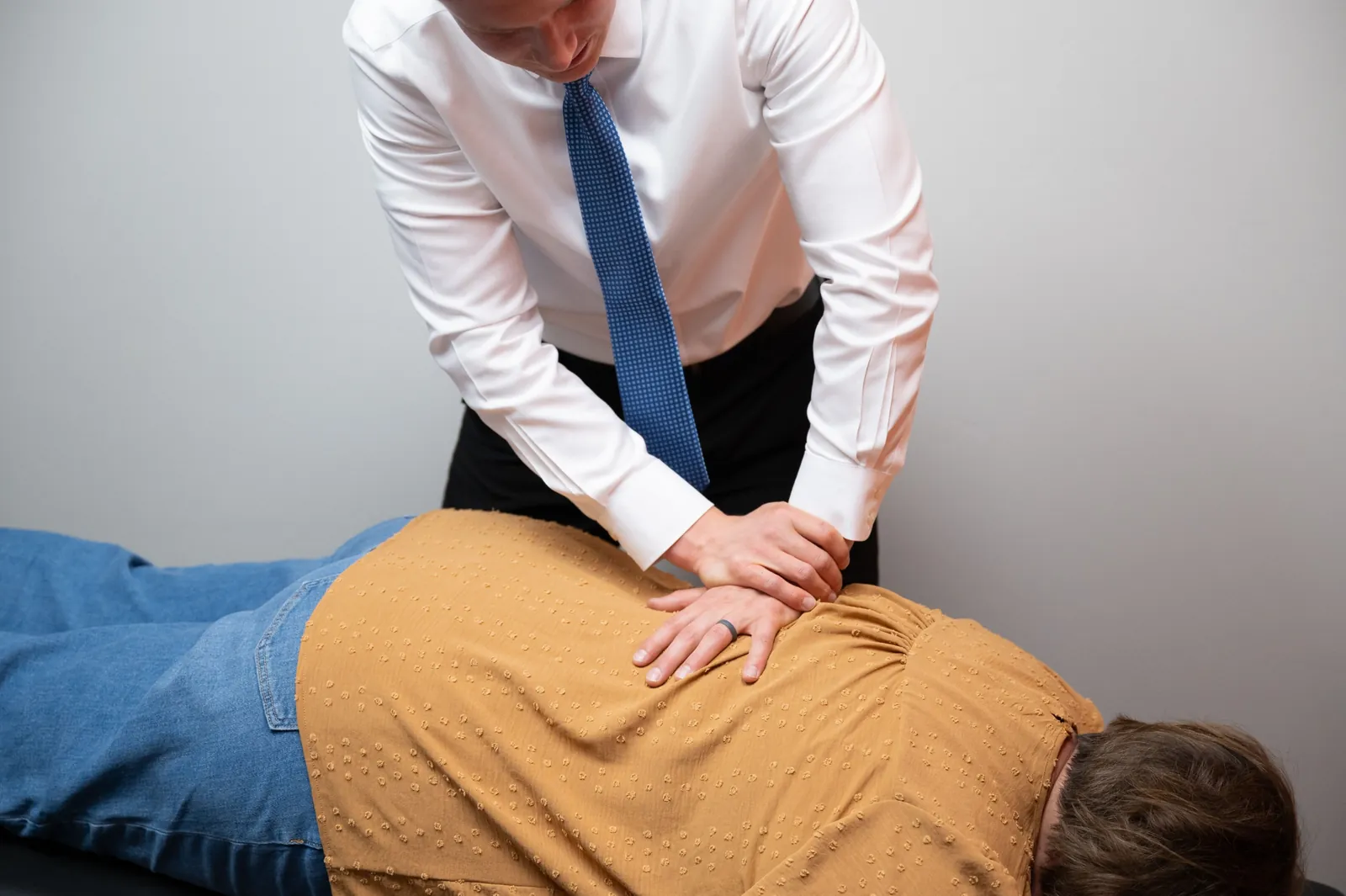
An adjustment is a precise, controlled movement applied to a joint that is stiff or not moving well. After an injury, nearby joints often stiffen and muscles tighten to protect the area. That guarding is helpful early on, but if it lingers, it can change how you run, jump, throw or lift.
Chiropractic care aims to:
- Restore motion in stiff joints of the spine, pelvis and extremities
- Ease muscle guarding so you can move more naturally
- Help you rebuild strength and control with better mechanics
Adjustments do not repair torn tissue or speed up biology. Injured tissue still needs time to repair. What a good plan can do is help you move better along the way and avoid the compensations that often lead to a second injury.
Pairing Adjustments With Active Rehab
Hands-on care is most useful alongside exercise. Most recovery plans include a mix of:
- Pain management: relative rest, ice early on and gentle movement to calm things down.
- Mobility: range-of-motion work and stretching to restore normal movement.
- Strength: progressive loading so the injured area and surrounding muscles can handle your sport again.
- Coordination and balance: drills that retrain timing and control, which matters a lot after ankle and knee injuries.
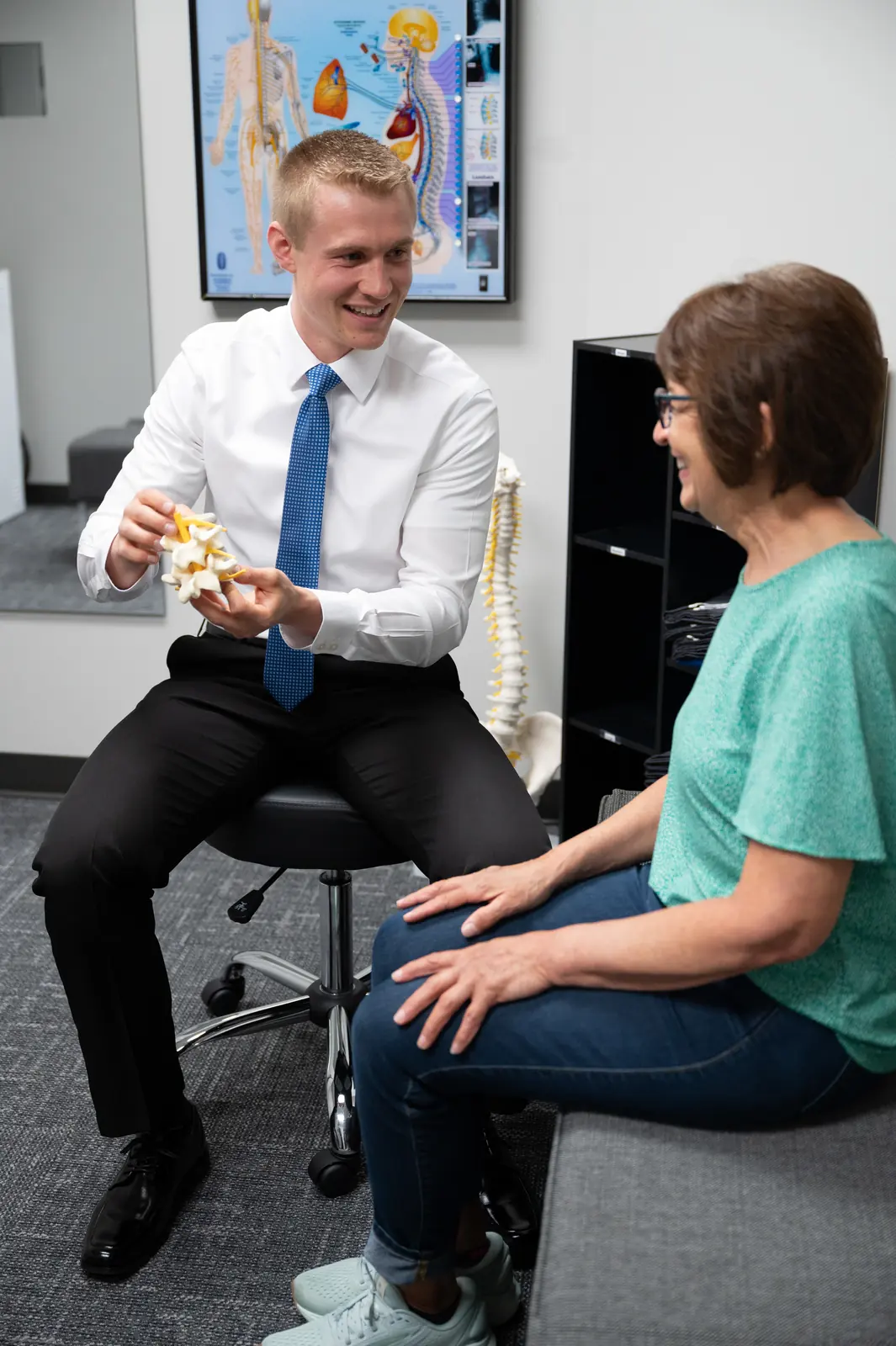
Dr. Hunter Schultz gives home exercises as part of your plan. For injuries that need a structured rehab program, such as after surgery or a significant ligament tear, he may recommend working with a physical therapist as well.
Care Tailored to Your Injury
No two injuries are the same, so your plan is built around your exam. Here is how care often differs:
Back and Neck Strains
Common in lifting, football, hockey and golf. Adjustments may help restore motion in stiff spinal joints, combined with core and hip strengthening. Intersegmental traction can be a gentle way to encourage movement when you are sore.
Ankle Sprains
An exam checks the ankle, foot, knee and hip, since a sprain often changes how the whole leg moves. Care focuses on restoring ankle motion, balance training and gradual return to cutting and jumping. See our page on sprains and strains.
Shoulder Injuries
Throwers, swimmers and volleyball players often develop shoulder pain linked to stiffness in the upper back and shoulder blade. Care may combine upper-back adjustments with shoulder strengthening.
Overuse Injuries
Pain that builds over weeks, such as in runners or pitchers, usually needs a look at training load, technique and recovery as well as joint motion. See our page on overuse injuries for common warning signs.
Hip and Low Back Pain in Runners and Skaters
Repetitive strides can leave the hips and pelvis stiff on one side. An exam checks hip and pelvic motion, and care may combine adjustments with glute and core strengthening so each stride shares the load more evenly.
If the exam suggests a fracture, a significant tear, or a concussion, Dr. Hunter will refer you for the right imaging or medical care before any adjusting.
What a Visit Looks Like
Your first visit at our office includes paperwork, a consultation about how the injury happened, a hands-on exam, X-rays on site if they are needed, and a written report of findings. When it is appropriate, you receive your first treatment the same day, along with a plan that fits your sport and timeline.
Learn more about our athlete care in Green Bay for players of all levels, from youth sports to weekend leagues.
Fuel and Mindset Still Matter
Adjustments and exercise are only part of the picture. Eating enough protein, staying hydrated and getting good sleep give your body what it needs to repair. Setting small goals and staying connected with your team can help with the frustration of being sidelined. For more on these topics, see our guide to recovering from athletic injuries.
Returning to Your Sport
A safe return usually means:
- Full or near-full range of motion
- Strength close to the uninjured side
- No pain with sport-specific movements, such as sprinting, cutting or throwing
- Confidence in the injured area
Your coach, athletic trainer or physician may have their own return-to-play steps, especially after a concussion. We are glad to work with them so everyone is on the same page.
Rushing back because the pain has faded is one of the most common reasons injuries return. Building back gradually, with a plan that tests your readiness, gives you a better chance of staying in the game.
Get Back to Your Sport
If an injury is slowing you down, an exam can help you understand what is going on and what to work on. New patients can start with our $18 new patient special.
Frequently Asked Questions
Adjustments do not speed up tissue repair itself. What they aim to do is restore motion in stiff joints and ease muscle guarding, which may help you move more comfortably and get more out of rehab exercises. Recovery time still depends on the type and severity of the injury and how consistently you follow your plan.
It depends on the injury. That is why an exam comes first. Dr. Hunter screens for signs of fractures, ligament tears, nerve injury or concussion, and refers you for imaging or medical care when needed. When adjusting is appropriate, the technique and force are matched to your injury and comfort.
Yes. Young athletes often benefit from an exam that looks at how the injury is affecting their movement. Care for kids is gentle and adapted to their size and age, and we keep parents involved in every decision. Any head injury should be checked by a physician first.
Often you can stay active in a modified way, such as conditioning, upper-body work for a leg injury, or skill work that does not load the injured area. Avoid anything that makes your pain worse or changes how you move. Your plan should spell out what is safe and when to progress.
Related Care in Green Bay
- Athlete CareRecovery, mobility and injury care for active people of all levels.
- Chiropractic CareHands-on adjustments based on a thorough exam and, when needed, X-rays.
- Intersegmental TractionA relaxing roller table that gently mobilizes each spinal segment.
- Sprains & StrainsLigament sprains and muscle strains.
- Overuse InjuryRepetitive strain from work, sport or hobbies.
- Shoulder PainShoulder stiffness, pain and limited reach.
Sources