Getting hurt is one of the most frustrating parts of being active. Whether you rolled an ankle on the court, strained a hamstring on a run, or tweaked your back in the weight room, the question is the same: how do I get back safely, without getting hurt again?
Recovery is about more than waiting it out. How you move, eat, sleep and think during those weeks all play a part. Here is a practical look at each piece.
The Three Stages of Sports Injury Recovery
Most soft-tissue injuries, such as sprains and strains, go through three overlapping stages:
- Inflammation (first few days): swelling, warmth and soreness are part of the body’s early response. The focus is protecting the area and calming it down.
- Repair (days to several weeks): the body lays down new tissue. Gentle, guided movement helps that tissue form in a useful way.
- Remodeling (weeks to months): new tissue gets stronger as you gradually load it. This is when strength and sport-specific work matter most.
The biggest mistake athletes make is returning too soon because the pain has faded. Feeling better is not the same as being ready. Tissue can still be weak even when it no longer hurts, which is why so many injuries come back. A gradual plan that tests strength, balance and control before full practice is usually safer than going by how it feels on a good day.
Fueling Your Recovery With Good Nutrition
Food will not fix an injury on its own, but it gives your body the raw materials to repair. Simple, everyday habits help:
- Protein at each meal: eggs, Greek yogurt, fish, chicken, beans or lean meat support tissue repair.
- Plenty of fruits and vegetables: they provide vitamins and minerals your body uses during healing.
- Whole grains and other complex carbs: they keep your energy steady, especially as you return to training.
- Healthy fats: fatty fish, nuts and olive oil are part of a balanced diet.
- Water: stay hydrated, particularly once you are moving and sweating again.
- Less ultra-processed food and added sugar: they crowd out the foods that help.
If you have a medical condition, food allergies or specific performance goals, a registered dietitian can build a plan for you.
Rehab Tools That Can Help
A good recovery plan usually mixes rest, movement and hands-on care. Common tools include:
- Ice: a cold pack for 15 to 20 minutes, with a cloth between the pack and your skin, can ease pain and swelling in the first few days.
- Heat and warm water: later on, warmth can help stiff muscles relax before gentle stretching.
- Progressive exercise: range-of-motion work first, then strength, balance and finally sport-specific drills.
- Chiropractic care: when an injury affects how your spine, hips or other joints move, adjustments may help restore motion so you can rebuild strength with better mechanics.
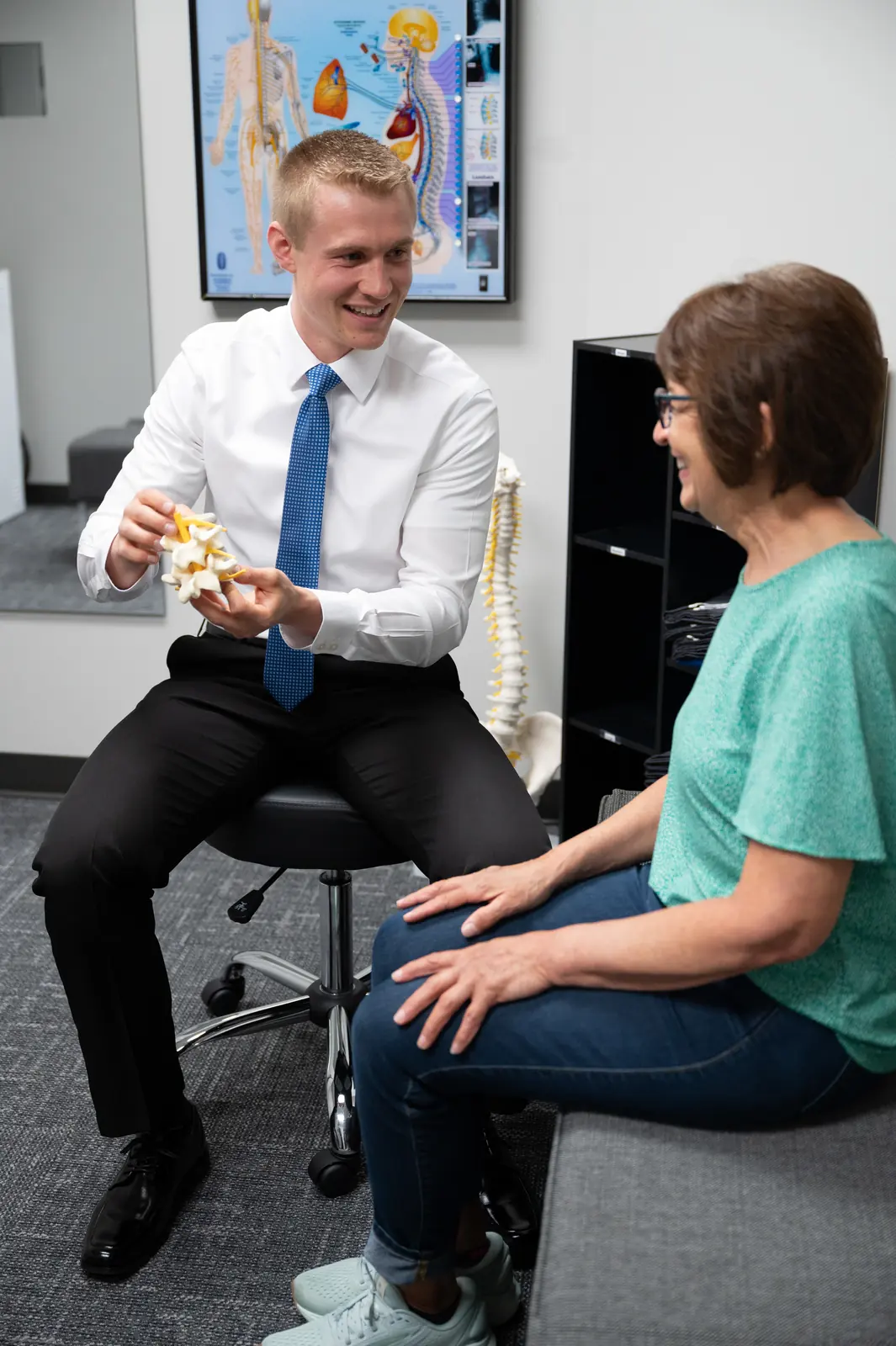
At our office, Dr. Hunter Schultz checks how the injured area and the joints around it are moving, then builds a plan that fits your sport and timeline. Learn more about our athlete care in Green Bay.
The Mental Side of Recovery
Being sidelined is hard. Many athletes feel frustrated, restless or anxious about losing their spot or getting hurt again. Those feelings are normal, and handling them well can make recovery smoother:
- Set small goals. Celebrate your first comfortable walk, your first full squat, your first practice back.
- Stay connected. Go to practices or games when you can, and lean on teammates, coaches, friends and family.
- Try visualization. Many athletes mentally rehearse skills while they cannot practice them.
- Use simple calming tools. Slow breathing or a short mindfulness exercise can help when frustration builds.
If low mood or anxiety lasts, or starts affecting sleep, school or work, talk with your doctor or a mental-health professional. If you are in crisis, call or text 988.
Preventing Your Next Injury
Once you are back, a few habits can lower your risk of a repeat injury:
- Warm up and cool down. Five to ten minutes of light movement before training and easy stretching after.
- Cross-train. Mix in different activities so the same tissues are not stressed every day.
- Build up gradually. Increase distance, weight or intensity a little at a time.
- Listen to your body. Lingering soreness, pain that changes how you move, or pain that gets worse during activity are signs to back off and get checked. Our page on overuse injuries covers the warning signs.
- Rest and sleep. Recovery days are part of training, not a break from it. Most teens need more sleep than adults, and young athletes who play one sport year-round may benefit from planned time off.
- Check your gear. Worn-out shoes and poorly fitted equipment can change how forces move through your body.
Get a Plan for Your Return
If an injury is lingering or you are not sure you are ready to return, an exam can help you understand what is going on and what to work on next. New patients can start with our $18 new patient special.
Frequently Asked Questions
It depends on the tissue and how badly it was injured. A mild strain may feel better in a week or two, while a significant sprain or tear can take several weeks to months. Healing continues even after pain fades, so a gradual return based on strength and function is safer than going by pain alone.
Ice is commonly used in the first few days to help ease pain and swelling. Heat is usually more comfortable later, for stiff muscles before gentle stretching. Use either for about 15 to 20 minutes with a cloth between your skin and the pack. Skip heat on a fresh, swollen injury.
A good rule is to return when you have full or near-full range of motion, normal strength compared with the other side, and can do sport-specific movements without pain. A coach, athletic trainer, physician or chiropractor can help you test this before you return to full practice or competition.
Chiropractic care may help when an injury affects how your spine and joints move, such as back strains, neck stiffness or hip problems. Dr. Hunter examines you first and will refer you for imaging or medical care if your injury needs it, such as a suspected fracture or a torn ligament.
Related Care in Green Bay
- Athlete CareRecovery, mobility and injury care for active people of all levels.
- Chiropractic CareHands-on adjustments based on a thorough exam and, when needed, X-rays.
- Sprains & StrainsLigament sprains and muscle strains.
- Overuse InjuryRepetitive strain from work, sport or hobbies.
- Athletic OvertrainingFatigue, soreness and stalled recovery.
Sources