Green Bay averages about 55.6 inches of snow a year, based on the 1991 to 2020 climate normals. That is a lot of driveway, sidewalk and front steps to clear, often before work and often in the dark.
Shoveling is real exercise. It mixes bending, lifting, twisting and throwing, usually with cold muscles and heavy, wet snow. Here is how to get through the season with a happier back.
Why shoveling is so hard on your back
A study in the American Journal of Emergency Medicine looked at 17 years of emergency room visits in the United States. It found an average of about 11,500 snow shovel-related injuries and medical emergencies a year. The lower back was the most commonly injured area, at about a third of cases, and more than half of the injuries came from simple overexertion.
The same study found that heart-related problems were a small share of cases (about 7%) but the most serious: they included every death in the study. That is why this guide starts with your heart.
Check your heart first
The American Heart Association warns that cold air can tighten blood vessels and raise blood pressure, and that shoveling heavy snow puts real strain on the heart. People at higher risk include those with heart disease, high blood pressure, high cholesterol or diabetes, people who smoke, and people who do not exercise regularly.
If that sounds like you, talk to your doctor before you shovel, or have someone else do it.
Before you pick up the shovel
- Warm up for 5 to 10 minutes. March in place, swing your arms, and do a few gentle hip hinges and squats.
- Dress in layers. Wear a hat, gloves and boots with good traction. Slips and falls are the second most common cause of shoveling injuries.
- Choose a lighter shovel. A smaller blade means smaller loads. A push-style shovel moves snow without lifting, and a shovel with a curved handle can mean less bending.
- Go in rounds. During a long storm, clear a few inches at a time instead of waiting for a foot of heavy snow.
How to shovel smarter
- Push, do not lift. Pushing snow to the side takes less effort than lifting and throwing it.
- When you must lift, keep loads small. Stand with your feet about hip-width apart, bend at your hips and knees, keep your back long and hold the shovel close to your body. Lift with your legs.
- Turn your whole body. Point your toes where the snow is going. Do not twist at the waist or toss snow over your shoulder.
- Switch sides. Change your lead hand every few minutes so one side of your back does not do all the work.
- Take breaks. Rest every 10 to 15 minutes, or sooner if you feel tired, and drink some water.
Using a snow blower safely
The American Heart Association says a snow blower is easier on your heart than shoveling, but it still takes care. The U.S. Consumer Product Safety Commission recommends:
- Never use your hands to clear a clog. Stop the engine before clearing snow or debris from any part of the machine, and use a long stick instead.
- Keep hands and feet away from moving parts.
- Never run it in a closed garage or shed. The exhaust contains carbon monoxide.
- Add fuel outdoors before you start, never to a running or hot engine.
Snow blowers are heavy, too. Let the machine do the work, keep your elbows close and walk with it rather than yanking it around tight corners.
After shoveling: easing sore muscles
Mild muscle soreness after a big snowfall is common. A short walk, gentle stretching and a warm shower can help you loosen up.
It is time to have your back checked if the pain is getting worse instead of better, lasts more than a week or two, or travels down your leg with numbness or tingling. Those can be signs of an irritated nerve or disc.
Help for your back this winter
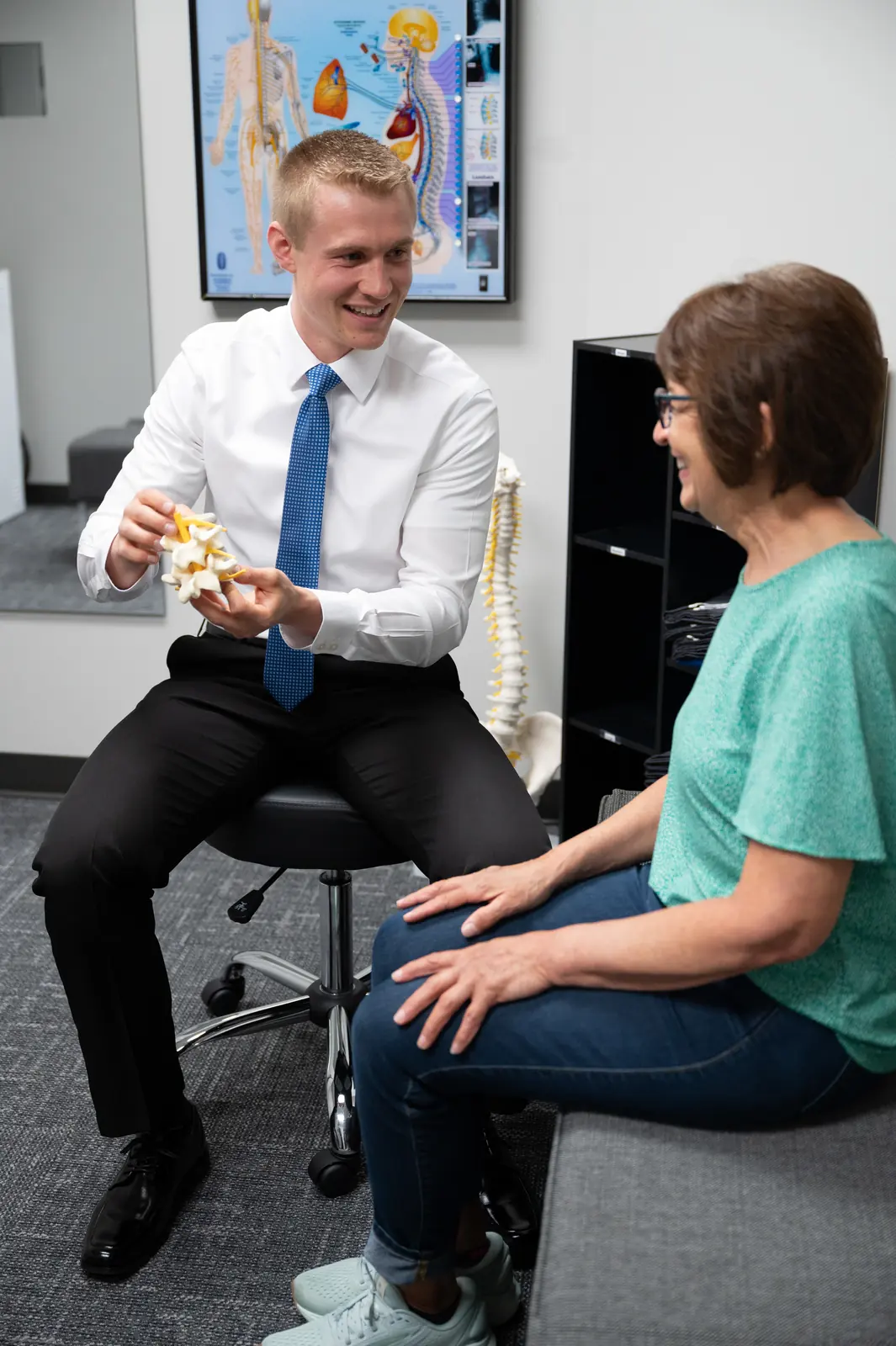
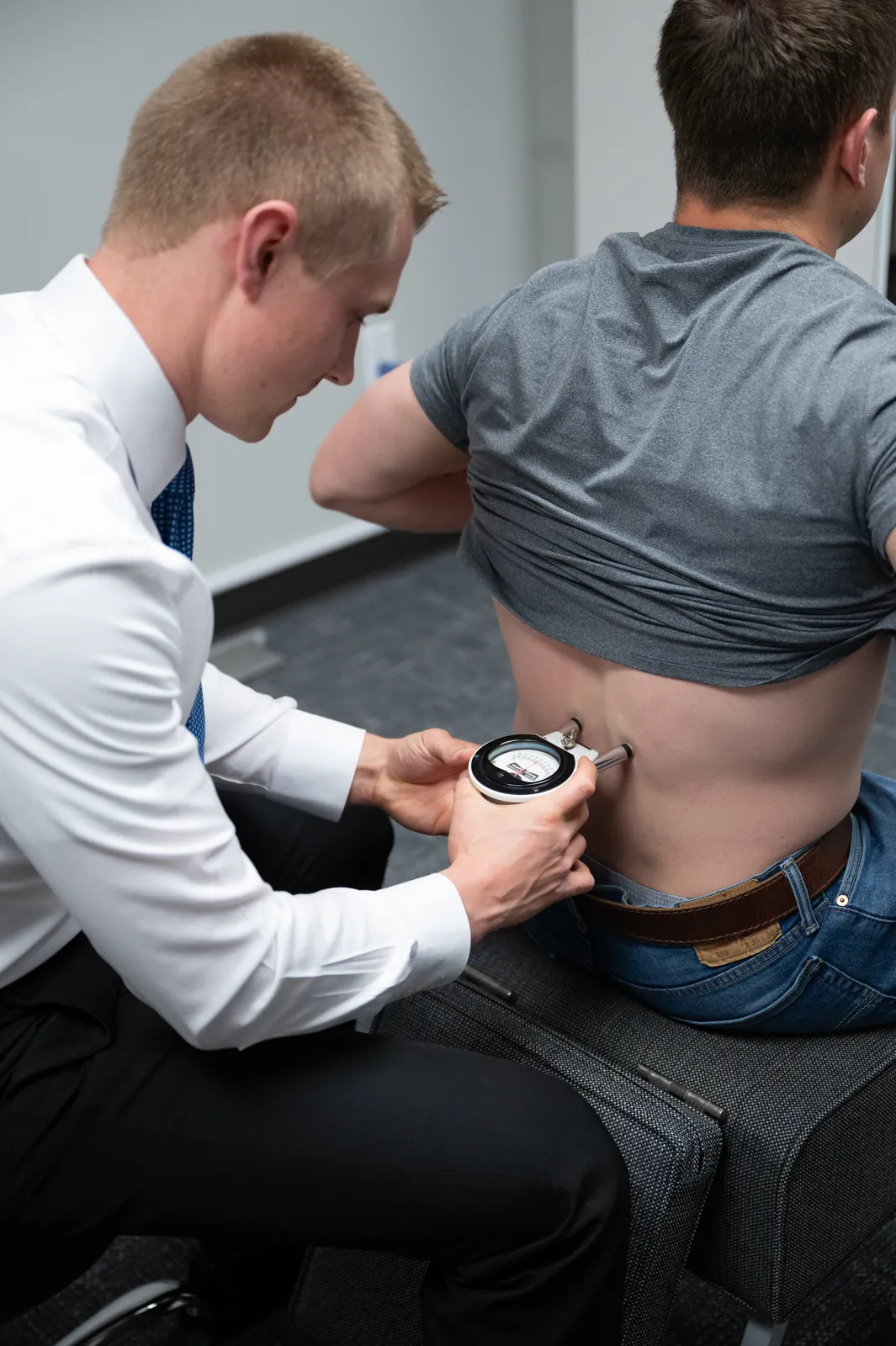
If shoveling has left your back stiff or sore, Dr. Hunter Schultz can find out what is going on and build a plan to help you move comfortably again. That can include hands-on adjustments, spinal decompression for disc-related pain, and simple exercises to protect your back for the rest of the season.
New patients start with our $18 new patient special at our Green Bay office on N Military Ave. Book online or call (920) 933-8080.
Related Care in Green Bay
- Chiropractic CareHands-on adjustments based on a thorough exam and, when needed, X-rays.
- Spinal DecompressionGentle, controlled traction for disc-related back and neck pain.
- Back PainLow and mid-back pain, stiffness and spasms.
- SciaticaPain that travels from the low back into the leg.
- Disc InjuryBulging or herniated discs in the neck or back.
Sources
- Wisconsin State Climatology Office: Green Bay historical snowfall
- Snow shovel-related injuries and medical emergencies treated in US EDs, 1990 to 2006 (American Journal of Emergency Medicine, 2011)
- Nationwide Children's Hospital: study finds 11,500 emergency department visits a year related to snow shoveling
- American Heart Association: Snow shoveling and cold temperatures combine for a perfect storm of heart health hazards
- U.S. Consumer Product Safety Commission: Snow thrower safety alert
- MedlinePlus: Low back pain, acute