If you're dealing with lower back pain, you're not alone, and there are practical solutions that can help. By focusing on lifestyle changes, proper posture, and targeted exercises, you can greatly alleviate discomfort. Techniques like heat therapy or professional support might also play an essential role in your recovery journey. As you explore these options, you might find some surprising methods that could enhance your overall well-being and keep those aches at bay. But which strategies will be the most effective for you?
Understanding Lower Back Pain
What causes lower back pain, and why is it so common? You might be surprised to learn that a variety of factors contribute to this widespread issue. Poor lifting techniques, prolonged sitting, and muscle strain are some of the primary culprits.
If you spend long hours at a desk or engage in physically demanding work, your lower back can easily become strained. Even minor injuries from everyday activities can lead to discomfort over time.
Another notable factor is age. As you get older, the structures in your spine wear down, leading to conditions like degenerative disc disease or spinal stenosis. These conditions can cause pain and limit your movement.
Additionally, being overweight puts extra pressure on your lower back, further increasing your risk of pain.
Stress can also play a role. When you're stressed, your muscles tend to tighten, which can lead to discomfort in your lower back. It's not just about physical strain; emotional and mental health can greatly impact how your body feels.
Finally, lifestyle choices, such as lack of exercise and poor diet, can contribute to lower back pain. Staying active helps strengthen the muscles that support your spine, while a balanced diet can prevent extra weight gain.
Understanding the causes of lower back pain is essential for effective relief. By identifying these factors, you can take proactive steps to manage your discomfort and improve your overall well-being.
Importance of Good Posture
Good posture plays an important role in preventing lower back pain, especially if you spend long hours sitting or standing. When you maintain good posture, your spine aligns properly, reducing strain on your muscles and ligaments. This alignment not only helps prevent pain but also enhances your overall comfort throughout the day.
You mightn't realize it, but slouching or hunching over can create unnecessary pressure on your spine, leading to discomfort and even long-term issues. By keeping your shoulders back, your back straight, and your feet flat on the ground, you can greatly lower your risk of developing back pain.
It's vital to be mindful of your posture in various situations—whether you're at your desk, driving, or simply standing in line.
Adjusting your workspace can also make a huge difference. Make sure your chair supports your lower back and that your computer screen is at eye level. This minimizes neck strain and encourages you to sit up straight.
If you're standing for extended periods, distribute your weight evenly on both feet and take breaks to shift your position.
Good posture isn't just about preventing pain; it can improve your mood and energy levels, too. When you stand tall and sit straight, you're more likely to feel confident and alert.
Effective Stretching Exercises
Stretching exercises can play an essential role in relieving lower back pain.
The Cat-Cow stretch helps improve flexibility and relieve tension, while Child's Pose offers a gentle way to stretch and relax your back.
Let's explore how to properly perform these exercises for maximum benefit.
Cat-Cow Stretch Benefits
Relief from lower back pain often comes through effective movements, and the Cat-Cow stretch stands out as a powerful tool. This simple yet dynamic exercise can help you increase flexibility and mobility in your spine, which is essential for easing tension and discomfort.
When you perform the Cat-Cow stretch, you alternate between arching and rounding your back, which encourages proper alignment and strengthens your core muscles. This fluid motion not only loosens tightness in the lower back but also promotes blood circulation, helping your body recover from strain more effectively.
Additionally, the Cat-Cow stretch engages your abdominal muscles, providing stability to your spine. By incorporating this stretch into your routine, you can improve your posture and reduce the risk of future back pain.
Plus, it's an excellent way to relieve stress, as the rhythmic movement can calm your mind and enhance your overall well-being.
To reap the benefits, try practicing the Cat-Cow stretch daily. Just a few minutes can make a significant difference in how your back feels, allowing you to move more freely and comfortably throughout your day.
Child's Pose Technique
Incorporating Child's Pose into your routine can be a game-changer for relieving lower back tension. This gentle stretch not only relaxes your spine but also helps you reconnect with your breath. Here's why you should give it a try:
- Stretches the spine: Releases tightness along your back.
- Calms the mind: Encourages relaxation, reducing stress levels.
- Improves flexibility: Increases mobility in your hips and lower back.
- Enhances circulation: Promotes blood flow to the back muscles.
- Eases tension: Relieves discomfort from prolonged sitting or standing.
To perform Child's Pose, start on your hands and knees. Spread your knees wide, keeping your big toes touching. Sit back on your heels, extending your arms forward and lowering your forehead to the mat.
Hold this position for several breaths, letting gravity do the work. Focus on breathing deeply to enhance the stretch.
You'll feel the release in your lower back and hips, making it easier to tackle daily tasks. Regular practice of Child's Pose can considerably contribute to a healthier, pain-free back.
Give it a shot, and feel the difference!
Strengthening Core Muscles
When you strengthen your core muscles, you create a solid foundation that supports your entire body, helping to alleviate lower back pain. Your core isn't just about abs; it includes muscles in your back, hips, and pelvis. These muscles work together to stabilize your spine and pelvis during daily activities.
To get started, focus on exercises that target all areas of your core. Planks are a fantastic option; they engage multiple muscle groups and improve overall stability. Start by holding a plank position for 20 to 30 seconds, gradually increasing the duration as you get stronger.
Incorporate side planks to target your obliques, which are essential for maintaining balance and preventing injuries.
Another effective exercise is the bird-dog. From a tabletop position, extend one arm and the opposite leg, holding for a few seconds before switching sides. This move enhances coordination and strengthens the muscles that support your lower back.
Don't forget about pelvic tilts. Lying on your back with your knees bent, gently press your lower back into the floor, engaging your core. This simple exercise can relieve tension and improve your core strength.
Heat and Cold Therapy
When it comes to easing lower back pain, heat and cold therapy can be incredibly effective.
You might find that heat helps relax your muscles, while cold therapy reduces inflammation and numbs sharp pain.
Understanding how to use these methods can make a significant difference in your recovery.
Benefits of Heat Therapy
Using heat therapy can greatly alleviate lower back pain by promoting relaxation and improving blood flow to the affected area. When you apply heat, it helps soothe tight muscles and reduce stiffness, making it easier for you to move comfortably.
Here are some key benefits you can expect from heat therapy:
- Improved circulation: Heat increases blood flow, delivering more oxygen and nutrients to the muscles.
- Muscle relaxation: The warmth helps relax tense muscles, easing discomfort and tightness.
- Pain relief: Heat can block pain signals sent to the brain, providing relief from aches.
- Enhanced flexibility: By loosening tight muscles, heat therapy can improve your range of motion.
- Stress reduction: The soothing effects of heat can help reduce overall stress, contributing to a better sense of well-being.
To use heat therapy effectively, you can opt for heating pads, warm baths, or hot towels.
Just be cautious not to apply heat for too long or directly on bare skin to prevent burns. Incorporating this simple method into your routine can make a significant difference in managing lower back pain.
Cold Therapy Techniques
Cold therapy techniques offer immediate relief for acute lower back pain by numbing the affected area and reducing inflammation. When you apply ice or a cold pack to your lower back, it constricts blood vessels, which helps minimize swelling and alleviates pain signals sent to your brain.
To effectively use cold therapy, wrap ice or a cold pack in a thin towel to protect your skin. Apply this compress to your lower back for about 15-20 minutes at a time. You can repeat this process every hour as needed, especially within the first 48 hours after an injury or flare-up.
Remember to listen to your body; if the cold becomes uncomfortable, take a break. You can also use a bag of frozen vegetables in a pinch, but make certain it's wrapped properly.
Cold therapy isn't just for injuries; it can provide relief during flare-ups of chronic pain conditions. Always consult with a healthcare professional if you're unsure about the best approach for your specific situation.
Combining cold therapy with other treatment methods can enhance your overall relief from lower back pain.
Over-the-Counter Medications
Over-the-counter medications can provide significant relief for lower back pain, helping you manage discomfort without the need for a prescription. These medications are easily accessible and can offer quick solutions to alleviate pain, allowing you to get back to your daily activities.
However, it's important to choose the right one based on your specific symptoms.
Here are some common over-the-counter options you might consider:
- Ibuprofen: A nonsteroidal anti-inflammatory drug (NSAID) that reduces inflammation and pain.
- Acetaminophen: Effective for pain relief, it doesn't reduce inflammation but is gentler on your stomach.
- Naproxen: Another NSAID that provides longer-lasting relief and is often taken twice a day.
- Topical pain relievers: Creams or gels containing ingredients like menthol or capsaicin can be applied directly to the affected area to relieve localized pain.
- Combination medications: Some OTC options blend pain relievers with other ingredients to enhance effectiveness.
Before taking any medication, make sure to read the label for proper dosage and potential side effects.
It's also wise to discuss your options with a healthcare professional, especially if you have existing medical conditions or are taking other medications.
Professional Physical Therapy
If you're struggling with lower back pain, professional physical therapy could be the key to your recovery.
You'll benefit from personalized treatment plans and various techniques designed to relieve your pain effectively.
Let's explore how these tailored approaches can help you regain mobility and improve your overall quality of life.
Benefits of Physical Therapy
Physical therapy offers a range of benefits for relieving lower back pain, helping you regain mobility and strength.
By working with a skilled physical therapist, you can develop a personalized plan tailored to your specific needs. Here are some key benefits you can expect:
- Improved Flexibility: Targeted stretches can enhance your range of motion, making daily activities easier.
- Strengthening Exercises: Focused strength training helps support your spine and reduces the risk of future injuries.
- Pain Management Techniques: Physical therapists teach you methods to manage pain effectively without relying solely on medication.
- Posture Correction: You'll learn how to maintain proper posture, which can greatly alleviate stress on your lower back.
- Education on Body Mechanics: Understanding how to move correctly during daily tasks can help prevent further strain and injury.
Techniques for Pain Relief
When it comes to relieving lower back pain, professional physical therapy employs a variety of effective techniques tailored to your unique situation.
One common method is manual therapy, where your therapist uses hands-on techniques to manipulate soft tissues and joints. This can improve mobility and reduce stiffness, helping you regain your range of motion.
Another technique is therapeutic exercises. These exercises strengthen your core and back muscles, providing better support for your spine. Your therapist will guide you through specific movements designed to alleviate pain and enhance flexibility.
Modalities such as heat, ice, or electrical stimulation may also be used to manage pain. Applying heat can increase blood flow and relax tense muscles, while ice can reduce inflammation and numb sharp pain.
Posture education is essential, too. Your therapist will show you how to maintain proper alignment during daily activities, which can greatly reduce strain on your back.
Finally, stretching techniques can improve flexibility and reduce tension in your back muscles.
Together, these approaches create a thorough strategy to help you find relief and improve your overall function.
Personalized Treatment Plans
Creating a personalized treatment plan is key to effectively addressing your lower back pain. By tailoring your approach, you'll target the specific causes and symptoms of your discomfort. Here's what a thorough plan might include:
- Assessment: A detailed evaluation of your medical history and current condition.
- Goal Setting: Establishing clear, achievable goals to measure your progress.
- Therapeutic Exercises: Customized routines to strengthen your core and improve flexibility.
- Manual Therapy: Techniques like massage or mobilization to relieve tension and improve range of motion.
- Education: Guidance on posture, body mechanics, and lifestyle changes to prevent future issues.
Your treatment plan should adapt as you progress. Regular check-ins with your healthcare provider will help you stay on track and make necessary adjustments.
You'll learn to manage your pain effectively and regain your mobility. Remember, a one-size-fits-all approach often misses the mark; focusing on your unique situation will lead to more successful outcomes.
Embrace this journey, and soon you'll find relief and a better quality of life.
Alternative Treatments
Exploring alternative treatments for lower back pain can often lead to significant relief when traditional methods fall short. Many people find that options like acupuncture, chiropractic adjustments, and massage therapy can provide effective pain management.
Acupuncture, for instance, involves inserting thin needles at specific points in your body, promoting natural healing and reducing inflammation. Many have reported a decrease in pain levels and an increase in mobility after a few sessions.
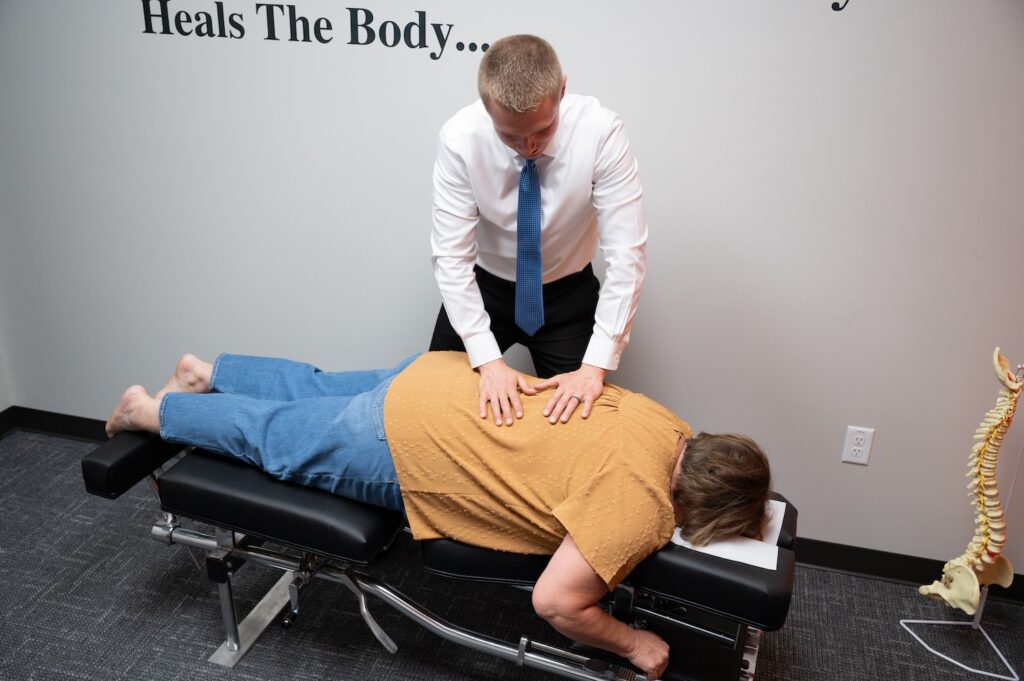
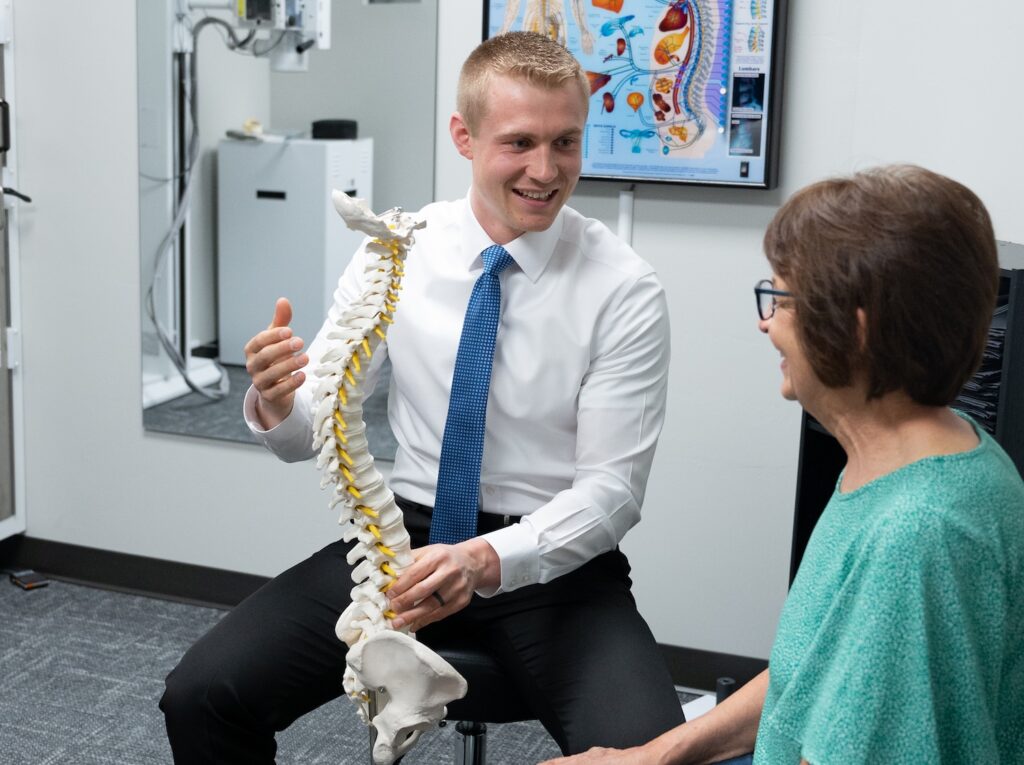
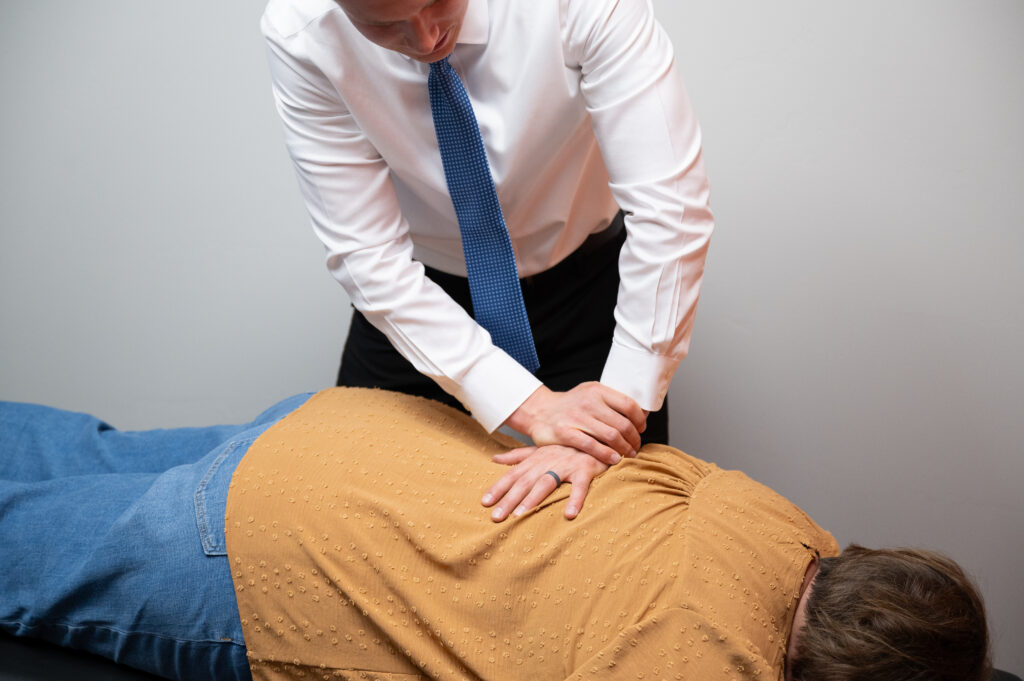
Chiropractic care focuses on aligning your spine and improving function. A trained chiropractor can perform adjustments that may relieve pressure on nerves and enhance your overall well-being. It's important to consult with a professional to see if this approach aligns with your needs.
Massage therapy is another alternative that can help ease muscle tension and improve blood circulation. By targeting specific areas of discomfort, a skilled massage therapist can help alleviate pain and promote relaxation. You may find that regular sessions contribute to long-term pain relief.
Herbal remedies and supplements can also serve as adjuncts to your pain management strategy. Turmeric, for example, contains curcumin, which has anti-inflammatory properties. However, it's crucial to consult with a healthcare provider before starting any new supplement.
Lastly, practices like yoga and tai chi not only enhance flexibility but also promote mindfulness, helping you manage pain more effectively. Combining these alternative treatments with your current plan might just give you the relief you've been searching for.
Lifestyle Modifications
Incorporating lifestyle modifications can profoundly enhance your efforts to relieve lower back pain. Simple changes in your daily routine can make a world of difference.
Here are a few effective strategies you might consider:
- Maintain a Healthy Weight: Excess weight can put extra strain on your lower back, so keeping your weight in check is essential.
- Stay Active: Regular physical activity strengthens the muscles supporting your spine and improves flexibility, reducing the risk of pain.
- Practice Good Posture: Whether sitting, standing, or lifting, maintaining proper posture can prevent unnecessary stress on your back.
- Use Ergonomic Furniture: Investing in an ergonomic chair or desk can promote better posture and help keep your spine aligned throughout the day.
- Incorporate Stretching and Strengthening Exercises: Focus on exercises that target your core and back muscles to build strength and flexibility.
When to Seek Help
Recognizing when to seek help for lower back pain is essential for effective recovery. If your pain persists for more than a few weeks, it's time to consult a healthcare professional. Chronic pain can signal underlying conditions that require medical intervention.
Don't ignore symptoms that worsen over time or lead to new issues, such as numbness in your legs or difficulty walking. Pay attention if you're experiencing severe pain that doesn't improve with rest or over-the-counter medications.
Sudden, sharp pain after an injury or fall is another reason to seek medical advice immediately. If you notice changes in bowel or bladder control, this could indicate a serious condition and warrants urgent attention.
Consider reaching out for help if your pain interferes with daily activities or sleep. Quality of life matters, and living with constant discomfort isn't necessary when effective treatments are available. A healthcare professional can assess your situation, recommend appropriate tests, and develop a tailored treatment plan.
Lastly, if you're unsure whether your symptoms are serious, it's better to err on the side of caution. Getting evaluated can provide peace of mind and prevent potential complications.
You deserve to understand your body's signals and take proactive steps toward healing. Trust your instincts—if something feels off, don't hesitate to reach out for help. Taking early action can lead to quicker recovery and a return to your normal activities.
Conclusion
Incorporating these solutions into your routine can greatly alleviate lower back pain. By prioritizing good posture, engaging in effective stretches and core-strengthening exercises, and utilizing heat or cold therapy, you'll make strides toward recovery. Don't hesitate to seek professional help or explore alternative treatments if needed. Remember, making small lifestyle adjustments can lead to lasting relief. Pay attention to your body, and take proactive steps to support your back health for a pain-free life.