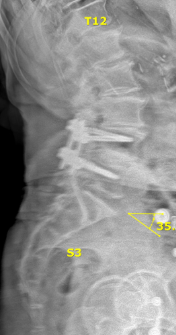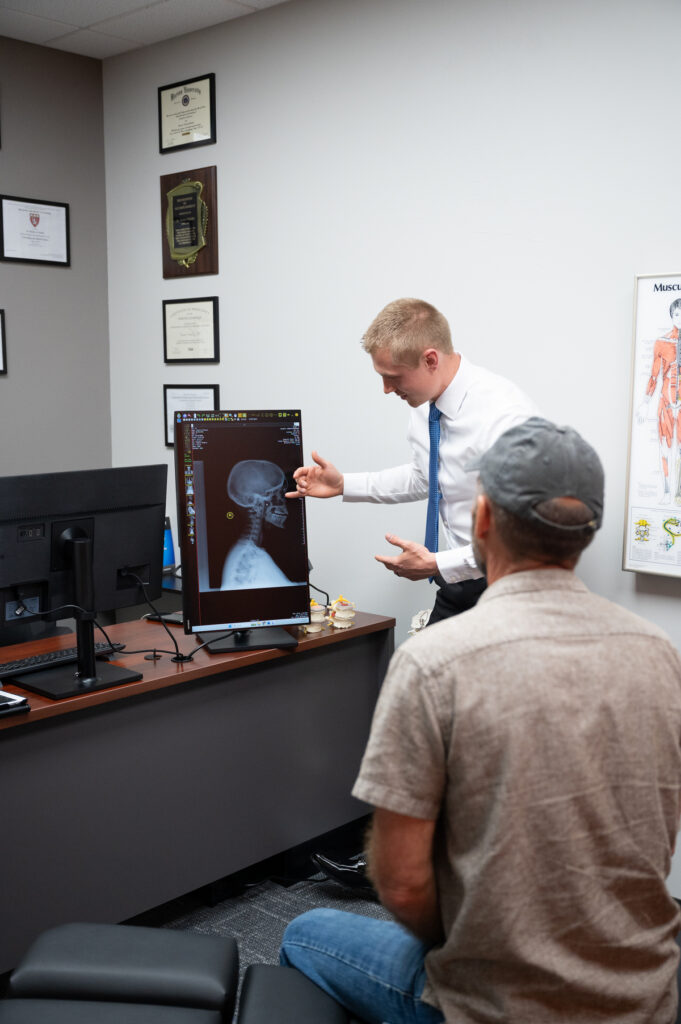

As a local chiropractor, I want to share some insights for those of you experiencing back pain related to posture. You’re not alone in this struggle; many individuals face discomfort stemming from poor posture, especially in our modern world where screens dominate our daily lives. It’s essential to understand that improving your posture can lead to significant enhancements in your comfort and overall well-being.
By incorporating some straightforward yet effective strategies into your daily routine, you can begin to relieve that persistent pain and improve your posture. Here are some practical steps that I recommend to help you find relief and promote natural healing. Remember, taking care of your spine is crucial for maintaining a healthy lifestyle!
Understand the Importance of Good Posture
As a local chiropractor, I want to emphasize the often-overlooked importance of good posture for your overall health and well-being. Maintaining proper posture isn’t just about looking confident; it plays a crucial role in the alignment of your spine. When you stand or sit up straight, you help to reduce unnecessary strain on your muscles and ligaments, which can ultimately prevent back pain and discomfort over time.
Many people are unaware that poor posture can lead to various health issues, such as chronic pain, fatigue, and even diminished mood. By becoming more mindful of how you position your body throughout the day—whether you’re at your desk, driving, or walking—you can significantly enhance your energy levels and overall sense of well-being.
Incorporating posture awareness into your daily routine is essential for developing healthier habits and safeguarding your spine. Simple adjustments, such as sitting with your back straight and shoulders relaxed or standing tall, can make a remarkable difference.
Create an Ergonomic Workspace
As a local chiropractor, I want to emphasize the importance of creating an ergonomic workspace, not only for comfort but also for maintaining good posture and preventing back pain, especially if you find yourself spending long hours at a desk.
First and foremost, adjust your chair so that your feet rest flat on the floor and your knees are at a right angle. It’s crucial that your back is supported by the chair’s lumbar feature, as this encourages the natural curve of your spine.
Next, let’s talk about your computer screen. Position it at eye level, approximately an arm’s length away, to help avoid straining your neck. Your keyboard and mouse should be placed close enough that your elbows remain at your sides, forming a comfortable 90-degree angle.
It’s also vital to ensure your desk height is appropriate; this will help prevent slouching or reaching too high, which can lead to discomfort over time. If your feet don’t comfortably touch the ground, consider using a footrest for additional support.
Lastly, if you frequently take phone calls, think about using a headset. This will help keep your neck aligned and reduce strain.
Making these simple adjustments can greatly enhance your overall comfort and posture, and I encourage all my patients to take these steps seriously to support their well-being.
Take Regular Breaks and Stretch
As a local chiropractor, I want to emphasize the importance of taking regular breaks to support your back health. Many people underestimate how crucial it’s to step away from their desks or daily routines, as this can help prevent stiffness and discomfort in your spine.
During these breaks, I encourage you to incorporate effective stretching techniques. Not only do these stretches enhance your flexibility, but they also help alleviate tension that can build up throughout the day.
Remember, adding movement to your daily routine is essential for maintaining a healthy posture and preventing back pain. By making small adjustments and prioritizing breaks, you can significantly improve your overall well-being.
If you have any questions about how to integrate these practices into your life, don’t hesitate to reach out. Your health is my priority!
Importance of Frequent Breaks
As a local chiropractor, I want to emphasize the importance of taking frequent breaks for your spinal health and overall well-being. Many of you may not realize that prolonged periods of sitting or standing can significantly impact your posture and lead to back pain. This is where the concept of regular breaks comes in.
I recommend taking short breaks every hour. This simple practice can help alleviate muscle fatigue and tension, which often contribute to discomfort. During these breaks, try standing up, moving around, or even changing your position. It’s a great opportunity to give your body a chance to reset. Just a quick walk to refill your water bottle or stretch can make a world of difference.
Remember, our bodies aren’t designed to remain in one position for extended periods. By incorporating these regular breaks into your daily routine, you’re not only supporting your posture but also enhancing your overall health.
I encourage you to set a timer as a reminder to step away from your workspace frequently. It’s a small habit that can lead to significant benefits for your body.
Effective Stretching Techniques
As a local chiropractor, I want to share some valuable insights on how you can enhance your spinal health through effective stretching techniques. It’s crucial to take breaks during your day, but incorporating specific stretches during those breaks can make a significant difference in how your spine feels.
Start by standing up and reaching toward the ceiling. This simple movement helps elongate your spine and stretches out your arms, promoting better posture.
Next, consider doing gentle side bends. Leaning to one side and then the other can effectively release tension in your lower back, which is often caused by prolonged sitting.
Another beneficial stretch is the seated forward bend. This stretch targets tightness in the lower back and hamstrings, helping to alleviate discomfort.
Don’t overlook your neck, either; gentle rotations and tilts can ease stiffness that accumulates from looking at screens or holding tension.
I recommend holding each stretch for at least 15-30 seconds while focusing on your breathing. Deep, relaxed breaths can amplify the benefits of these stretches.
By regularly practicing these techniques throughout your day, you’ll not only keep your back flexible but also reduce discomfort associated with long periods of sitting.
Incorporating Movement Daily
As a local chiropractor, I want to emphasize the importance of incorporating regular movement into your daily life for maintaining spinal health and overall well-being.
It’s crucial to take breaks every hour; even small activities can make a significant difference for your back. Standing up, walking around, or stretching your arms and legs can help reduce stiffness and improve circulation. You don’t need to carve out a lot of time—just a few minutes of movement can significantly benefit your body.
I encourage you to integrate simple stretches into your routine. Neck rolls and torso twists are excellent ways to relieve tension and enhance flexibility.
If you find yourself sitting for extended periods, consider alternating your position. Using a standing desk or even sitting on an exercise ball can make a big difference.
Strengthen Core Muscles
As a local chiropractor, I want to emphasize the importance of strengthening your core muscles for overall health, particularly when it comes to maintaining good posture and preventing back pain.
Many people often think of their core as just their abdominal muscles, but it actually encompasses a group of muscles around your pelvis, lower back, and diaphragm as well. When these muscles are strong, they play a crucial role in supporting your spine, allowing you to stand tall and move with greater efficiency.
To help you incorporate core strengthening into your routine, I recommend exercises such as planks, bridges, and pelvic tilts. These exercises are excellent for stabilizing your core and improving balance. You don’t need any specialized equipment—your own body weight is often sufficient for these exercises.
Aim to perform a few sets of each exercise a few times a week.
It’s also beneficial to engage your core during your everyday activities. Whether you’re sitting at your desk or lifting groceries, consciously activating your core muscles can provide additional support and stability.
As your core strengthens, you may notice improvements in your posture and a reduction in back pain.
Remember, consistency is crucial. By committing to strengthening your core, you’ll likely experience positive changes in your daily life.
If you have any questions or need guidance on specific exercises, feel free to reach out. Together, we can work towards a stronger, healthier you!
Incorporate Mindfulness and Breathing Exercises
As your local chiropractor, I want to share with you the profound benefits of incorporating mindfulness and breathing exercises into your routine. These practices can significantly improve your posture and alleviate back pain, which is something many of my patients experience.
To begin, find a quiet space where you can sit comfortably. Close your eyes and take a moment to focus on your breath. Inhale deeply through your nose, allowing your abdomen to expand fully, and then exhale slowly through your mouth. This simple yet powerful act not only calms your mind but also heightens your awareness of your body’s posture.
As you engage in this breathing exercise, visualize your spine aligning and your shoulders relaxing. This mental imagery can reinforce good posture habits, helping you maintain proper alignment throughout the day. I encourage you to dedicate at least five minutes each day to this practice.
In addition to structured mindfulness sessions, try to integrate mindfulness into your daily activities—whether you’re sitting, standing, or moving. By tuning into your body, you can become more aware of areas of tension and make necessary adjustments to your posture. This heightened awareness can lead to a significant reduction in discomfort and promote your overall well-being.
Use Supportive Seating Options
As a local chiropractor, I want to emphasize the importance of mindfulness in recognizing how you sit, as it plays a significant role in your overall spinal health. Choosing supportive seating options is crucial for promoting good posture and preventing discomfort.
Look for chairs that provide adjustable lumbar support, which helps maintain the natural curve of your spine. It’s also important to ensure that your seat height allows your feet to rest flat on the ground, as this can significantly impact your alignment.
If you work at a desk, I highly recommend investing in an ergonomic chair designed to reduce strain on your back. These chairs promote a healthier sitting posture, which can help alleviate pain over time.
When you’re relaxing at home, opt for couches or chairs that provide adequate support to avoid slumping. Be cautious of overly soft seating, as it can lead to poor posture and discomfort.
Additionally, if you spend long hours in your car, consider using a seat cushion that offers extra lumbar support. This can make a big difference in how your back feels during and after your drive.
Remember, the right seating choices are essential for maintaining proper posture and ensuring your overall comfort. By prioritizing supportive seating options, you’re taking proactive steps toward alleviating back pain and enhancing your well-being.
If you have any questions about sitting posture or how chiropractic care can help, feel free to reach out. Your health is our priority!
Stay Hydrated and Maintain a Healthy Diet
As a local chiropractor dedicated to your well-being, I want to emphasize the importance of staying hydrated and maintaining a healthy diet, particularly when it comes to managing back pain.
Proper hydration is crucial; it helps keep your spinal discs lubricated, which can significantly reduce discomfort during movement. Additionally, a balanced diet that’s rich in essential nutrients plays a vital role in supporting muscle strength and flexibility, ultimately alleviating strain on your back.
To help you optimize your hydration and nutrition, here are some practical tips:
- Make it a habit to drink plenty of water throughout the day to ensure your body stays well-hydrated.
- Include anti-inflammatory foods in your diet, such as leafy greens, berries, and fatty fish, as these can aid in healing and reduce pain.
- Try to limit your intake of processed foods and sugars, as they can contribute to inflammation and discomfort in your body.
Consider Professional Help When Necessary
As a local chiropractor, I want to emphasize the importance of recognizing when self-care has its limits, particularly in managing back pain.
While making lifestyle adjustments like improving posture and engaging in regular exercise can be beneficial, there are times when professional help is necessary.
Chiropractic care can be a crucial component of your wellness journey. Our approach involves assessing your unique situation to provide personalized spinal adjustments that can alleviate pain and restore proper alignment.
Many patients find that these adjustments not only reduce discomfort but also improve overall mobility and function.
If you’re dealing with chronic pain or discomfort, it’s essential to consult with a healthcare provider, including a chiropractor, who can help identify any underlying issues and guide you toward effective treatment options.
We focus on natural healing methods that promote your body’s innate ability to heal itself.
Don’t hesitate to reach out for assistance if your self-care efforts aren’t yielding the results you desire.
Investing in chiropractic care can significantly enhance your recovery and overall well-being.
Remember, addressing back pain early is key to preventing further complications in the future.
Listen to your body and take proactive steps toward a healthier life. Your well-being is worth it!
Conclusion
As a local chiropractor, I want to share some important tips to help you alleviate posture-related back pain. Prioritizing good posture is crucial—this means being mindful of how you sit, stand, and move throughout your day. Creating an ergonomic workspace can significantly reduce strain on your back; ensure your chair supports your lower back and your computer screen is at eye level.
It’s also important to take regular breaks to stretch. This simple practice can relieve tension that builds up from prolonged sitting. I encourage you to strengthen your core muscles, as a strong core supports your spine and enhances overall stability.
Incorporating mindfulness practices, such as deep breathing or meditation, can further support your mental and physical well-being. Remember, staying hydrated and eating a balanced diet are vital for your body’s health and can aid in recovery.
If you find that discomfort persists despite these efforts, I strongly recommend seeking professional help. As a chiropractor, I’m here to provide natural healing and personalized care to help you achieve a healthier, pain-free life. Together, we can work towards improving your posture and overall spinal health.