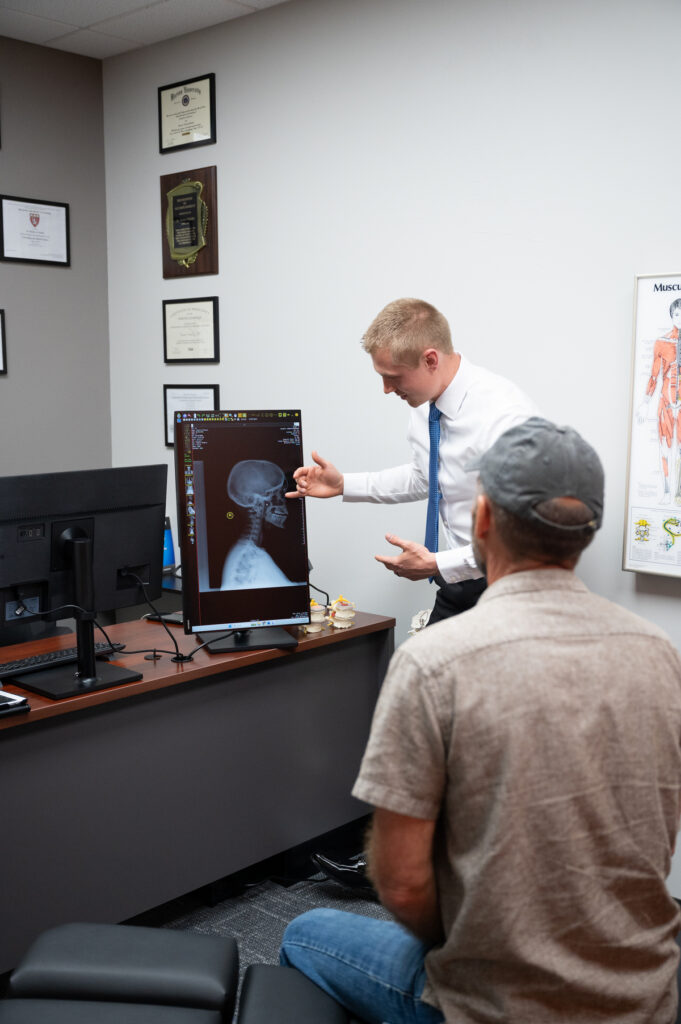

As a local chiropractor, I want to share some insights on how you can prevent back pain with simple lifestyle changes. Many people experience back pain, but often, it can be avoided by making a few adjustments in your daily routine. One key aspect is focusing on your posture. Ensuring that you sit and stand correctly can significantly reduce the strain on your back.
Incorporating regular stretches into your day is also crucial. This not only enhances flexibility but also helps keep your spine aligned. Choosing ergonomic furniture, such as chairs that support your lower back, can further alleviate discomfort and promote better spinal health.
Staying active is essential as well. Low-impact exercises, like walking or swimming, are great for maintaining a strong and healthy back. However, it’s important to consider other factors that contribute to your overall well-being. By adopting these effective strategies, you can enhance your health and support your spine, leading to a more pain-free life. Let’s work together to achieve this!
Understand the Importance of Good Posture
As a local chiropractor, I want to emphasize the vital role that good posture plays in maintaining a healthy spine and preventing back pain. Many people may not realize it, but how you sit, stand, or walk can significantly affect your overall well-being. Proper posture helps distribute your body weight evenly, which reduces strain on your muscles and ligaments. Conversely, slouching or hunching can lead to discomfort and pain over time.
To improve your posture, I recommend focusing on aligning your ears, shoulders, and hips in a straight line. When you’re sitting, choose a chair that provides adequate support for your lower back, and ensure your feet are flat on the floor. If you find yourself working at a desk, adjusting your monitor to eye level is crucial to avoid leaning forward, which can strain your neck and upper back.
When you’re standing, remember to keep your weight evenly balanced on both feet and avoid locking your knees. By being mindful of your posture throughout the day, you can significantly reduce your risk of back pain.
Good posture not only enhances your physical health but also boosts your confidence and energy levels. These simple changes can lead to substantial improvements in your overall well-being.
If you’re interested in learning more about how chiropractic care can support your journey to better posture and health, I’m here to help guide you.
Incorporate Regular Stretching Into Your Routine
As your local chiropractor, I want to emphasize the importance of incorporating regular stretching into your daily routine. This simple practice can significantly help in preventing back pain and enhancing your overall flexibility. Just a few minutes each day dedicated to stretching can improve your mobility and alleviate tension in your back muscles.
I recommend starting with gentle stretches such as the cat-cow or child’s pose. These movements are fantastic for elongating your spine and relieving stiffness that can build up over time.
It’s important to make stretching a habit, especially after prolonged periods of sitting or standing, as this can help prevent tightness and maintain muscle balance.
You don’t need any special equipment—your own body weight is sufficient for effective stretching. I encourage you to set reminders on your phone or integrate stretching into your daily activities, such as during coffee breaks at work.
As you continue to stretch consistently, you’ll likely notice a greater range of motion and an improvement in your posture.
Over time, these small, consistent efforts can play a significant role in your back health, making your daily activities much more comfortable.
Strengthen Core Muscles for Better Support
As a local chiropractor, I want to emphasize the importance of strengthening your core muscles for optimal back support and overall wellness. A strong core plays a crucial role in stabilizing your spine, which in turn enhances your posture and reduces the strain on your back.
This is particularly important for those who may not be familiar with chiropractic care or the benefits of natural healing.
Let’s delve into some effective core exercises that can significantly improve your daily comfort and help prevent back pain. By incorporating these exercises into your routine, you can foster a stronger foundation for your spine, leading to better alignment and health.
Importance of Core Strength
As a local chiropractor, I often see patients who are primarily focused on flexibility and posture when addressing their back pain. While these aspects are important, I want to emphasize the critical role that strengthening your core muscles plays in supporting your spine.
A strong core acts as a stabilizer for your pelvis and spine, significantly reducing the risk of injury during your daily activities. When your core is strong, it helps distribute your body weight evenly, which prevents unnecessary strain on your back. Conversely, if your core is weak, your body may rely on other muscles to compensate, which can lead to discomfort and pain.
Additionally, a robust core improves your balance and coordination, allowing for smoother and more efficient movements. By prioritizing core strength, you create a solid foundation that supports your entire body.
This not only promotes better posture but also decreases the likelihood of recurring back pain. I encourage you to start focusing on strengthening your core as part of your journey towards lasting relief and improved overall health. Embracing this aspect of wellness can make a significant difference in your chiropractic care experience and your everyday life.
Effective Core Exercises
As a local chiropractor, I often emphasize the importance of effective core exercises for building strength and stability in your midsection, which is crucial for overall spinal health. One of the best places to start is with planks; this exercise engages multiple muscle groups and helps improve your endurance.
For a specific focus on your obliques, I recommend adding side planks to your routine, as they enhance lateral stability and support your spine. Incorporating bridges into your exercises is also beneficial. This movement not only strengthens your glutes but also your lower back, providing better overall support for your spine.
Another excellent exercise is the bird-dog, which promotes balance and coordination while effectively engaging your core. Lastly, don’t overlook bicycle crunches; these target both your upper and lower abs, helping to create a well-rounded core workout.
I suggest aiming for two to three sessions per week and varying your routine to keep things fresh and challenging. Remember, consistency is essential. As you strengthen your core, you may notice a reduction in back pain and an improvement in your overall stability and well-being.
Embracing these exercises can be a natural way to enhance your health and complement chiropractic care.
Choose the Right Ergonomic Furniture
As your local chiropractor, I want to emphasize the importance of choosing the right ergonomic furniture to help prevent back pain.
Many people may not realize that the furniture we use every day can significantly impact our posture and overall comfort while working. Adjustable desks and chairs with proper support can create a healthier workspace, promoting better alignment and reducing strain on your back.
Investing in ergonomic tools isn’t just about comfort; it’s about setting the foundation for a healthier lifestyle.
When you prioritize your seating and work environment, you’re taking important steps toward maintaining good posture and minimizing discomfort.
Importance of Adjustable Desks
As a chiropractor, I often see the impact that prolonged sitting has on our bodies. This is where the significance of adjustable desks comes into play. They enable you to tailor your workspace to meet your individual comfort and support needs.
By having the option to alternate between sitting and standing, you can significantly reduce the strain on your back and encourage better posture. This movement throughout your day not only alleviates tension but also helps prevent discomfort that can arise from staying in one position for too long.
Adjustable desks are designed to accommodate your unique height and preferences, ensuring that your monitor and keyboard are positioned correctly. By prioritizing ergonomics in your workspace, you’re making a conscious choice for your long-term health.
Investing in an adjustable desk is a proactive step toward creating a workspace that enhances your productivity while also protecting your back from pain and discomfort.
As you explore options for your home or office, consider how an adjustable desk can support your overall well-being and align with the principles of natural healing that we promote in chiropractic care.
Supportive Chair Features
As a chiropractor, I want to emphasize the importance of selecting a supportive chair for your overall health and well-being, especially if you’re spending long hours sitting. A chair with proper lumbar support is essential; it helps cradle your lower back and maintain its natural curve, which is crucial for preventing back pain.
It’s also important to consider the height of the chair—adjustable seat height allows you to sit with your feet flat on the floor and your thighs parallel to the ground, promoting optimal posture.
Additionally, adjustable armrests can significantly reduce strain on your shoulders and neck, which is often a source of discomfort for many people.
Look for a seat cushion that promotes even weight distribution; this can further enhance your comfort and prevent pressure points.
Lastly, choose a chair made from breathable fabric to help keep you cool throughout your workday.
By incorporating these ergonomic features into your seating arrangements, you can create a healthier environment that supports your body, allowing for a more comfortable and productive experience.
Stay Active With Low-Impact Exercises
As a local chiropractor, I want to emphasize the importance of incorporating low-impact exercises into your daily routine. Not only do these activities help reduce the risk of back pain, but they also improve your overall fitness. Activities such as swimming, cycling, and walking are excellent choices. They not only strengthen your muscles but also enhance your flexibility and endurance without putting excessive stress on your joints and back.
I recommend aiming for at least 30 minutes of low-impact exercise most days of the week. If that feels daunting, you can break it down into shorter sessions that fit your schedule.
Additionally, consider joining a yoga or Pilates class. Both of these practices focus on building core strength and improving posture, which are vital for maintaining a healthy back.
It’s crucial to listen to your body during any physical activity. If you experience discomfort or something doesn’t feel right, don’t hesitate to modify your movements or reach out for professional advice.
Maintain a Healthy Weight
As a local chiropractor, I want to emphasize the importance of maintaining a healthy weight for your overall well-being and specifically for preventing back pain. Excess weight can place significant strain on your spine and its supporting structures, which can lead to discomfort and even injuries. When you carry extra pounds, the added pressure on your back can become problematic over time.
To help manage your weight, I recommend focusing on a balanced diet that includes plenty of fruits, vegetables, lean proteins, and whole grains. It’s wise to steer clear of processed foods and sugary beverages, as these can contribute to weight gain and negatively impact your health.
In addition to dietary changes, incorporating regular exercise into your routine is crucial. Aim for at least 150 minutes of moderate activity each week—activities like walking, swimming, or cycling are excellent options. Not only does this help you shed excess weight, but it also strengthens your core muscles, providing better support for your spine.
Don’t forget that staying hydrated and ensuring you get enough sleep are vital components of maintaining a healthy weight and promoting overall wellness.
Practice Mindfulness and Stress Management Techniques
As a chiropractor, I want to emphasize the importance of mindfulness and stress management techniques in your journey towards better health, especially when dealing with muscle tension and back pain.
Stress can significantly impact your physical well-being, leading to increased muscle tightness and discomfort. That’s why incorporating mindfulness practices into your daily life is crucial.
Start with simple mindfulness exercises; dedicate a few minutes each day to focus on your breath. This practice allows you to become aware of your thoughts and feelings without judgment, helping to reduce stress and promote relaxation.
Additionally, consider exploring activities like yoga or tai chi. These practices combine movement with mindfulness, which can improve your flexibility and help alleviate tension in your body.
Regular physical activity is also an excellent way to relieve stress, so I encourage you to find an exercise that you genuinely enjoy.
Don’t overlook the importance of self-care in your routine. Whether it’s reading a book, meditating, or enjoying a soothing bath, taking time for yourself is vital.
By prioritizing these mindfulness techniques, you can effectively manage stress and reduce back pain.
Conclusion
As a local chiropractor, I want to share some simple lifestyle changes that can help you prevent back pain and improve your overall well-being. One of the most important aspects is maintaining good posture throughout your daily activities. This can significantly reduce strain on your spine. Additionally, incorporating regular stretching into your routine can increase flexibility and alleviate tension in your back muscles.
Strengthening your core muscles is another critical factor in supporting your spine. A strong core helps stabilize your body and reduces the risk of injury. I also recommend investing in ergonomic furniture, as it can promote a healthier posture while you work or relax. Staying active with low-impact exercises, such as walking or swimming, can further enhance your spinal health.
Maintaining a healthy weight is essential, as excess weight can put additional stress on your back. Lastly, practicing mindfulness techniques can help you manage stress, which is often linked to muscle tension and discomfort.
By embracing these habits, you can not only alleviate existing back pain but also improve your overall quality of life. Remember, your back will thank you for taking these proactive steps toward better health! If you have any questions or need guidance on how to implement these changes, feel free to reach out.