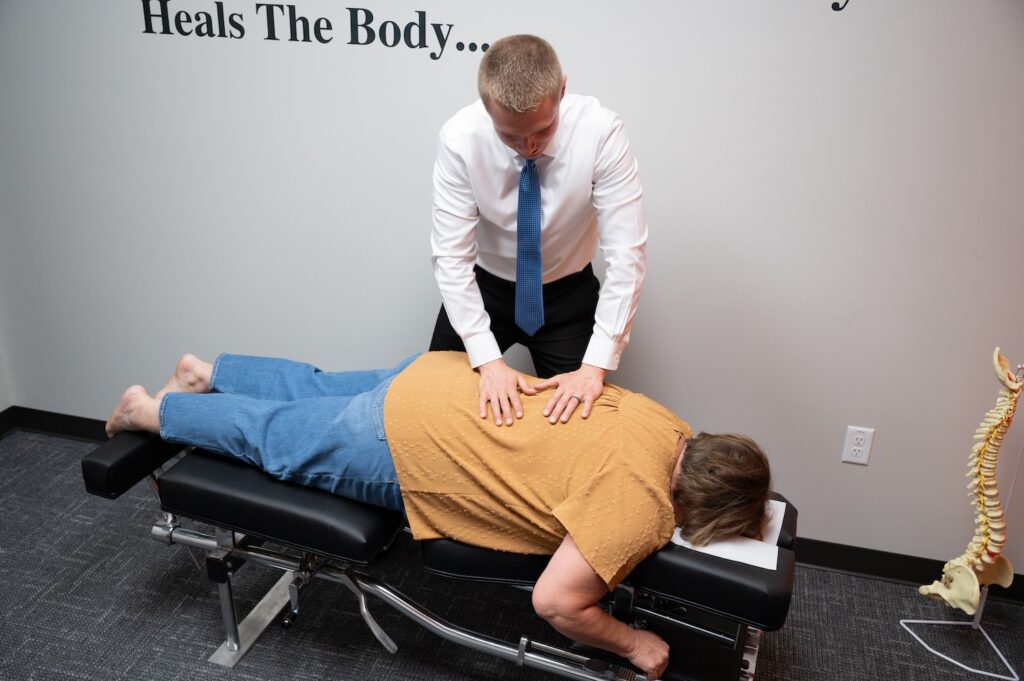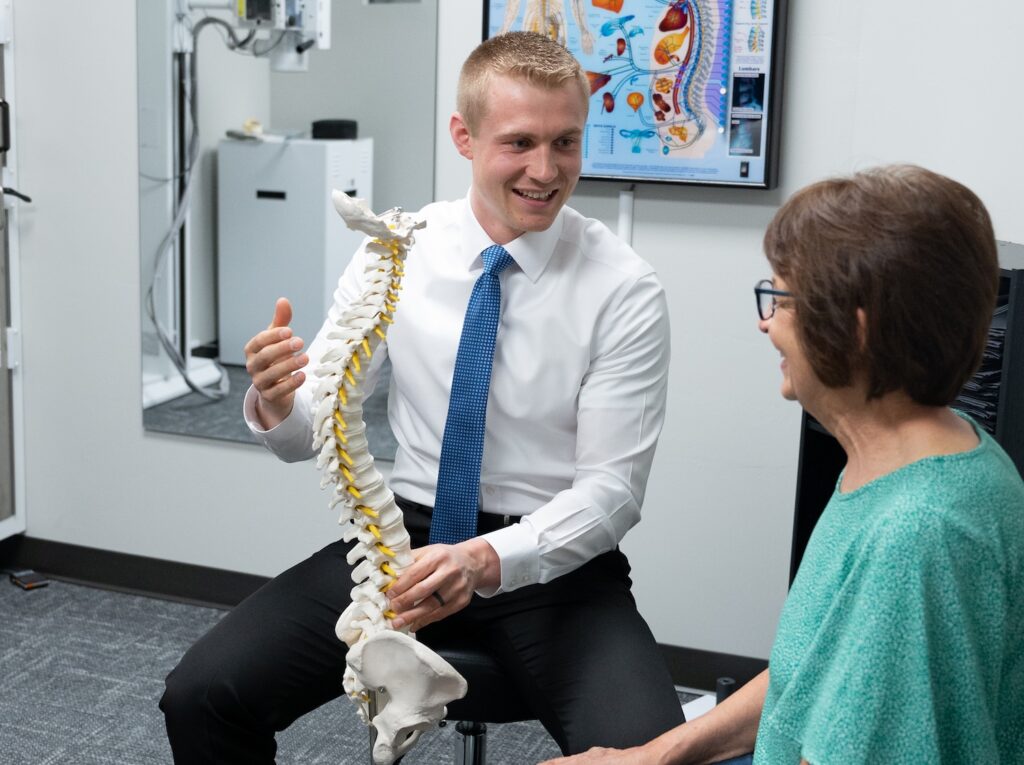

As a local chiropractor, I want to emphasize that good posture is not merely about standing tall; it is a crucial component of your overall health and well-being. Many people don’t realize that poor posture can lead to chronic back pain and ongoing discomfort that can significantly interfere with your daily activities. By familiarizing yourself with the basics of posture and incorporating some straightforward strategies into your routine, you can achieve remarkable improvements in your comfort levels.
Have you ever wondered how small adjustments to your posture can pave the way for a more comfortable, pain-free life? Let’s delve into ten effective secrets that can help you enhance your posture and alleviate back pain. Together, we can work towards a healthier, more vibrant you through the power of natural healing and chiropractic care.
Understand the Importance of Posture
As a local chiropractor, I want to emphasize just how crucial your posture is for your overall health and well-being. Many people are unaware, but good posture is fundamental in aligning your bones and joints, which helps to reduce strain on your muscles and ligaments. When you sit or stand properly, you’re less likely to experience discomfort and fatigue, which can significantly impact your daily life.
Posture isn’t just about comfort; it also affects your breathing. When you slouch, you limit your lung capacity, which can reduce oxygen intake and energy levels. This is particularly important because adequate oxygen supply is essential for both physical and mental performance.
Furthermore, I want to highlight how maintaining proper posture can positively influence your mood and confidence. Research indicates that standing tall can make you feel more empowered and alert.
As you go about your daily activities, I encourage you to be mindful of your posture and how it can enhance or hinder your performance. Poor posture can lead to chronic pain, especially in the back and neck, which can diminish your productivity and quality of life.
By consciously working to improve your posture, you’re making a valuable investment in your long-term health. It can boost your energy levels and enhance your overall quality of life.
Assess Your Current Posture
As a local chiropractor, I want to help you understand the importance of posture in your overall health. Many of us develop poor habits over time that can negatively impact our alignment and contribute to discomfort.
To begin improving your posture, it’s essential to assess your current habits. There are various posture assessment tools available that I can guide you through to help identify any misalignments or issues you may be facing.
By recognizing these problems, we can work together to create a personalized plan that focuses on achieving better alignment and alleviating back pain naturally.
Your journey to better posture and health starts with awareness, and I’m here to support you every step of the way.
Identify Poor Posture Habits
As a local chiropractor, I want to emphasize the importance of evaluating your posture to identify any poor habits that could lead to discomfort or pain down the line.
Start by taking a moment to observe yourself in different positions: when standing, sitting, and walking. Are your shoulders slouched? Is your head jutting forward? Do you find yourself crossing your legs while sitting or leaning heavily to one side? These common habits can place unnecessary strain on your back and neck.
It’s also crucial to pay attention to how long you remain in one position. Prolonged sitting, for instance, can exacerbate poor posture.
And let’s not forget about your workspace ergonomics—are your chair and desk set to appropriate heights for your body?
By identifying and acknowledging these habits, you can begin to make meaningful changes. Correcting poor posture is one of the first steps toward alleviating discomfort and enhancing your overall well-being.
Use Posture Assessment Tools
As your local chiropractor, I want to emphasize the importance of posture assessment tools in understanding and improving your alignment. These tools can offer valuable insights into how your body is positioned and help identify areas that may need attention.
One effective way to start is by utilizing apps or devices specifically designed for real-time posture analysis. Often, these tools use your smartphone’s camera or built-in sensors to provide you with immediate feedback about your posture.
In addition to these technological tools, I encourage you to consider posture checkers that can give you visual cues or reminders throughout your day. Simple self-evaluations can also be beneficial; for example, checking your alignment against a wall or using a mirror can help you become more aware of your posture.
Regularly assessing your posture is crucial, as it can increase your awareness of habits that may lead to discomfort and pain. By consistently tracking your progress, you can make the necessary adjustments and work towards achieving better posture, which can ultimately help reduce back pain and enhance your overall well-being.
Strengthen Your Core Muscles
As a local chiropractor, I want to emphasize the importance of strengthening your core muscles for better posture and to alleviate back pain. Many people think of their core as just their abdominal muscles, but it encompasses all the muscles surrounding your torso. A robust core acts as a stabilizer for your spine, supports your body in everyday movements, and helps maintain proper alignment.
To effectively strengthen these crucial muscles, I recommend integrating exercises such as planks, bridges, and abdominal crunches into your fitness routine. It’s beneficial to include a combination of stability and strength exercises that engage different areas of your core.
Keep in mind that focusing on proper form is essential; incorrect technique can lead to strain instead of relief. Consistency is vital for achieving results. I encourage you to allocate time each week specifically for core exercises, gradually increasing the intensity as your strength improves.
You’ll likely notice enhancements not only in your posture but also in your overall strength and endurance. By building a strong core, you’re laying the groundwork for a healthier back and a more confident stance.
If you have any questions or need personalized guidance, don’t hesitate to reach out—I’m here to help you on your journey to better health!
Incorporate Stretching Into Your Routine
As a local chiropractor, I want to emphasize that while strengthening your core is important, incorporating stretching into your daily routine is equally vital for maintaining proper posture and alleviating back pain.
Stretching not only enhances flexibility but also reduces tension and promotes better alignment, which can significantly ease discomfort in your body.
Here are three effective stretches that I recommend to my patients:
- Cat-Cow Stretch: Start on your hands and knees. Alternate between arching your back upwards (like a cat) and dipping it down (like a cow). This movement is excellent for mobilizing your spine and relieving tension.
- Child’s Pose: From a kneeling position, sit back on your heels, extend your arms forward, and gently lower your forehead to the ground. This position provides a soothing stretch for your back and hips, helping to release built-up stress.
- Standing Forward Bend: Stand tall with your feet hip-width apart, then slowly hinge forward at your hips, allowing your arms to hang towards the floor. This stretch is particularly effective for releasing tightness in your lower back and hamstrings.
Incorporating these stretches into your daily routine can greatly enhance your posture and contribute to reducing back pain.
As your chiropractor, I encourage you to make stretching a consistent part of your wellness journey for better overall health.
Optimize Your Workspace Ergonomics
As a local chiropractor dedicated to your well-being, I want to share some important tips on optimizing your workspace ergonomics to help you maintain good posture and prevent back pain. One of the first steps is to ensure your computer monitor is positioned at eye level. This helps you avoid straining your neck, which is crucial for maintaining spinal health.
Next, your keyboard and mouse should be placed close enough so that your elbows remain at a comfortable 90-degree angle. This arrangement reduces unnecessary reaching and encourages a relaxed posture, which is vital for your overall comfort.
It’s also important to make sure your feet are resting flat on the floor or on a footrest. This practice supports your lower back and promotes a stable base for your spine. If you frequently use documents while working, position them at the same height as your screen. This alignment helps to prevent awkward twisting movements that can lead to discomfort.
Adjusting your chair height is another key factor. Aim for your thighs to be parallel to the floor, which helps prevent pressure on your legs and supports your lumbar region.
Lastly, don’t forget to take regular breaks to stretch and move around. These small adjustments can greatly enhance how you feel throughout the day, making it easier to maintain better posture and significantly reducing the risk of back pain.
Use the Right Chair and Desk Setup
As a local chiropractor, I want to emphasize the importance of your chair and desk setup in maintaining good posture and preventing back pain. Many of my patients may not realize how much their workspace can impact their overall well-being.
Here are three crucial elements to consider when evaluating your setup:
- Chair Height and Support: It’s vital that your chair allows your feet to rest flat on the floor, with your knees bent at a 90-degree angle. A chair with adequate lumbar support is essential, as it helps to preserve the natural curve of your spine, reducing the risk of discomfort and injury.
- Desk Height: The height of your desk should allow your elbows to remain at a 90-degree angle when you’re typing. This positioning minimizes the strain on your shoulders and neck, which can contribute to tension and pain if not addressed.
- Monitor Position: Your monitor should be set at eye level and about an arm’s length away. Proper monitor positioning is key to reducing neck strain and promoting better posture, making it easier for you to maintain comfort throughout your workday.
By paying attention to these aspects of your workspace, you can significantly enhance your posture and overall health.
Practice Mindfulness and Body Awareness
As a chiropractor, I want to share how practicing mindfulness and body awareness can significantly improve your posture and help alleviate back pain. By becoming more attuned to your body’s signals, you can catch tension and discomfort early, before they develop into more serious issues.
I encourage you to take a few moments each day to focus on your breath. As you inhale and exhale, really pay attention to how your body feels. Are you slouching? Is there tension in your shoulders? These simple observations can lead to meaningful changes.
Throughout your day, make it a habit to check in with your posture. Are your shoulders rounded forward? Is your neck feeling strained? Don’t hesitate to make small adjustments when you notice these things. If you find yourself becoming distracted or stressed, take a brief pause to recenter yourself.
Incorporating mindfulness into your daily routine can be incredibly beneficial. This might include practices such as meditation, yoga, or even simple stretching exercises.
By developing this heightened awareness, you can maintain better alignment and significantly reduce the risk of discomfort.
Take Regular Breaks to Move
As a local chiropractor, I want to emphasize the importance of mindfulness and body awareness in maintaining good posture.
However, equally crucial is the practice of taking regular breaks to move your body. Prolonged sitting or standing can lead to muscle stiffness and joint discomfort, which can negatively impact your posture. To help counteract these issues, I encourage you to incorporate movement into your daily routine.
Here are three simple ways to take breaks and move that can benefit your overall well-being:
- Set a Timer: I recommend setting a timer to remind you to take a 5-minute break every hour. During this time, stand up, stretch, or take a short walk. This practice helps promote blood circulation and keeps your muscles active.
- Incorporate Stretching: Focus on stretches that specifically target your neck, shoulders, and back. These stretches can alleviate tension and support better spinal alignment, which is essential for maintaining a healthy posture.
- Change Positions: Try alternating between sitting and standing throughout your day. This simple change can significantly enhance your posture and decrease feelings of fatigue.
By integrating these movement strategies into your routine, you’ll not only improve your posture but also support your overall health and well-being.
Choose Supportive Footwear
As a local chiropractor, I want to emphasize the importance of supportive footwear for those of you who spend long hours on your feet. The right shoes can significantly impact your posture and help alleviate back pain, which is something I frequently see in my practice.
When choosing footwear, look for shoes that offer ample arch support and cushioning. It’s essential to avoid high heels and flat-soled shoes, as these can disrupt your body alignment and lead to discomfort.
Instead, I recommend selecting shoes designed for stability, particularly those with a wide toe box and good heel support, as these features promote better alignment and comfort.
It’s also crucial to consider your unique foot type. If you have flat feet or high arches, custom insoles or orthotics may be beneficial. These specialized inserts can enhance your comfort and support, helping you maintain proper alignment throughout the day.
Remember, the right footwear doesn’t just protect your feet; it plays a vital role in your overall body health. Taking the time to invest in supportive shoes can prevent back pain and contribute to your overall well-being.
If you’re unsure about what type of footwear is best for you, feel free to reach out during your next visit—I’m here to help!
Consult a Professional for Guidance
Understanding the right footwear is just the beginning when it comes to enhancing your posture and alleviating back pain. As a local chiropractor, I want to emphasize the importance of seeking professional guidance for a more comprehensive approach to your health.
Here’s how my expertise can help you:
- Posture Assessment: During your visit, I’ll conduct a thorough evaluation of your posture to identify any weaknesses or imbalances that may be contributing to your discomfort. This assessment is crucial for developing an effective treatment plan.
- Customized Exercises: Based on your unique situation, I can prescribe specific exercises designed to strengthen your core muscles and improve your flexibility. These exercises are tailored to your individual needs, ensuring a more personalized approach to your recovery.
- Ergonomic Advice: I can provide you with practical tips on how to set up your workspace and modify your daily routines to promote better posture and minimize strain on your back. Small changes in your environment can lead to significant improvements in your overall health.
Taking the initiative to consult with a chiropractor can lead to meaningful solutions and a more profound reduction in your back pain.
Conclusion
As a local chiropractor, I want to emphasize that improving your posture and alleviating back pain is something you can achieve with a few simple changes in your daily habits. Understanding the significance of posture is the first step. Take a moment to evaluate your current habits; you might be surprised at how they affect your spine health.
Strengthening your core is crucial, as a strong core supports your spine and enhances your overall posture. Incorporating stretches into your routine can also help maintain flexibility and reduce tension in your muscles. Additionally, optimizing your workspace is essential—ensure that your chair and desk are set up to promote good posture while you work.
Mindfulness throughout your day can help you stay aware of your posture and make necessary adjustments. Remember to take regular breaks to stand up, stretch, and move around; this can significantly reduce the risk of discomfort. Wearing supportive footwear is another key factor in maintaining proper alignment.
If you ever feel unsure about how to improve your posture or manage back pain, I encourage you to consult a professional. As a chiropractor, I can provide personalized guidance and treatment options to help you on your journey to better health. Start implementing these tips today, and you’ll likely notice a positive change in how you feel!