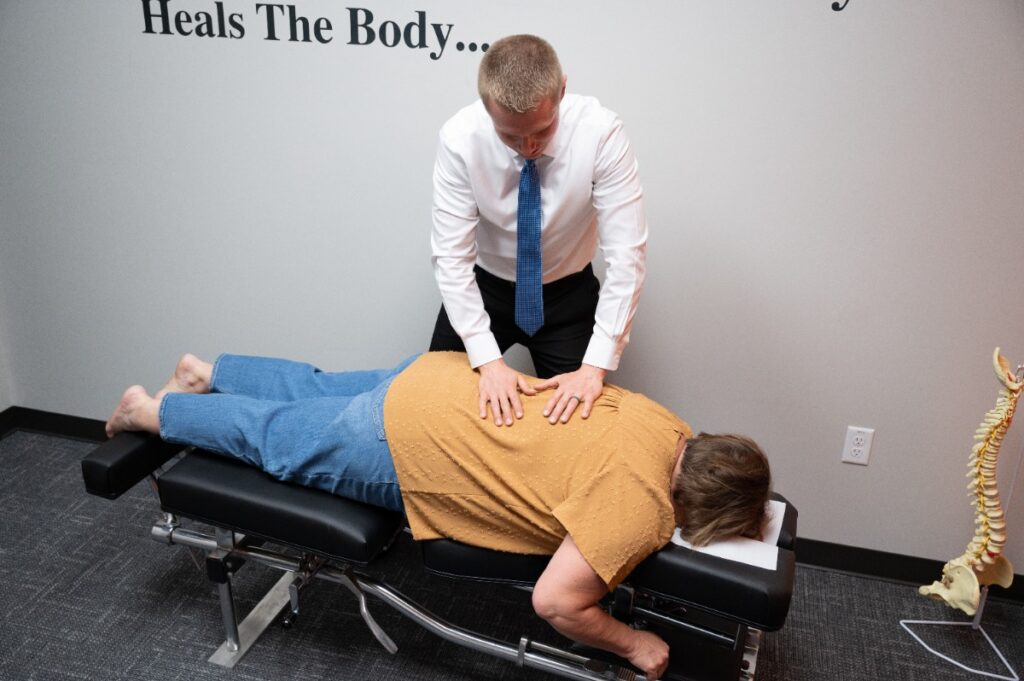
As a local chiropractor, it's essential to understand the unique needs of infants and toddlers when it comes to their health and well-being. Many parents may not be familiar with how chiropractic care can benefit their little ones, but I assure you that safe techniques can significantly enhance their comfort and cooperation during treatments.
From gentle adjustments to soothing methods for relieving discomfort, each approach is tailored with careful consideration for their developing bodies. When we create a calming environment in our practice, it fosters trust and allows for a more effective healing process.
So, what specific techniques can we implement to ensure the safety and well-being of your child? Let's explore some essential practices together, including gentle spinal assessments and age-appropriate exercises that promote optimal health. By embracing natural healing methods, we can support your child's growth and development in a safe and nurturing way.
Understanding Infant and Toddler Needs
As a local chiropractor, I want to emphasize the importance of understanding the unique needs of infants and toddlers, particularly in relation to their physical health and overall well-being. These little ones are still in the early stages of developing their physical, emotional, and cognitive skills, and a focus on their specific requirements can significantly enhance their growth and health.
Firstly, let's talk about their physical needs. Infants and toddlers require frequent feedings, adequate sleep, and consistent diaper changes to thrive. It's crucial to ensure that their environment is safe and stimulating, filled with age-appropriate toys that encourage exploration and learning. As their motor skills are still developing, close supervision is essential to prevent accidents and injuries.
From a chiropractic perspective, maintaining proper spinal alignment is vital for their development. Infants often experience tension or misalignment during birth, which can affect their nervous system. Gentle chiropractic adjustments can help alleviate discomfort and promote better physical function, allowing them to move and explore more freely.
Emotionally, toddlers need reassurance and affection as they navigate their feelings. They're learning to express themselves but may struggle with frustration and anxiety. Responding to their cues with patience and love fosters not just their emotional development but also their physical health. By creating a nurturing environment, we can help build their trust and security, which is essential for their overall well-being.
Cognitively, engaging with your child through conversation, reading, and interactive play is fundamental. These activities promote language skills and cognitive growth, and they can also support physical health by encouraging movement and coordination. Establishing simple routines helps toddlers feel secure, as consistency aids their understanding of the world around them.
It's important to recognize that infants and toddlers may not have the ability to articulate their needs clearly. They rely on caregivers to interpret their signals and provide for them. As a chiropractor, I believe that understanding their unique needs not only supports their physical development but also nurtures their emotional and cognitive growth.
Safe Feeding Practices
As a local chiropractor passionate about promoting holistic health, I want to emphasize the importance of safe feeding practices for your infant or toddler.
Just as we pay attention to the alignment of the spine and the overall well-being of our bodies, it's crucial to consider the right food textures that align with your child's developmental stage.
Using appropriate feeding equipment is just as vital—it can significantly enhance their mealtime experience and contribute to their overall health.
By ensuring that your little one is safely fed, you not only support their physical growth but also foster a positive relationship with food, which is essential in their early years.
Let's work together to create a nurturing environment that prioritizes safe and healthy feeding practices for your children!
Appropriate Food Textures
As you embark on the journey of introducing solid foods to your infant or toddler, it's crucial to understand the importance of appropriate food textures, much like how we approach healing and wellness in chiropractic care. Just as we gradually introduce movements and exercises to support spinal health, we need to carefully consider the textures of the foods we offer to our little ones to ensure safe and effective feeding practices.
Initially, babies begin with pureed foods, which are smooth and easy to swallow, akin to the gentle adjustments we provide to ease discomfort. As your child becomes more accustomed to eating solids, you can progressively introduce thicker textures, similar to how we gradually increase the intensity of exercises in chiropractic rehabilitation. This thoughtful progression helps to prevent choking and allows your child to adapt comfortably to various consistencies, much like how patients adapt to new movements.
When selecting food textures, it's essential to consider your child's age and developmental stage, just as we tailor our recommendations based on individual needs. For infants around six months, focus on finely pureed fruits and vegetables, which provide nourishment without overwhelming their developing systems.
As they grow and reach the seven to nine-month mark, you can start offering mashed foods or soft, small pieces of soft-cooked vegetables, paralleling how we introduce gentle stretches and exercises to enhance mobility.
By the time they're ten to twelve months old, most toddlers can manage small, bite-sized pieces of soft foods, like soft fruits and finely shredded meats—akin to when we encourage more complex movements that promote strength and stability.
Always supervise your child during mealtime, ensuring they're sitting upright and taking small bites, just as we advise maintaining proper posture during chiropractic treatments. If they show signs of struggle or discomfort, don't hesitate to revert to smoother textures until they're ready for more challenging foods.
Safe Feeding Equipment
As a chiropractor, I often emphasize the importance of holistic health practices, including safe feeding practices for infants and toddlers. Just like how we prioritize proper spinal alignment for overall wellness, choosing the right feeding equipment is crucial for your child's growth and development. It's essential to ensure that the tools you use are tailored for young children to support their health.
Opt for BPA-free bottles, spoons, and bowls to avoid exposing your child to harmful chemicals, similar to how we avoid toxins in chiropractic care. Soft, silicone spoons are gentle on your child's gums and can help prevent choking, much like ensuring proper posture can prevent injury.
When selecting bottles, look for ones with a wide neck for easy cleaning and filling, which aligns with the idea of maintaining a clean environment for optimal health. Sippy cups with handles are beneficial for promoting independence and reducing spills, paralleling how we encourage self-reliance in managing one's health.
It's important to regularly inspect feeding items for wear and tear, as any damaged equipment can lead to safety issues, just as we check for misalignments in the spine. Keeping everything clean and sanitized is crucial to prevent infections and maintain a healthy lifestyle.
Gradually introducing utensils allows your toddler to explore safe, age-appropriate tools and develop their feeding skills. This process mirrors how we guide patients in understanding their bodies and encouraging healthy habits.
Gentle Bathing Techniques
As a chiropractor, I often emphasize the holistic approach to caring for your little ones, and that includes the gentle art of bathing your infant or toddler. This essential routine can be a soothing experience for both you and your child, much like the gentle adjustments we provide in our office to promote comfort and well-being.
To ensure that bath time is enjoyable, it's crucial to prepare the bathing area in advance. Gather all necessary supplies—think of gentle baby soap, soft washcloths, and fluffy towels—similar to how we prepare for a chiropractic session by having everything ready for your comfort.
It's important to keep the room warm and free from drafts, enhancing your child's comfort much like maintaining the ideal environment during a treatment.
When it's time for the bath, fill the tub or basin with a few inches of warm water. Just as we check the alignment of the spine, you should also test the water temperature with your wrist; it should feel warm but never hot against your skin.
Support your baby's head and neck as you gently place them in the water, similar to how we support the body during adjustments. If you choose to use a bath seat, ensure it's secure and suitable for your child's age—safety first, just as it's in our practice.
As you wash, use a soft washcloth to gently cleanse their skin, starting with their face and moving downwards, being mindful of sensitive areas. Opt for a mild, tear-free soap to prevent irritation, much like we advocate for natural, non-invasive treatments that promote healing without discomfort.
Rinse thoroughly to ensure there's no soap residue left behind.
If your toddler is more independent, allow them to explore the water under your watchful eye—encouraging play is akin to fostering movement and freedom in our chiropractic sessions. However, always remind them about safety, especially when they're standing or moving around.
When bath time is over, carefully lift your child out of the bath and wrap them in a soft towel to keep them warm, much like how you'd provide comfort after a session.
Dry them gently, paying special attention to the creases and folds where moisture can linger. Remember, taking a gentle approach during bath time not only creates a positive experience but also fosters trust between you and your child—an essential component in both parenting and chiropractic care.
Effective Comfort Methods
As a local chiropractor, I often see parents seeking ways to soothe their infants or toddlers during challenging moments.
It's important to understand that the right comfort methods can make a significant difference in your child's well-being. Here are three effective techniques that can help comfort your little one, rooted in natural healing principles:
1. Gentle Rocking: Holding your child securely and rocking them back and forth can be incredibly beneficial. This rhythmic motion not only mimics the sensations they experienced in the womb but also promotes a sense of safety and security.
It can help alleviate stress and tension, which are often the root causes of discomfort.
2. Soft Singing or Humming: Your voice is a powerful tool in promoting calmness. Singing a lullaby or humming a gentle tune can create a soothing atmosphere.
The familiarity of your voice has a calming effect on children, helping to distract them from their distress and fostering a sense of relaxation.
3. Warm Compress: When your child is experiencing discomfort, applying a warm compress can provide significant relief.
Ensure the cloth is warm, but not too hot, to avoid any potential burns. Placing it on their tummy or back can help ease tension, promote relaxation, and enhance their overall comfort.
Administering Medication Safely
As a local chiropractor dedicated to promoting natural healing and wellness, I want to emphasize the importance of safety and care when it comes to administering any form of treatment, especially for infants and toddlers. Just like when giving medication, it's crucial to ensure that any chiropractic care or natural remedies you consider for your little ones are appropriate and safe.
First, always verify that you have the right approach for your child's specific needs. Consult with a healthcare professional to understand the best practices and treatments available. It's essential to read up on the methods you're considering and use tools and techniques that are specifically designed for children—never use adult methods without proper guidance, as this can lead to issues.
Creating a calm and reassuring environment is key. When introducing any form of care or treatment, hold your child securely and gently to help them feel safe and comfortable. If they show resistance, consider distracting them with a favorite toy or a soothing song. You might also allow them to hold a beloved stuffed animal, making the experience feel less intimidating.
When it comes time to administer any type of care, it's important to approach it with patience. If you're using tools or techniques, ensure they're applied gently and appropriately. If any treatments have an unpleasant sensation, check with your chiropractor or healthcare provider to see if there are more palatable options or methods.
Finally, after any treatment, stay close to your child to monitor how they respond. Be aware of any unusual behaviors or signs of discomfort. If you notice anything concerning, don't hesitate to reach out to your pediatrician or chiropractor for guidance.
Always keep your child's well-being at the forefront of your decisions, and educate yourself about the specific treatments you're considering. By taking these steps, you can ensure that your approach to natural healing and chiropractic care is safe and stress-free for your little ones.
Treating Minor Injuries
Minor injuries are a common part of childhood, and as a chiropractor, I want to help you understand how to manage them effectively using natural healing techniques.
Whether it's a scraped knee from a fall or a small bump on the head, prompt and appropriate treatment can significantly enhance your child's recovery.
Here's how you can approach minor injuries with confidence:
- Clean the Wound: Start by gently washing the affected area with soap and water. This step is crucial as it helps remove dirt and minimizes the risk of infection. Use a soft cloth or gauze, as this will help prevent any additional irritation to the skin.
- Apply a Natural Bandage: Once the area is clean, cover it with a suitable bandage. Opt for one that's breathable and appropriate for your child's age and activity level. Ensure that it's snug but not too tight—comfort is paramount, especially as your child heals.
- Monitor for Signs of Infection: Keep a close watch on the injury over the next few days. Look for signs of redness, swelling, or pus, which may indicate an infection. If you observe any of these symptoms, it's wise to consult a healthcare professional for further evaluation.
As a chiropractor, I also emphasize the importance of overall wellness in recovery.
Encouraging a healthy diet, proper hydration, and adequate rest will support your child's natural healing processes and strengthen their immune system.
Recognizing Signs of Illness
Recognizing signs of illness in infants and toddlers is crucial for their overall well-being, especially in the context of natural healing and chiropractic care. As a chiropractor, I understand that young children often can't express how they're feeling, so it's important for caregivers to be vigilant and observant.
Start by monitoring any changes in your child's behavior. If they seem unusually fussy, lethargic, or irritable, these could be signs that something isn't quite right. Behavioral changes can often be linked to discomfort or misalignments in the body, which is where chiropractic care can help.
Also, pay attention to their eating and sleeping patterns. A sudden decrease in appetite or trouble sleeping may indicate underlying issues. It's essential to keep track of their temperature as well; a fever can be an early sign of infection or distress. For infants, a rectal temperature exceeding 100.4°F (38°C) warrants concern and a consultation.
Inspect their skin for any rashes, discoloration, or unusual spots. Skin that appears pale or bluish may require immediate attention. Additionally, keep an eye on their respiratory health—symptoms like rapid breathing, wheezing, or labored breaths are red flags. If your child has a persistent cough or a runny nose that lasts longer than usual, seeking advice from a healthcare professional is advisable.
Don't overlook gastrointestinal symptoms either. Issues such as vomiting, diarrhea, or signs of dehydration—like a dry mouth or infrequent urination—can signal a more serious condition. Trust your instincts; if something feels off, it's always better to get a professional opinion.
In the realm of natural healing, chiropractic care can play a significant role in supporting your child's health. By ensuring proper spinal alignment, we can help promote overall wellness and enhance the body's ability to heal itself.
Creating a Safe Environment
Creating a safe environment for your children isn't only about physical safety but also about fostering their overall well-being, which is where chiropractic care comes into play.
As a local chiropractor, I want to emphasize the importance of a healthy spine and nervous system for your little ones.
Just like you childproof your home by identifying hazards and securing play areas, it's essential to ensure that their bodies are aligned and functioning optimally.
By promoting safe play zones that encourage movement and exploration, you can help support their physical development.
Regular chiropractic check-ups can help identify any misalignments or issues that may arise from their active lifestyles.
This proactive approach not only keeps them safe but also enhances their ability to explore the world around them freely and confidently.
Childproofing Your Home
As a local chiropractor, I want to emphasize the importance of creating a safe environment for your little ones, especially during their formative years when they're exploring their surroundings.
Childproofing your home is a crucial step in ensuring their safety and well-being, which can also contribute to their overall health as they grow. Here are three essential steps to help you establish a secure space for your children while promoting a healthy lifestyle:
1. Secure Heavy Furniture: Just as we emphasize proper alignment and stability for the spine, it's vital to anchor heavy furniture like bookshelves and dressers to the wall. This prevents tipping accidents, which can lead to injuries that might affect your child's physical development.
Keeping their environment stable supports their ability to explore safely.
2. Use Safety Gates: Installing safety gates at stairways and in doorways to areas that may pose risks is akin to creating boundaries for healthy movement. These gates allow your child to roam and discover while keeping them safe from potential hazards.
A secure environment promotes confidence in their physical abilities, which is essential for their motor skills.
3. Cover Electrical Outlets: Just as we safeguard our health by avoiding harmful substances, covering electrical outlets is a simple yet effective way to protect curious hands from potential dangers.
This step not only prevents accidents but also contributes to a more peaceful and relaxed atmosphere, allowing you to focus on nurturing your child's growth and well-being.
By taking these proactive steps, you can create a safe and supportive environment that nurtures your child's natural curiosity while prioritizing their health and safety.
Safe Play Areas
As a local chiropractor, I understand the importance of creating a safe environment for your children, especially as they explore and learn through play. A well-designed play area can significantly contribute to their physical well-being and development.
To foster a safe play environment, it's essential to select a space that's free from hazards. Make sure the area is clean, well-lit, and filled with age-appropriate toys that encourage healthy movement and engagement. Soft mats or carpets can provide cushioning, reducing the risk of injury from falls—something we always want to avoid, as even minor injuries can affect alignment and overall health.
Ensure that any furniture in the area is sturdy and features rounded edges to prevent bumps and bruises. Additionally, remove small objects that could pose a choking hazard, and keep cords or strings out of reach to prevent accidents. Utilizing barriers like gates can help limit access to potentially dangerous areas, such as stairs or rooms with heavy furniture, which can lead to falls and injuries.
Regular inspections of the play area are crucial. Look out for worn or broken toys and replace them as needed, as damaged items can lead to unexpected injuries. Encourage your child to play safely by teaching them to use toys as intended and to share with others, promoting not only physical safety but also social well-being.
Lastly, supervision is vital. Stay nearby to monitor their activities and be ready to intervene if necessary. By prioritizing safety in their play environment, you aren't only protecting them from immediate harm but also supporting their overall health and development, which is a key focus of chiropractic care.
Promoting Healthy Sleep Habits
As a local chiropractor, I understand the importance of healthy sleep habits for the overall well-being of infants and toddlers. Establishing a consistent bedtime routine is essential in promoting restorative sleep, which can significantly affect their physical health and development.
Children thrive on predictability, and by creating a soothing pre-sleep environment, you signal to them that it's time to relax and unwind. Here are three effective steps you can implement to enhance your child's sleep routine:
- Quiet Time: Start the bedtime routine with a gentle activity, such as reading a story or singing a lullaby. This calming approach helps to lower their energy levels and prepares their minds for a restful night's sleep. Remember, a calm mind is essential for both physical and emotional health.
- Comforting Environment: Ensure that your child's sleeping area promotes rest and relaxation. Dim the lights, maintain a comfortable room temperature, and consider using white noise to drown out disruptive sounds. A cozy and secure sleeping space can significantly contribute to better sleep quality, which is vital for their growth and healing.
- Consistent Sleep Schedule: Aim to put your child to bed and wake them up at the same time every day, including weekends. Consistency helps regulate their internal clock, making it easier for them to fall asleep and wake up feeling refreshed. This regularity not only supports their sleep patterns but also fosters a healthier lifestyle overall.
Conclusion
As a local chiropractor, I want to emphasize the importance of understanding the unique needs of infants and toddlers when it comes to their health and wellness. Chiropractic care can play a vital role in nurturing their development. It's essential to use gentle techniques that are specifically designed for young children, ensuring their comfort and safety throughout the process.
In our practice, we focus on safe and effective methods to support your little ones, including gentle adjustments that can help with common issues such as colic, sleep disturbances, and developmental milestones. It's crucial to create a calming environment, as this fosters trust and allows children to feel at ease during their visits.
When it comes to their health, early intervention is key. Being aware of any signs of discomfort or illness can lead to timely care that promotes better outcomes. Additionally, we encourage good sleep habits, as proper rest is foundational for their growth and well-being.
By embracing natural healing approaches and child-friendly techniques, we can help your infants and toddlers thrive, supporting their journey toward optimal health and recovery. If you have any questions about how chiropractic care can benefit your child, feel free to reach out for more information.