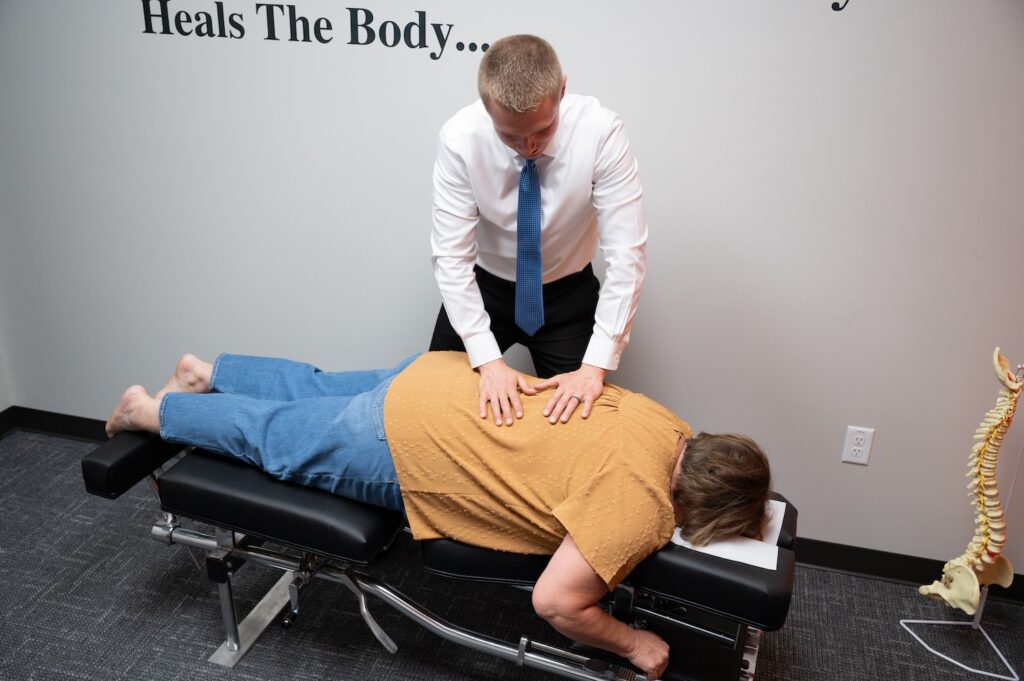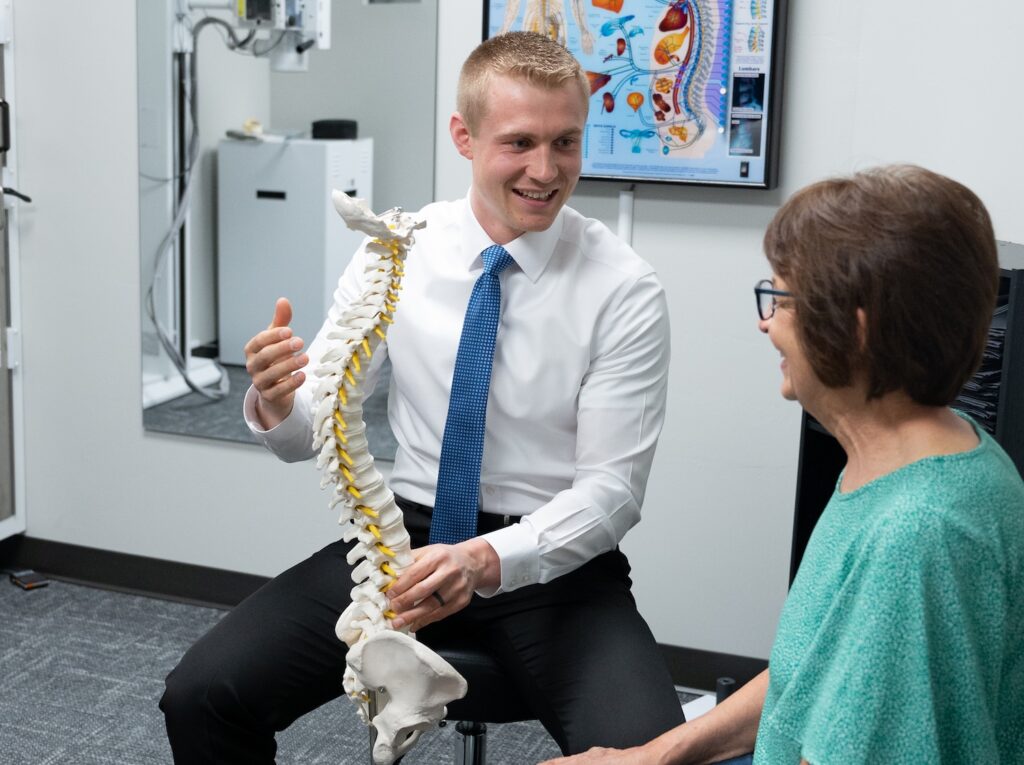

If you've ever found yourself dealing with upper back pain, you understand how it can interfere with your daily activities and overall quality of life. As a chiropractor, I want to help you understand the underlying causes of your pain and show you effective, natural strategies for relief.
It's essential to recognize that upper back pain can stem from various factors, including poor posture, muscle imbalances, and even stress. By exploring a combination of stretching techniques, strengthening exercises, and posture adjustments, we can work together to alleviate your discomfort.
Before embarking on any routine, it's important to have a clear understanding of the nuances of your pain and how it impacts your body. As we delve into the steps toward finding lasting relief, my goal is to empower you with knowledge about chiropractic care and natural healing methods that can enhance your overall well-being. Let's take this journey together towards a pain-free life!
Understanding Upper Back Pain
As a local chiropractor, I want to shed light on upper back pain, a common issue that many people experience. It can often feel like a heavy weight pressing down on your shoulders, making even simple tasks seem daunting. If you find it challenging to sit for extended periods or lift items without feeling discomfort, understanding the nature of this pain is crucial for finding relief.
The upper back, known as the thoracic spine, comprises twelve vertebrae that connect to your ribs. Unlike the lower back, which has more flexibility, the upper back is less mobile and therefore more susceptible to strain and injury. If you're experiencing tightness or stiffness in this area, it could be due to poor posture, prolonged sitting, or even emotional stress. Tension in your muscles can create a persistent feeling of pressure that affects your daily life.
It's important to recognize that upper back pain goes beyond just physical discomfort. It can also influence your mood and energy levels, contributing to feelings of fatigue or irritability. By understanding how this pain affects your overall well-being, you can place greater emphasis on self-care.
Listen to your body. If you notice a continuous ache or soreness, it's essential to address it rather than simply ignoring it. You don't have to endure this pain in silence; acknowledging it's the first step towards effective relief.
Incorporating daily stretches or gentle exercises can significantly alleviate tension. Additionally, making ergonomic adjustments to your workspace can create a more comfortable environment for your back.
As a chiropractor, I encourage you to take a proactive approach to upper back pain—doing so can lead to a healthier, more comfortable life. Remember, natural healing and chiropractic care can play a vital role in your journey towards relief and well-being.
Common Causes of Discomfort
As a local chiropractor, I want to shed some light on the common causes of discomfort in the upper back, as understanding these can significantly enhance your quality of life. One of the most prevalent issues I encounter in my practice is poor posture. Many people spend long hours hunched over their computers or smartphones, which places undue strain on the muscles in the upper back. Maintaining a neutral spine while sitting or standing is crucial to preventing pain and discomfort.
Muscle strain is another frequent contributor to upper back pain. Activities such as lifting heavy objects, twisting awkwardly, or even repetitive motions can lead to muscle strain, resulting in tightness and a persistent dull ache.
Additionally, stress is often a hidden factor that can exacerbate upper back discomfort. When the body is under stress, it tends to tense up, particularly in the shoulders and upper back, which can lead to increased pain.
Injuries from accidents or falls, such as whiplash, can also significantly impact your upper back. These injuries can disturb the balance of muscles and joints, leading to ongoing discomfort.
Furthermore, certain medical conditions like herniated discs or arthritis can present as upper back pain, making it essential to listen to your body and seek help when needed.
Lastly, a sedentary lifestyle can weaken your back muscles, increasing their susceptibility to pain. Incorporating regular physical activity into your routine can help strengthen these muscles and reduce discomfort over time.
As your chiropractor, I encourage you to be aware of these common causes, as addressing them is the first step towards finding relief and embracing a healthier, more active life. Together, we can create a personalized plan to alleviate your upper back pain and improve your overall well-being.
Stretching Techniques for Relief
As a local chiropractor dedicated to helping our community, I want to share some effective stretching techniques that can significantly relieve upper back pain.
Many patients may not realize how beneficial these simple stretches can be, along with proper breathing methods to promote relaxation.
By integrating these practices into your daily routine, you can take an active role in your healing process.
Let's explore these techniques together and work towards finding the relief you've been seeking!
Effective Upper Back Stretches
As a local chiropractor, I often see patients who experience tension and tightness in their upper back, which can lead to discomfort and restricted mobility. One of the most effective ways to alleviate this discomfort is by incorporating upper back stretches into your daily routine.
Let's start with a simple yet beneficial stretch known as the Cat-Cow stretch. Position yourself on all fours, and gently alternate between arching your back upward (this is the Cat position) and dipping it down toward the floor (the Cow position). This rhythmic movement not only enhances your spinal flexibility but also helps release built-up tension in the upper back.
Next, I recommend the Thread the Needle stretch. While in the same all-fours position, slide one arm under the opposite arm, allowing your shoulder and ear to rest on the ground. This stretch effectively targets the upper back and shoulders, providing much-needed relief.
Another excellent option for promoting upper back health is the Seated Forward Bend. Sit with your legs extended in front of you and gradually reach forward, aiming to touch your toes. This stretch encourages lengthening of the spine and helps alleviate tightness in the upper back.
Lastly, don't underestimate the power of the Shoulder Blade Squeeze. Whether sitting or standing, maintain a straight posture and pull your shoulder blades back and together, holding for a few seconds. This simple exercise strengthens the upper back muscles while also promoting better posture.
Incorporating these stretches into your daily routine can significantly help relieve upper back tension and discomfort. As your chiropractor, I encourage you to make these stretches a regular part of your self-care regime for optimal spinal health and overall well-being.
Breathing Techniques for Relaxation
As a local chiropractor, I often emphasize the importance of incorporating breathing techniques into your relaxation routine, especially when it comes to alleviating upper back pain. By being mindful of your breath, you create a soothing atmosphere that helps your muscles relax, ultimately enhancing the effectiveness of your stretching exercises.
Here are three valuable breathing techniques that can aid in your healing journey:
- Diaphragmatic Breathing: Begin by finding a comfortable position, whether sitting or lying down. Place one hand on your chest and the other on your belly. Inhale deeply through your nose, allowing your belly to rise while keeping your chest as still as possible. Then, exhale slowly through your mouth. Repeat this for about five minutes. This technique promotes deeper oxygen intake and encourages relaxation throughout your body.
- 4-7-8 Breathing: This method is fantastic for calming your nervous system. Inhale through your nose for a count of 4, hold that breath for a count of 7, and then exhale through your mouth for a count of 8. Practicing this technique can significantly reduce tension in your upper back, making it a perfect complement to your chiropractic care.
- Box Breathing: A structured approach to breathing can help center your mind and alleviate stress. Inhale for a count of 4, hold your breath for another count of 4, exhale for 4, and then hold again for 4. This rhythmic pattern not only promotes relaxation but also enhances your focus during stretching, supporting your overall healing process.
Daily Stretching Routine Tips
As a chiropractor, I often see patients struggling with upper back pain and stiffness, and I want to share how a consistent daily stretching routine can be a powerful tool in your recovery and overall wellness.
Starting your day with gentle stretches specifically targeted at the upper back can make a significant difference. Incorporate simple movements like the cat-cow stretch or thoracic spine rotation into your morning routine. These stretches are designed to loosen tight muscles and promote better mobility.
When stretching, hold each position for 15 to 30 seconds while focusing on deep, calming breaths. Pay attention to relaxing your shoulders and maintaining proper posture. You might also find the child's pose and doorway stretch beneficial, as they help to open up the chest and alleviate tension, allowing for improved alignment.
It's crucial to remember that stretching shouldn't be limited to just the morning. If you spend long hours sitting, make it a habit to take breaks every hour. Stand up and stretch your back, arms, and shoulders. This practice not only alleviates discomfort but also encourages better posture throughout your day.
As you wind down for the evening, consider incorporating calming stretches to release any built-up tension and prepare your body for a restorative night's sleep. The seated forward bend and gentle neck stretches can be particularly soothing.
Remember, consistency is key. By dedicating just a few minutes each day to stretching, you can experience significant improvements in your upper back pain and overall health. Stay committed to this practice, and your body will truly thank you!
If you have any questions about how chiropractic care can further support your journey to wellness, don't hesitate to ask.
Strengthening Exercises to Consider
As a local chiropractor, I want to emphasize the importance of incorporating strengthening exercises into your routine to effectively address upper back pain.
Many people may not realize how crucial these exercises are for building support and resilience in your back. I recommend considering resistance band exercises, bodyweight strength movements, and core stability workouts.
These targeted activities not only help improve your overall strength but also enhance your posture and mobility. By focusing on these exercises, you can take an active role in your healing journey and promote long-term wellness.
Resistance Band Exercises
As a chiropractor dedicated to helping my patients achieve optimal health, I want to share some valuable insights about how resistance band exercises can play a key role in alleviating upper back pain.
While many individuals tend to gravitate towards traditional weightlifting for strength training, resistance bands offer a gentle yet effective alternative that's easy on your joints. They're especially beneficial for those looking to strengthen their upper back and improve overall posture.
Here are three effective exercises I recommend incorporating into your routine:
- Seated Row: Begin by sitting on the floor with your legs extended in front of you. Loop the resistance band around your feet and grasp the ends. As you pull the band towards your torso, focus on squeezing your shoulder blades together. This exercise primarily targets the rhomboids, which are essential for maintaining good posture.
- Reverse Fly: Stand with your feet shoulder-width apart, holding the resistance band in front of you with both hands. Gently pull the band apart, keeping your arms slightly bent, until your arms are parallel to the ground. This movement effectively strengthens the upper back and deltoid muscles, contributing to better shoulder stability.
- Face Pull: To perform this exercise, anchor the resistance band at shoulder height. Grasp the ends with both hands and pull the band towards your face while keeping your elbows elevated. This exercise focuses on the upper trapezius and rear deltoids, promoting shoulder stability and reducing the risk of injury.
By integrating these resistance band exercises into your daily routine, you can't only help relieve upper back pain but also enhance your overall strength and well-being.
Bodyweight Strength Moves
As a local chiropractor, I often emphasize the importance of incorporating bodyweight strength moves into your daily routine to alleviate upper back pain and enhance overall strength.
These exercises effectively engage your upper back muscles without any equipment, making them easy to perform at home or anywhere.
Let's start with the push-up. This fundamental exercise not only targets your chest and arms but also plays a significant role in activating your upper back when done with the right technique.
I recommend aiming for three sets of 8-12 repetitions to build strength gradually.
Next, consider adding the plank to your regimen. This exercise stabilizes your entire body while promoting strength in your back.
Aim to hold the plank position for 30-60 seconds, and as you become more comfortable and stronger, you can increase your hold time.
Another beneficial exercise is the bird-dog. Begin on all fours, extend one arm forward while extending the opposite leg back, and hold that position for a few seconds.
Afterward, switch sides and repeat for three sets of 10-15 repetitions. This movement not only strengthens your back but also improves coordination.
Finally, let's not overlook wall angels. Stand with your back against a wall, and move your arms in a "W" shape, then slide them up to form a "Y."
This exercise is excellent for enhancing mobility and posture, which are crucial for maintaining spinal health.
Incorporating these bodyweight exercises into your routine can be a significant step toward alleviating discomfort and promoting a healthier back.
If you have any questions or need guidance on proper form, feel free to reach out during your next visit!
Core Stability Workouts
As a local chiropractor, I want to share the importance of core stability workouts for supporting your upper back and enhancing your overall posture. Strengthening your core muscles creates a solid foundation that reduces strain on your upper back, promotes better alignment, and can alleviate pain.
Here are three effective exercises I recommend incorporating into your routine:
- Plank: Begin in a push-up position, ensuring your body is straight from head to heels. Engage your core and hold this position for 30 seconds to a minute. The plank stabilizes your entire core, which includes your back, and can greatly benefit your posture.
- Bird-Dog: Start on all fours, placing your hands directly under your shoulders and your knees under your hips. Extend one arm forward while simultaneously extending the opposite leg back. Hold this position for a few seconds before switching sides. This exercise enhances balance and activates both your core and back muscles, which is essential for maintaining a healthy spine.
- Dead Bug: Lie on your back with your arms extended upwards and your knees bent at a 90-degree angle. Slowly lower one arm and the opposite leg towards the floor while keeping your core engaged, then return to the starting position. This movement builds coordination and effectively strengthens your core, which is crucial for proper spine support.
By incorporating these core stability workouts into your daily routine, you can significantly improve your upper back strength and help alleviate discomfort.
Posture Improvements for Prevention
As your local chiropractor, I want to emphasize the importance of good posture in preventing upper back pain. Proper alignment is essential, as it helps distribute your body's weight evenly and alleviates unnecessary strain on your muscles and spine. To start improving your posture, it's crucial to be mindful of your alignment throughout the day.
When standing, think about keeping your shoulders back and down, with your head aligned directly over your spine. This simple adjustment can make a significant difference.
While sitting, ensure your feet rest flat on the floor, your knees are level with your hips, and your back is adequately supported by your chair.
If you spend a lot of time at a desk, I recommend adjusting your workstation so your computer screen is at eye level. This will help you avoid leaning forward or looking down, both of which can contribute to discomfort and pain.
Make it a habit to take regular breaks to stretch and reset your posture, particularly if you've been sitting for extended periods.
Additionally, engaging your core muscles is vital for maintaining good posture. Incorporate exercises that strengthen your abdominal and back muscles, as these are key players in supporting proper alignment.
When lifting objects, always remember to bend at your knees rather than your waist. This technique helps keep your spine straight and minimizes the risk of strain.
To help reinforce these changes, consider setting reminders for yourself. You could use alarms on your phone or place sticky notes around your workspace to prompt you to check your posture throughout the day.
By making these small adjustments and developing healthier habits, you can significantly improve your posture and reduce the likelihood of experiencing upper back pain.
Lifestyle Changes for Better Health
As a local chiropractor dedicated to promoting natural healing and overall well-being, I want to share some simple yet effective lifestyle changes that can significantly enhance your health.
These modifications not only play a crucial role in alleviating upper back pain but also elevate your quality of life. Here are three key changes you can start implementing today:
1. Stay Active: Regular physical activity is essential for maintaining strong and flexible muscles, which can help prevent back pain.
Whether you prefer going for a brisk walk, practicing yoga, or engaging in strength training, finding an activity you enjoy can make all the difference.
Remember, movement is key to a healthy spine!
2. Prioritize Ergonomics: Your workspace setup can have a profound impact on your posture and spinal health.
I recommend using an ergonomic chair that supports your lower back, positioning your computer screen at eye level to avoid neck strain, and taking regular breaks to stretch.
These small adjustments can significantly reduce the stress on your back and promote better alignment.
3. Maintain a Healthy Weight: Carrying excess weight can add unnecessary strain to your back.
By focusing on a balanced diet rich in fruits, vegetables, lean proteins, and whole grains, you can achieve a healthy weight and provide your body with the essential nutrients it needs.
This not only supports your back but also boosts your overall health and vitality.
By implementing these changes, you can take proactive steps toward improving your spinal health and overall well-being.
As your chiropractor, I'm here to guide you through this journey towards a healthier lifestyle!
When to Seek Professional Help
As a local chiropractor, I want to help educate you on when it's important to seek professional help for upper back pain. Understanding the right time to reach out can significantly impact your recovery journey.
If your pain lingers for more than a few days despite trying home remedies, it's a clear sign that it's time to consult a healthcare professional like myself. Your body communicates with you, and prolonged discomfort may indicate an issue that needs to be addressed.
If you're experiencing sharp pain that hinders your daily activities, it's crucial to seek assistance. Pain that disrupts your ability to work, exercise, or manage everyday tasks is a signal that an evaluation is necessary.
Additionally, if your upper back pain radiates into your arms or legs, or if you start to feel numbness or tingling, these symptoms could suggest nerve involvement, which requires immediate attention.
Be mindful of any accompanying symptoms such as fever, unexplained weight loss, or difficulty breathing. These could point to more serious health concerns that need prompt evaluation.
If your pain follows an injury or trauma, please don't hesitate to reach out. You may have sustained a fracture or another injury that requires proper diagnosis and treatment.
Lastly, consider your overall health and any pre-existing conditions you may have. If you suffer from osteoporosis, have a history of cancer, or other chronic issues, it's wise to consult with a chiropractor sooner rather than later.
Seeking professional care can help you uncover the root cause of your pain and guide you toward natural healing and recovery. Remember, your health is a priority, and I'm here to support you on your journey to feeling your best!
Conclusion
As a local chiropractor, I want to share some valuable insights on how you can relieve upper back pain and maintain a healthier spine. Many of my patients have found that incorporating simple techniques into their daily routines can make a significant difference in alleviating discomfort and preventing future issues.
Understanding the root causes of your pain is crucial. Often, upper back pain arises from poor posture, muscle imbalances, or repetitive strain. By practicing effective stretches and strengthening exercises, you can support the muscles that stabilize your spine, promoting better alignment and function.
Improving your posture is another vital aspect of maintaining a healthy back. Being mindful of how you sit, stand, and move throughout the day can have a profound impact on your overall spinal health. Remember, consistency is key. Making small, mindful adjustments to your daily habits can lead to long-term relief.
If you find that your pain persists despite these efforts, I encourage you to seek professional help. As a chiropractor, I focus on natural healing methods that can help restore proper alignment and function to your spine. Together, we can create a tailored plan that addresses your unique needs and supports your journey to a more comfortable, pain-free life. Take charge of your well-being and embrace a healthier future!