You might not realize how much your spine affects your mental well-being, but spinal adjustments can play an essential role in alleviating anxiety. By restoring alignment and enhancing nervous system function, these adjustments can help reduce tension and promote a sense of calm. Many people find that incorporating chiropractic care into their wellness routine not only eases anxiety symptoms but also improves their overall mood. Curious about how this connection works and what the latest research reveals? There's more to explore about the benefits that could transform your approach to managing stress.
Understanding Anxiety and Its Effects
Anxiety affects millions of people worldwide, and it can have a profound impact on your daily life. You might experience racing thoughts, persistent worry, or physical symptoms like tension and fatigue. These feelings can interfere with your ability to concentrate, maintain relationships, or enjoy activities you once loved. Understanding how anxiety manifests is vital for managing its effects effectively.
You may notice that anxiety isn't just a mental experience; it often presents physical symptoms as well. You might've a rapid heartbeat, sweating, or even gastrointestinal issues. These symptoms can create a vicious cycle—anxiety causes physical discomfort, which in turn heightens your anxiety. Recognizing this connection can help you address both the emotional and physical aspects of your anxiety.
In social situations, you might feel overwhelmed by fear of judgment or embarrassment, leading you to avoid gatherings altogether. This avoidance can isolate you and exacerbate feelings of loneliness. It's important to acknowledge these patterns and understand that they don't define who you are.
Additionally, anxiety can affect your sleep, leading to fatigue and irritability during the day. You might find it hard to fall asleep or stay asleep, which only compounds your anxiety. By being aware of these effects, you can begin to take proactive steps to address them.
Understanding anxiety allows you to identify triggers and develop strategies to cope, ultimately paving the way for a healthier, more balanced life.
How Spinal Adjustments Work
When you think about spinal adjustments, it's vital to understand how they impact your body. Spinal adjustments primarily focus on realigning the vertebrae in your spine. These adjustments help restore proper function to your nervous system, which is essential for overall health. When your spine is misaligned, it can put pressure on nerves, leading to various physical and mental symptoms, including anxiety.
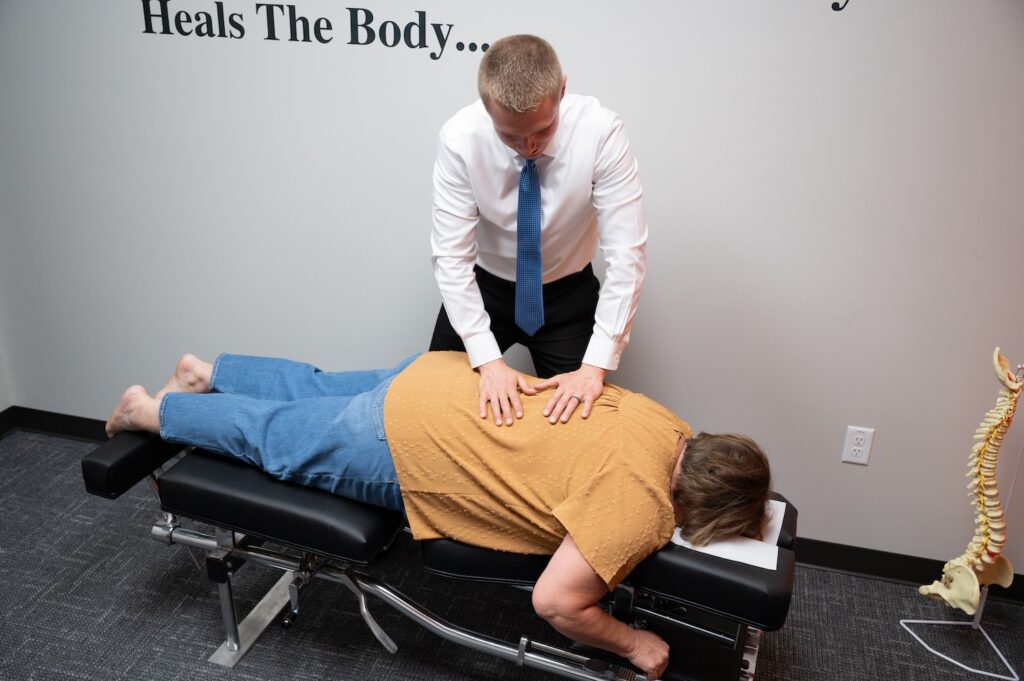
During an adjustment, a chiropractor applies controlled force to specific areas of your spine. This manipulation helps improve the range of motion and reduces tension in the muscles surrounding the spine. As the vertebrae shift back into place, blood flow increases, promoting healing and balance throughout your body. You might notice an immediate sense of relief as pressure is alleviated, allowing your body to function more effectively.
Additionally, spinal adjustments can enhance communication between your brain and body. This improved communication helps regulate your body's stress response, which is vital in managing anxiety. When your nervous system operates efficiently, you may feel more relaxed and centered.
Regular spinal adjustments can also help maintain proper alignment, reducing the risk of future misalignments. By keeping your spine healthy, you're not just preventing discomfort; you're also fostering a more resilient state of mind.
Embracing spinal adjustments as part of your wellness routine can make a significant difference in how you cope with anxiety and overall stress in your life.
The Connection Between Spine and Mind
Many people don't realize the profound connection between the spine and the mind. Your spine isn't just a structural support for your body; it's also a crucial pathway for your nervous system. When your spine is misaligned, it can impact the way your brain communicates with the rest of your body. This miscommunication can lead to increased stress and anxiety levels.
Think about it: your spine houses the spinal cord, which transmits signals between your brain and various parts of your body. If there's interference in this communication, it can manifest as emotional and mental health issues. You might find yourself feeling more anxious or overwhelmed due to this disconnect.
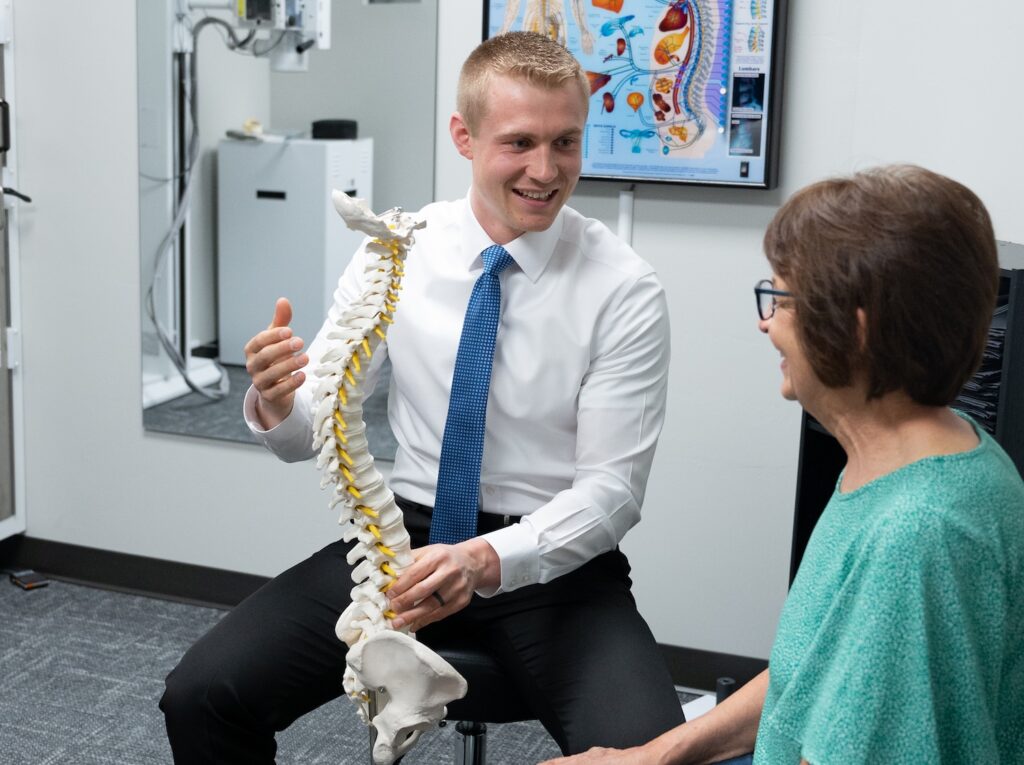
Chiropractic care aims to restore proper alignment to your spine, allowing for better communication between your mind and body. When your spine is in alignment, you're likely to experience reduced tension, improved mood, and a greater sense of well-being. You may even notice that your ability to cope with stress improves considerably.
Additionally, as tension in your spine decreases, you may find it easier to engage in mindfulness and relaxation techniques. This can create a positive feedback loop, where a healthier spine leads to a calmer mind, which in turn promotes better physical health.
Ultimately, recognizing the link between your spine and mind can empower you to take control of your mental health. Regular spinal adjustments can be a key component in achieving overall wellness and reducing anxiety.
Scientific Studies on Chiropractic Care
Research consistently highlights the effectiveness of chiropractic care in promoting overall health and well-being. Numerous scientific studies have explored how spinal adjustments can alleviate various ailments, including anxiety. For instance, a study published in the Journal of Manipulative and Physiological Therapeutics found that patients receiving chiropractic adjustments reported a significant reduction in anxiety levels. This suggests that spinal realignment may play an essential role in helping you manage stress and anxiety.
Another compelling study from the Journal of Chiropractic Medicine examined the effects of chiropractic care on individuals suffering from chronic pain. Participants who received regular adjustments noted not only physical relief but also improved emotional health. This connection underscores how addressing spinal misalignments can lead to a more balanced mental state.
You might also find it interesting that a systematic review conducted by the Cochrane Collaboration assessed the impact of chiropractic care on various health conditions. The review concluded that spinal manipulation could provide effective relief for specific issues, further supporting its role in overall wellness.
Moreover, emerging research suggests that chiropractic adjustments may influence the body's nervous system. By reducing tension in the spine, you may experience improved communication between your brain and body, which can help alleviate anxiety symptoms.
In short, these studies provide compelling evidence that chiropractic care can enhance both physical and mental health, making it a valuable approach for those seeking relief from anxiety and other related conditions.
Incorporating Adjustments Into Your Routine
How can you seamlessly incorporate spinal adjustments into your daily routine? The key lies in consistency and making adjustments part of your lifestyle. Start by scheduling regular appointments with your chiropractor. Aim for a frequency that suits your needs, whether it's weekly, bi-weekly, or monthly. Having a set schedule not only helps you remember your sessions but also allows you to track your progress over time.
Next, look for ways to enhance the benefits of your adjustments outside of the clinic. Incorporate stretching and strengthening exercises into your daily regimen. Simple activities like yoga or Pilates can complement your adjustments, keeping your spine flexible and strong. You can even set reminders on your phone to help you stay committed to these exercises.
Don't forget to pay attention to your posture throughout the day. Practice good ergonomics, whether you're sitting at a desk or standing. Proper alignment can reduce stress on your spine and support the work your chiropractor does during adjustments.
Lastly, consider integrating mindfulness or relaxation techniques into your routine. Practices like meditation or deep-breathing exercises can help you manage anxiety and stress, which often contribute to spinal tension.
Conclusion
Incorporating spinal adjustments into your wellness routine can be a game-changer for managing anxiety. By restoring alignment and enhancing nervous system function, you're not just relieving physical tension; you're also improving your emotional well-being. With regular chiropractic care, you can experience a significant reduction in anxiety symptoms, leading to better stress management and an overall improved mood. Embrace these adjustments as an essential tool in your journey toward a more balanced and mindful life.