
If you're experiencing sports-related back pain, you're certainly not alone. As a local chiropractor, I want to emphasize the importance of understanding your options for relief through natural healing methods. Effective stretching techniques, core strengthening exercises, and the use of proper equipment can play a significant role in your recovery. Many patients are surprised at how simple adjustments in their daily routine can reduce discomfort and even enhance athletic performance.
Incorporating targeted stretches and strengthening exercises can help stabilize your spine and support your overall back health. Additionally, ensuring that you're using the right equipment tailored to your needs can prevent further injury and promote healing.
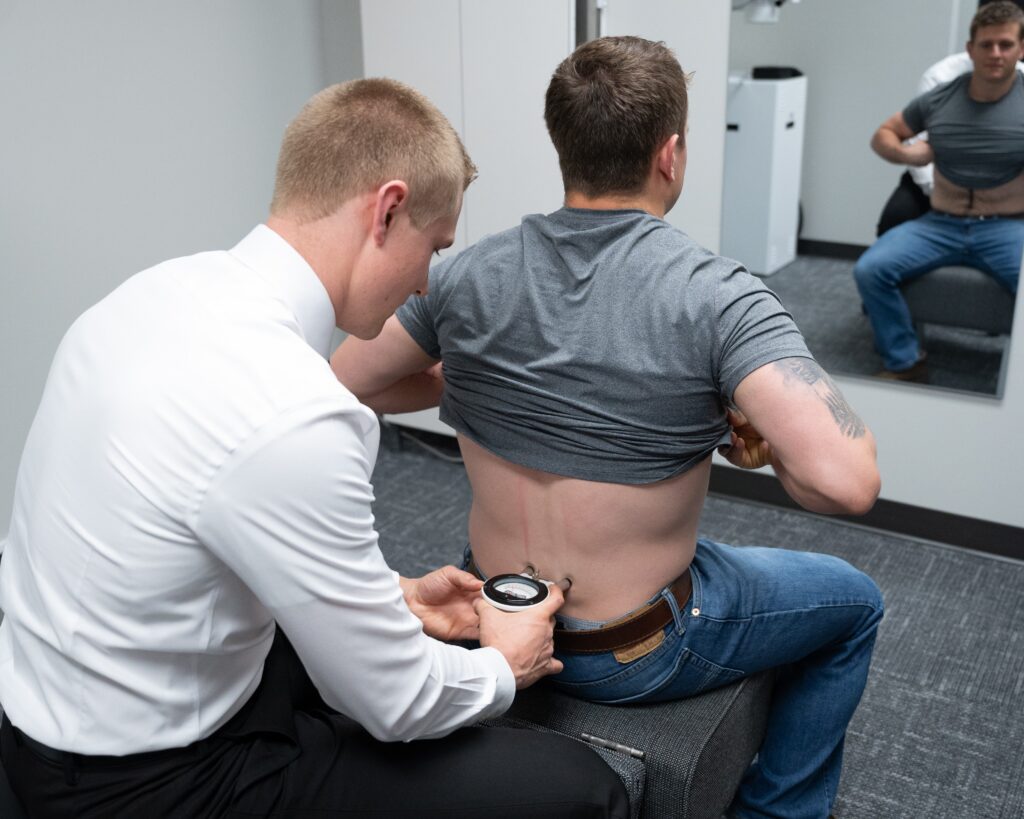
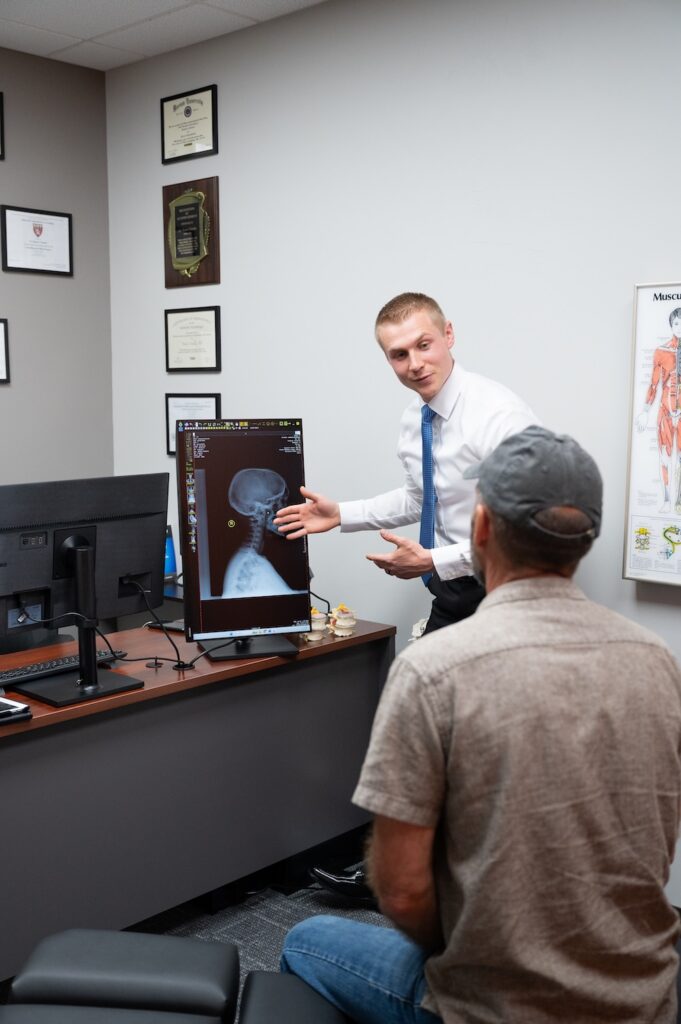
However, if your pain persists despite these efforts, it may be time to consult a professional. Chiropractic care focuses on the relationship between your spine and nervous system, promoting natural healing and pain relief without the use of medications.
What steps can you take today to start your journey toward feeling better? Let's explore how we can work together to alleviate your pain and improve your performance naturally.
Understanding Sports-Related Back Pain
As a local chiropractor, I often see patients from all walks of life who experience sports-related back pain, whether they're casual weekend athletes or dedicated professionals. This type of pain can arise from various factors, such as poor posture, improper lifting techniques, or even pushing yourself too hard during training.
When you exceed your body's limits, it can respond with discomfort that varies from mild soreness to sharp, debilitating pain. Understanding the root causes of this pain is crucial for both managing it and preventing future occurrences.
One of the most common culprits of back pain in sports is muscle strain. After an intense workout, you may notice certain muscles in your back feeling tight or sore. This strain often results from inadequate warm-ups or using muscles that haven't been adequately conditioned for the activity at hand.
It's essential to ensure your body mechanics are aligned during physical activities like running or lifting to avoid placing unnecessary stress on your back.
In addition to muscle strain, injuries such as herniated discs or fractures can lead to significant discomfort. Sometimes, the effects of these injuries mightn't be immediately felt, but they can develop over time, particularly if early warning signs are overlooked.
As a chiropractor, I emphasize the importance of recognizing these signs early on, as addressing them promptly can prevent them from escalating into more severe issues.
Moreover, it's vital to consider the psychological aspect of sports-related pain. Stress and anxiety can contribute to muscle tension, exacerbating your back pain.
By understanding the connection between your physical exertion and mental well-being, you can take a more holistic approach to managing sports-related back pain.
If you're experiencing discomfort or simply want to learn more about how to maintain your back health, I encourage you to explore chiropractic care.
Together, we can work towards a natural healing process that promotes your overall well-being and helps you enjoy your favorite sports without pain.
Effective Stretching Techniques
As a local chiropractor, I want to emphasize the importance of incorporating effective stretching techniques into your daily routine. Many people underestimate how stretching can play a crucial role in reducing the risk of back pain and enhancing overall athletic performance. By maintaining flexibility, increasing blood flow to your muscles, and improving your range of motion, you can significantly lower your chances of injury.
Before starting any workout, it's beneficial to engage in dynamic stretches. Movements such as leg swings, arm circles, and torso twists are fantastic for warming up your muscles and preparing your body for activity. These types of stretches help activate your core and back, leading to reduced stiffness and a greater readiness for physical exertion.
Once you've completed your workout, it's time to shift your focus to static stretches. These are essential for improving flexibility and aiding in recovery. Stretches like the seated forward bend, cat-cow stretch, and child's pose are excellent choices. Aim to hold each stretch for 15-30 seconds while breathing deeply to promote relaxation.
It's important to pay special attention to your hamstrings, hip flexors, and lower back, as these areas can often lead to discomfort and pain.
Listen to your body during stretching. If you feel any sharp pain, it's crucial to ease off and adjust your position. You should experience a gentle pull, but nothing that feels uncomfortable.
Remember, consistency is key. I encourage you to stretch regularly, ideally every day, to fully benefit from these practices.
As your chiropractor, I'm here to guide you through these techniques and help you understand how they can support your journey toward improved health and wellness.
Strengthening Your Core
As a local chiropractor dedicated to your well-being, I want to emphasize the importance of strengthening your core to effectively combat back pain and enhance your athletic performance. Many people believe that having a strong core is just about achieving a six-pack, but it's so much more than that.
Your core serves as the foundation of your body's stability and strength, playing a crucial role in supporting your spine, reducing injury risk, and improving overall movement efficiency in physical activities.
To help you incorporate core-strengthening exercises into your routine, here are some effective options that I often recommend to my patients:
- Planks: This isometric exercise engages multiple muscle groups, building both endurance and strength in your core. It's a great way to start your journey toward a stronger foundation.
- Russian Twists: Focusing on rotational strength, this exercise is essential for many sports and activities, allowing you to change direction quickly and efficiently.
- Bridges: By strengthening your glutes and lower back, bridges create a solid base for your core, which in turn supports your spine and overall posture.
- Bicycle Crunches: This dynamic exercise activates your entire core, improving both strength and coordination, which are vital for athletic performance.
Incorporating these exercises into your daily routine can significantly alleviate back pain and enhance your overall athletic capabilities.
I encourage you to aim for consistency and gradually increase the intensity and duration of your workouts. However, it's crucial to maintain proper form throughout each exercise to maximize benefits and minimize the risk of injury.
As your chiropractor, I'm here to support you on this journey. By dedicating time to strengthen your core, you'll build a resilient foundation that not only supports your athletic endeavors but also contributes to your overall health and wellness.
If you have any questions or need personalized guidance, please don't hesitate to reach out!
Proper Equipment Usage
As a local chiropractor, I want to emphasize that a strong core is just one aspect of preventing back pain and enhancing your athletic performance. Equally important is the use of the right equipment. When you participate in sports, the gear you select can significantly impact your comfort and safety.
First, let's talk about footwear. Wearing shoes that don't fit properly can lead to poor posture and misalignment, which can place unnecessary stress on your back. It's crucial to choose shoes that are specifically designed for your sport, as they offer the necessary support and cushioning that your body requires.
Next, consider the equipment you use, whether it's a racket, bat, or ball. Utilizing gear that matches your size and skill level can't only enhance your performance but also minimize the risk of injury. For example, swinging a racket that's too heavy can strain your back with each hit. Make adjustments to your equipment to align with your physical capabilities and the demands of your sport.
Don't forget about protective gear. A well-fitted back support or brace can provide additional stability during high-impact activities. Also, ensure that your equipment is well-maintained; regularly inspecting for wear and tear is important. Using broken or damaged gear can lead to awkward movements, which can increase the likelihood of back pain.
Lastly, it's vital to learn and practice proper techniques when using your equipment. Whether you're lifting weights or swinging a golf club, using the correct technique can significantly reduce the strain on your back.
When to Seek Professional Help
As a local chiropractor, I want to emphasize the importance of recognizing when it's time to seek professional help for managing sports-related back pain. Ignoring persistent discomfort can lead to more serious complications later on.
Here are some key signs to look out for that suggest you should consult with a healthcare professional, like a chiropractor:
- Pain that lasts more than a few days: If your back pain lingers despite your efforts to rest and care for yourself, it's crucial to get a thorough evaluation. Chronic pain can often be a sign of underlying issues that need attention.
- Radiating pain or numbness: Experiencing pain that spreads to your legs or arms, or sensations of tingling or numbness, shouldn't be ignored. These symptoms can indicate nerve involvement, and it's essential to address them promptly.
- Loss of mobility: Struggling to bend, lift, or straighten up can be a sign of a more serious condition. A professional assessment can help identify any misalignments or injuries that might be contributing to your mobility issues.
- Inability to perform daily activities: If your back pain is affecting your ability to engage in sports or complete everyday tasks, it's time to reach out for support. Chiropractic care can provide effective relief and help restore function.
When you come to see me, I'll evaluate your symptoms and can recommend a personalized treatment plan. This may include chiropractic adjustments, physical therapy techniques, or lifestyle modifications to promote healing.
Remember, addressing your back pain early can prevent further injury and facilitate a quicker recovery. Don't let discomfort hold you back from your favorite activities; take proactive steps to prioritize your health.
I'm here to support you on your journey to wellness and ensure you can continue doing what you love.
Conclusion
As a local chiropractor, I want to help you understand how to effectively manage sports-related back pain through natural healing methods. Taking a proactive approach is key. Incorporating both dynamic and static stretching into your routine can significantly improve flexibility and reduce discomfort. Strengthening your core is essential; a strong core supports your spine and can prevent injuries.
It's also important to use the right equipment when engaging in sports. Proper footwear and gear can make a big difference in how your body handles physical activity. Pay close attention to your posture during both sports and daily activities, as good posture is fundamental in preventing pain.
Listening to your body is crucial. If you experience persistent pain, it may be time to seek professional help. Chiropractic care can provide targeted relief and address the underlying issues contributing to your discomfort. By taking these steps, you not only support your recovery but also help prevent future injuries, enabling you to remain active and enjoy the sports you love. Remember, natural healing is a journey, and I'm here to support you every step of the way.