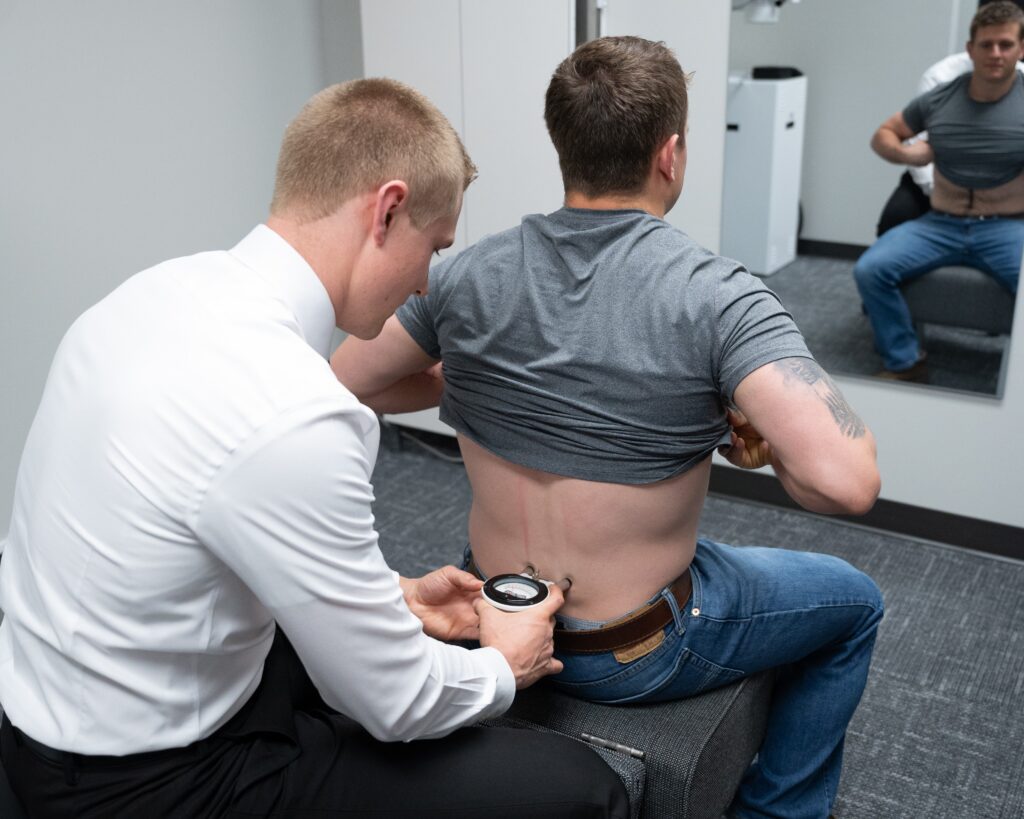

As a local chiropractor, I often see patients who are struggling with upper back discomfort, and I want to reassure you that you're not alone in this experience. Many individuals face this issue due to a combination of poor posture, stress, and a sedentary lifestyle. Understanding the underlying causes of your discomfort is crucial for finding effective relief.
One of the first steps we can take is to address your posture. Many people are unaware of how their daily habits, whether at work or home, can contribute to their upper back pain. I recommend making ergonomic adjustments to your workspace, which can significantly alleviate strain on your back.
In addition to posture, incorporating targeted exercises into your routine can be incredibly beneficial. Simple stretches and strengthening exercises can help improve your back's flexibility and stability.
But you might be wondering, what specific techniques can you implement to truly make a difference in your daily life? That's where I come in. Together, we can explore personalized strategies that will not only help relieve your discomfort but also promote lasting improvement in your overall well-being. Let's work together to enhance your posture, reduce your stress, and increase your mobility through natural healing methods.
Common Causes of Discomfort
As a local chiropractor, I often see patients struggling with upper back discomfort, and it's important to recognize the common causes behind this issue. One significant factor is poor ergonomics, especially for those of you who spend long hours at a desk. If you're hunched over your computer without proper support, it can lead to unnecessary strain on your upper back muscles.
Many people don't realize how their workspace setup can contribute to muscle tension and pain.
Muscle strain is another frequent cause of upper back discomfort. This can happen after lifting something heavy or starting a new exercise routine that your body isn't used to. Additionally, repetitive movements, particularly those that involve awkward positions, can cause ongoing discomfort over time.
Let's not forget about stress. When you're feeling stressed, your body tends to tense up, which can lead to tightness in your upper back muscles. You might notice that during overwhelming times, your back might ache more than usual.
Inactivity is another contributor to upper back issues. Spending long periods sitting without moving can weaken your muscles and reduce flexibility, making them more susceptible to injury. I always encourage my patients to incorporate regular movement into their day to combat this problem.
Lastly, underlying health conditions, such as herniated discs or arthritis, can also result in upper back discomfort. If you find that your pain persists, it's essential to consult a healthcare professional, like a chiropractor, who can help assess your situation and rule out any serious issues.
Understanding these common causes is the first step towards finding relief and improving your overall well-being. As a chiropractor, I'm here to guide you on your journey to better spinal health and natural healing.
Importance of Proper Posture
As a local chiropractor, I want to emphasize the importance of maintaining proper posture for your overall health and well-being. Many people may not realize that good posture is crucial in preventing upper back discomfort and supporting the health of your spine.
When you adopt proper posture while sitting, standing, or moving, you help evenly distribute your body weight across your spine, which can significantly reduce the risk of strain and injury. It's essential to be aware of your posture during your daily activities, whether you're at a desk for work or engaging in physical tasks.
Here are three key reasons why proper posture is so important:
- Reduces Muscle Tension: When your body is aligned correctly, your muscles can function more efficiently. This alignment reduces unnecessary tension in the upper back, allowing you to feel more comfortable and less fatigued throughout the day.
- Supports Spinal Alignment: Good posture helps maintain the natural curves of your spine. Keeping your spine aligned not only helps prevent discomfort but also allows your body to perform at its best, enhancing your physical capabilities and overall performance.
- Improves Breathing and Circulation: Maintaining proper posture opens up your chest, allowing for better lung expansion. Improved breathing can enhance your oxygen intake, which can lead to increased energy levels and improved focus throughout your day.
By being mindful of your posture and making small adjustments to your daily habits, you can take significant steps towards better spine health and overall well-being.
If you have any questions or need guidance on how to improve your posture, feel free to reach out. As your chiropractor, I'm here to help you achieve a healthier, more balanced life.
Effective Stretching Techniques
As a local chiropractor, I want to share the importance of incorporating effective stretching techniques into your routine, especially if you're experiencing upper back discomfort.
Many patients may not realize that specific upper back stretches can significantly enhance your flexibility and alleviate tension in that area. By focusing on these stretches, you can promote better spinal health and overall well-being.
Establishing a daily stretching routine is beneficial not just for your back, but for your entire body. It can help you maintain a healthy posture, improve circulation, and reduce stress.
I encourage you to consider making stretching a part of your daily habits, as it can lead to lasting benefits in your life.
Key Upper Back Stretches
As a local chiropractor, I want to emphasize the importance of stretching your upper back for alleviating discomfort and enhancing flexibility. Many of my patients find that incorporating specific stretches into their daily routine can effectively target tight muscles, reduce tension, and promote a sense of relaxation.
Here are three effective stretches I recommend:
- Cat-Cow Stretch: Begin on all fours with your hands positioned directly under your shoulders and your knees aligned under your hips. As you take a deep breath in, arch your back and lift your head towards the ceiling (this is the Cow position). Then, as you exhale, round your spine and tuck your chin towards your chest (the Cat position). Repeat this sequence for 5-10 cycles; it's a wonderful way to loosen up your spine and prepare your body for the day.
- Seated Forward Bend: Sit comfortably on the floor with your legs extended straight out in front of you. Inhale deeply and raise your arms overhead, feeling the stretch in your back. As you exhale, hinge at your hips and reach your hands toward your feet. Hold this position for 15-30 seconds, and focus on feeling the stretch across your upper back as well as your hamstrings. This stretch can really help alleviate tension.
- Thread the Needle: Start on all fours in a tabletop position. Gently slide your right arm underneath your left arm, allowing your right shoulder and temple to rest on the ground. Hold this position for 15-30 seconds, then switch to the other side. This stretch is particularly effective for targeting the upper back and relieving tension between the shoulder blades.
By incorporating these stretches into your routine regularly, you can experience lasting relief and improved mobility.
Daily Stretching Routine Benefits
As a local chiropractor, I want to emphasize the incredible benefits of incorporating a daily stretching routine into your life. Many of my patients aren't familiar with how simple practices like stretching can significantly improve your overall well-being and alleviate discomfort.
Just a few minutes dedicated to stretching each day can enhance your flexibility, reduce muscle tension, and promote better posture. When you stretch, you increase blood flow to your muscles, which can aid in recovery and help decrease stiffness, especially in areas like your upper back.
It's not just about easing discomfort; regular stretching can also enhance your range of motion. This means everyday activities—lifting objects, reaching for items, or even sitting at your desk—become much easier.
Moreover, stretching is beneficial for your mental health. It can help reduce stress and improve your mental clarity, allowing you to maintain better focus throughout your day.
To maximize these benefits, I recommend focusing on effective techniques. Incorporate static stretches specifically for your upper back, dynamic stretches to warm up your muscles, and consider practices like yoga or Pilates to promote overall flexibility and strength.
Always remember to listen to your body; it's important not to push yourself too hard. Gradually increase the intensity of your stretching as your body becomes more accustomed to it.
Strengthening Exercises for Relief
As a local chiropractor, I want to emphasize the importance of strengthening your upper back, especially if you experience discomfort or poor posture. Many of my patients find that a strong upper back is crucial for supporting their spine and mitigating the negative effects of slouching, which often arises from extended periods of sitting.
By integrating specific exercises into your routine, you can build the strength necessary to relieve tension and enhance your posture naturally.
Here are three effective exercises I recommend to strengthen your upper back:
- Bent-over Rows: For this exercise, you'll need a pair of dumbbells. Start by hinging at your hips while keeping your back flat. Pull the weights towards your waist and focus on squeezing your shoulder blades together. This movement effectively targets the upper back muscles, promoting better alignment and strength.
- Face Pulls: You can perform this exercise using a resistance band or a cable machine. Pull the band towards your face while keeping your elbows elevated. This exercise not only works the rear deltoids but also strengthens the upper back, which is vital for maintaining good posture and shoulder stability.
- Superman Exercise: To perform this exercise, lie face down on the floor with your arms extended in front of you. Lift your arms, chest, and legs off the ground simultaneously, holding the position for a few seconds before lowering back down. This movement strengthens the entire back, including the upper region, which is essential for overall spinal health.
Incorporating these exercises into your weekly routine can significantly enhance your upper back strength.
It's important to listen to your body and adjust the intensity of each exercise as needed. With consistent practice, you'll likely notice improvements in any upper back discomfort you may be experiencing, along with an enhancement in your overall posture.
Ergonomic Workspace Adjustments
As a chiropractor, I want to emphasize the importance of creating an ergonomic workspace to alleviate upper back discomfort and enhance your overall posture. Many of my patients come in with complaints related to poor workspace setups, so let's discuss how you can make some effective adjustments.
First, take a close look at your desk and chair arrangement. It's vital that your chair provides adequate support for your lower back, and that your feet can rest flat on the floor. If you find that your feet aren't touching the ground, I recommend using a footrest. This small change can significantly improve your posture.
Next, let's talk about your desk height. When you're typing, your elbows should be bent at a 90-degree angle. This positioning can help prevent slouching and reduce strain on your upper back—two common issues I see in my practice. Your computer monitor should be at eye level, positioned about an arm's length away from you. This setup not only minimizes neck strain but also encourages you to sit back in your chair instead of leaning forward, which can lead to further discomfort.
Your keyboard and mouse placement is just as important. They should be positioned close enough to allow your arms to remain relaxed at your sides while you use them. If you're relying on a laptop, consider elevating it with a stand to align it with your eye level. Alternatively, using an external keyboard and mouse can greatly enhance your ergonomic setup.
Finally, I can't stress enough the importance of taking regular breaks. It's essential to move around and stretch periodically. Sitting for long durations, even when your workspace is ergonomically optimized, can still lead to discomfort. I suggest setting a timer to remind yourself to stand, walk, or perform gentle stretches every 30 minutes.
These ergonomic adjustments not only help reduce upper back pain but also foster a healthier, more productive work environment. By making these changes, you can enhance your comfort and efficiency throughout your workday, which is crucial for maintaining your overall health and well-being.
Mindfulness and Stress Management
As a local chiropractor, I want to emphasize the importance of mindfulness in managing stress, especially when it comes to alleviating upper back discomfort.
Practicing mindfulness can significantly decrease stress levels, allowing your body to relax and heal more effectively. By integrating simple stress reduction techniques into your daily routine, you can foster a state of relaxation that supports both your mental and physical health.
Let's delve into how these practices can improve your overall well-being and complement your chiropractic care.
Benefits of Mindfulness Practice
As a local chiropractor, I want to share how mindfulness practice can complement your chiropractic care and enhance your overall well-being. By focusing on the present moment, mindfulness can help manage stress and support your body's natural healing processes.
Here are three key benefits of incorporating mindfulness into your daily routine:
- Enhanced Focus: Mindfulness improves your concentration, allowing you to pay better attention to your body and its needs. This heightened awareness can lead to more effective participation in your treatment plan and a greater sense of accomplishment in your healing journey.
- Emotional Balance: Practicing mindfulness can increase your awareness of emotions, helping you respond to stressors in a calm and balanced way. This emotional regulation is essential, as it can reduce tension and promote a more positive mindset, which is crucial for healing and recovery.
- Alleviated Physical Tension: Mindfulness encourages relaxation, which can significantly reduce physical tension in areas like your upper back, neck, and shoulders. By learning to release stored stress, you'll find it easier to maintain a relaxed posture, which supports spinal health and reduces discomfort.
Incorporating mindfulness into your daily life not only contributes to a healthier mindset but also enhances your physical well-being.
As you develop this practice alongside your chiropractic care, you'll likely experience a significant reduction in stress and an overall improvement in your quality of life.
Let's work together to create a holistic approach to your health!
Stress Reduction Techniques
As a local chiropractor, I often see patients who are looking for effective ways to manage stress and enhance their overall well-being. One valuable technique I recommend is mindfulness meditation. By taking a few moments each day to focus on your breath and be present in the moment, you can significantly reduce anxiety and cultivate a sense of calm. This practice complements chiropractic care beautifully, as it helps to align your mental state with your physical well-being.
Another technique I encourage is progressive muscle relaxation. This method involves systematically tensing and then relaxing different muscle groups, which can help release physical tension stored in the body. It's a fantastic option for those busy days when stress can accumulate, and the best part is you can do it almost anywhere.
In addition, integrating deep breathing exercises into your daily routine can yield remarkable benefits. By inhaling deeply through your nose, holding for a few seconds, and exhaling slowly through your mouth, you can lower your heart rate and soothe your mind. This simple practice can enhance the effects of your chiropractic adjustments by promoting relaxation throughout your entire body.
Lastly, I can't stress enough the importance of spending time outdoors. Nature has a remarkable ability to calm the mind and spirit. Taking a walk, enjoying the fresh air, and connecting with your surroundings can be a natural antidote to stress.
Professional Treatment Options
As a local chiropractor, I understand that exploring professional treatment options can be a transformative step in alleviating upper back discomfort. If you're experiencing persistent pain, seeking help from a professional like me can provide you with effective relief strategies that are tailored specifically to your needs.
Here are three common treatment options that I often recommend:
- Chiropractic Care: My specialty lies in spinal alignment, which is crucial for relieving pressure on nerves and reducing discomfort in your upper back. Through regular adjustments, I can help improve your mobility and promote healing, allowing you to regain your quality of life.
- Physical Therapy: While I focus on spinal care, I often collaborate with physical therapists who can design a customized exercise program aimed at strengthening your upper back and enhancing your posture. This dual approach not only alleviates your current discomfort, but also equips you with the tools to prevent future issues.
- Massage Therapy: I also believe in the benefits of therapeutic massage for addressing tight muscles in your upper back. I work closely with skilled massage therapists who employ various techniques to relieve tension and improve circulation, leading to immediate relief and a sense of overall relaxation.
Lifestyle Changes for Prevention
As your local chiropractor, I'm here to help you understand how making some simple lifestyle changes can significantly reduce your risk of upper back discomfort over time.
One of the first things to consider is your daily posture. Whether you're working at a desk or lifting objects, maintaining proper alignment is crucial. I recommend ensuring that your workstation is ergonomically designed. Your computer screen should be at eye level, and your chair should provide support for your lower back. This can help prevent strain and discomfort.
Another important aspect to consider is incorporating regular physical activity into your routine. Engaging in exercises that strengthen your back and core, such as yoga, Pilates, or swimming, can be extremely beneficial. These activities not only build muscle strength but also enhance flexibility, which can lower the chances of discomfort.
Additionally, if you find yourself sitting for long periods, it's vital to take breaks. Stand up, stretch, and move around every hour to keep your muscles active and engaged.
Don't overlook the importance of your sleeping habits as well. A supportive mattress and pillow that promote a neutral spine alignment can make a world of difference. If you sleep on your side, placing a pillow between your knees can alleviate pressure on your upper back. If you prefer sleeping on your back, placing a pillow under your knees can provide similar benefits.
Finally, managing stress is key. High stress levels can lead to muscle tension, which may worsen any pain you might be experiencing. Consider practicing relaxation techniques such as deep breathing, meditation, or mindfulness to help keep your stress in check.
Conclusion
As a local chiropractor, I want to share some valuable strategies to help you alleviate upper back discomfort. It's essential to understand that proper posture plays a crucial role in maintaining your back health. By focusing on how you sit, stand, and move, you can create a strong foundation for relief.
Incorporating effective stretching and strengthening exercises into your daily routine can also make a significant difference. These exercises not only help alleviate discomfort but also promote flexibility and strength in your upper back.
Additionally, it's important to ensure that your workspace is ergonomically designed. This means adjusting your chair, desk, and computer screen to support a healthy posture throughout the day.
Mindfulness practices, such as deep breathing and relaxation techniques, can further enhance your overall well-being and help manage stress, which often contributes to physical discomfort.
If you find that your discomfort persists despite these efforts, seeking professional treatment options, like chiropractic care, can provide targeted relief. A chiropractor can assess your condition and develop a personalized plan to address your specific needs.
By making these changes and prioritizing your back health, you can prevent future issues and enjoy a more comfortable, pain-free life. Take the first step towards better back health today!