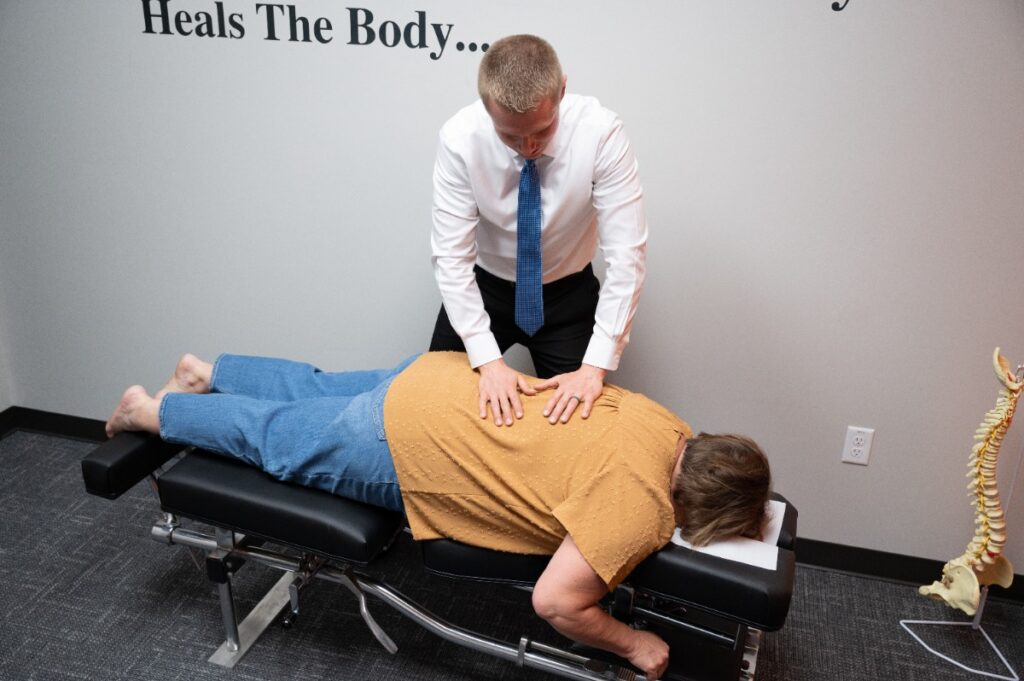

If you're experiencing sports-related back pain, you're certainly not alone; many athletes encounter this issue. It's important to understand the underlying causes of your discomfort, as this knowledge can be the first step towards finding relief. You may be surprised to learn just how crucial proper warm-ups and targeted stretching are in preventing injuries. As a chiropractor, I emphasize the importance of incorporating specific strengthening exercises into your routine to enhance core stability and support your spine.
However, if these strategies don't seem to provide sufficient relief, there are additional pain management solutions that I can help you explore. Chiropractic care focuses on natural healing techniques that can address the root causes of your pain, rather than just masking the symptoms. Together, we can develop a personalized plan that may include spinal adjustments, physical therapy, and lifestyle modifications to support your recovery and improve your overall athletic performance. Let's work together to get you back to doing what you love, pain-free.
Understanding Back Pain Causes
As a local chiropractor, I want to educate you about the common causes of back pain, especially for those who are active in sports. Understanding these factors is crucial for preventing injuries and maintaining a healthy back.
One prevalent cause of back pain is muscle strain. This often occurs when you make sudden movements or lift heavy objects without proper technique. During a game or practice, it's easy to push your limits, which can lead to tightness or discomfort in your back.
Another significant factor is poor posture. Many athletes may not be aware of how their body alignment impacts their spine while playing. If you don't focus on maintaining a neutral spine, you can place unnecessary stress on your back, particularly during activities that involve quick and repetitive motions. Over time, neglecting proper posture can result in chronic pain and discomfort.
Additionally, a lack of core strength plays a vital role in back pain. Your core muscles are essential for supporting your spine and maintaining stability. Weak core muscles can make your back more vulnerable to injury. By incorporating specific exercises aimed at strengthening your core into your routine, you can significantly lower your risk of experiencing pain.
Lastly, repetitive movements can lead to overuse injuries. Engaging in the same actions repeatedly—such as swinging a racket or throwing a ball—can cause strain on your back muscles and ligaments. This ongoing strain may result in inflammation and discomfort over time.
Importance of Proper Warm-Up
Before you engage in any physical activity, whether on the field or court, it's crucial to prioritize a proper warm-up.
As a chiropractor, I often emphasize how warming up can significantly enhance your muscle flexibility and prepare your body for the specific demands of your sport.
This preparation is vital in minimizing the risk of injuries, which can lead to long recovery times and setbacks in your physical activities.
Neglecting this important step can result in injuries that may sideline you for weeks, impacting not only your performance but your overall well-being.
Taking the time to warm up is an investment in your health and athletic longevity.
Enhances Muscle Flexibility
As a local chiropractor, I want to emphasize the importance of proper warm-up routines for enhancing muscle flexibility and preventing sports-related back pain. Many people may not realize that a thorough warm-up does more than just get your body ready for physical activity; it also plays a crucial role in increasing blood flow to your muscles. Improved circulation helps enhance flexibility, allowing your muscles to stretch more effectively and reducing the risk of injury.
Incorporating dynamic stretches into your warm-up can significantly boost your range of motion. Simple movements such as arm circles, leg swings, and torso twists activate your muscles and joints, making them more pliable. With enhanced flexibility, you may notice improved overall performance, allowing you to execute movements with greater ease and precision.
On the flip side, neglecting to warm up properly can lead to muscle stiffness, making your body less responsive during exercise. This can create discomfort not only in your muscles but also in your back and other areas. I encourage you to take just 10 to 15 minutes to focus on targeted stretching and movements before engaging in physical activity.
By prioritizing your warm-up routine, you're investing in a more enjoyable and pain-free sporting experience.
Reduces Injury Risk
As a local chiropractor, I want to emphasize the importance of a well-structured warm-up routine for your overall health and injury prevention. Warming up isn't just a preliminary step before exercising; it's a vital practice that enhances muscle flexibility and significantly reduces your risk of injury.
When you engage in a proper warm-up, you're effectively preparing your body for the physical demands of your chosen activity. This process increases blood flow to your muscles and elevates your heart rate, which activates your muscles and makes them more responsive. As a result, they're less prone to strains and injuries.
Neglecting to warm up can lead to tight muscles and joints, which can increase the likelihood of injuries, especially in high-impact sports. By dedicating just a few minutes to dynamic stretches and light aerobic activities, you aren't only enhancing your performance but also protecting yourself from potential setbacks. Incorporate movements that mimic your sport to ensure that your muscles are primed and ready for action.
Moreover, warming up plays a critical role in improving your coordination and balance, both of which are essential for preventing injuries. When your body is functioning optimally, you can react more quickly to unexpected movements, reducing your chances of falls or awkward twists.
Remember, taking the time to warm up isn't merely an inconvenience; it's a crucial step toward maintaining your health and enjoying your favorite activities without the burden of injuries.
Prioritize your warm-up routine, and your body will thank you in the long run! If you have any questions about injury prevention or how chiropractic care can support your active lifestyle, feel free to reach out to me.
Effective Stretching Techniques
As a local chiropractor, I want to emphasize the importance of stretching for both preventing and alleviating back pain, particularly if you're active in sports or physical activities.
Incorporating effective stretching techniques into your daily routine can significantly enhance your flexibility and lower the risk of injuries.
Let's take a closer look at some recommended stretching exercises that can help maintain the health of your back.
These exercises not only promote better posture but also support overall spinal health, allowing you to enjoy a more active and pain-free lifestyle.
Importance of Stretching
As a local chiropractor, I want to emphasize the vital role that effective stretching techniques can play in enhancing your overall health and well-being, especially when it comes to preventing back pain related to sports and physical activities. Stretching isn't just about flexibility; it's a key component in preparing your body for movement.
When you incorporate stretching into your routine, you allow your muscles and joints to move more freely, which can significantly improve your athletic performance. A greater range of motion reduces the risk of injuries, helping you stay active and pain-free.
One of the essential benefits of stretching is that it prepares your muscles for the physical demands you place on them. By warming up your muscles, you increase blood flow, making them more pliable and less susceptible to strains or sprains. This warm-up is crucial in preventing muscle tension, a common contributor to back pain that many people experience.
However, it's important to strike a balance between stretching and strengthening exercises. While stretching enhances flexibility, strength training is equally important as it builds stability and support around your spine. Together, these practices create a solid foundation for your body, promoting not only better performance but also long-lasting health.
Incorporating these techniques into your routine can lead to a more active lifestyle, free of discomfort. If you have any questions about how to integrate stretching into your daily activities or how it can benefit your spine health, feel free to reach out for guidance.
Recommended Stretching Exercises
As a local chiropractor, I often see patients struggling with sports-related back pain. One effective way to alleviate this discomfort is through targeted stretching exercises that can enhance flexibility, reduce tension, and promote overall back health.
If you're new to chiropractic care and natural healing, I encourage you to incorporate these three beneficial stretches into your routine:
- Cat-Cow Stretch: Start by getting on all fours, ensuring your wrists are directly under your shoulders and your knees are beneath your hips. Inhale deeply as you arch your back (this is the Cow position) and gaze upward. Then, exhale as you round your back (the Cat position) and tuck your chin to your chest. Repeat this flow for 5-10 cycles. This stretch is excellent for mobilizing the spine and easing stiffness.
- Child's Pose: Kneel on the floor and gently sit back on your heels. Extend your arms forward on the ground, allowing your forehead to rest on the floor. This position not only stretches your back but also encourages deep breathing, which can help release tension. Hold this pose for 20-30 seconds, focusing on your breath.
- Knee-to-Chest Stretch: While lying on your back with your legs extended, bring one knee up towards your chest and hold it with both hands. Keep your other leg straight on the floor. Hold this position for 20-30 seconds before switching sides. This stretch is fantastic for releasing tightness in the lower back and gluteal muscles.
By incorporating these stretches into your daily routine, you may notice a significant improvement in your back comfort and overall performance in sports activities.
Strengthening Exercises for Stability
As a local chiropractor, I want to emphasize the importance of building a strong core for enhancing your stability and preventing back pain, especially related to sports activities. A well-developed core supports your spine and can significantly improve your performance, whether you're running, cycling, or participating in team sports. Incorporating specific strengthening exercises into your routine can greatly contribute to this stability.
Let's start with planks. This foundational exercise engages your entire core and promotes proper alignment, which is crucial for spinal health. I recommend aiming for three sets of 30 seconds, gradually increasing the duration as you become stronger. Additionally, side planks are excellent for focusing on your obliques and balancing your strength. Try holding each side for 20-30 seconds.
Next, consider adding bridges to your regimen. This exercise specifically targets your glutes and lower back, both of which are vital for maintaining stability. To perform a bridge, lie on your back with your knees bent and feet flat on the floor, then lift your hips toward the ceiling. Hold for a few seconds before lowering back down. I suggest doing three sets of 10-15 repetitions.
Don't forget about bird-dogs; this exercise enhances your coordination and engages your core while also challenging your balance. Start on all fours, extend your right arm forward and your left leg back, keeping your hips level. Hold this position for a moment, then switch sides. Aim for three sets of 10 repetitions on each side.
Lastly, I encourage you to incorporate stability ball exercises, such as ball passes or wall squats. These movements not only strengthen your core but also improve overall balance. By regularly integrating these exercises into your routine, you can build the stability necessary to prevent back pain and enhance your athletic performance.
Posture Correction Strategies
As a local chiropractor, I want to share some valuable insights on how to address sports-related back pain through proper alignment.
It's crucial to understand that your body functions best when it's correctly aligned. Incorporating specific exercises tailored to improve your posture can significantly alleviate discomfort and prevent future issues.
Additionally, enhancing your workspace with ergonomic equipment is a simple yet effective strategy to support your spine throughout the day.
Let's discuss how these natural healing approaches can truly transform your daily routine and promote overall well-being.
Importance of Proper Alignment
As a local chiropractor, I want to emphasize the crucial role that proper alignment plays in preventing and alleviating sports-related back pain. When your body is aligned correctly, it supports ideal movement patterns and reduces unnecessary strain on your spine.
Here are some strategies to help you achieve and maintain proper alignment:
1. Be Mindful of Your Posture: It's important to regularly check in on your posture throughout your day-to-day activities. Make a habit of keeping your shoulders back, your chest open, and your head aligned over your spine.
This mindfulness can help prevent slouching and encourage better alignment, which is essential for your overall health.
2. Invest in Ergonomic Equipment: Whether you're exercising at the gym or working at a desk, using ergonomic chairs, mats, or equipment can significantly enhance your posture.
Look for products that support your body's natural alignment, allowing you to move with greater freedom and safety. This is especially important for athletes and active individuals.
3. Focus on Core Stability: A strong core is vital for supporting your spine and promoting proper alignment. Incorporate exercises into your routine that strengthen your core muscles.
Not only will this contribute to better alignment, but it will also improve your athletic performance and help you stay injury-free.
By understanding and implementing these strategies, you can take proactive steps toward maintaining proper alignment, reducing the risk of back pain, and enhancing your overall well-being.
If you have any questions or need personalized advice, don't hesitate to reach out for a consultation. Your spine will thank you!
Exercises for Posture Improvement
As a local chiropractor, I want to emphasize the importance of good posture in preventing back pain and enhancing your overall well-being. Incorporating specific exercises into your daily routine can have a transformative effect on your posture and spinal health.
One of the most effective exercises I recommend is the wall angel. To perform this exercise, stand against a wall with your head, shoulders, and heels in contact with it. Slowly raise your arms while ensuring they also stay in contact with the wall. This movement helps to open up your chest and strengthen the muscles in your upper back, which are crucial for maintaining proper posture.
Another great exercise is the plank. This exercise engages your core muscles, which are vital for spinal stability. To do a plank, lie face down and then lift your body off the ground, balancing on your forearms and toes. Aim to hold this position for 30 seconds, and as you build strength, gradually increase the duration.
Stretching is equally important for maintaining flexibility and alleviating tension. The cat-cow stretch is particularly beneficial. Start on all fours, arch your back upwards (like a cat), and then drop your belly while lifting your head (like a cow). Repeat this movement several times to promote spinal mobility.
Lastly, I encourage you to practice chin tucks. This simple exercise helps strengthen the muscles in your neck. While sitting or standing straight, gently tuck your chin in towards your neck and hold for a few seconds.
Ergonomic Equipment Recommendations
As a local chiropractor, I want to emphasize the importance of ergonomic equipment in maintaining your posture and overall comfort, especially if you find yourself spending long hours at a desk.
Poor ergonomics can lead to issues such as back pain, fatigue, and decreased productivity. Here are three recommendations to help you create a more supportive work environment and promote better spinal health:
- Ergonomic Chair: Selecting a chair that provides adequate support for your lower back is crucial. Look for one with adjustable height and built-in lumbar support. This will help maintain proper spine alignment and reduce the strain on your back while you sit.
- Keyboard and Mouse: Using an ergonomic keyboard and mouse can significantly reduce wrist strain. Opt for devices that encourage a natural hand position, which allows you to keep a relaxed posture throughout your workday. This small change can have a big impact on your comfort levels.
- Sit-Stand Desk: I highly recommend considering a sit-stand desk. Alternating between sitting and standing not only improves circulation but can also boost your energy levels and help you maintain better posture over time.
This flexibility allows your body to move and adjust naturally, which is beneficial for your spine.
By investing in these ergonomic solutions, you can create a work environment that supports your health and well-being, ultimately leading to a better quality of life.
Role of Physical Therapy
Chiropractic care plays a vital role in alleviating sports-related back pain by addressing the underlying causes of discomfort and enhancing your overall mobility. If you're feeling back pain, a chiropractor can evaluate your condition and create a customized treatment plan tailored to your unique needs. This individualized approach ensures that you're not just masking symptoms but actively working to resolve the root issues.
During your visits, you'll engage in specific adjustments and manipulations that focus on aligning your spine and improving your body mechanics. These techniques not only help relieve pain but also reduce the likelihood of future injuries.
You'll also receive guidance on proper posture and movement patterns, which can significantly lessen strain on your back during athletic activities.
In addition to spinal adjustments, your chiropractor may recommend complementary therapies such as heat, cold therapy, or therapeutic ultrasound to alleviate pain and inflammation. These natural treatments can speed up your recovery, helping you return to your sport more quickly and safely.
Chiropractic care also empowers you with a better understanding of your body. You'll gain insights into how your movements impact your back, enabling you to make informed choices about your training and recovery.
When to Seek Medical Help
As a local chiropractor, I want to help you understand when it's necessary to seek medical assistance for sports-related back pain. While some discomfort is often part of being active, knowing the signs that require professional evaluation can be crucial for your long-term health and athletic performance. Ignoring certain symptoms could lead to more severe injuries later on.
Here are three key situations when you should definitely consider reaching out to a healthcare professional like myself:
- Persistent Pain: If your back pain lasts for more than a few days and doesn't get better with rest or home care techniques, it's important to get it assessed. Chronic pain can indicate an underlying issue that may benefit from chiropractic care and expert intervention.
- Radiating Symptoms: If you notice pain that travels down your legs, along with numbness or tingling sensations, don't wait to seek help. These symptoms may suggest nerve involvement, which is something we can address effectively through chiropractic adjustments and natural healing methods.
- Loss of Function: If you find it challenging to perform daily activities or experience difficulty moving, it's critical to consult a healthcare provider. A reduction in mobility could point to a more serious injury that chiropractic care can help resolve.
Remember, caring for your back and overall well-being is essential for maintaining your active lifestyle.
Don't hesitate to reach out if you're experiencing these symptoms—I'm here to help guide you on your path to recovery and health.
Pain Management Solutions
As your local chiropractor, I understand how debilitating sports-related back pain can be, and I'm here to guide you through effective pain management solutions that can help you return to your active lifestyle. The first step is to assess your pain level accurately. For immediate relief, consider over-the-counter pain relievers like ibuprofen or acetaminophen, but always adhere to the recommended dosages and consult with your healthcare provider if you have any concerns.
In addition to medication, I recommend incorporating ice and heat therapy into your routine. For the first 48 hours following an injury, ice packs can help minimize inflammation. After that initial period, switch to heat therapy to help relax tense muscles and enhance blood circulation. Just remember to wrap ice or heat sources in a cloth to protect your skin from direct contact.
Physical therapy is another integral part of recovery, and as a chiropractor, I can design a personalized program that includes stretching and strengthening exercises tailored specifically to your needs. This approach not only alleviates pain but also works to prevent future injuries by enhancing your overall strength and flexibility.
Rest and proper sleep are crucial as well. It's important to give your body the time it needs to heal. Avoid activities that exacerbate your pain, and ensure your sleeping environment is conducive to recovery. A supportive mattress and pillow can make a significant difference in your comfort and healing process.
Lastly, I encourage you to explore alternative treatments like chiropractic care and acupuncture. Many athletes have found these methods highly effective in managing pain, improving mobility, and fostering overall healing.
Don't hesitate to reach out for professional advice; together, we can discover the best approach for your recovery. With the right pain management strategies in place, you'll be back to enjoying your favorite sports in no time.
Preventative Measures for Athletes
As a local chiropractor, I want to help you understand the importance of preventative measures to keep sports-related back pain at bay. By taking proactive steps, you can't only reduce your risk of injury but also enhance your overall athletic performance.
Here are three key measures that I recommend you consider:
1. Strengthening Core Muscles: A well-developed core is essential for supporting your spine and maintaining proper posture, which is crucial for any athlete. I suggest incorporating exercises such as planks, bridges, and various abdominal workouts into your fitness routine. These exercises can significantly improve your core stability and help protect your back during physical activities.
2. Proper Warm-Up and Cool-Down: It's vital to never skip your warm-up and cool-down sessions. Engaging in dynamic stretches before your activity can adequately prepare your muscles and joints for the demands of your sport.
Afterward, static stretches are essential for enhancing flexibility and alleviating muscle tension. Be sure to focus on stretching your back, hips, and legs, as these areas play a significant role in your athletic performance.
3. Use Correct Techniques: Whether you're lifting weights or participating in a sport, employing the correct techniques is crucial. Poor form can place unnecessary stress on your back, leading to pain and injury.
I recommend working with a coach or trainer who can help ensure that you're using proper techniques specific to your sport. Additionally, visiting a chiropractor can provide insights into biomechanics and help you maintain optimal movement patterns.
By implementing these preventative measures, you can promote a healthier, more resilient body, and enjoy your athletic pursuits more fully.
If you ever have questions about how chiropractic care can support your journey, feel free to reach out!
Tips for Long-Term Relief
As a local chiropractor, I want to share some valuable insights on how to achieve long-term relief from sports-related back pain. Understanding the root cause of your discomfort is crucial, and I recommend consulting with a healthcare professional who can provide a thorough assessment. This will help determine whether your pain is due to muscle strain, poor posture, or a more intricate issue.
Once we identify the underlying cause, I encourage you to incorporate specific exercises into your daily routine. Strengthening your core and back muscles is essential for providing the necessary support for your spine. Activities such as Pilates or yoga aren't only excellent for building strength but also for enhancing flexibility, which plays a significant role in preventing future injuries.
It's also important to be mindful of your posture throughout the day, whether you're training or sitting for extended periods. Maintaining proper alignment can significantly reduce the stress on your back and alleviate pain. If you spend a lot of time at a desk, consider investing in ergonomic equipment to support your posture.
Don't forget the importance of rest and recovery. Your body needs time to heal, so incorporating rest days into your training schedule is vital. Utilizing techniques like ice therapy or heat application can also help to reduce pain and promote recovery.
Lastly, I invite you to consider the benefits of consulting with a chiropractor. We specialize in providing personalized strategies and adjustments tailored to your specific needs, which can greatly assist in your long-term recovery.
Conclusion
As a local chiropractor, I want to share some valuable insights on managing sports-related back pain. It's important to take a proactive approach to this common issue. Understanding the root causes of your discomfort is the first step. Many athletes overlook the significance of proper warm-ups, but they are crucial in preparing your body for activity.
Incorporating targeted stretching and strengthening exercises can also make a significant difference in alleviating pain and preventing future injuries. Regularly checking your posture and making ergonomic adjustments in your daily routine can support your spine's health and function.
If you find that your pain persists or even worsens, I encourage you to consider seeking professional help. Chiropractic care focuses on natural healing and can be a highly effective way to address your back pain. By following these steps, not only can you manage your discomfort, but you can also improve your overall athletic performance in the long run. Remember, your spine is vital for your physical activity, and taking care of it is essential for your well-being.