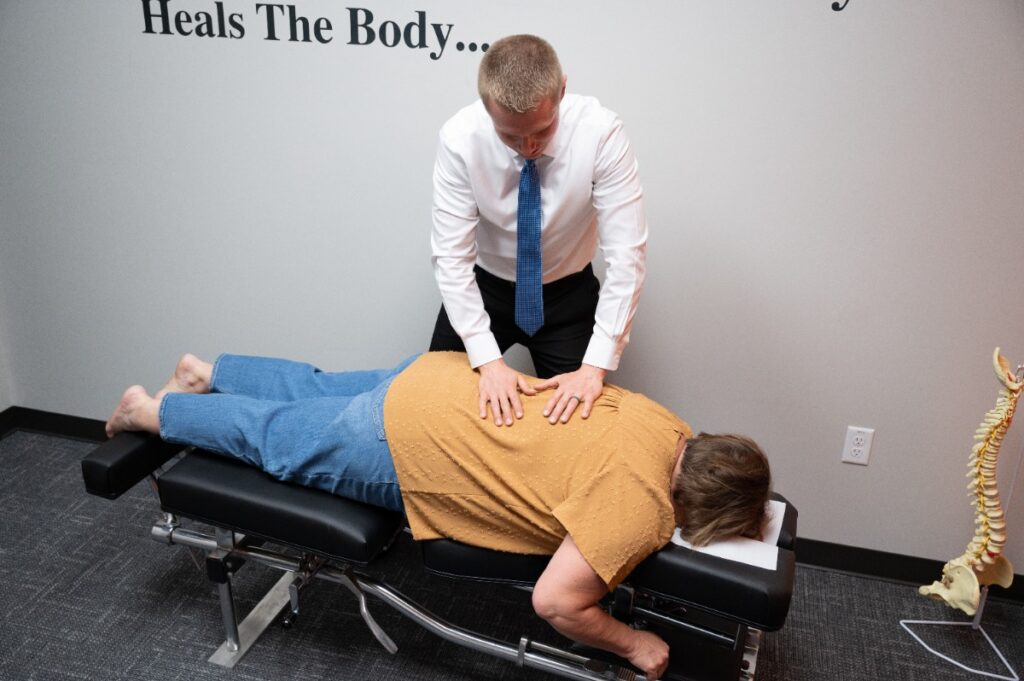

If you’re experiencing back pain related to your posture, know that you’re not alone in this struggle. Many individuals face discomfort stemming from poor alignment and extended periods of sitting. As a local chiropractor, I want to share some encouraging news: relief is attainable through straightforward adjustments and mindful practices.
It’s crucial to understand the fundamentals of ergonomics and the role of movement in your daily life. By making small, conscious changes to your routine, you can significantly alleviate your discomfort and improve your overall health. Let’s delve into some effective strategies that can reshape your daily habits, enhance your posture, and promote lasting well-being. Together, we can work towards a pain-free lifestyle that empowers you to live your life to the fullest.
Understanding Posture-Related Back Pain
As a local chiropractor, I want to share some insights about how your posture can significantly impact your back health. Many people don’t realize that sitting or standing with poor posture can lead to persistent back pain over time. Your spine is designed to be in proper alignment, and when you slouch or hunch over, you disrupt this balance.
When you lean forward or round your shoulders, the muscles in your back and neck become overworked, leading to discomfort and tension. Often, you mightn’t feel the negative effects right away, but over time, these poor habits can develop into chronic pain.
Additionally, sitting for prolonged periods without adequate support can weaken your muscles, making it even more challenging to maintain a healthy posture.
To help prevent back pain, it’s essential to be mindful of your posture throughout your daily activities. Simple adjustments can make a significant difference—like keeping your feet flat on the ground and your back straight. Incorporating regular stretches and strengthening exercises for your core can also enhance your posture and support your spine.
As your chiropractor, I encourage you to become more aware of your body’s positioning and to take proactive steps toward better posture. By doing so, you can greatly diminish your risk of experiencing back pain and improve your overall well-being.
The Importance of Ergonomics
As a local chiropractor, I want to emphasize the significance of creating an ergonomic workspace for your back health.
Many people are unaware of how crucial proper posture and the right supportive tools are in reducing discomfort and enhancing their overall well-being.
By making small adjustments to your work environment, you can significantly alleviate strain on your back and prevent pain from becoming a chronic issue.
Let’s delve into how these elements contribute to a healthier, pain-free life and the role they play in natural healing.
Ergonomic Workspace Design
As a local chiropractor, I want to emphasize the importance of creating an ergonomic workspace to help you minimize back pain and enhance your overall comfort while working.
Many of my patients are unaware of how simple adjustments to your work environment can have a profound impact on your posture and overall well-being.
Let’s explore some key elements to consider for your workspace:
- Adjustable chair: This is essential for supporting your back. An adjustable chair allows you to find a comfortable position that aligns with your spine and encourages healthy sitting habits.
- Desk height: Your desk should be at elbow level, which helps maintain a neutral wrist position while typing. This simple adjustment can prevent unnecessary strain on your muscles and joints.
- Monitor placement: Position your computer monitor at eye level to avoid straining your neck. Proper monitor height ensures you maintain a neutral head position, reducing the risk of neck pain.
- Keyboard and mouse: Keep these tools close to your body. This minimizes the need to reach, which can cause discomfort in your shoulders and arms over time.
- Foot support: If your feet aren’t flat on the ground, consider using a footrest. This helps to support your feet and promote better circulation while you work.
By implementing these ergonomic principles, you can create a workspace that not only enhances your productivity but also supports your health.
Benefits of Proper Posture
As a local chiropractor, I want to share with you the incredible benefits of maintaining proper posture for your overall health and productivity. When you sit or stand with correct alignment, you’re not just enhancing your comfort; you’re also significantly reducing strain on your muscles and joints. This can help prevent common issues like back pain and fatigue, which many people experience daily.
Good posture is essential for optimal breathing and circulation. When your body is aligned, oxygen flows more freely to your brain, which can boost your focus and energy levels throughout the day.
You may also notice that standing tall and maintaining proper alignment can increase your confidence and presence, whether you’re in a personal setting or a professional environment.
Incorporating ergonomic practices into your daily routine can further enhance your efficiency. When you feel less discomfort, you’re more motivated to tackle your tasks and responsibilities.
As a chiropractor, I emphasize the importance of posture as a simple yet powerful change that can lead to a healthier and more productive life. I encourage you to consider how making these adjustments can benefit you in the long run—your body will thank you!
Tools for Back Support
As a local chiropractor, I want to emphasize the importance of effective tools for back support in maintaining a healthy ergonomic setup, whether you’re at home or at your workplace.
Investing in the right resources can significantly alleviate discomfort and boost your productivity. Here are some essential items to consider:
- Ergonomic Office Chair: A chair designed to provide lumbar support is vital for promoting proper posture. This can help prevent back pain and improve your overall spinal health.
- Standing Desk: Alternating between sitting and standing with a height-adjustable desk can greatly reduce strain on your back and promote better circulation.
- Lumbar Roll: This simple, yet effective tool provides extra support to your lower back when sitting. It helps maintain the natural curvature of your spine, which is crucial for reducing discomfort.
- Footrest: Using a footrest can keep your feet flat on the ground and relieve pressure on your lower back. This small adjustment can make a big difference in your comfort level.
- Ergonomic Keyboard and Mouse: Choosing devices designed to support wrist alignment can enhance your comfort and reduce the risk of repetitive strain injuries.
By incorporating these tools into your daily routine, you can support your spine and overall health, paving the way for a more comfortable and productive lifestyle.
Simple Posture Correction Techniques
As a local chiropractor, I’m here to share some straightforward posture correction techniques that can significantly reduce your back pain. The first step is to become mindful of your posture throughout the day. When sitting, make sure your feet are flat on the floor, your knees are at a right angle, and your back is straight against the chair. This alignment is crucial in supporting your spine and preventing discomfort.
If you’re standing, aim to distribute your weight evenly across both feet and engage your core muscles. This simple action provides additional support for your spine and can help mitigate pain.
To help you maintain good posture, consider using reminders like sticky notes to prompt you to check in on your body alignment regularly. When working at a computer, it’s essential to position your screen at eye level and sit about an arm’s length away. This setup will prevent unnecessary strain on your neck, which can contribute to back pain.
I also recommend trying the “wall test.” Stand with your back against a wall, ensuring your heels, buttocks, shoulders, and head all touch the surface. This exercise will give you a tangible sense of correct alignment, making it easier to replicate throughout your day.
Stretching Exercises for Relief
As a chiropractor dedicated to helping you achieve optimal health, I want to emphasize the importance of maintaining good posture and incorporating stretching exercises into your daily routine.
These stretches can provide significant relief from back pain, which many of you may experience. Stretching plays a vital role in improving flexibility, reducing muscle tension, and enhancing blood circulation to your muscles.
Here are some effective stretches that I recommend to help ease discomfort:
- Cat-Cow Stretch: This gentle movement involves alternating between arching and rounding your back, which promotes flexibility in the spine and can help alleviate discomfort.
- Child’s Pose: A calming stretch that gently elongates your spine while relaxing tight back muscles. This position can be particularly soothing after a long day.
- Standing Forward Bend: As you reach for your toes, you can relieve tension in your lower back. This stretch encourages a gentle release of tightness in the lower back area.
- Seated Torso Twist: This stretch increases spinal mobility and helps release tightness in your back. It’s a great way to keep your spine healthy and flexible.
- Figure Four Stretch: By targeting the hips, this stretch can alleviate pressure on your lower back, making it an essential move for those of you who spend long hours sitting.
By integrating these stretches into your routine, you can support your body’s natural healing processes and promote overall wellness.
Strengthening Your Back and Core
As a local chiropractor, I want to emphasize the importance of strengthening your back and core for overall health and well-being. Incorporating specific exercises into your routine can greatly enhance your stability and help alleviate any discomfort you may be experiencing.
Let’s start with planks. This exercise is fantastic because it engages your entire core while also providing support to your back. I recommend holding a plank for 30 seconds to a minute, and as you become more comfortable, you can gradually increase your hold time.
Next, consider adding bridges to your regimen. This exercise effectively strengthens your glutes and lower back. To perform a bridge, lie on your back with your knees bent and lift your hips towards the ceiling. Hold that position for a few seconds before slowly lowering down.
Back extensions are another excellent exercise, which you can do using a stability ball or by lying face down on the floor. This will help strengthen both the upper and lower parts of your back.
Lastly, we can’t overlook the importance of your obliques. Including side planks in your routine will target your side core muscles, which are crucial for overall stability.
By consistently integrating these exercises, you’ll not only build strength but also improve your posture and alleviate pain.
The Role of Mindfulness in Posture
To enhance your posture and alleviate back pain, it’s essential to develop a greater awareness of your body’s position throughout the day.
As a chiropractor, I often recommend practicing mindfulness, which can significantly aid in this process. By focusing on your breath and integrating relaxation techniques, you can help align your body naturally.
This conscious awareness allows you to make necessary adjustments that can lead to lasting improvements in how you carry yourself.
Embracing these practices not only supports your physical health but also promotes overall well-being.
Awareness of Body Position
As a local Chiropractor, I want to emphasize the importance of being aware of your body position in order to maintain good posture and prevent back pain. Many people overlook how their daily habits can impact their overall well-being, but being mindful of your posture can lead to significant improvements in comfort and health.
Here are some important points to consider:
- Alignment Matters: Regularly check your alignment whether you’re sitting, standing, or walking. Proper alignment helps reduce strain on your spine and muscles.
- Ergonomic Support: Invest in ergonomic furniture that supports your spine. This can make a big difference in your comfort, especially if you spend long hours at a desk.
- Take Breaks: Don’t forget to take regular breaks throughout your day. Stretching and moving your body can help alleviate tension and promote better circulation.
- Stay Mindful: Pay attention to your body position during activities such as lifting, exercising, or even just reaching for something. Using the correct techniques can prevent injuries.
- Mindfulness Techniques: Incorporate mindfulness practices into your routine to enhance your body awareness. This can help you become more attuned to how you hold yourself in different situations.
By adopting these practices, you can support your spine’s health and overall wellness.
If you have any questions or need further guidance, don’t hesitate to reach out. I’m here to help you on your journey to better health through natural healing.
Breathing and Relaxation Techniques
As a chiropractor, I want to emphasize the importance of good posture and its connection to effective breathing and relaxation techniques. When you focus on your breath, it can foster a sense of calm that promotes natural body alignment.
I encourage you to practice deep inhalations through your nose, allowing your abdomen to expand fully, followed by slow exhalations through your mouth. This rhythmic breathing technique not only helps release tension but also makes it easier for you to maintain proper posture throughout your day.
In addition, I recommend incorporating relaxation practices like progressive muscle relaxation into your routine. Begin at your toes, tensing each muscle group and then letting go of that tension as you move up to your head.
This method not only alleviates muscle tightness but also enhances your awareness of how your body is aligned. By integrating these techniques into your daily life, you’ll not only support your posture but also effectively reduce discomfort, paving the way for better overall health and wellness.
Mindfulness Practices for Alignment
As a local chiropractor, I want to share with you how incorporating mindfulness practices into your daily routine can significantly improve your posture and overall well-being.
Many people are unaware of the connection between mindfulness and physical alignment, but by being more present in your body, you can cultivate awareness that promotes better posture.
Here are some mindfulness techniques I recommend:
- Body Scan: Take a moment each day to check in with your body. This practice helps you identify areas of tension that may be affecting your alignment.
- Meditation: Dedicate a few minutes daily to focus on your breath and how your body is positioned. This practice can help you become more aware of your posture and encourage relaxation.
- Walking Meditation: As you walk, pay attention to your posture. Notice how your body feels with each step and make adjustments as needed to maintain alignment.
- Mindful Sitting: Be conscious of how you sit throughout the day. Ensure that your spine is aligned and relaxed to prevent strain and discomfort.
- Yoga: Engage in yoga poses that strengthen and increase flexibility in your back and core. This not only supports better posture but also enhances your overall health.
By embracing these mindfulness practices, you can foster a healthier posture and, in turn, improve your quality of life.
Tools and Gadgets to Improve Posture
As a local chiropractor, I want to share with you the importance of improving your posture and how the right tools and gadgets can play a vital role in this process. One effective option to consider is posture-correcting braces. These braces provide essential support and serve as a gentle reminder to maintain proper alignment whether you’re sitting or standing.
Ergonomic chairs are another excellent investment. They’re designed to promote comfort and proper spinal alignment while you work, which can greatly benefit your overall health. Additionally, incorporating a standing desk into your workspace allows you to switch between sitting and standing throughout the day, further enhancing your posture and reducing strain.
For those who want to take it a step further, posture trackers can be incredibly useful. These devices utilize sensors to alert you when your posture starts to falter, encouraging you to correct it in real time. Tools like foam rollers and stability balls can also aid in strengthening your core, which is crucial for maintaining a healthy posture.
Let’s not overlook the value of lumbar support cushions, whether for your car or office chair. These cushions help preserve the natural curve of your spine, which is essential for preventing discomfort and pain.
By incorporating these tools into your daily routine, you’re not only taking steps toward better posture but also reducing the risk of back pain. Investing in your posture is an investment in your overall well-being.
Incorporating Movement Into Your Day
As a local chiropractor, I want to emphasize that improving your posture is just one piece of the puzzle when it comes to maintaining a healthy back.
Equally important is incorporating more movement into your daily life. Staying active not only helps to strengthen your muscles and enhance flexibility, but it also plays a crucial role in reducing tension throughout your body.
Here are some simple yet effective ways to weave more movement into your routine:
- Take short breaks: I encourage you to stand up, stretch, or take a brief walk every hour. This helps keep your muscles engaged and reduces stiffness.
- Opt for stairs: Whenever you have the chance, choose to take the stairs instead of the elevator. It’s a great way to get your heart rate up and gives your legs a workout.
- Desk exercises: While you’re working, consider incorporating desk exercises such as simple stretches or seated leg lifts. These can be done discreetly and can help alleviate tension.
- Walk or bike: For short trips, try using active transportation methods like walking or biking instead of driving. Not only is it good for your body, but it’s also better for the environment.
- Join a class: Find a local yoga or dance class that interests you. Participating in these activities can make movement enjoyable and social, which can enhance your overall well-being.
By integrating these movements into your day, you’ll not only support your spinal health but also contribute to your overall vitality.
Seeking Professional Help for Chronic Pain
If you’re struggling with chronic pain, exploring chiropractic care can be a vital step toward finding relief. As a chiropractor, my goal is to assess your condition and develop a personalized treatment plan that suits your unique needs. This approach often involves hands-on adjustments, therapeutic exercises, and education on maintaining a healthy lifestyle to support your healing process.
It’s important to communicate openly about your symptoms; the more I understand your experience, the better I can assist you. Through a thorough evaluation, I can help identify any underlying issues that may be contributing to your discomfort, allowing us to address the root cause rather than just alleviating the symptoms.
I encourage you to consider chiropractic care as a natural and effective option for pain management. Many patients find that, in addition to adjustments, incorporating techniques like massage therapy or nutritional counseling can enhance their healing journey.
Conclusion
As your local chiropractor, I’m here to help you understand how to effectively manage posture-related back pain. It’s essential to integrate ergonomic adjustments, mindfulness techniques, and regular movement into your everyday life. By focusing on maintaining good posture, incorporating gentle stretches, and strengthening your core muscles, you can significantly alleviate discomfort.
I encourage you to listen to your body—take breaks when necessary to avoid strain. If you find that your pain continues despite these efforts, seeking professional assistance can offer you the relief you need. Chiropractic care is designed to support your body’s natural healing processes and can help restore balance and function. Remember, the proactive steps you take today can lead to a healthier and more pain-free back tomorrow!