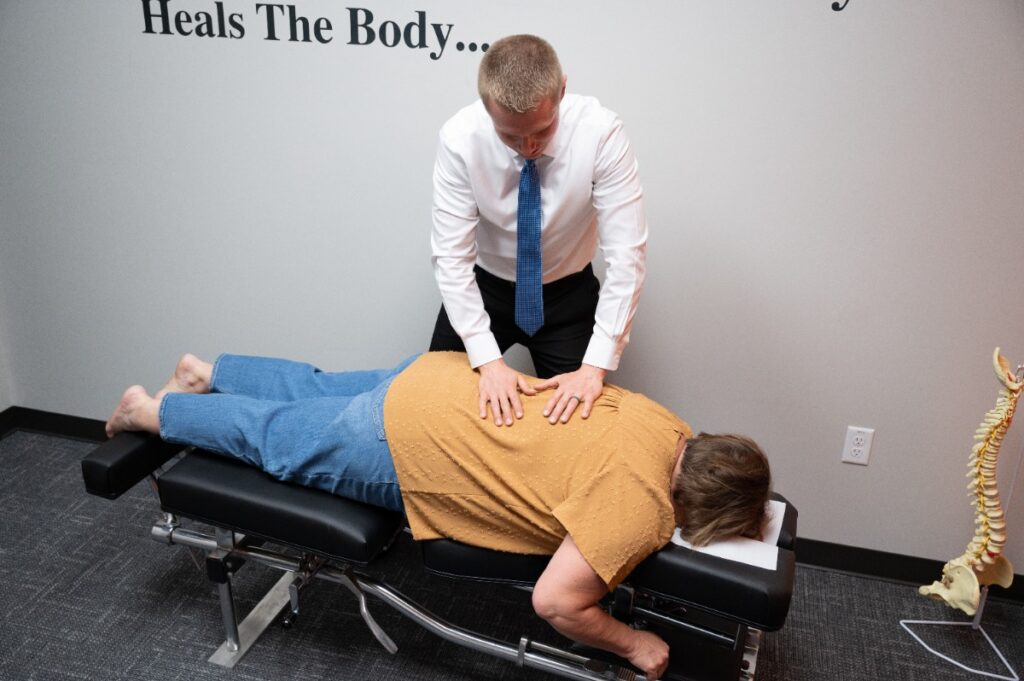

If you're struggling with anxiety, you might not realize how much your physical health can influence your mental state. Chiropractic adjustments can address underlying tension and misalignments, paving the way for improved relaxation and stress management. By enhancing your nervous system function and posture, these adjustments may offer more than just temporary relief. They could also contribute to a more balanced mood and increased energy levels. Curious about how these benefits stack up against other anxiety relief methods? Let's explore what's possible when you consider chiropractic care as part of your holistic approach.
Understanding Anxiety and Its Effects
Anxiety can creep in during everyday situations, affecting both your mind and body. You might notice it when you're facing a big presentation, dealing with a stressful deadline, or even just having a tough conversation. This feeling isn't just in your head; it manifests physically too. Your heart races, your palms get sweaty, and you might even feel a knot in your stomach. These reactions can lead you to avoid certain situations, further amplifying your anxiety.
Understanding anxiety is vital to managing it effectively. It often stems from a mix of genetics, environmental factors, and personal experiences. You're not alone in this; countless people experience anxiety in various forms, whether it's generalized anxiety, social anxiety, or panic attacks.
Knowing the triggers that affect you can be empowering. Take time to reflect on what situations heighten your anxiety levels.
Once you identify these triggers, you can begin to develop strategies to cope. It's important to recognize that anxiety isn't just a fleeting feeling; it can become a pattern that disrupts your daily life. Acknowledging this is the first step toward change.
You have the power to address these feelings and lessen their hold on you.
The Role of Physical Adjustments
When anxiety takes hold, it can create tension in your body that exacerbates your mental state. This tension often manifests in tight muscles, poor posture, and discomfort, making it hard for you to relax. Physical adjustments, such as those performed by a chiropractor or physical therapist, can play an essential role in alleviating this tension. By addressing misalignments and restrictions in your body, these adjustments help restore balance and functionality, allowing you to feel more at ease.
You mightn't realize how closely connected your body and mind are. When your body feels stiff or sore, it can heighten feelings of anxiety and stress. By receiving physical adjustments, you can release built-up tension, facilitating a clearer mental state. These adjustments can improve your posture, enhance blood flow, and reduce muscle tightness, making it easier for you to cope with daily stressors.
In addition to relieving physical discomfort, adjustments can also promote a sense of well-being. As your body begins to feel better, it often leads to an improved mood and reduced anxiety levels. You may notice that after a session, you're more relaxed and better equipped to handle life's challenges.
Ultimately, exploring physical adjustments can be a proactive step in managing your anxiety. By addressing the physical manifestations of anxiety, you'll find that it's easier to maintain a calm and focused mindset. Taking care of your body can create a solid foundation for your mental health.
Benefits of Chiropractic Care
Chiropractic care offers numerous benefits that can markedly reduce your anxiety.
You'll find that techniques used in chiropractic adjustments not only help alleviate stress but also improve your sleep quality and enhance your overall well-being.
Stress Reduction Techniques
Seeking relief from stress? Chiropractic care might be just what you need.
By addressing spinal misalignments and improving nervous system function, adjustments can help reduce anxiety and promote relaxation.
Here are three stress reduction techniques that chiropractic care can offer you:
1. Enhanced Relaxation Response: Adjustments can trigger your body's natural relaxation response, helping you feel calmer and more balanced.
2. Improved Posture: Regular chiropractic visits can correct poor posture, which is often a physical manifestation of stress.
Better posture not only alleviates tension but can also boost your confidence and mood.
3. Inclusive Approach: Chiropractors often incorporate lifestyle advice, including exercise, nutrition, and stress management strategies, providing a thorough approach to reducing stress.
Improved Sleep Quality
Are you struggling to get a good night's sleep? You're not alone. Many people find that stress and discomfort keep them tossing and turning, leading to restless nights. Chiropractic care can help improve your sleep quality by addressing underlying issues affecting your body.
When your spine is misaligned, it can create tension and discomfort, making it difficult to relax. Adjustments help restore proper alignment, reducing muscle tension and promoting relaxation. As your body begins to feel better, you might notice that you fall asleep faster and stay asleep longer.
Additionally, chiropractic adjustments can enhance your overall nervous system function, which plays a vital role in regulating sleep patterns. By reducing anxiety and improving your body's function, you'll likely experience deeper, more restorative sleep.
Many patients report feeling more energized and alert after receiving chiropractic care, which can also contribute to better sleep.
Enhanced Overall Well-being
When you prioritize your well-being, incorporating chiropractic care into your routine can lead to significant improvements in your overall health.
Regular adjustments not only alleviate physical discomfort but also enhance your mental and emotional state. You might be surprised by the positive changes you can experience.
Here are three key benefits of chiropractic care that contribute to your enhanced overall well-being:
- Reduced Stress Levels: Chiropractic adjustments help to lower cortisol levels, your body's primary stress hormone, allowing you to feel more relaxed and at ease.
- Improved Immune Function: By aligning your spine, chiropractic care can boost your immune system's effectiveness, helping your body ward off illness and promoting a better sense of vigor.
- Increased Energy: When your body is properly aligned, you may notice a surge in energy levels. This newfound vitality can enhance your mood and productivity throughout the day.
How Massage Therapy Helps
Harnessing the power of touch, massage therapy offers a myriad of benefits for those looking to reduce anxiety. When you experience a massage, your body releases endorphins and oxytocin, hormones that help elevate your mood and promote relaxation. This biochemical response can greatly ease feelings of stress and tension.
As you sink into the soothing atmosphere of a massage session, you'll notice your heart rate and blood pressure begin to drop. This physiological change allows your body to shift from a state of fight-or-flight to one of calm and tranquility. You might find that your muscles, often tight from stress, start to relax, offering a sense of relief that extends beyond the session itself.
Moreover, massage therapy encourages mindfulness. By focusing on the sensations of the massage, you'll find it easier to let go of racing thoughts and worries. This practice of being present can enhance your overall well-being and help you develop coping strategies for managing anxiety in everyday life.
Regular massage sessions can also improve your sleep quality, which is essential for maintaining mental health. When you sleep better, you're more resilient to stressors and less likely to feel overwhelmed.
Incorporating massage therapy into your routine could be a game-changer for managing anxiety. Whether you choose a deep tissue, Swedish, or aromatherapy massage, the benefits are profound. You deserve the opportunity to unwind, heal, and reclaim your peace of mind.
Lifestyle Tweaks for Anxiety Relief
In addition to massage therapy, making certain lifestyle tweaks can greatly enhance your ability to manage anxiety. You might be surprised at how small changes can have a big impact on your mental well-being. Here are three effective adjustments you can incorporate into your daily routine:
- Mindful Breathing: Practicing mindful breathing can help ground you in the present moment. Take a few minutes each day to focus on your breath. Inhale deeply through your nose, hold for a moment, and exhale slowly through your mouth. This simple practice can calm your mind and reduce feelings of anxiety.
- Stay Hydrated: Dehydration can lead to feelings of fatigue and irritability, which can exacerbate anxiety. Make sure you're drinking enough water throughout the day. Aim for at least 8 cups daily, and consider carrying a reusable water bottle to remind yourself to hydrate regularly.
- Limit Caffeine and Sugar: Both caffeine and sugar can spike your energy levels, but they often lead to crashes that can increase anxiety. Try to cut back on caffeinated beverages and sugary snacks. Instead, opt for herbal teas or whole foods that stabilize your blood sugar, helping you feel more balanced.
Importance of Regular Exercise
Regular exercise isn't just about staying fit; it's a powerful tool for boosting your mental clarity and reducing stress.
When you get moving, you're not only improving your physical health but also clearing your mind of anxiety.
Incorporating exercise into your routine can transform how you feel both physically and mentally.
Physical Health Benefits
Engaging in regular exercise offers significant physical health benefits that can enhance your overall well-being. By incorporating exercise into your routine, you'll not only boost your mood but also improve your physical health in various ways.
Here are three key benefits you can enjoy:
- Increased Energy Levels: Regular physical activity helps improve your stamina and reduces feelings of fatigue. This means you'll have more energy to tackle daily tasks and enjoy your life more fully.
- Enhanced Cardiovascular Health: Exercise strengthens your heart and improves circulation, lowering your risk of heart disease. A healthy heart means better blood flow and oxygen delivery throughout your body, contributing to overall health.
- Weight Management: Staying active helps you maintain a healthy weight or lose excess pounds. By burning calories and building muscle, you'll achieve a balanced body composition, which is essential for long-term health.
Incorporating regular exercise into your life doesn't have to be intimidating. Start small, and you'll soon notice these physical health benefits, making it easier to manage anxiety and improve your quality of life.
Mental Clarity Improvement
Exercise considerably boosts mental clarity, making it easier to focus and think critically throughout your day. When you engage in regular physical activity, your brain receives more oxygen and nutrients, which enhances cognitive functions.
You'll find that tasks which once felt overwhelming become manageable, as your mind sharpens and your decision-making skills improve.
Moreover, exercise helps to release endorphins, the "feel-good" hormones that can elevate your mood and reduce feelings of mental fatigue. With a clearer mind, you'll be more productive, creative, and capable of tackling challenges head-on.
Whether it's a brisk walk, a yoga session, or a high-intensity workout, moving your body not only strengthens your muscles but also fortifies your mind.
Incorporating exercise into your routine can also help you develop better problem-solving skills. You'll discover that your ability to connect ideas and think outside the box flourishes as you make physical activity a priority.
Stress Reduction Techniques
Finding effective stress reduction techniques can be a game changer for your mental well-being, and incorporating physical activity into your routine is one of the best ways to do it.
Regular exercise not only boosts your mood by releasing endorphins but also helps you manage anxiety and stress levels more effectively.
Here are three ways to make exercise a part of your stress reduction strategy:
- Schedule Workouts: Treat your exercise sessions like important appointments. By scheduling them into your day, you're more likely to stick to your routine.
- Choose Activities You Enjoy: Whether it's dancing, hiking, or swimming, pick exercises that you find fun. When you enjoy what you're doing, it'll feel less like a chore and more like a stress-reliever.
- Practice Mindfulness During Exercise: Focus on your breathing and the movements of your body while you work out. This mindfulness can enhance the stress-reducing effects of your physical activity, helping you stay present and calm.
Mindfulness and Relaxation Techniques
Mindfulness and relaxation techniques can considerably reduce anxiety, offering you practical tools to manage stress more effectively. These techniques help you stay grounded in the present moment, breaking the cycle of anxious thoughts that often overwhelm you. By incorporating mindfulness into your daily routine, you'll find it easier to respond to stress with calmness rather than panic.
One simple method is deep breathing. When you feel anxiety creeping in, pause and take slow, deep breaths. Inhale deeply through your nose, hold for a few seconds, then exhale slowly through your mouth. This process lowers your heart rate, reduces muscle tension, and signals your body to relax.
Another effective technique is progressive muscle relaxation. Start by tensing and then relaxing different muscle groups in your body, beginning with your toes and working your way up to your head. This practice not only helps you identify where you carry tension but also promotes an overall sense of relaxation.
Meditation is another powerful tool. Set aside just a few minutes each day to sit quietly, focusing on your breath or a soothing mantra. As thoughts arise, acknowledge them without judgment and gently return your focus to your breath. Over time, this practice can enhance your ability to detach from anxious thoughts.
Ultimately, integrating mindfulness and relaxation techniques into your life can lead to a more peaceful state of mind, empowering you to face challenges with a clearer perspective and reduced anxiety.
Nutrition's Impact on Mental Health
What you eat plays an essential role in your mental health. The foods you choose can influence your mood, energy levels, and overall emotional well-being. A balanced diet rich in nutrients not only nourishes your body but also helps keep your mind sharp and resilient against anxiety.
Here are three key aspects of nutrition that can positively impact your mental health:
- Omega-3 Fatty Acids: These healthy fats, found in fish like salmon, walnuts, and flaxseeds, are known to support brain function and reduce symptoms of depression and anxiety. Incorporating omega-3s into your diet may help stabilize your mood and enhance cognitive performance.
- Complex Carbohydrates: Foods like whole grains, fruits, and vegetables provide a steady source of energy and promote the release of serotonin, a neurotransmitter that contributes to feelings of well-being. Opting for complex carbs over simple sugars can lead to more stable moods throughout the day.
- Vitamins and Minerals: Certain vitamins and minerals, such as B vitamins, magnesium, and zinc, play vital roles in brain health. Leafy greens, nuts, and seeds can help guarantee you're getting these essential nutrients, which may reduce anxiety levels and improve mental clarity.
Creating a Supportive Environment
Creating a supportive environment is crucial for managing anxiety and fostering mental well-being. When you surround yourself with positivity, it greatly impacts your mood and stress levels. Start by nurturing relationships that uplift you. Connect with friends and family who provide encouragement, listen without judgment, and help you see the brighter side of situations.
Next, evaluate your physical space. Your environment influences how you feel. Declutter your home or workspace to create a serene atmosphere. Incorporate calming elements like plants, soft lighting, or art that inspires you. These small changes can promote relaxation and reduce anxiety.
Don't forget about the power of routine. Establishing a daily structure can provide a sense of stability. Incorporate activities you enjoy and find relaxing, like reading, meditating, or exercising. Consistency can help you feel more grounded and in control.
Remember to communicate your needs. If you're struggling, let those close to you know how they can support you better. Whether it's spending time together or giving you space, open conversations can strengthen your connections and provide relief.
Lastly, consider seeking professional help if needed. A therapist can guide you in creating a supportive environment tailored to your specific needs. They can offer strategies to navigate challenges and reinforce your mental resilience.
Conclusion
Incorporating chiropractic adjustments into your routine can be a game-changer for managing anxiety. By addressing physical tension and improving spinal alignment, you're not just relieving discomfort but also enhancing your overall well-being. Alongside other lifestyle tweaks like exercise, mindfulness, and proper nutrition, these adjustments can empower you to tackle anxiety head-on. Embrace this holistic approach and create a supportive environment for yourself—you deserve to feel relaxed and balanced. Start your journey to better mental health today!