
If you're grappling with chronic back pain, you might find yourself searching for effective solutions that don't involve invasive procedures. Proven non-invasive approaches, such as physical therapy, chiropractic care, and mind-body techniques, can offer significant relief. These methods not only address pain but also promote long-term health and well-being. As you explore these options, you'll discover how lifestyle changes and home remedies can further enhance your recovery journey. But what specific strategies can you implement today to start feeling better?
Understanding Chronic Back Pain
Understanding chronic back pain starts with recognizing its complexity. This condition doesn't just stem from a single source; it often involves a combination of physical, emotional, and lifestyle factors. You might find that your pain isn't solely due to an injury or a medical condition. Instead, it can be influenced by stress, posture, and even your daily activities.
Your body's response to pain varies greatly. For some, you might experience sharp, stabbing sensations, while others feel a dull ache. These differences can stem from issues like muscle strain, herniated discs, or degenerative diseases. Understanding what's causing your pain is vital for finding effective solutions.
Another significant aspect is the role of mental health. Chronic pain can lead to anxiety and depression, creating a cycle that makes your experience even more challenging. Recognizing that emotional health plays a part in your pain can help you approach treatment from a holistic perspective.
Additionally, it's important to reflect on how your lifestyle choices affect your back pain. Poor ergonomics at work, lack of exercise, and even your sleep position can contribute to discomfort. Paying attention to these factors can help you identify patterns and triggers that exacerbate your condition.
Physical Therapy Techniques
When dealing with chronic back pain, incorporating physical therapy techniques can make a real difference.
You'll find that stretching and strengthening exercises help improve your flexibility and support your spine, while manual therapy techniques can relieve tension and enhance mobility.
Together, these approaches can pave the way for a more comfortable and active life.
Stretching and Strengthening Exercises
Flexibility and strength play crucial roles in managing chronic back pain, making stretching and strengthening exercises essential components of effective physical therapy. When you incorporate these exercises into your routine, you'll be better equipped to alleviate discomfort and enhance your overall mobility.
Start with gentle stretching to improve flexibility in your back and surrounding muscles. Focus on stretches like the cat-cow pose, child's pose, and hamstring stretches. Hold each position for 15-30 seconds, breathing deeply to help release tension. Aim to stretch daily or at least a few times a week to see significant benefits.
Next, strengthen your core, as a strong core supports your spine. Exercises like planks, bridges, and bird-dogs can be particularly effective. Perform two to three sets of 8-12 repetitions for each exercise, gradually increasing the intensity as your strength improves.
Always listen to your body; if something doesn't feel right, stop and consult a healthcare professional.
Consistent practice of these stretching and strengthening exercises can lead to greater flexibility, reduced pain, and enhanced daily function, paving the way for a healthier, more active lifestyle.
Manual Therapy Techniques
Manual therapy techniques can considerably alleviate chronic back pain by addressing soft tissue and joint dysfunction.
These hands-on approaches are designed to improve mobility, reduce pain, and enhance your overall quality of life. Whether you're experiencing tension in your muscles or restricted movement in your joints, manual therapy can help.
Here are three common manual therapy techniques you might consider:
- Massage Therapy: This technique involves manipulating soft tissues to relieve tension and promote relaxation. It can improve circulation and reduce muscle tightness, which often contributes to back pain.
- Joint Mobilization: This involves gentle movements of the joints to restore their normal range of motion. By improving joint function, you can alleviate pain and enhance your overall mobility.
- Myofascial Release: This technique focuses on relieving tension in the fascia, the connective tissue surrounding muscles. By applying gentle sustained pressure, it can help release restrictions and improve flexibility.
Incorporating these manual therapy techniques into your treatment plan can lead to significant improvements in your back pain and overall well-being.
Consult a qualified therapist to determine which methods are best for you.
Mind-Body Approaches
Many people find relief from chronic back pain through mind-body approaches, which emphasize the connection between mental and physical health. Techniques like mindfulness, meditation, and deep breathing exercises can help you manage pain by reducing stress and promoting relaxation. When you cultivate a calm mind, you may notice that your perception of pain changes, allowing you to cope better with discomfort.
Practicing mindfulness encourages you to focus on the present moment. By tuning into your body without judgment, you can develop a greater awareness of how tension and stress manifest. This awareness can empower you to address your pain more effectively. Simple mindfulness exercises, such as paying attention to your breath or observing your body's sensations, can be done anywhere and anytime.
Meditation, on the other hand, can help create a mental space where pain seems less overwhelming. Regular meditation practice can enhance your emotional resilience, making it easier to manage chronic pain. You might start with just a few minutes a day and gradually increase the duration as you become more comfortable.
Deep breathing exercises can also play a significant role in managing chronic back pain. By focusing on your breath, you can stimulate the relaxation response in your body, which may alleviate tension and discomfort.
As you learn to integrate these mind-body approaches into your daily routine, you'll likely find a more holistic way to cope with chronic back pain, ultimately improving your overall quality of life.
Alternative Therapies
When exploring alternative therapies for chronic back pain, two popular options stand out: acupuncture and chiropractic adjustments.
You might find that acupuncture offers relief by stimulating specific points in your body, while chiropractic adjustments focus on realigning the spine to improve function.
Both methods can be effective in managing pain and enhancing your overall well-being.
Acupuncture Benefits Explored
Acupuncture offers a compelling approach to managing chronic back pain, and countless individuals have found relief through this ancient practice. By stimulating specific points on your body with thin needles, acupuncture can help alleviate pain and promote healing. You might be surprised by the benefits it brings beyond just pain relief.
Here are three key benefits of acupuncture for chronic back pain:
- Improved Blood Circulation: Acupuncture encourages better blood flow to the affected areas, helping to reduce inflammation and promote healing.
- Stress Reduction: By targeting the body's energy pathways, acupuncture can help to lower stress levels, which often exacerbate pain. Feeling more relaxed can improve your overall well-being.
- Enhanced Mobility: Many individuals experience increased flexibility and range of motion after acupuncture sessions, enabling you to engage in daily activities with greater ease.
If you're considering acupuncture for your chronic back pain, it's important to consult a qualified practitioner. They can tailor treatments to your specific needs, making the process more effective.
With its holistic approach, acupuncture might just be the relief you've been searching for.
Chiropractic Adjustments Explained
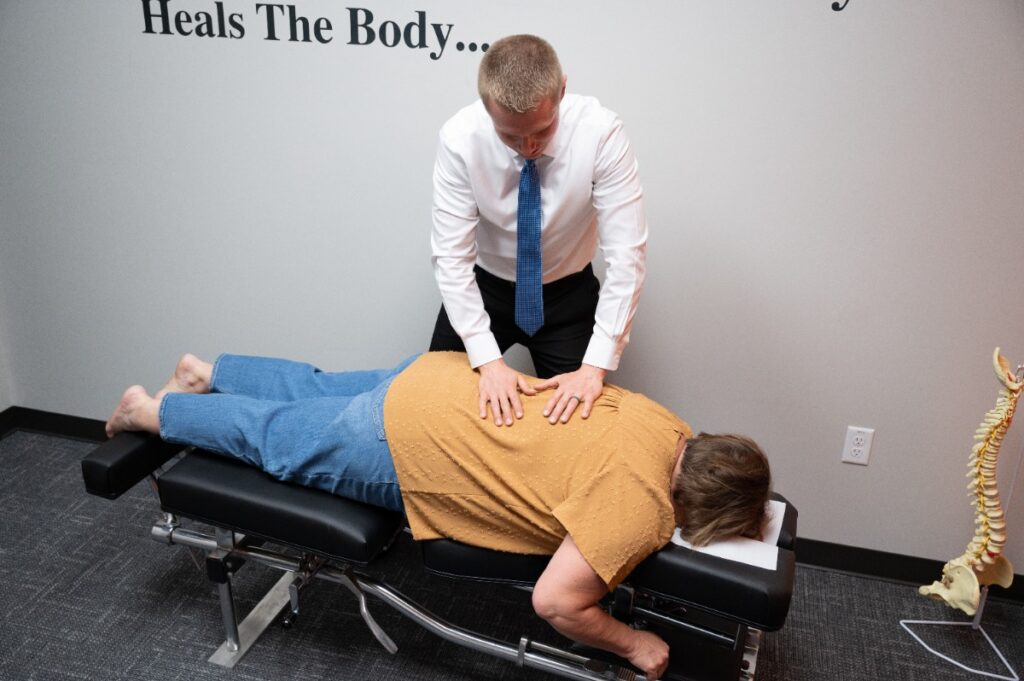
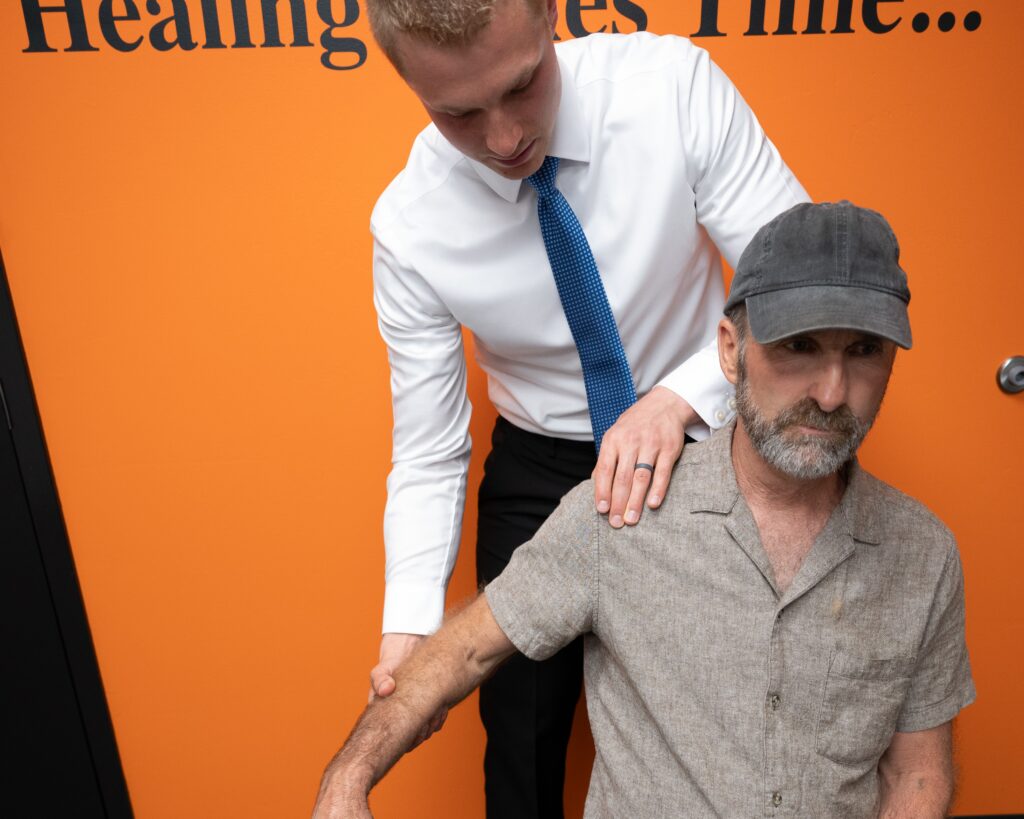
Chiropractic adjustments provide another effective avenue for managing chronic back pain. These hands-on techniques focus on aligning the spine, which can relieve pressure on nerves and improve mobility.
When you visit a chiropractor, they'll assess your posture, movement, and overall spinal health. Based on their findings, they'll perform specific adjustments to restore your spine's alignment.
During an adjustment, you might hear a popping or cracking sound, which is completely normal. This sound occurs when gas bubbles in your joints are released. You may feel immediate relief as the pressure is alleviated and your body starts to heal.
Regular adjustments can help maintain proper alignment and prevent future pain. Chiropractors often combine adjustments with other therapies, like massage or exercises, to enhance your recovery. Many people find that consistent visits lead to significant improvements in pain levels and overall function.
It's crucial to communicate openly with your chiropractor about your pain and progress to guarantee the best results.
If you're considering chiropractic care for chronic back pain, consult a licensed professional to discuss your specific needs and treatment options. With the right approach, you can reclaim a pain-free lifestyle.
Lifestyle Modifications
Making simple lifestyle modifications can greatly alleviate chronic back pain. You mightn't realize it, but the little choices you make every day can have a significant impact on your back health. By being mindful of your habits and making a few adjustments, you can help reduce discomfort and improve your overall well-being.
Here are three key lifestyle modifications to take into account:
- Improve Your Posture: Whether you're sitting at a desk or standing in line, maintaining good posture is essential. Keep your shoulders back, your spine aligned, and your feet flat on the floor. This will help reduce strain on your back muscles and prevent pain from becoming a chronic issue.
- Stay Active: Regular physical activity strengthens your back muscles and improves flexibility. Aim for at least 30 minutes of moderate exercise most days of the week. Activities like walking, swimming, or cycling can help you stay fit without putting too much pressure on your back.
- Manage Your Weight: Carrying excess weight can put additional strain on your back. By making healthier food choices and engaging in physical activity, you can maintain a healthy weight that supports your spine and reduces discomfort.
Implementing these lifestyle modifications may not yield immediate results, but over time, they can make a significant difference.
You'll likely find that by taking proactive steps, you can enjoy a more comfortable, pain-free life.
Home Remedies and Exercises
Home remedies and exercises can play an essential role in managing chronic back pain effectively. You don't need to rely solely on medications or invasive treatments. Simple practices at home can greatly alleviate discomfort and improve your quality of life.
Start with heat and cold therapy. Applying a heating pad can soothe muscle stiffness, while an ice pack can reduce inflammation. Alternate between the two for ideal relief.
Next, consider incorporating gentle stretches into your routine. Stretching helps improve flexibility and circulation, which can ease tension in your back. Focus on stretches like the cat-cow pose or child's pose to target those tight areas.
Don't forget the importance of strengthening exercises. Core stability is critical for back support, so engage in exercises like planks or bridges. These not only help alleviate pain but also prevent future issues by promoting better posture and muscle balance.
Also, consider using essential oils, such as lavender or peppermint. Dilute them with a carrier oil and massage them into your back for added relief.
Finally, practicing mindfulness techniques like deep breathing or meditation can help manage the emotional aspects of chronic pain, reducing stress and tension.
Conclusion
Incorporating these proven non-invasive solutions can greatly improve your chronic back pain. Embrace physical therapy, chiropractic adjustments, and mind-body techniques to enhance your flexibility and alignment. Don't forget the power of lifestyle modifications and home exercises to support your journey to relief. By taking these steps, you can regain control over your pain and elevate your quality of life. So, start today and discover a more comfortable, active you!