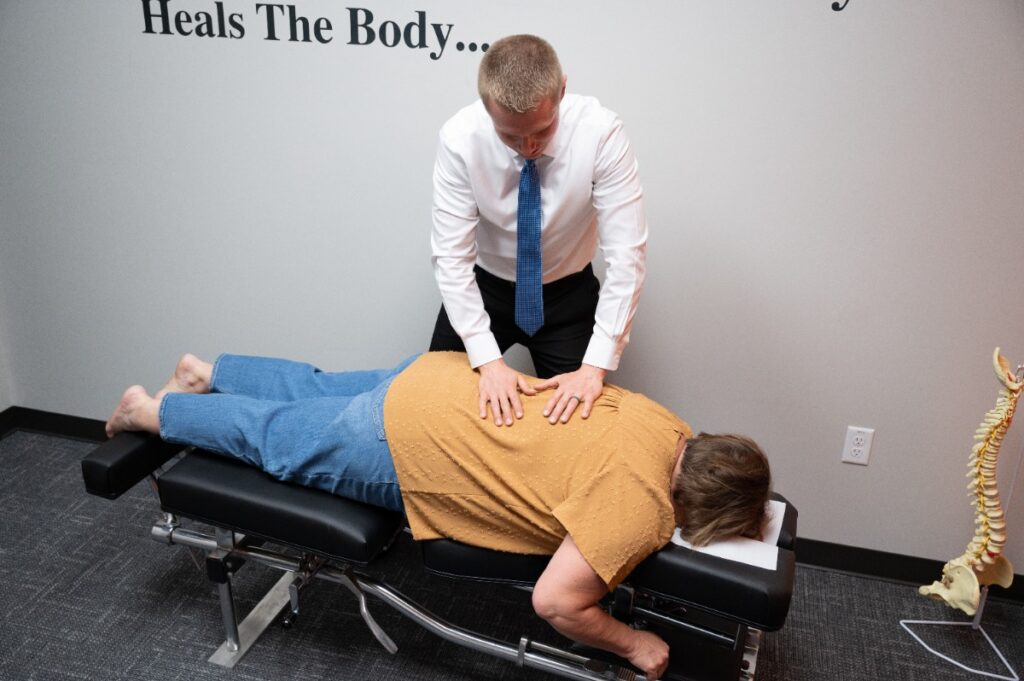

As a local chiropractor, I want to emphasize how simple lifestyle changes can significantly impact your journey toward preventing chronic pain. Many people may not realize the profound effects that regular exercise, proper ergonomics, and stress management can have on your overall well-being. It's essential to understand how these elements interact with your body, as this knowledge will help you develop a personalized strategy tailored to your needs.
So, what specific steps can you take to create a strong foundation for your health? Let's delve into the essential components that will empower you to navigate this journey effectively. By incorporating these practices into your daily life, you'll be well on your way to maintaining a pain-free lifestyle.
Understanding Chronic Pain
When we talk about chronic pain, it's crucial to understand that it's not just a physical sensation; it involves a complex blend of biological, psychological, and social factors. As a chiropractor, I want to help you realize that your experience of pain can be influenced by various elements, including your genetics, emotional well-being, and even your social surroundings.
You may find that your pain isn't solely tied to an injury or illness; it can also be affected by stress, anxiety, and your overall perception of your situation. Understanding chronic pain is the first step in recognizing how it can impact your daily life.
You might notice that certain activities become more difficult, or your mood fluctuates based on how you're feeling that day. This can lead to a cycle where pain increases anxiety or depression, which in turn can heighten your experience of pain.
It's important to differentiate between acute pain, which is typically temporary and connected to an injury or illness, and chronic pain, which lingers beyond the expected healing time. Chronic pain can persist for months or even years, often without a clear cause.
Additionally, you may encounter other symptoms, such as fatigue or sleep disruptions, which can complicate your situation further. As a chiropractor, I focus on holistic approaches to help manage and alleviate chronic pain.
Importance of Regular Exercise
As a local chiropractor, I want to emphasize the crucial role that regular exercise can play in managing chronic pain and enhancing your overall well-being. Many of my patients find that incorporating physical activity into their daily lives helps to strengthen muscles, improve flexibility, and boost endurance—all of which are essential for alleviating the intensity of pain they may be experiencing.
When you engage in exercise, your body releases endorphins, which are natural pain relievers that can uplift your mood and diminish feelings of discomfort.
It's important to note that you don't have to dive into high-impact workouts to experience these benefits. Simple activities like walking, swimming, or practicing yoga can be incredibly effective in promoting health and pain relief. If you're new to exercise or haven't been active for some time, I recommend starting slowly. Even short sessions of 10 to 15 minutes can yield significant results.
As your body becomes accustomed to activity, you can gradually increase the duration. To keep your routine engaging and comprehensive, I encourage you to incorporate a variety of exercises. Mixing strength training, stretching, and aerobic activities not only targets different aspects of your fitness but also helps prevent boredom.
This diversity is key to addressing all areas that contribute to pain relief and overall health. As you embark on your exercise journey, it's crucial to listen to your body. If you experience sharp pain or discomfort, it's important to stop and reassess.
Consistency is key, and sticking to a regular exercise routine can lead to long-term benefits, making it easier for you to manage chronic pain effectively. So, lace up your sneakers and take that first step towards a healthier, pain-free life—your body will thank you for it!
Ergonomics and Body Mechanics
As a local chiropractor, I want to emphasize the importance of posture, especially if you find yourself sitting for extended periods.
Maintaining proper posture is crucial in preventing discomfort and pain. Additionally, employing safe lifting techniques not only safeguards your back but also contributes to your overall health and well-being.
By understanding and applying principles of ergonomics and body mechanics, you can significantly lower your chances of developing chronic pain.
Proper Sitting Posture
As your local chiropractor, I want to emphasize the importance of maintaining proper sitting posture, especially for those of you who spend long hours at a desk. Good posture is essential for preventing chronic pain and supporting your overall well-being.
Start by ensuring that you sit all the way back in your chair, allowing it to provide support for your back. Your feet should rest flat on the floor, or on a footrest if your chair is too high. Keeping your knees at or just below hip level is crucial for promoting healthy circulation.
It's also important to adjust your chair height so that your elbows are at a 90-degree angle while typing, with your wrists remaining straight and relaxed. Position your monitor at eye level to avoid straining your neck; you shouldn't have to look up or down to see it. If you're working on a laptop, consider using an external keyboard and mouse to maintain proper alignment.
Make sure your chair offers good lumbar support. If it doesn't, using a cushion can help.
Additionally, I encourage you to take regular breaks to stand, stretch, and move around. This practice helps prevent stiffness and encourages better circulation throughout your body.
Remember, creating a workspace that fits your body is vital for your comfort and long-term health. By prioritizing your sitting posture, you're making significant strides toward a pain-free life, which is a fundamental aspect of natural healing and wellness.
If you have any questions or need further guidance, feel free to reach out during your next visit!
Safe Lifting Techniques
As a local chiropractor, I want to emphasize that good posture is crucial not only when sitting but also when lifting objects. Utilizing proper body mechanics is essential for avoiding injuries and preventing chronic pain, which is something I often see in my practice.
Here are some key safe lifting techniques that I encourage everyone to adopt:
- Bend at your hips and knees: This technique helps to maintain a strong and stable back while lifting, reducing the risk of strain.
- Keep the load close: By holding the object close to your body, you can significantly minimize strain on your back and support your spine better.
- Engage your core: Tightening your abdominal muscles acts as a natural brace for your spine, providing extra support during lifting.
- Avoid twisting: If you need to change direction, pivot with your feet instead of twisting your torso. This simple adjustment can prevent unnecessary stress on your back.
Before you lift anything, take a moment to evaluate the weight and size of the object. If it seems too heavy or cumbersome, please don't hesitate to ask for assistance or use equipment like a dolly. Your safety is the top priority.
By practicing these techniques consistently, you can protect your back and improve your overall efficiency while lifting. Incorporating these habits into your daily routine will significantly reduce the risk of chronic pain associated with improper lifting.
Stress Management Techniques
As a local chiropractor, I want to share some insights on how effectively managing stress can play a significant role in reducing the risk of chronic pain. Many patients may not realize that stress can lead to muscle tension and discomfort, which is why incorporating stress management techniques into your daily life is essential for overall well-being.
One of the most beneficial methods I recommend is practicing mindfulness through techniques such as meditation or deep breathing exercises. Taking just a few minutes each day to focus on your breath can help calm your mind and alleviate tension in your body. I encourage you to set aside specific time in your schedule to practice these techniques consistently.
Another effective way to combat stress is through physical activity. Exercise is a fantastic stress reliever because it releases endorphins, which naturally elevate your mood. Whether you prefer a brisk walk, a calming yoga session, or an energizing workout, find an activity that you enjoy and incorporate it into your weekly routine.
Additionally, the power of social support shouldn't be overlooked. Engaging in conversations with friends, family, or even a therapist about your stressors can provide valuable perspective and relief. Consider joining a support group or participating in social activities that foster connection and community.
Lastly, I want to emphasize the importance of prioritizing sleep. Poor sleep can heighten stress and contribute to pain, making it crucial to aim for 7-9 hours of quality rest each night. Establishing a relaxing bedtime routine and creating a comfortable sleep environment can greatly enhance your sleep quality.
Nutrition for Pain Prevention
As a local chiropractor, I often emphasize the importance of a balanced diet in supporting your body's ability to prevent and manage chronic pain. Nutrition plays a crucial role in your overall health and can significantly impact how your body responds to pain. By choosing the right foods, you can help reduce inflammation, strengthen your muscles, and enhance your overall well-being.
Here are some essential dietary components I encourage you to consider:
- Anti-inflammatory foods: Think of incorporating plenty of colorful fruits and vegetables, whole grains, and healthy fats such as olive oil and avocados. These foods are known to combat inflammation, which can often be a major contributor to persistent pain.
- Lean proteins: Opt for lean sources of protein like fish, poultry, beans, and legumes. These aren't only vital for muscle repair and growth but also support your body in maintaining strength and resilience.
- Omega-3 fatty acids: Foods rich in omega-3s, such as fatty fish like salmon and walnuts, can be particularly beneficial. These healthy fats have been shown to help reduce inflammation and may provide relief from pain.
- Hydration: Never underestimate the power of staying hydrated! Drinking enough water is essential for your body's optimal function and can help alleviate discomfort.
By focusing on these nutritional aspects, you can take proactive steps toward managing pain and improving your overall health.
Building a Support Network
As your local chiropractor, I want to emphasize the importance of building a strong support network for effectively managing and preventing chronic pain.
Start by identifying those key individuals in your life—family members, friends, or colleagues—who can provide both emotional and practical support as you navigate your healing journey.
In addition, I encourage you to explore local support groups or online communities dedicated to chronic pain management.
Connecting with others who share similar experiences can offer you valuable insights and encouragement.
Remember, chiropractic care and natural healing are most effective when complemented by a supportive environment.
Together, we can work towards a healthier, pain-free life.
Identify Key Support Figures
When it comes to managing and preventing chronic pain, having a strong support network can significantly enhance your healing journey. As your local chiropractor, I want to emphasize the importance of identifying key support figures in your life. These individuals can help keep you motivated, provide emotional reassurance, and offer practical help when you need it the most.
Here are some important types of support figures to consider:
- Family Members: Your family knows your history and can offer the encouragement and understanding that you need while navigating your pain management journey. Their support can be invaluable.
- Friends: Close friends can provide companionship and a much-needed distraction, allowing you to focus on maintaining a positive outlook and lifestyle. They can join you in activities that promote wellness and help you stick to your treatment plans.
- Healthcare Professionals: As your chiropractor, I'm here to provide tailored advice and treatment options specifically designed to address your needs. Alongside other healthcare professionals like physical therapists and counselors, we can work together to create a comprehensive approach to your care.
- Mentors or Coaches: Individuals who've experienced similar challenges can offer unique insights and strategies that have been effective for them. Their firsthand experience can be a source of inspiration and practical advice.
By surrounding yourself with these key support figures, you can create a strong foundation for your natural healing journey.
Join Local Support Groups
As a local chiropractor, I want to emphasize the importance of joining local support groups as part of your journey toward managing chronic pain. These groups can significantly enhance your understanding of chiropractic care and natural healing methods. They provide a safe environment where you can share your experiences and learn from others who are navigating similar challenges in their health journeys.
When you connect with individuals facing similar issues, you quickly realize that you aren't alone in your struggles. This sense of community is vital; it can help alleviate feelings of isolation and hopelessness that often accompany chronic pain.
In these support groups, discussions are often guided by trained facilitators or healthcare professionals, including chiropractors like myself. We can offer valuable insights into pain management strategies, including the benefits of chiropractic adjustments and holistic healing practices. By participating, you'll gain access to resources that can help you effectively navigate your pain management journey.
Sharing your story not only empowers you but also promotes personal growth and resilience. As you connect with others, you may find friendships that extend beyond the meetings. These relationships can lead to social activities and a robust support network, which is essential for maintaining motivation and engagement in your recovery process.
Incorporating local support groups into your routine can significantly improve your emotional well-being while providing you with practical tools to manage your chronic pain more effectively.
Don't hesitate to explore these valuable resources, and remember that we're here to support you on this journey toward better health.
Utilize Online Communities
In today's world, one of the most valuable resources for managing chronic pain can be found in online communities. As a chiropractor, I understand that navigating pain can feel isolating, but these platforms offer not just information, but also a supportive network of individuals who share similar experiences.
Engaging with others who are on their healing journey can provide insights, coping strategies, and encouragement that complement the care you receive in my office.
Here are some key benefits of participating in these online communities:
- Access to Diverse Perspectives: You'll have the opportunity to learn from a variety of experiences, discovering new methods and strategies for pain management that you mightn't have considered.
- 24/7 Support: These communities provide a space where you can connect with others any time of day, making it easier to seek encouragement and advice when you need it most.
- Resource Sharing: Members often share valuable recommendations for healthcare professionals, effective therapies, and natural pain management techniques that align with chiropractic care.
- Increased Motivation: Engaging in discussions or challenges can inspire you to remain active and foster a positive mindset, which is crucial in the healing process.
As you explore these online resources, remember that I'm here to support you with personalized chiropractic care and holistic healing strategies tailored to your unique needs.
Conclusion
As your local chiropractor, I want to share some holistic strategies that can significantly help you reduce your risk of chronic pain. Engaging in regular exercise is vital; it strengthens your body and enhances your resilience against pain. Mindful nutrition also plays a crucial role in maintaining your overall health and well-being.
It's important not to overlook the benefits of proper ergonomics in your daily activities. This can help prevent strain and discomfort that could lead to chronic issues. Additionally, managing stress is essential; high stress can contribute to tension and pain in your body. Surrounding yourself with a supportive network of friends and family can make a big difference in your healing journey.
Remember, the key is to take small, consistent steps toward better health. Prioritizing your well-being today sets the foundation for a healthier, pain-free tomorrow. As your chiropractor, I'm here to guide you in making these positive changes so you can enjoy life without the burden of chronic pain.