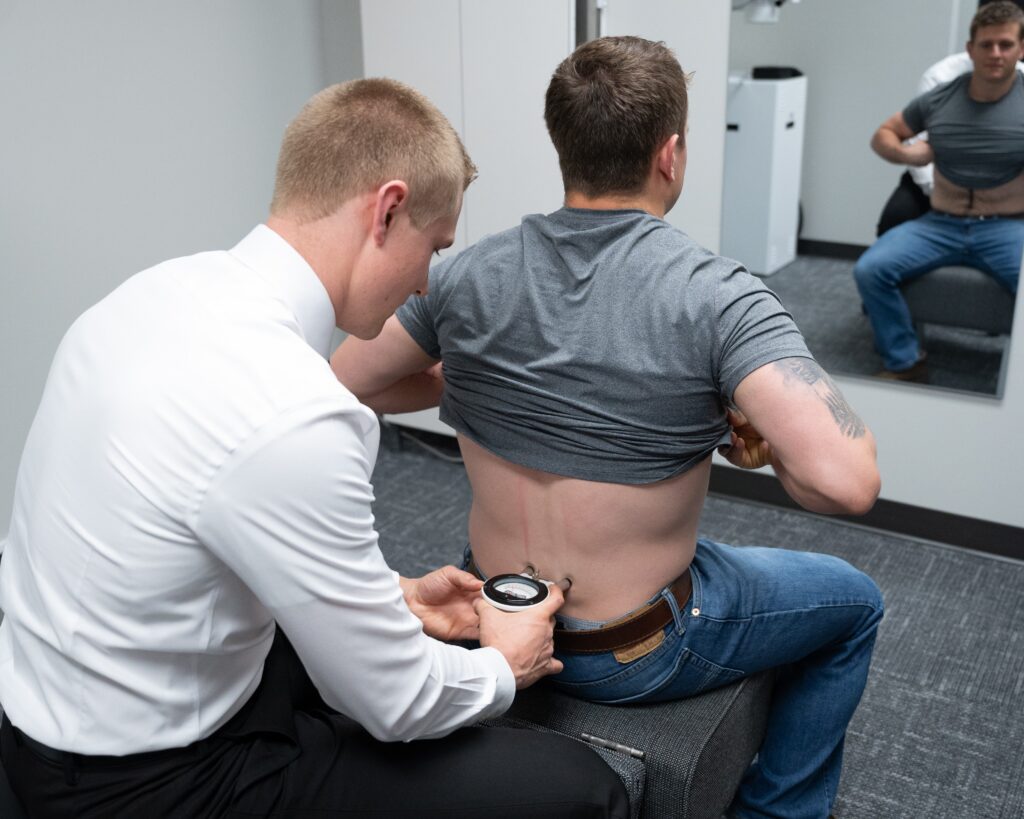
As a local chiropractor, I want to emphasize the crucial role that your posture plays in the overall health of your back. Many people underestimate how poor alignment can contribute to discomfort and pain in their daily lives. It’s important to recognize that even small adjustments in your workspace and daily habits can lead to significant relief from back strain.
So, what specific changes can you make to experience real improvements? By incorporating these posture tips into your routine, you can create a more supportive environment for your spine and enhance your overall well-being. Understanding these simple yet effective strategies could truly transform how you feel on a daily basis and pave the way for a healthier back.
Understanding the Impact of Poor Posture on Back Pain
As a local chiropractor, I want to help you understand how poor posture can significantly impact your back health. Many people don’t realize that when you slouch or sit for extended periods without adequate support, it can lead to muscle strain, tension, and discomfort in your spine.
When you hunch over, your muscles have to work harder to keep you balanced, which can create imbalances and lead to pain over time. You may also notice that poor posture can affect your breathing, making it shallow and limiting oxygen flow. This, in turn, can contribute to feelings of fatigue and discomfort.
If these habits persist, they can develop into chronic issues that make even simple daily activities feel daunting. But the good news is that you can make simple changes to your posture that can have a profound effect on your well-being.
For example, sitting up straight or using a chair that supports your lower back can make a significant difference. By becoming more aware of how your posture impacts your back pain, you can take proactive steps towards improving your alignment.
Remember, your posture isn’t just about how you look; it plays a crucial role in your overall back health. As you consider these adjustments, know that chiropractic care can also support you in maintaining proper alignment and alleviating discomfort.
Together, we can work toward a healthier spine and a more comfortable life.
The Importance of Ergonomic Workspaces
As a local chiropractor dedicated to your well-being, I want to emphasize the importance of creating an ergonomic workspace to prevent back pain and promote overall health.
It’s crucial to adjust your desk height to ensure your arms are at a comfortable angle while typing. Additionally, selecting a chair that provides adequate support for your lower back is vital.
Positioning your computer screen at eye level can help you maintain a neutral neck position, reducing strain. By implementing these simple changes, you can significantly enhance your posture and comfort while working, ultimately supporting your spinal health and preventing discomfort.
Desk Height Adjustment
As a local chiropractor, I want to emphasize the importance of desk height adjustment for your overall comfort and productivity, especially if you find yourself spending long hours at a computer.
When your desk is set at the optimal height, your elbows should rest at a 90-degree angle. This position encourages relaxed shoulders and significantly reduces strain on your back.
If your desk is too high, you may find yourself hunching over, which can lead to discomfort and misalignment. Conversely, if it’s too low, you risk straining your wrists, which can lead to issues down the line.
It’s also crucial to ensure that your monitor is at eye level to prevent neck strain.
Utilizing adjustable desks or risers can help you achieve the perfect fit for your body. By making these adjustments, you can create a more ergonomic workspace that promotes good posture and helps prevent back pain.
Chair Support Features
As a chiropractor, I want to emphasize the importance of choosing the right ergonomic chair to support your spine and overall health, especially if you spend long hours sitting. A chair that offers lumbar support is crucial, as it helps maintain the natural curve of your spine, reducing the risk of back pain.
Adjustable seat height is another key feature to look for; it ensures that your feet can rest flat on the floor, which promotes healthy blood circulation. Additionally, adjustable armrests are important—they help support your arms and can prevent unnecessary strain on your shoulders.
It’s also vital to consider the chair’s seat depth. A proper seat depth allows you to sit back comfortably while keeping your knees slightly bent, which is better for your posture.
The materials used in the chair can make a difference too; breathable fabrics can help keep you cool and focused during your work hours.
Investing in a quality ergonomic chair can significantly enhance your comfort and productivity while helping you maintain a pain-free experience throughout the day.
Screen Positioning Guidelines
As a local chiropractor, I want to share some important insights about how the positioning of your screen can significantly impact your overall well-being, particularly regarding back and neck pain.
It may not be something you think about often, but where you place your monitor can make a big difference. For optimal health, your monitor should be set at eye level and positioned about an arm’s length away from you. This helps prevent unnecessary strain on your neck and discourages you from leaning forward, which can lead to discomfort and pain over time.
If you’re using a laptop, I highly recommend investing in a separate keyboard and an adjustable stand to elevate the screen to the right height. When you sit comfortably, the top of your screen should align with your eyes.
Additionally, tilting the screen slightly back can help reduce glare, making it easier on your eyes. Don’t forget to adjust your chair height as well; your feet should rest flat on the floor to create a solid base for your posture.
Making these adjustments now can help you avoid pain and discomfort in the future. Remember, taking care of your body is essential for maintaining a healthy lifestyle, and simple changes like these can go a long way in supporting your spine and overall health.
Tips for Maintaining Good Posture While Sitting
As a local chiropractor, I want to share some essential tips for maintaining good posture while sitting, which is crucial for your overall spinal health.
First, adjust your chair height so that your feet rest flat on the floor. This simple change helps support your lower back effectively.
I recommend using lumbar support in your chair, as it promotes the natural curve of your spine.
These small adjustments can significantly enhance your comfort and improve your posture over time, ultimately contributing to better health and well-being.
Adjust Chair Height
As a local chiropractor, I want to emphasize the importance of adjusting your chair height to promote good posture, especially for those of you who spend extended hours at a desk. Proper chair height is crucial for your spinal health and overall well-being. When your chair is at the correct height, it provides the necessary support for your back and allows your feet to rest comfortably on the floor.
If your chair is too high, you may find yourself straining your neck or developing a slouched posture, which can lead to discomfort and tension in your body. Conversely, if your chair is too low, you might lean forward, putting unnecessary pressure on your spine over time.
To determine the ideal height for your chair, sit all the way back in your seat and ensure that your knees are at a 90-degree angle. Your thighs should be parallel to the ground, and your arms should rest comfortably at desk level.
This simple adjustment can significantly enhance your comfort and help maintain proper alignment, reducing the risk of pain and injury. Remember, taking these small steps towards ergonomic sitting can have a positive impact on your health!
Keep Feet Flat
As a local chiropractor, I want to emphasize the significance of proper posture for your overall well-being, and one crucial aspect is keeping your feet flat on the floor while sitting. This simple adjustment can make a world of difference in how your body feels.
When your feet are flat, it allows for even weight distribution, which in turn reduces strain on your lower back. If your feet dangle or are propped up on an unstable surface, it’s common to find yourself slouching or shifting in your seat, leading to discomfort and potential pain.
To help you achieve this ideal posture, I recommend adjusting your chair height so that your knees are at a 90-degree angle. If your feet don’t comfortably reach the floor, consider investing in a footrest. This small change not only supports your posture but also promotes better circulation throughout your body.
Use Lumbar Support
As a chiropractor, I want to emphasize the importance of using lumbar support to maintain proper spinal alignment, especially if you spend long hours sitting at a desk. Proper lumbar support helps preserve the natural curve of your lower back, which can significantly reduce strain and prevent discomfort over time.
When selecting lumbar support, it’s crucial to find a cushion that fits snugly against your lower back, offering sufficient support without forcing your body into an unnatural position. Additionally, ensure your chair height is adjusted so that your feet rest flat on the floor and your knees are at a 90-degree angle.
If your chair lacks built-in lumbar support, investing in an ergonomic cushion can make a world of difference.
Remember, good posture goes beyond merely sitting up straight; it involves providing your spine with the support it needs for long-term health. By taking these simple steps, you can promote better spinal health and overall well-being.
Your back will truly appreciate the care you give it!
Strategies for Standing Tall and Confident
As a chiropractor, I want to share how standing tall and confident can significantly impact your overall well-being, both physically and mentally. Good posture is essential not only for your spine but also for how you perceive yourself.
To start improving your posture, focus on grounding your feet firmly on the floor, about shoulder-width apart. Distributing your weight evenly between both feet and engaging your core muscles will provide better support for your spine.
It’s important to pull your shoulders back and down, avoiding any tendencies to hunch, as this can lead to discomfort and misalignment. Picture a gentle string pulling you upward from the crown of your head; this visualization helps elongate your spine and encourages a natural alignment.
Incorporating deep breathing into your daily routine can also assist in relaxing your body and centering your mind, which is crucial for maintaining a composed posture.
I recommend using mirrors or reflective surfaces to check in on your posture throughout the day; this kind of awareness can help reinforce positive habits.
When you walk, try to lead with your chest and keep your head held high. This not only enhances your posture but also encourages a confident demeanor.
Remember, true confidence radiates from within, so cultivating a positive mindset is vital for enhancing your overall presence.
Posture Corrections for Mobile Device Usage
As a chiropractor, I often see patients who experience discomfort from using their mobile devices without proper posture. It may seem harmless to scroll through your phone, but poor habits can lead to significant issues over time. To protect your spine and overall health, here are some essential tips to keep in mind.
First, always hold your device at eye level. This simple adjustment helps keep your neck aligned and prevents unnecessary leaning forward, which can strain your muscles. Remember to keep your shoulders relaxed and down, avoiding that common tendency to hunch them up towards your ears.
If you’re seated while using your device, opt for a supportive chair that promotes an upright posture. Your feet should rest flat on the ground, and your back should be fully supported by the chair.
It’s also beneficial to take breaks every 20 minutes. Stand up, stretch, and give your body a moment to reset; these actions can alleviate tension and foster better alignment.
Additionally, engaging your core muscles slightly while using your device can provide extra support for your spine. This small effort can make a significant difference in how you feel.
Exercises to Strengthen Your Back and Core
As a local chiropractor, I want to emphasize the importance of incorporating specific exercises into your daily routine to enhance your overall posture and spinal health. Many of us spend significant time on mobile devices, which can lead to poor posture and discomfort.
Strengthening your back and core muscles is vital for maintaining a healthy spine and alleviating any pain you might be experiencing.
Let’s start with planks, a fantastic exercise that engages your entire core and boosts stability. I recommend beginning with a 30-second hold and gradually increasing your time as you become stronger.
Another excellent exercise is the bird-dog. While on all fours, extend one arm and the opposite leg, which helps promote balance and coordination.
Don’t overlook back extensions, either. By lying face down and lifting your chest off the ground, you can effectively target your lower back muscles.
Additionally, bridges are a great way to strengthen your glutes and lower back. Simply lie on your back with your knees bent and lift your hips toward the ceiling. Aim for three sets of 10-15 repetitions.
By committing to these exercises, you’ll build a robust foundation that supports better posture and can significantly reduce back pain.
Stretching Techniques for Improved Flexibility
As a local chiropractor, I want to share with you the importance of incorporating effective stretching techniques into your routine to enhance your flexibility and support better posture.
It all starts with warming up your muscles through dynamic stretches. Simple movements like arm circles and leg swings increase blood flow and prepare your body for deeper stretches.
Once your muscles are warmed up, it’s time to focus on static stretches. I recommend holding each stretch for 15 to 30 seconds, particularly targeting areas that are often tight, such as your hamstrings, hip flexors, and lower back.
For example, a seated forward bend is excellent for improving hamstring flexibility, while the cat-cow stretch can significantly enhance your spinal mobility.
Don’t overlook your shoulders! Incorporating shoulder rolls and cross-body arm stretches can help relieve tension in this area.
I suggest practicing these stretches at least three times a week. Not only will this routine improve your flexibility, but it will also help maintain proper posture and reduce the risk of back pain.
Remember, it’s crucial to listen to your body and avoid pushing yourself too hard during these stretches.
Consistency is key for achieving lasting results. By integrating these techniques into your life, you can support your overall health and well-being naturally.
The Role of Footwear in Posture and Back Health
As a local chiropractor, I want to emphasize the importance of your flexibility routine in supporting your overall posture, but it’s crucial not to overlook the significant role your footwear plays in maintaining back health.
The shoes you wear can either enhance or hinder your posture, which directly impacts your spine’s alignment and your comfort throughout the day.
Choosing shoes with appropriate arch support is vital. These shoes help distribute your weight evenly across your feet, reducing unnecessary strain on your back.
I recommend steering clear of high heels and overly flat shoes, as they can disrupt your balance and place additional pressure on your spine.
When you’re shopping for footwear, prioritize styles that offer stability and cushioning. Sneakers and supportive sandals are often excellent choices.
If you find yourself on your feet for prolonged periods, consider using orthotic inserts to provide extra support and comfort.
Remember, your feet are the foundation of your posture. Investing in quality footwear is a proactive step towards ensuring proper alignment and preventing back pain.
Incorporating Mindfulness and Body Awareness
As a chiropractor, I want to emphasize the importance of mindfulness and body awareness in enhancing your posture and alleviating back pain. These practices aren’t just buzzwords; they’re essential tools that you can incorporate into your daily life. By tuning into your body, you can become more aware of tension and misalignment before they escalate into discomfort.
A great place to start is with mindful breathing. Take a moment to engage in slow, deep breaths. This simple practice helps you center yourself and connect with your body, allowing you to notice how you’re sitting or standing throughout your day.
I encourage you to regularly check in with your posture. Ask yourself: Are my shoulders slumped? Is my back rounded? Making small adjustments to align your spine and relax your muscles can make a significant difference in how you feel.
Additionally, incorporating short body scans into your routine can be beneficial. Take a few moments to focus on different areas of your body, paying attention to any tightness or discomfort. This heightened awareness empowers you to address any issues before they turn into more significant problems.
Conclusion
As a local chiropractor, I want to share some valuable insights on how you can alleviate back pain through simple adjustments to your posture and workspace. It’s important to understand that proper posture is crucial for maintaining a healthy spine and overall well-being. Start by ensuring your chair height is appropriate for your body, and consider using lumbar support to maintain the natural curve of your lower back. Position your computer screen at eye level to avoid straining your neck and back.
Being mindful of your posture is essential, whether you’re sitting, standing, or using your mobile devices. I encourage you to incorporate exercises and stretches into your daily routine, as they can significantly contribute to your spinal health. By applying these tips, you’ll not only experience greater comfort but also promote a healthier lifestyle that supports your back. Remember, chiropractic care is here to help guide you on your journey to wellness and relief from back pain.