
Share this episode:
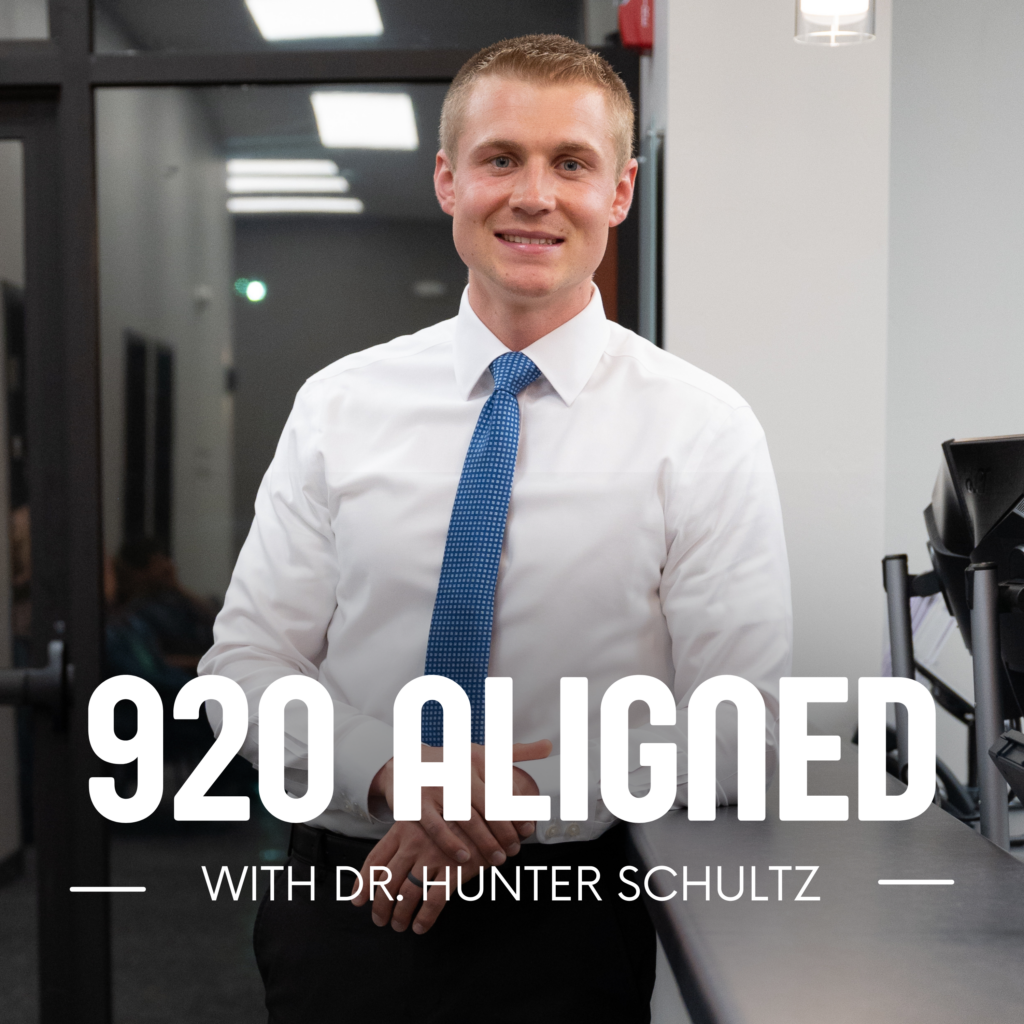
If you spend any time behind the wheel, your driving posture may be quietly contributing to neck pain, back pain, and built-up tension. In this episode, Dr. Hunter Schultz of 920 Chiropractic Health & Injury Care in Green Bay breaks down exactly how the way you sit in your car affects your spine and overall comfort.
Dr. Schultz walks listeners through practical, easy-to-implement adjustments that can make a significant difference in how you feel during and after your drive. Whether you have a short commute or spend hours on the road, these tips are designed for everyday drivers looking for real relief.
Tune in to learn how small changes to your seat position and posture habits can help you arrive at your destination feeling better than when you left.
Hey there, and welcome back to the podcast. I’m Doctor Hunter Schultz with Nine Twenty Chiropractic Health and Injury Care here in Green Bay. Today we’re talking about something that affects just about every single one of us… driving. Specifically, how the way you sit in your car might be quietly causing you neck pain, back pain, and tension that builds up over time. And here’s the good news. There are some really simple things you can do to feel a whole lot better on the road.
So let me ask you something. How long is your daily commute? Maybe it’s ten minutes. Maybe it’s forty five minutes each way. Whatever it is, think about what your body is doing during that time. You’re sitting in one position, often not a great one, with vibration coming up through the seat, your arms reaching forward, and your eyes focused ahead. Do that day after day, and your spine starts to feel it.
Now here’s the thing. Most people don’t realize their car seat is adjustable in more ways than they think. And a few small changes can make a really big difference.
Let’s start with your seat position. You want to be close enough to the steering wheel that your arms have a slight bend at the elbow when you’re holding it. A lot of people sit way too far back and end up reaching forward the whole time. That reaching puts strain on your shoulders and pulls your upper back out of alignment. So scoot in a little closer than you think you need to.
Next, let’s talk about your seat back. Most people recline it too far. I see this all the time. When your seat is too reclined, your head has to come forward to see the road, and that forward head position puts serious stress on your neck and upper back. You want your seat back to be pretty close to upright. Not perfectly vertical, but somewhere around one hundred to one hundred ten degrees of recline. Think of it like sitting in a supportive chair at your desk. Tall, supported, not slumped.
Now, lumbar support. Most modern cars have a lumbar adjustment built right into the seat. If yours does, use it. You want that lower back curve supported. If your car doesn’t have it, a small rolled up towel or a lumbar pillow placed right at the curve of your lower back works really well. That support helps your whole spine stack properly and takes pressure off your discs.
Here’s something simple that a lot of people overlook. Check your headrest. It should be positioned so the middle of the headrest lines up with the middle of the back of your head. Not your neck, not the top of your head… the middle of the back of your head. This matters for safety and for reducing neck strain on long drives.
Now let me give you one practical tip that costs nothing. Every thirty to forty five minutes, whether you’re on a road trip or just doing errands, try to stop and get out of the car for just two or three minutes. Walk around. Roll your shoulders back. Gently look left and right to loosen up your neck. That little reset does more for your body than people realize.
And when you’re driving, try to stay aware of your grip on the wheel. A tight white knuckle grip tenses up your forearms, shoulders, and neck. Hold the wheel firmly but relaxed. Think loose and in control, not clenched and stressed.
So when should you come see us? Well, if you’re already dealing with neck tightness after your commute, lower back pain that seems to flare up on driving days, or tension headaches that show up later in the day after a lot of time in the car… those are signs your body is telling you something. A chiropractic evaluation can help us figure out what’s going on and get you moving and feeling better.
And even if you’re not in pain right now, there’s real value in getting checked out. We can look at how your spine is doing and help you stay ahead of problems before they become something bigger.
Alright, that’s a wrap for today. I really appreciate you tuning in. If you have questions or you’re ready to come in, give us a call or find us online. We’re Nine Twenty Chiropractic Health and Injury Care, right here in Green Bay. We’d love to help you feel your best, whether you’re behind the wheel or anywhere else life takes you. Take care, drive safe, and we’ll talk again soon.

Great service! I came in with a lot of back pain from work, and I noticed a huge difference right after the first session. The doctor takes the time to explain everything clearly and the adjustments are very professional. Highly recommended!

I have had back and hip pain for years! Yesterday I had my appointment and I just need to brag on them. The ladies take such good care of me and Dr Hunter is always so encouraging and informative! Yesterday I was hurting so bad, and he straightened me right out. I felt so good after the alignment! Give 920 Chiropractic a call.

I have never been to a chiropractor before. I've heard stories since my high school days about how they "work wonders". My girlfriend, who works the in the medical field is somewhat skeptical. So honestly, I was on the fence. I've been having significan back and neck issues, and the doctors have not been particularly fruitful in their efforts. So, I gave it a whirl. It took a few sessions and some faith on my part, but yeah, my back is way better, after a few weeks. I can honestly say it was money well spent, and the quacks at Bellin need to rethink what they're doing in the medical field. Now, as for this place... I'll start with the staff at the front desk (keeping the names private as a courtesy). They are wonderfully friendly and helpful. I hope they continue working there for a long time because 33% of my visit is seeing and bantering with them. Truly great. And then there's Mr. Backfixer himself, Dr. Shultz, who certainly knows what he's doing. Holy cats, he has some decent talent. That pain I had is WAY more manageable now. I mean, I can actually look behind myself, without having an episode of 'My Painful Existence'. I sincerely wished I had done this sooner. It would have saved so much time, hassle, and money. All-in-all, it is worth it. 5 wedges of cheese out of 5.

I come here for my adjustments and always have a great experience! The front desk staff is super friendly and helpful. The doctor takes the time to explain everything clearly and has a plan to address my issues. I’m really glad I found this place and definitely recommend it!

The Decompression table is helping with my lower back issues and avoid surgery

I sustained neck and back injuries while in the Marines 20 years ago. I have had chiro work done throughout these years but nothing can compare to the relief I experience from the spinal decompression. Between that, along with the friendly staff and expert care I highly recommend coming here. You wont be disappointed.

Have been pain free since coming here! Can't be happier, glad I made the choice to come in.

Absolutely love it here! Have had so many problems for over 5+ years with my jaw, neck, shoulders, etc and Dr. Schultz has already helped me tremendously even after only a few sessions! 10/10 definitely recommend!! 🙌🏻💯

So grateful for everyone at 920, I’ve never felt better!

Super happy with my treatments. Everything is working well again. Would certainly recommend to anyone.

I am so grateful for Dr. Shultz, Faith and even the new girl whose name escapes me.😬. I came in with a severe herniated disc with nerve impingement which made it hard for me to stand for more than a couple minutes and had me walking either a walker. For 8 months I was passed around from dr to dr either no relief from anything. Within 4 session I was able to ditch the walker and I am improving with every session. I have my life back and look forward to a future with no pain! Thanks you guys, you’re amazing!

Very friendly and professional. My back feels so much better since I started coming here. Highly highly recommend!