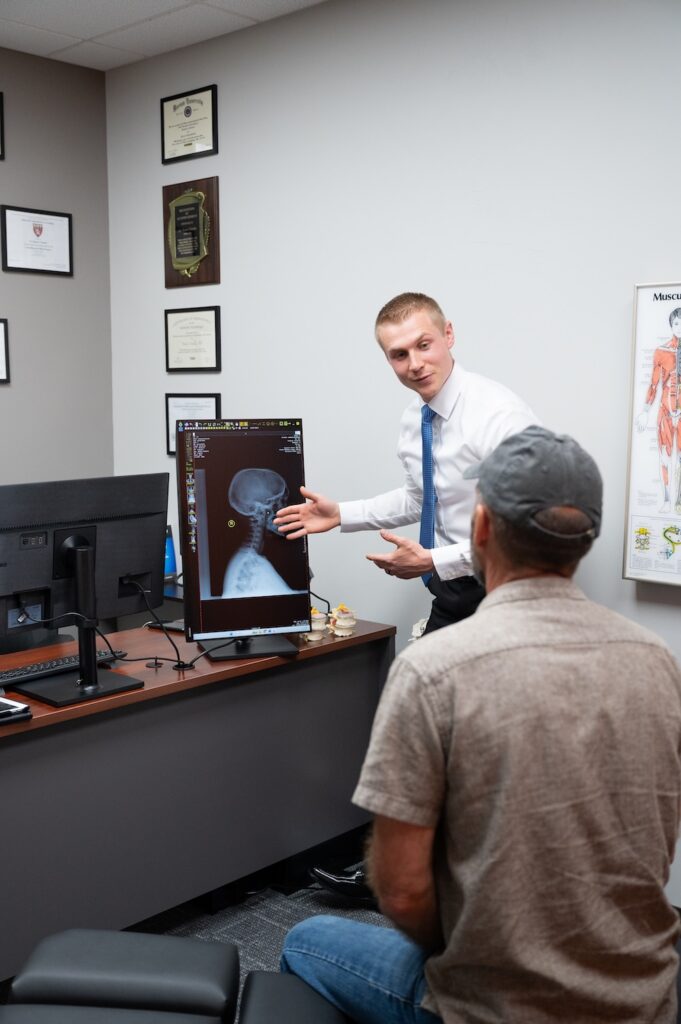

As a local chiropractor, I want to share an important insight: up to 80% of neck pain can be prevented with simple daily habits. By making a few adjustments to your routine, like improving your posture and setting up an ergonomic workspace, you can significantly reduce discomfort.
But the journey to a pain-free neck doesn’t end there. Incorporating regular stretching and practicing mindfulness can also play a crucial role in maintaining your neck health. Stretching helps to keep your muscles flexible and can alleviate tension, while mindfulness can assist in reducing stress, which often contributes to neck pain.
Here are some practical tips to enhance your well-being and keep neck pain at bay:
- Posture Check: Maintain a neutral spine while sitting and standing. Imagine a string pulling you up from the top of your head.
- Ergonomic Workspace: Ensure your computer screen is at eye level, and your chair supports your lower back. Take breaks to move around and stretch.
- Stretch Regularly: Incorporate gentle neck stretches into your daily routine. Try tilting your head side to side and rotating your neck slowly.
- Mindfulness Practice: Spend a few minutes each day practicing deep breathing or meditation to ease tension and promote relaxation.
- Chiropractic Care: Regular visits to your chiropractor can help maintain spinal alignment and overall neck health, providing natural relief from pain and discomfort.
By embracing these habits and prioritizing chiropractic care, you can pave the way for a healthier, pain-free life. Remember, your spine is the foundation of your health—let’s keep it strong together!
Key Takeaways
- Create an ergonomic workspace by adjusting your desk height and monitor position. This not only minimizes neck strain during your daily activities but also sets the foundation for a healthier spine, which is crucial for overall wellness.
- Remember to take short breaks every hour. Stand up, stretch your body, and relieve tension in your neck and upper back. These small pauses can make a big difference in how you feel throughout the day.
- Good posture is essential! Whether you’re using your phone or working on a computer, maintaining proper alignment helps reduce muscle fatigue and discomfort. Think of it as a simple way to support your spine and keep your body feeling great.
- Invest in a supportive pillow that keeps your neck aligned with your spine while you sleep. This is key for optimal rest and can significantly contribute to overall neck health. A good night’s sleep is vital for your body to heal and recharge.
- Incorporate daily neck exercises and stretches into your routine. Not only do they enhance flexibility and strengthen your neck muscles, but they also play a critical role in preventing pain. Remember, consistent care and attention to your body can make a world of difference.
By adopting these habits, you can support your spinal health and enjoy a pain-free life. As a chiropractor, I encourage you to make these small changes to promote natural healing and wellness without the need for medications or surgeries. Your body deserves the best care, and chiropractic can help you achieve just that!
Understanding Neck Pain and Its Causes
Neck pain can sneak up on you, often arising from everyday habits or injuries that you mightn’t even be aware of. One of the most common culprits is poor ergonomics—like spending long hours hunched over your computer or looking down at your smartphone. These positions can strain your neck muscles, leading to discomfort over time.
Even sleeping in an awkward position can contribute to persistent pain in the neck area. Injuries from sports, accidents, or whiplash can also play a significant role, causing inflammation and tension in the neck. Additionally, stress is a common factor; when you’re feeling stressed, you might unconsciously tighten your neck muscles, which can add to your discomfort.
Understanding these causes is crucial for prevention. By recognizing the habits that contribute to neck pain, you can take proactive steps to protect your neck and improve your overall well-being. Here are some helpful tips to consider:
- Ergonomic Setup: Ensure your workspace is set up properly. Your screen should be eye level, and your chair should provide good support to keep your spine aligned.
- Take Breaks: Make it a habit to take short breaks every hour. Stand up, stretch, and move around to relieve tension in your neck.
- Mind Your Posture: When using your phone or computer, try to keep your head aligned with your spine. Avoid looking down for extended periods.
- Sleep Smart: Invest in a supportive pillow that keeps your neck aligned while you sleep. Try to sleep on your back or side rather than your stomach.
- Chiropractic Care: Regular chiropractic adjustments can help alleviate neck pain and improve spinal alignment. A chiropractor can provide personalized care to address your specific needs and guide you on maintaining a healthy neck.
By incorporating these simple changes into your daily routine and considering chiropractic care, you can take significant steps towards preventing neck pain and achieving a healthier, more comfortable life.
The Importance of Good Posture
Good posture is crucial for maintaining a healthy spine and preventing discomfort, especially in the neck area. As a chiropractor, I want to emphasize how proper alignment can significantly reduce strain on your muscles and joints, leading to long-term wellness.
Here are some key reasons why good posture matters and how chiropractic care can support you in achieving it:
- Alignment of Bones and Joints: Good posture helps align your bones and joints properly. This alignment reduces wear and tear on your body, which is essential for preventing pain and discomfort. Regular chiropractic adjustments can help keep your spine in optimal alignment.
- Minimized Muscle Fatigue: When you maintain good posture, you reduce the strain on your muscles, allowing you to stay energized throughout the day. Chiropractic care can help identify areas of tension and provide gentle adjustments to relieve that stress.
- Improved Circulation and Nerve Function: Maintaining proper posture enhances blood circulation and supports better nerve function, contributing to your overall well-being. Chiropractic treatments focus on restoring proper alignment, which can help your body function more efficiently.
- Boosted Confidence: Good posture not only makes you feel better physically, but it can also boost your confidence. Standing tall and aligned can make you appear more self-assured. A chiropractor can guide you on exercises and stretches that promote good posture and enhance your presence.
- Reduced Risk of Chronic Pain: By focusing on proper posture, you can decrease the likelihood of developing chronic neck pain and other related issues. Regular chiropractic adjustments can help prevent these problems before they start.
Tips for Better Posture:
- Be Mindful of Your Position: Pay attention to how you sit and stand throughout the day. Try to keep your shoulders back and your chin parallel to the ground.
- Ergonomic Workspace: If you work at a desk, ensure your chair and computer are set up to promote good posture. Your feet should be flat on the ground, and your screen should be at eye level.
- Take Breaks: Make it a habit to stand up and stretch every hour. This helps relieve tension and reset your posture.
- Strengthening Exercises: Incorporate exercises that strengthen your core and back muscles, which are vital for supporting your spine.
Remember, chiropractic care is an excellent resource for achieving and maintaining good posture. By prioritizing your spinal health, you can live a more comfortable and vibrant life.
If you have any questions or would like to learn more about how chiropractic care can support your journey to better posture, feel free to reach out!
Ergonomic Workspaces for Neck Health
Creating an ergonomic workspace is essential for maintaining neck health and overall well-being. As a chiropractor, I understand the importance of proper posture and alignment in preventing discomfort and pain. By making a few simple adjustments to your workspace, you can significantly reduce strain on your neck and spine.
Start by adjusting your desk height so that your elbows are at a 90-degree angle when typing. Your feet should be flat on the floor, with your knees at or slightly below hip level. This promotes a stable base and helps keep your spine aligned.
Next, position your monitor at eye level. The top of the screen should be at or just below eye level, so you can maintain a neutral neck position while working. This way, you won’t have to tilt your head up or down, which can lead to muscle strain over time.
Don’t forget about your chair! Choose one that provides proper lumbar support, encouraging a healthy posture. If your chair doesn’t offer enough support, consider using a small cushion to help maintain the natural curve of your lower back.
In addition to these adjustments, take regular breaks to stretch and move around. This helps keep your muscles relaxed and can improve circulation, which is vital for spinal health. Simple neck stretches, like gently tilting your head from side to side, can also help relieve tension.
Remember, chiropractic care is a fantastic option for achieving optimal health and relieving neck pain. Regular visits can help ensure your spine is aligned, supporting your overall wellness.
Desk Height Adjustment
Adjusting your desk height can significantly improve your neck health, especially if you find yourself spending long hours at a computer.
As a chiropractor, I want to emphasize how crucial it’s to maintain a neutral posture while working, as this can help reduce strain and discomfort in your neck.
Here are some simple tips to ensure your desk is set up correctly for your wellbeing:
- Elbow Position: When typing, your elbows should be bent at a comfortable 90-degree angle. This helps keep your shoulders relaxed and minimizes tension.
- Foot Placement: Your feet should rest flat on the ground or on a footrest. This stable base supports your posture and promotes better spinal alignment.
- Wrist Alignment: Keep your wrists straight while typing, avoiding any upward bending. This can prevent unnecessary strain and potential pain in your wrists and forearms.
- Thigh Space: Make sure your thighs can fit comfortably under the desk without any obstruction. This allows for better circulation and helps maintain an ergonomic position.
- Consider a Height-Adjustable Desk: A desk that can easily switch between sitting and standing is beneficial for your overall health. It encourages movement throughout the day, which is essential for spinal health and reducing discomfort.
By following these guidelines, you can create a workspace that supports your body and helps you avoid pain.
Remember, regular chiropractic care can also play a vital role in maintaining your overall health and wellbeing. It can help align your spine, relieve tension, and promote natural healing, so you can feel your best while working.
Take control of your health by making these small adjustments today!
Monitor Positioning Techniques
Proper monitor positioning is crucial for maintaining neck health, especially for those of us who spend long hours in front of a screen. As a chiropractor, I understand the importance of posture and its impact on your overall well-being. To avoid unnecessary strain on your neck and spine, it’s vital to ensure your monitor is at eye level. This way, you won’t have to tilt or strain your neck, which can lead to discomfort and pain over time. Ideally, the monitor should be about an arm’s length away, allowing for a relaxed view without needing to squint.
Here are some simple tips to help you position your monitor correctly:
| Tip | Description |
|---|---|
| Eye Level | Align the top of the monitor with your eyes to promote a neutral head position. |
| Distance | Keep the monitor approximately an arm’s length away to reduce eye strain. |
| Screen Angle | Tilt the screen slightly back, around 10 to 20 degrees, to enhance comfort and reduce neck strain. |
Chair Support Essentials
While many overlook the importance of chair support, having the right ergonomic chair is crucial for your overall health, especially when it comes to neck wellness. A well-designed chair not only encourages good posture but also helps alleviate strain on your neck, which is essential for maintaining a healthy spine.
Here are some key features to look for in a chair that supports your neck and back:
- Adjustable height: Ensure your feet can rest flat on the floor. This helps maintain proper alignment and reduces pressure on your lower back.
- Lumbar support: Opt for a chair with built-in lower back support. This feature helps maintain the natural curve of your spine, reducing the risk of discomfort and tension.
- Armrests: Choose adjustable armrests that allow your shoulders to relax and keep your arms in a comfortable position. This can help minimize shoulder strain and promote overall relaxation.
- Seat depth: Aim for a gap of about 2-4 inches between the back of your knees and the edge of the seat. This ensures proper circulation and prevents pressure from building up behind your knees.
- Swivel base: A chair that swivels easily allows you to turn and reach without awkwardly twisting your neck. This reduces the risk of strain and discomfort.
Investing in these features can significantly enhance your comfort and support your neck health.
Remember, maintaining a healthy spine is vital for your overall well-being. Consider incorporating regular chiropractic care into your routine, as it can provide effective pain relief, promote natural healing, and help you achieve optimal health.
Stretching and Strengthening Exercises
To keep your neck healthy, it’s important to incorporate stretching and strengthening exercises into your daily routine. These simple activities not only enhance flexibility but also engage the key muscles that support your neck, promoting overall spinal health.
By committing to these exercises regularly, you can significantly lower your risk of experiencing neck pain.
As a chiropractor, I can’t stress enough how crucial it’s to take care of your neck, as it plays a vital role in your overall well-being. When you take the time to strengthen the muscles around your neck, you aren’t just addressing pain; you’re actively working towards a healthier lifestyle.
Here are some easy tips to keep your neck strong and flexible:
- Gentle Neck Stretches: Try simple stretches like tilting your head side to side and forward and backward. Hold each stretch for about 15-30 seconds to help relieve tension.
- Strengthening Exercises: Incorporate exercises that work your neck muscles, such as gently pushing your head against your hands in different directions. This helps build strength and stability.
- Posture Awareness: Pay attention to your posture, especially when sitting at a desk or using your phone. Keeping your head aligned with your spine can prevent unnecessary strain on your neck.
- Regular Chiropractic Visits: Regular adjustments can help align your spine and reduce tension in your neck. Your chiropractor can provide personalized exercises tailored to your specific needs.
By following these tips and prioritizing your neck health, you’re not only reducing pain but also investing in your overall wellness.
Benefits of Stretching
Stretching and strengthening exercises are crucial for preventing neck pain, as they enhance flexibility and promote a balanced muscular system. Incorporating regular stretching into your daily routine can offer numerous benefits that contribute to the overall health of your neck and spine.
Here are some key advantages of incorporating stretching into your life:
- Increases Blood Circulation: Improved blood flow promotes healing and recovery, which is vital for maintaining a healthy spine.
- Reduces Muscle Tension: Stretching can alleviate discomfort by easing tight muscles in your neck and upper back.
- Enhances Range of Motion: Regular stretching helps you move more freely, making daily activities like turning your head or lifting objects easier and more comfortable.
- Improves Posture: Good posture is essential for reducing strain on your neck muscles. Stretching can help align your spine and shoulders, promoting better posture.
- Boosts Mental Well-Being: The relaxation that comes from stretching can help reduce stress and improve your overall mental health.
Making stretching a consistent part of your routine not only aids in preventing neck pain but also contributes to your overall quality of life.
As a chiropractor, I recommend integrating these simple stretches into your day:
- Neck Tilts: Gently tilt your head to one side, holding for 15-30 seconds, and then switch sides. This helps relieve tension in the neck.
- Shoulder Rolls: Roll your shoulders forward and backward in a circular motion. This can help loosen tight muscles and improve mobility.
- Chin Tucks: Sit up straight and gently tuck your chin in, keeping your spine aligned. Hold for a few seconds. This exercise strengthens your neck muscles and improves posture.
- Upper Back Stretch: Interlace your fingers and reach your arms forward while rounding your upper back. This helps stretch the muscles along your spine.
Remember, chiropractic care is a natural and effective way to address neck pain and promote overall wellness. Regular adjustments can complement your stretching routine by ensuring your spine is aligned and functioning optimally.
Strengthening Key Muscles
Strengthening the key muscles that support your neck is crucial not only for preventing pain but also for enhancing your overall stability and well-being. By incorporating simple, targeted exercises into your daily routine, you can significantly improve your neck health and reduce discomfort. It’s important to focus on your upper back, shoulders, and neck muscles to build strength and resilience, which can ultimately lead to a healthier spine.
Chiropractic care plays a vital role in achieving optimal health and wellness. By addressing any misalignments in your spine and promoting proper posture, chiropractic adjustments can enhance the effectiveness of these exercises and support your journey to better health. Here are some easy exercises you can do at home to strengthen these key areas:
| Exercise | Description |
|---|---|
| Neck Tilts | Gently tilt your head side to side, feeling the stretch in your neck. This helps improve flexibility and reduce tension. |
| Shoulder Shrugs | Lift your shoulders toward your ears and then relax them down. This exercise helps relieve stress and strengthens your shoulder muscles. |
| Chin Tucks | Pull your chin in towards your chest while keeping your spine straight. This promotes proper alignment and strengthens your neck muscles. |
| Wall Angels | Stand with your back against a wall and slide your arms up and down while keeping contact with the wall. This exercise enhances shoulder mobility and posture. |
Incorporating these exercises into your routine, along with regular visits to your chiropractor, can lead to a more resilient and pain-free neck. Remember, maintaining a strong and healthy spine is a key component of your overall health and wellness journey. Embrace the natural healing benefits of chiropractic care and take proactive steps towards a healthier, happier you!
The Role of Sleep in Neck Pain Prevention
As a chiropractor, I want to emphasize how vital the quality of your sleep is for preventing neck pain and promoting overall wellness. Many people don’t realize that tossing and turning at night can prevent your neck from getting the restorative rest it needs.
When you get a good night’s sleep, it allows your muscles to recover and helps to reduce tension, which is essential for your neck health. Here are some simple yet effective tips to enhance your sleep and support your spine:
- Choose the Right Pillow: Opt for a supportive pillow that keeps your neck aligned with your spine. This alignment is crucial for preventing discomfort and ensuring a restful night.
- Sleep Position Matters: Try to sleep on your back or side. Sleeping on your stomach can strain your neck, leading to pain. If you do prefer side sleeping, ensure your pillow is the right height to maintain that alignment.
- Maintain a Sleep Schedule: Going to bed and waking up at the same time each day helps your body regulate its internal clock, which can improve your sleep quality.
- Create a Relaxing Environment: Make your bedroom a sanctuary for sleep. Keeping it dark, quiet, and cool can promote deeper, more restful sleep.
- Limit Stimulants Before Bed: Steer clear of caffeine and electronic devices in the hours leading up to sleep. These can interfere with your ability to fall asleep and the quality of sleep you get.
Remember, improving your sleep habits can significantly lower your risk of neck pain.
As a chiropractor, I advocate for natural healing and the body’s ability to recover with the right care. If you’re experiencing neck pain or discomfort, consider chiropractic care as a holistic approach to achieving optimal health and wellness. Your spine deserves the best care!
Limiting Screen Time and Breaks
As you go about your day, it’s easy to overlook the amount of time you spend in front of screens—whether for work, leisure, or staying connected with loved ones. This extended screen time can lead to discomfort, particularly in your neck, especially if you’re not mindful of your posture or if you remain seated for long stretches.
To support your spinal health and overall well-being, I encourage you to set specific limits on your screen time. Aim to take a break every 30 to 60 minutes. During these breaks, stand up, stretch, and let your neck and spine relax. These simple actions can make a significant difference in how you feel.
Adjusting your workspace can also help you maintain proper posture. Position your screen at eye level to reduce strain on your neck. If you’re using a phone or tablet, hold it at a comfortable angle to avoid unnecessary tension.
And when you’re enjoying a show or scrolling through social media, pay attention to your posture.
By limiting your screen time and incorporating regular breaks, not only can you reduce your risk of neck pain, but you can also enhance your overall wellness.
Mindfulness and Stress Management Techniques
How can mindfulness and stress management techniques help you reduce neck pain? These practices not only cultivate awareness but also help to release tension, leading to a more relaxed body and mind. Incorporating mindfulness into your daily routine can help you identify stress triggers and address them before they manifest as physical discomfort, particularly in the neck area.
While chiropractic care is an excellent option for achieving optimal health and relieving neck pain, complementing your treatment with mindfulness techniques can enhance your overall well-being. Here are some helpful practices you can easily incorporate into your day:
- Breathing Exercises: Take a few moments throughout the day to practice deep, slow breaths. This simple technique calms your nervous system, helping to ease tension in your neck and shoulders.
- Body Scans: Regularly check in with your body to identify any areas of tightness. This awareness allows you to address discomfort before it escalates, making it a perfect complement to your chiropractic adjustments.
- Meditation: Dedicate a few minutes each day to meditate. Clearing your mind can promote relaxation and enhance the effectiveness of your chiropractic care by reducing stress levels.
- Gentle Yoga: Incorporate gentle stretches that target your neck and shoulders. These movements improve flexibility and can enhance the benefits of your chiropractic treatments.
- Journaling: Writing down your thoughts can help you process emotions and alleviate mental stress, promoting a more peaceful state of mind. This, in turn, can contribute to a healthier spine.
By integrating these mindfulness and stress management techniques with your chiropractic care, you can take significant steps toward reducing neck pain and achieving a healthier, more balanced life.
When to Seek Professional Help
When it comes to improving your overall well-being, mindfulness and stress management techniques can be incredibly beneficial. However, if you’re experiencing neck pain that lasts for more than a week, it’s important to consider seeking the expertise of a local chiropractor. Chiropractic care is a natural and effective way to address neck pain and promote overall wellness without the need for medications or invasive procedures.
If you notice symptoms like numbness, tingling, or weakness in your arms or hands, don’t hesitate to reach out to a chiropractor. These could be signs of a more serious issue that requires professional attention. Additionally, if your neck pain is affecting your daily activities, sleep, or work productivity, a chiropractor can provide tailored solutions to help you get back on track.
It’s especially critical to consult a chiropractor if you experience severe neck pain following an injury or accident. They can perform a thorough evaluation to determine the best course of action for your healing journey.
Keep an eye out for other symptoms, such as swelling, fever, or unexplained weight loss alongside your neck pain, as these require immediate professional evaluation. A chiropractor will help ensure you receive the right diagnosis and treatment to prevent further complications, allowing you to return to your normal activities more quickly.
Remember, your body is always communicating with you. When something feels off, listen to it! Incorporating gentle stretching and relaxation techniques can also support your neck health.
Prioritize your well-being by making chiropractic care a part of your wellness routine. It’s a natural path to pain relief and optimal health!
Conclusion
By incorporating these daily habits, you can significantly lower your chances of experiencing neck pain. One of the most effective strategies is to maintain good posture throughout your day. This means being mindful of how you sit, stand, and move, especially when working at a desk. Creating an ergonomic workspace is also essential; make sure your chair supports your back, your computer screen is at eye level, and that you have everything you need within arm’s reach.
In addition to proper posture and ergonomics, regular stretching exercises can work wonders for your neck health. Simple stretches can help ease tension and improve flexibility. Remember to take frequent breaks—stand up, stretch, and move around every hour to keep your muscles engaged and prevent stiffness.
Managing your screen time is another key factor in reducing neck pain. Try to limit time spent looking down at your phone or other devices, and practice the 20-20-20 rule: every 20 minutes, look at something 20 feet away for 20 seconds to give your eyes and neck a break.
Prioritizing quality sleep is crucial as well. Ensure your pillow supports your neck properly and that you’re sleeping in a position that aligns your spine. Practicing mindfulness techniques can also benefit your neck health by reducing stress, which is often a contributing factor to tension and pain.
If you find that discomfort persists despite these efforts, seeking professional chiropractic care can be a game-changer. Chiropractors specialize in spinal health and can provide tailored adjustments and treatments to relieve pain and promote healing naturally. By taking these proactive steps today, you’re investing in a more comfortable and healthier tomorrow! Remember, your neck health is an essential part of your overall well-being.