
When you're grappling with chronic back pain, you might find yourself weighing the pros and cons of non-invasive solutions. These methods, like physical therapy and acupuncture, promise relief without the risks associated with surgery. But how do these approaches stack up against more traditional treatments? You're likely to encounter a variety of opinions and outcomes in this ongoing debate, and understanding the nuances could be essential for your path to recovery. The question remains—what's the best strategy for your specific needs?
Understanding Chronic Back Pain
Chronic back pain can feel like an unwelcome companion, affecting your daily life and overall well-being. It's more than just a physical sensation; it can disrupt your routines, impact your mood, and even challenge your relationships. You might find yourself avoiding activities you once enjoyed, feeling frustrated and helpless as the pain persists.
Understanding chronic back pain means recognizing its nature. This type of pain lasts longer than three months and can stem from various causes, including injury, poor posture, or underlying conditions like arthritis. You may experience sharp, shooting pain or a dull ache that lingers, making it difficult to concentrate or relax.
It's vital to listen to your body and identify patterns that trigger your discomfort. Moreover, chronic back pain can lead to a cycle of fear and anxiety. You may worry about exacerbating your pain, which can lead to decreased physical activity and, ultimately, more pain. This vicious cycle can leave you feeling isolated and overwhelmed.
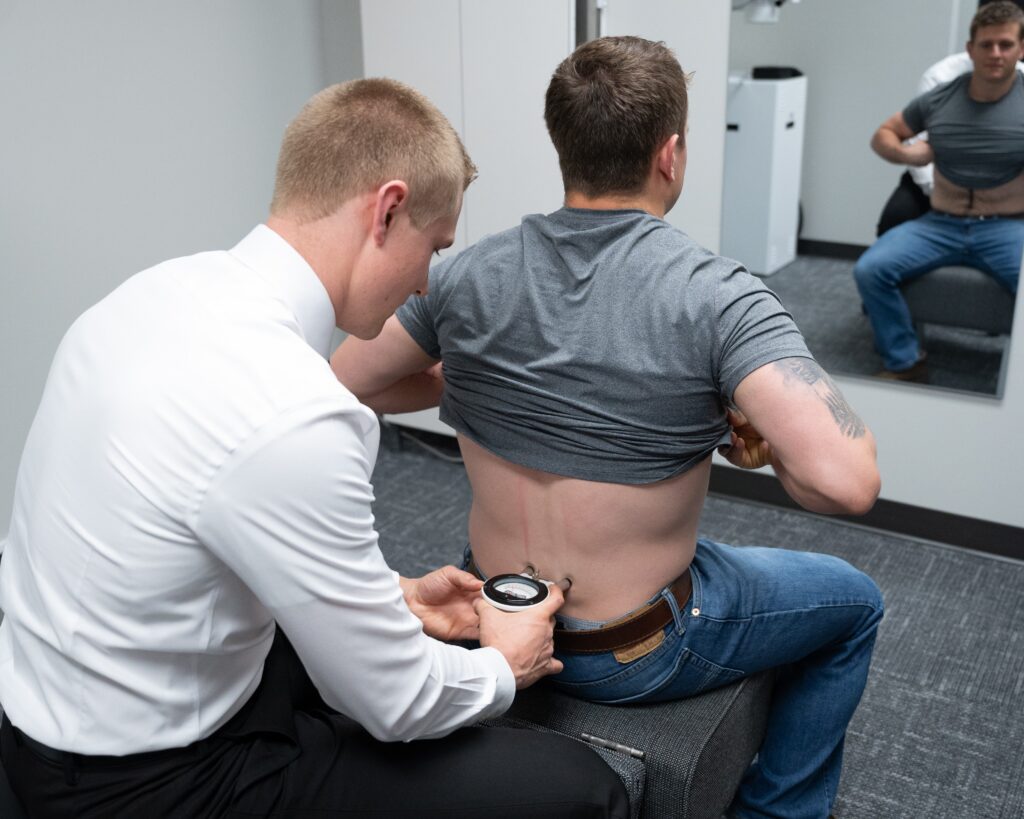
It's important to consult with healthcare professionals who can help you navigate your experience. They can provide insights into your specific situation, whether it's through diagnostic imaging or physical examinations. Understanding the root cause of your pain can empower you to take control, enabling you to explore appropriate strategies for relief.
You're not alone in this journey; millions face chronic back pain, and understanding it's the first step towards reclaiming your life.
Overview of Non-Invasive Solutions
Finding effective relief from chronic back pain is a journey many undertake, and non-invasive solutions can play an important role in this process. These approaches focus on alleviating pain without the need for surgery or invasive procedures, allowing you to regain mobility and improve your quality of life.
One popular non-invasive solution is the use of over-the-counter pain medications, such as NSAIDs. These can help reduce inflammation and provide temporary relief from discomfort. However, it's important to consult with a healthcare professional to guarantee you're using these medications safely and effectively.
Another effective method is the incorporation of alternative therapies. Techniques like acupuncture and chiropractic care have gained popularity for their ability to target pain without invasive measures. They aim to restore balance in your body, which can lead to notable improvements in how you feel.
Additionally, lifestyle modifications play an important role. Simple changes, such as improving your posture, incorporating ergonomic furniture, and maintaining a healthy weight, can notably impact your back pain. Regular low-impact exercises, like walking or swimming, can also promote flexibility and strengthen the muscles that support your spine.
Finally, mindfulness practices, such as yoga and meditation, can help you manage stress and develop a better awareness of your body. By exploring these non-invasive solutions, you can take notable steps toward finding relief from chronic back pain while minimizing risks and complications associated with more invasive treatments.
Physical Therapy Techniques
While exploring non-invasive solutions for back pain relief, physical therapy techniques stand out as a highly effective option. These techniques aim to alleviate pain, improve mobility, and enhance overall function without resorting to invasive procedures. By working with a trained physical therapist, you can learn various exercises tailored to your specific needs.
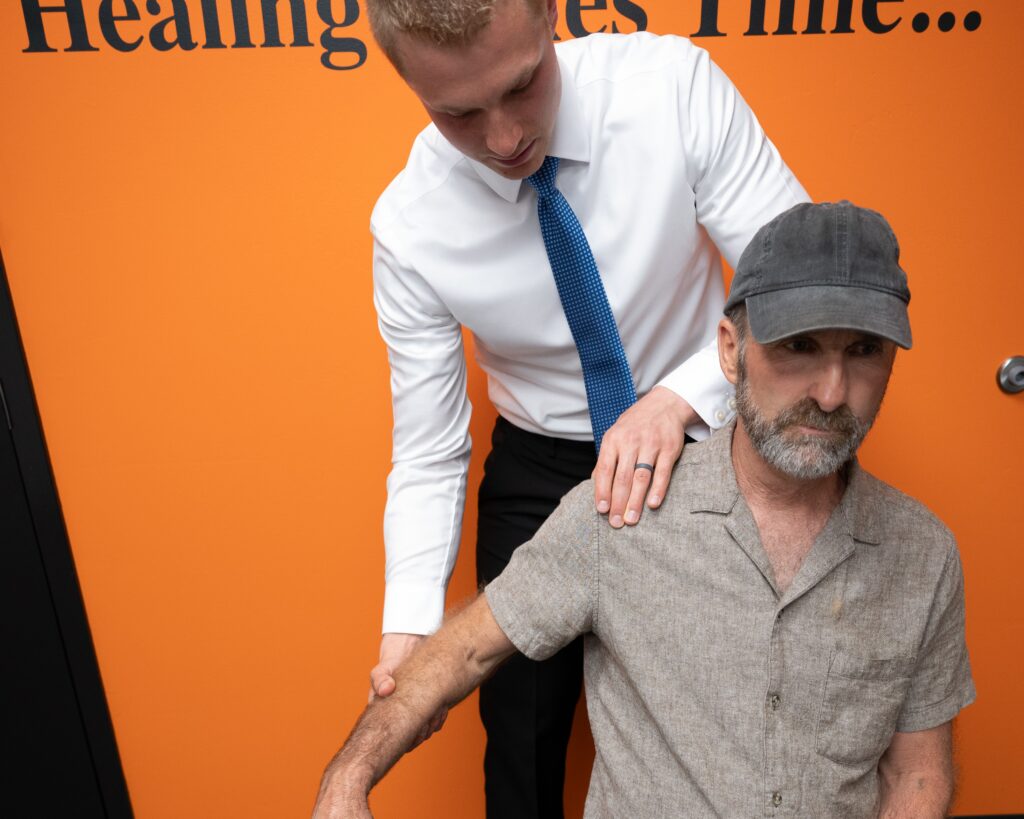
One common technique is manual therapy, which involves hands-on manipulation of your muscles and joints. This can help reduce stiffness and improve circulation, promoting healing in affected areas.
Stretching exercises are also fundamental, as they can increase flexibility and help prevent future injuries. Your therapist will guide you through stretches that target your back and surrounding muscles, guaranteeing you perform them correctly.
Strengthening exercises play an essential role in physical therapy as well. By building strength in your core and back muscles, you'll create better support for your spine, reducing the likelihood of pain. Your therapist might incorporate resistance bands or weights to enhance your workout, but they'll always make certain you're using safe, appropriate levels of resistance.
Finally, education is a significant aspect of physical therapy. Your therapist will teach you proper body mechanics and posture to help you avoid movements that could exacerbate your pain.
They'll also provide strategies for managing pain at home, such as heat or ice application.
Chiropractic Care Benefits
Many individuals seeking relief from back pain find chiropractic care to be a valuable complement to physical therapy. By focusing on spinal alignment and overall body function, chiropractic adjustments can greatly enhance your recovery process.
You might be surprised at the variety of benefits chiropractic care offers, including:
- Pain relief: Targeted adjustments can alleviate pressure on nerves and reduce discomfort.
- Improved mobility: Regular sessions often enhance your range of motion, making daily activities easier.
- Enhanced posture: Chiropractors can help correct imbalances, leading to better alignment and less strain on your back.
- Stress reduction: The gentle manipulation of your spine can promote relaxation, easing tension throughout your body.
- Holistic approach: Chiropractors consider your overall well-being, addressing not just back pain but related issues that may affect your life.
Incorporating chiropractic care into your pain management routine can provide you with a sense of empowerment. You'll be actively participating in your healing journey as you work closely with a professional who understands your needs.
Many patients report feeling better after just a few sessions, and the long-term benefits can be profound. By addressing the root causes of your discomfort, chiropractic care not only aims to relieve pain but also promotes better health and well-being.
As you explore your options for chronic back pain relief, consider the role chiropractic care could play in your recovery.
Acupuncture and Pain Relief
Acupuncture offers a unique approach to pain relief, especially for those dealing with chronic back pain. This ancient practice involves inserting thin needles into specific points on your body, aiming to restore balance and promote healing. If you're skeptical, it's understandable—needles mightn't sound appealing at first. However, many people find that the treatment is surprisingly relaxing and can remarkably reduce pain levels.
When you visit an acupuncturist, they'll assess your condition and tailor the treatment to your needs. Research shows that acupuncture can stimulate the release of endorphins, the body's natural painkillers, which may explain why you might feel relief after just one session. You won't need to rely solely on medications, making acupuncture an attractive alternative for managing chronic back pain.
In addition to pain relief, acupuncture can enhance your overall well-being. Many patients report improved sleep, reduced stress, and a general sense of relaxation following their treatments. If you decide to pursue this route, consider committing to several sessions to fully experience its benefits.
Be sure to choose a licensed acupuncturist who's experience treating back pain specifically. As with any treatment, individual results may vary, but incorporating acupuncture into your pain management plan could provide the relief you've been seeking.
Don't hesitate to explore this non-invasive option; you might find that it works for you in ways you never expected.
Mindfulness and Stress Management
Incorporating mindfulness into your pain management routine can greatly enhance your overall well-being and help alleviate chronic back pain. By focusing on the present moment and fostering a non-judgmental awareness of your thoughts and feelings, you can reduce stress and improve your relationship with pain. This approach allows you to manage your emotional responses, which can contribute to physical discomfort.
Here are some practical mindfulness techniques you can easily integrate into your daily life:
- Deep Breathing: Take slow, deep breaths, feeling your abdomen rise and fall. This simple act can calm your mind and reduce tension.
- Body Scan: Lie down comfortably and mentally scan your body from head to toe, noticing areas of tightness or discomfort without judgment.
- Meditation: Spend a few minutes each day in silent meditation, focusing on your breath or using a guided session to center your thoughts.
- Mindful Walking: Go for a walk and pay attention to each step, the ground beneath your feet, and the sensations in your legs and back.
- Gratitude Journaling: Write down things you're grateful for each day, shifting your focus from pain to positive aspects of your life.
Innovative Technologies for Relief
Innovative technologies are increasingly providing effective solutions for chronic back pain relief. You might find yourself turning to these advancements as they offer non-invasive methods that can greatly improve your quality of life.
For instance, wearable devices that monitor your posture and activity levels can help you identify habits that contribute to your pain. By receiving real-time feedback, you can make adjustments to your daily routine, ultimately reducing discomfort.
Another exciting option is transcutaneous electrical nerve stimulation (TENS) units. These portable devices deliver low-voltage electrical currents to stimulate your nerves and block pain signals. You can use a TENS unit at home, allowing you to manage your pain conveniently and effectively without medication.
Moreover, virtual reality (VR) therapy is gaining traction as a way to distract your mind from pain. Immersive VR experiences can help you engage in guided relaxation or mindfulness exercises, promoting mental well-being that can translate to physical relief.
Additionally, advanced imaging techniques, such as MRI and ultrasound, are improving diagnosis and treatment options. With detailed insights into your spinal health, healthcare providers can tailor interventions that target the root cause of your pain more effectively.
Finally, apps designed for pain management can guide you through exercises, stretches, and mindfulness practices specifically curated for back pain relief. By leveraging these innovative technologies, you're taking a proactive step toward reclaiming your life and reducing chronic back pain.
Comparing Effectiveness and Outcomes
Evaluating the effectiveness of various non-invasive solutions for chronic back pain relief is essential for finding the right approach for your needs.
With so many options available, it's vital to compare their outcomes and understand what might work best for you. Here's a breakdown of some common non-invasive methods and their effectiveness:
- Physical Therapy: Personalized exercises can strengthen your back and improve flexibility. Many users report significant improvements in their pain levels.
- Acupuncture: This ancient practice often helps alleviate pain by stimulating specific points on the body. Studies show it can be effective for chronic pain relief.
- Chiropractic Care: Regular adjustments can enhance spinal alignment and relieve pressure on nerves. Many individuals find relief and improved mobility through this method.
- Massage Therapy: Therapeutic massage can reduce muscle tension and promote relaxation, leading to a decrease in pain for many people.
- Yoga and Mindfulness: These practices not only enhance physical flexibility but also promote mental well-being. Participants often experience reduced pain through stress relief.
Each of these methods has unique benefits, and their effectiveness can vary from person to person.
It's important to reflect on your specific condition, lifestyle, and preferences when choosing a non-invasive solution. By doing so, you can find the most suitable approach to manage your chronic back pain and improve your quality of life.
Conclusion
To summarize, embracing non-invasive solutions can transform your approach to managing chronic back pain. By exploring options like physical therapy, chiropractic care, and acupuncture, you can find relief without surgery or heavy medication. Incorporating mindfulness practices not only reduces stress but also enhances your overall well-being. You have the power to take charge of your pain relief journey, improving your quality of life while fostering a healthier, more active lifestyle. Start prioritizing your self-care today!