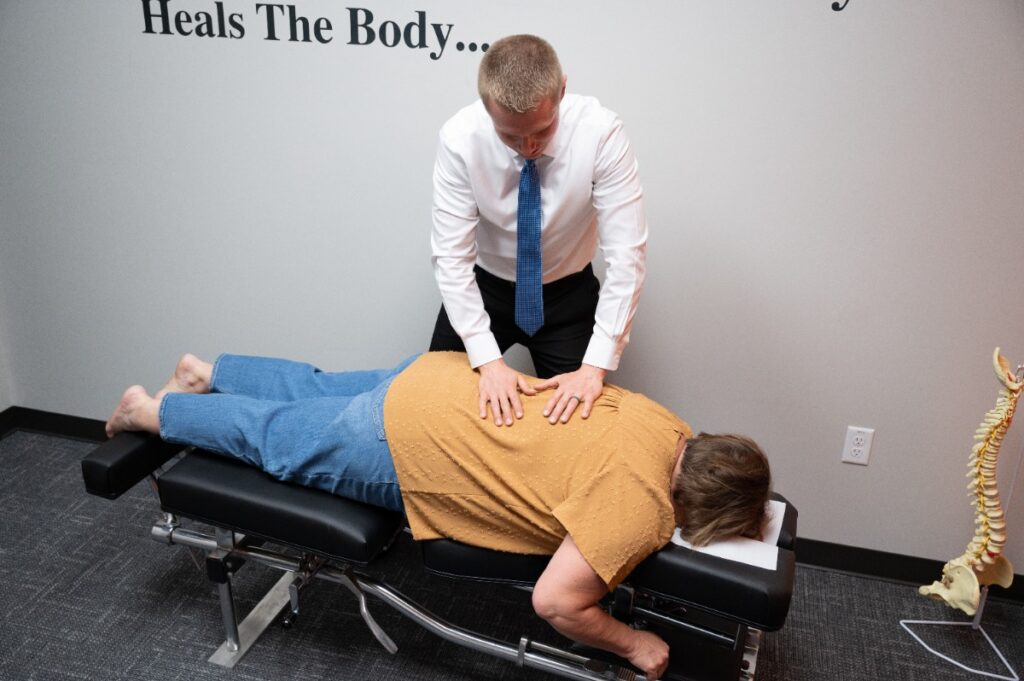

When you're feeling overwhelmed, it's crucial to reflect on natural ways to relax, especially with professional guidance. You might find that techniques like mindfulness meditation, yoga, or even herbal remedies can greatly enhance your emotional well-being. By collaborating with licensed practitioners, you can tailor a relaxation routine that fits your unique needs. But how do you determine which methods work best for you? Exploring the various options available can lead you to a more balanced lifestyle, and the next steps might surprise you.
Importance of Relaxation
Why is relaxation so essential in our fast-paced lives? In today's world, where everything moves at lightning speed, you often find yourself juggling multiple responsibilities. The constant pressure can lead to stress and burnout, making it vital to carve out time for relaxation. You mightn't realize it, but taking a break can greatly enhance your overall well-being.
When you relax, your body responds by reducing cortisol levels, which helps alleviate stress. This process not only improves your mood but also boosts your immune system, allowing you to fend off illnesses more effectively. Without proper relaxation, fatigue can set in, leaving you less productive and more irritable. You need to recharge to maintain your energy levels and focus.
Moreover, relaxation fosters creativity and problem-solving skills. When you give your mind a chance to unwind, it can generate fresh ideas and perspectives. This mental clarity can be invaluable, whether you're working on a project or managing daily challenges. You'll find that stepping away from the chaos allows you to return with renewed vigor.
Incorporating relaxation techniques into your routine isn't just a luxury; it's a necessity. Whether it's through simple practices like deep breathing or enjoying a quiet moment with a book, you can create a sanctuary for yourself.
Mindfulness Meditation Techniques
Mindfulness meditation techniques can transform your relaxation routine in powerful ways.
By incorporating breathing exercises, guided meditations, and body scan practices, you can enhance your focus and reduce stress.
Let's explore how these techniques can help you cultivate a deeper sense of calm.
Breathing Exercises Techniques
Breathing exercises hold the key to achieving a state of relaxation and focus. By incorporating simple techniques into your daily routine, you can considerably reduce stress and enhance your mindfulness.
Start with diaphragmatic breathing, where you inhale deeply through your nose, allowing your abdomen to rise. Hold that breath for a few seconds, then exhale slowly through your mouth. This method not only calms your mind but also oxygenates your body, promoting overall wellness.
Another effective technique is the 4-7-8 method. Inhale for four counts, hold your breath for seven counts, and exhale for eight counts. This rhythmic pattern helps slow your heart rate and encourages a sense of tranquility.
You might also try box breathing, which involves inhaling, holding, exhaling, and holding again for equal counts—commonly four seconds each. This structured approach creates a sense of balance and can be particularly useful in high-stress situations.
Guided Meditation Benefits
Guided meditation offers a powerful pathway to relaxation and mental clarity. When you engage in this practice, you listen to a facilitator's voice, often accompanied by soothing sounds or music. This guidance helps you focus your thoughts, making it easier to slip into a state of calm.
One significant benefit is stress reduction. By following a guided session, you can effectively calm your mind and lower your heart rate, leading to a more relaxed state. You may also find that your anxiety levels decrease, as guided meditation encourages you to let go of worries and focus on the present moment.
Additionally, it enhances your mindfulness skills. The structured nature of guided meditation helps you develop the ability to observe your thoughts and feelings without judgment. This heightened awareness can improve your overall emotional health.
You might also notice improvements in your concentration. As you practice regularly, focusing your mind becomes easier, benefiting various aspects of your life, from work to personal relationships.
Ultimately, guided meditation can serve as a transformative tool, promoting peace and clarity in your daily routine.
Body Scan Practice
After exploring the benefits of guided meditation, you might want to try the body scan practice, a powerful mindfulness technique that helps you connect with your physical sensations. This practice encourages you to bring awareness to each part of your body, promoting relaxation and reducing stress.
To begin, find a comfortable position, either lying down or sitting. Close your eyes and take a few deep breaths, allowing yourself to settle into the moment. Start at your toes and gradually move your attention upward. Notice any sensations, like tension or warmth, without judgment. If your mind wanders, gently bring it back to the area you're focusing on.
As you scan through your body, acknowledge any discomfort or stress and consciously release it with each exhale. This practice not only enhances your awareness of physical sensations but also fosters a deeper connection to your body.
Aim to practice the body scan for 10 to 20 minutes, and you'll likely find it helps calm your mind and promotes a sense of overall well-being. By incorporating this technique into your routine, you'll enhance your relaxation and mindfulness journey.
Breathing Exercises for Calmness
When life gets overwhelming, taking a moment to focus on your breath can help you unwind and regain your composure. Breathing exercises are simple yet powerful tools that can ease anxiety and promote calmness.
Let's explore a few techniques that you can incorporate into your daily routine.
First, try the 4-7-8 technique. Inhale deeply through your nose for a count of four, hold your breath for seven counts, and then exhale slowly through your mouth for eight counts. Repeat this cycle four times. This method not only calms your mind but also slows your heart rate.
Another effective exercise is diaphragmatic breathing. Sit or lie down comfortably, placing one hand on your chest and the other on your abdomen. Breathe in deeply through your nose, ensuring your abdomen rises while your chest remains still. Exhale slowly through your mouth, feeling your abdomen fall. Aim for five to ten minutes of this practice, and you'll notice a significant reduction in stress.
Lastly, consider trying box breathing. Inhale for a count of four, hold your breath for four counts, exhale for four counts, and hold again for four counts. This rhythmic pattern can create a sense of balance and focus.
Herbal Remedies and Their Benefits
Herbal remedies have been used for centuries to promote relaxation and overall well-being. These natural solutions can be effective alternatives or complements to modern medications for managing stress and anxiety. If you're looking to unwind, consider incorporating some of these herbs into your routine.
Chamomile is a popular choice known for its calming properties. Drinking chamomile tea before bedtime can help soothe your mind and prepare you for a restful night's sleep.
Lavender, often used in aromatherapy, can reduce anxiety and promote relaxation. You might try diffusing lavender essential oil in your space or adding a few drops to your bath for a calming effect.
Passionflower is another herb that may help alleviate anxiety and improve sleep quality. You can find it in various forms, such as teas or capsules.
Valerian root is well-known for its sedative effects, making it a great option for those struggling with insomnia. Just remember to consult with a healthcare professional before starting any new herbal regimen.
St. John's Wort is often used to manage mild depression and improve mood. While it's primarily known for its antidepressant properties, it can also help relieve stress. However, be cautious, as it can interact with various medications.
Incorporating these herbal remedies into your self-care routine can provide the relaxation you're seeking. Always verify you're choosing high-quality products and consult with a professional to find the best options for your specific needs.
Guided Imagery Practices
Guided imagery can be a powerful tool for relaxation, helping you visualize peaceful scenes and reduce stress.
You'll learn various techniques to enhance your sessions and might even consider seeking professional guidance for deeper experiences.
Let's explore how these practices can benefit you and how to get started effectively.
Benefits of Guided Imagery
Through the practice of guided imagery, you can tap into a powerful tool for relaxation and mental clarity. This technique allows you to visualize peaceful scenarios, helping your mind and body unwind.
As you engage in guided imagery, you may experience several benefits that enhance your overall well-being.
- Stress Reduction: By focusing your mind on soothing images, you can lower cortisol levels and alleviate anxiety.
- Enhanced Focus: Visualization sharpens your concentration, making it easier to tackle daily tasks and challenges.
- Emotional Healing: Imagining positive outcomes can foster resilience, helping you cope with emotional distress.
- Improved Sleep: Guided imagery can lead to a calmer mind, promoting restful sleep and better overall health.
Incorporating guided imagery into your routine can transform your approach to stress and anxiety.
With each session, you create a mental refuge where you can recharge and renew your spirit.
Techniques for Effective Sessions
Creating an effective guided imagery session requires preparation and intention. Start by finding a quiet, comfortable space where you won't be disturbed. Set the mood with soft lighting and calming music, if that helps you relax.
Before beginning, take a few moments to center yourself. You might want to take deep breaths or practice a brief mindfulness exercise to ground your focus.
Next, clarify your intention for the session. Are you seeking stress relief, emotional healing, or clarity on a specific issue? Knowing your goal will guide your imagery.
As you enter the session, use descriptive language to create vivid mental images. Engage all your senses—imagine the sounds, smells, and textures associated with your envisioned experience.
During the session, allow yourself to be fully immersed in the imagery. If distractions arise, gently bring your focus back to your vision.
Afterward, take time to reflect on the experience. Journaling can help solidify insights gained during the session.
Professional Guidance Importance
Seeking professional guidance in guided imagery practices can considerably enhance your experience and effectiveness. When you work with a trained professional, you gain valuable insights and techniques that can deepen your relaxation and visualization processes.
A guide can help you navigate challenges and guarantee you're accessing the full benefits of the practice.
Here are some reasons why professional guidance is essential:
- Personalized Experience: A professional can tailor sessions to your specific needs and goals, making your practice more effective.
- Expert Techniques: Trained professionals use proven methods that can facilitate deeper relaxation and more vivid imagery.
- Support and Accountability: Having someone to guide you provides encouragement and motivation, helping you stay committed to your practice.
- Safe Environment: A professional creates a safe space, allowing you to explore emotions and thoughts without judgment.
Yoga and Its Therapeutic Effects
Yoga offers numerous therapeutic effects that can enhance both physical and mental well-being. As you engage in yoga, you'll find it's not just about the poses but also about connecting your mind and body. The deliberate movements and controlled breathing help reduce stress, improve flexibility, and build strength. This holistic approach can lead to a more balanced life.
Practicing yoga regularly can alleviate symptoms of anxiety and depression. When you focus on your breath and the present moment, you create a calming effect that quiets the mind. Many people report feeling more centered and less overwhelmed after just one session. The mindfulness aspect of yoga encourages you to let go of negative thoughts and embrace a more positive outlook.
In addition to mental clarity, yoga can enhance your physical health. By improving circulation and promoting better posture, you may experience less chronic pain and increased energy levels. As you progress in your practice, you'll likely notice improved muscle tone and balance.
Taking a class with a qualified instructor can further amplify these benefits. They can guide you through proper techniques and offer modifications suited to your individual needs. This personalized approach can deepen your understanding and connection to the practice.
Incorporating yoga into your routine doesn't have to be time-consuming. Even a short, daily session can make a significant difference. As you explore yoga, you'll discover its profound ability to foster relaxation and promote overall well-being.
Acupuncture for Stress Relief
Many people find acupuncture to be a powerful tool for stress relief. This ancient practice involves inserting thin needles into specific points on your body, promoting relaxation and balancing your energy. If you're feeling overwhelmed or anxious, acupuncture can help you regain your sense of calm and well-being.
During your session, you may experience a range of sensations, from a slight prick to a soothing warmth. Many clients report feeling deeply relaxed as their practitioner works on their body.
Here are some benefits you can expect from acupuncture for stress relief:
- Reduced anxiety: Acupuncture can help decrease the levels of stress hormones in your body, leading to a calmer state of mind.
- Improved sleep: Many people find that regular acupuncture sessions improve their sleep quality, making it easier to unwind and recharge.
- Enhanced mood: By stimulating the release of endorphins, acupuncture can elevate your mood and promote a sense of happiness.
- Physical relief: Stress often manifests in physical tension. Acupuncture can alleviate muscle tightness and discomfort, helping you feel more at ease.
If you're curious about trying acupuncture for stress relief, consult a licensed practitioner. They can tailor your treatment to your specific needs and guide you on your journey toward relaxation and balance.
Don't underestimate the power of this ancient practice; it might just be the relief you've been seeking.
Nature Therapy and Outdoor Activities
Stepping into nature can be a powerful antidote to stress, offering a rejuvenating escape from the pressures of daily life. Engaging in outdoor activities allows you to reconnect with your surroundings and recharge your mental batteries. Whether it's hiking through a lush forest, strolling along a serene beach, or simply sitting in a park, these experiences can greatly enhance your well-being.
Nature therapy encourages you to immerse yourself in the sights and sounds of the outdoors. The fresh air, the rustling leaves, and the gentle chirping of birds can create an atmosphere that promotes relaxation and mindfulness. Try to take a moment to observe the beauty around you, allowing your mind to wander away from stressors.
Incorporating outdoor activities into your routine can also boost your physical health. Activities like cycling, jogging, or even gardening provide exercise and release endorphins, which improve your mood. You don't need to go on an extensive trek; even short walks in nature can make a difference.
Consider setting aside time each week to engage in these activities. You might discover a newfound appreciation for your local parks or trails.
Invite friends or family to join you, as sharing these experiences can foster connections and deepen your enjoyment. So, lace up your shoes, grab a friend, and step outside. Nature is waiting to help you unwind and refresh your spirit.
Professional Support Systems
When you're feeling overwhelmed, professional support systems can be a game changer.
Therapy and counseling options offer personalized strategies, while support groups and workshops provide a community to share experiences.
Exploring these resources can help you find effective ways to relax and regain your balance.
Therapy and Counseling Options
Exploring therapy and counseling options can be a significant step towards achieving lasting relaxation and well-being.
Whether you're dealing with stress, anxiety, or just looking for personal growth, professional support can provide the guidance you need.
Here are some effective therapy and counseling options to take into account:
- Cognitive Behavioral Therapy (CBT): This solution-focused approach helps you identify and change negative thought patterns, leading to improved emotional well-being.
- Mindfulness-Based Therapy: By incorporating mindfulness techniques, this therapy can enhance your self-awareness and promote relaxation in your daily life.
- Art and Expressive Therapies: Engaging in creative activities can release emotions and help you process feelings that might be hard to express verbally.
- Online Therapy: If you prefer the convenience of remote sessions, online therapy offers flexibility and access to a wide range of professionals.
No matter which option you choose, remember that finding the right therapist is essential.
Don't hesitate to ask questions and confirm their approach aligns with your needs.
Taking this step can lead you toward a more relaxed and fulfilling life.
Support Groups and Workshops
Support groups and workshops can offer invaluable professional support systems for anyone seeking relaxation and personal growth.
These environments provide a safe space where you can share your experiences and hear from others facing similar challenges. You'll find that connecting with others helps reduce feelings of isolation and enhances your sense of belonging.
Participating in a support group allows you to learn coping strategies and relaxation techniques from both peers and facilitators.
Workshops often focus on specific themes, such as stress management, mindfulness, or self-care practices, equipping you with practical tools to incorporate into your daily life.
You'll also benefit from the guidance of trained professionals who can offer insights tailored to your needs.
They can help you navigate your emotions and encourage you to explore deeper issues in a supportive setting.
Creating a Relaxation Routine
Establishing a relaxation routine can bring a sense of tranquility to your busy life. By incorporating simple practices into your daily schedule, you can create a space for peace and rejuvenation. The key is consistency—finding what works for you and sticking with it.
Here are some steps to help you build an effective relaxation routine:
- Set a Regular Time: Choose a specific time each day dedicated to relaxation, whether it's early in the morning or right before bed. Consistency helps your mind and body adapt.
- Create a Comfortable Space: Designate an area in your home where you can unwind. Make it cozy with soft lighting, comfortable seating, and calming scents.
- Incorporate Mindfulness Practices: Engage in activities like meditation, deep breathing, or yoga. These practices help center your mind and reduce stress.
- Limit Distractions: During your relaxation time, turn off your phone and other distractions. Allow yourself to be fully present in the moment.
As you establish your routine, pay attention to how different activities affect your stress levels. You might find that listening to calming music or reading a book works wonders for you.
Conclusion
By integrating natural relaxation techniques with professional support, you can create a personalized path to emotional well-being. Embrace mindfulness, breathing exercises, and herbal remedies while tapping into the expertise of licensed practitioners. Remember to explore guided imagery, acupuncture, and the healing power of nature. With a consistent relaxation routine, you'll find greater balance in your life, enhancing your stress management and overall happiness. Take the first step today and prioritize your mental health!