
You might be surprised to learn how chiropractic care can serve as a natural remedy for stress relief. By focusing on spinal alignment and muscle tension, regular adjustments can make a noticeable difference in your overall well-being. Incorporating techniques like deep breathing and mindfulness during your sessions can enhance these benefits even further. But what if you could amplify these effects with simple nutritional changes and daily practices? Understanding how these elements work together can transform your approach to relaxation, and you'll want to explore just how far this journey can take you.
Understanding Chiropractic Care
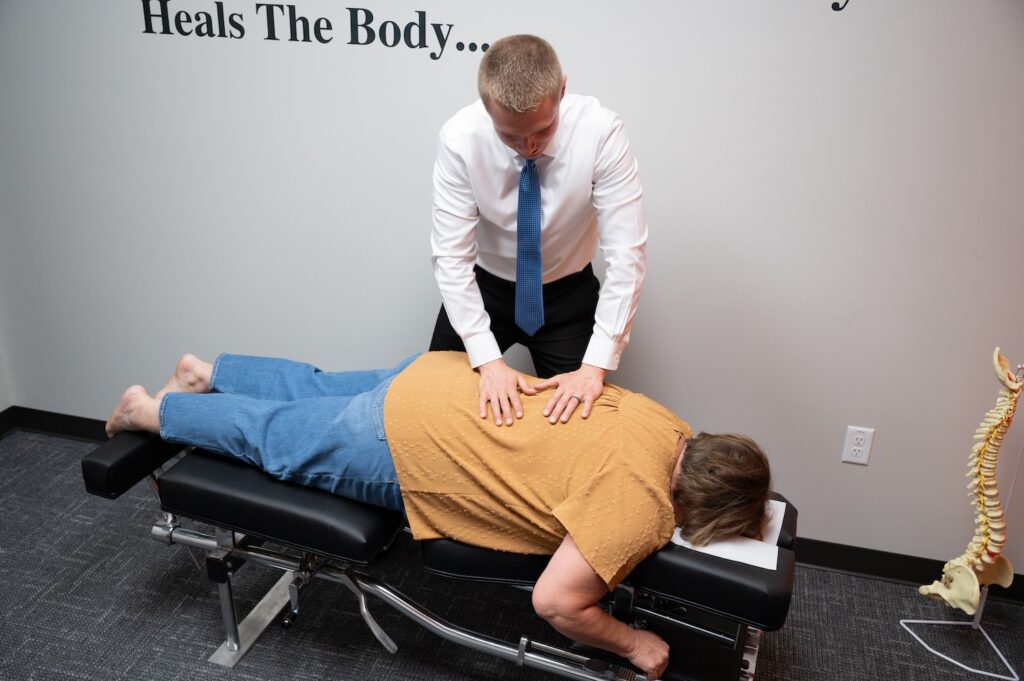
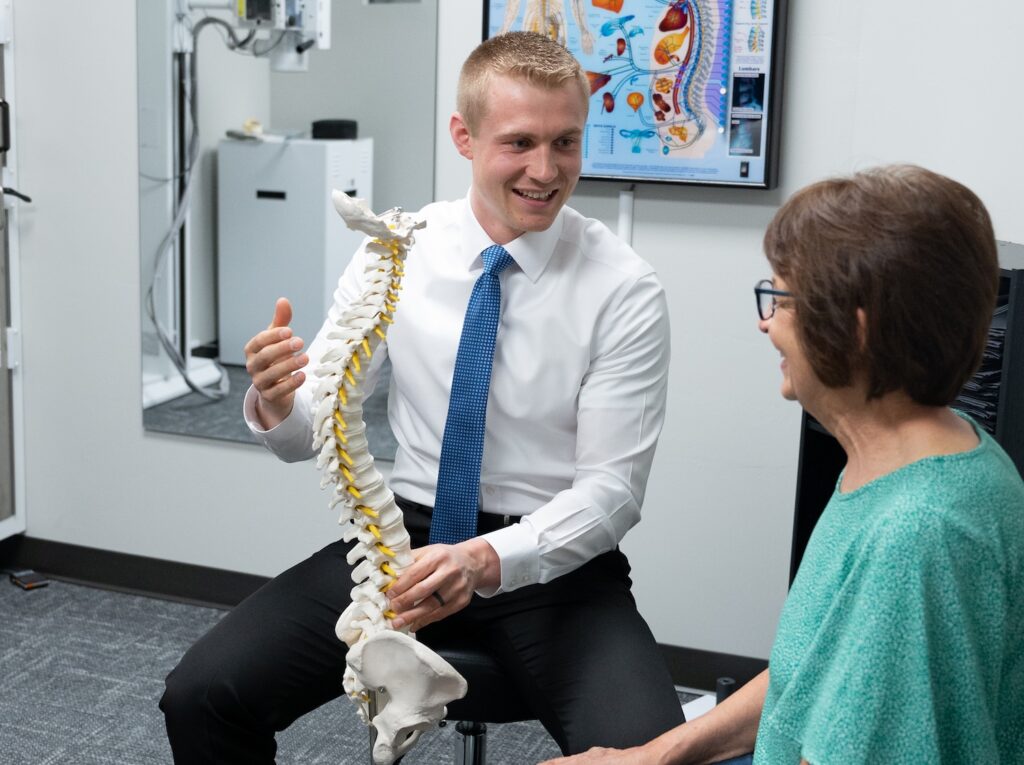
Chiropractic care is a holistic approach focused on diagnosing and treating musculoskeletal disorders, primarily through manual adjustments. You might wonder how this method works and what to expect during your sessions. Chiropractors primarily concentrate on the spine, as it plays a vital role in your overall health. When the vertebrae are misaligned, it can lead to various issues, including pain and tension throughout your body.
During your initial consultation, your chiropractor will conduct a thorough assessment, including a physical examination and possibly imaging tests. This helps identify any underlying problems specific to your spine and joints. Once they've a clear understanding of your condition, they'll create a tailored treatment plan to address your needs.
Chiropractors utilize various techniques, including spinal manipulation, soft tissue therapy, and stretching exercises. The goal is to restore proper alignment and improve your body's function. You may experience immediate relief following an adjustment, but it's common for some individuals to need multiple sessions to achieve ideal results.
Moreover, chiropractic care isn't just about physical adjustments; it also involves educating you about posture, ergonomics, and lifestyle choices that can impact your musculoskeletal health. By actively participating in your care, you'll gain a better understanding of your body and how to maintain its well-being.
Benefits of Chiropractic Adjustments
Chiropractic adjustments can provide significant pain relief, helping you move more comfortably through your day.
They also promote better sleep quality, which can enhance your overall well-being.
Plus, these adjustments are a great way to manage stress, allowing you to feel more relaxed and centered.
Pain Relief Benefits
Many people find that chiropractic adjustments offer significant pain relief, making it a popular choice for those struggling with discomfort. When you experience pain, whether it's from a recent injury, chronic condition, or everyday stress, chiropractic care can target the root cause.
By realigning your spine and improving joint function, chiropractors help reduce inflammation and tension in your body. You might notice immediate relief after an adjustment, but the benefits often accumulate over time.
Regular visits can lead to long-lasting improvements, as your body learns to maintain better alignment. This not only alleviates pain but also enhances mobility and flexibility, allowing you to engage in daily activities with ease.
Chiropractic adjustments can also help reduce tension headaches and migraines by alleviating pressure on the nerves. If you're dealing with back pain, neck pain, or joint discomfort, chiropractic care provides a natural and drug-free alternative to manage your symptoms effectively.
Improved Sleep Quality
Quality sleep can feel elusive, especially if you're dealing with discomfort or stress. Chiropractic care can be a game-changer when it comes to improving your sleep quality. Regular adjustments help align your spine, relieving tension and reducing pain that might be keeping you awake. When your body feels good, it's much easier to drift off into a restful slumber.
Chiropractic adjustments also help enhance your overall nervous system function. A well-functioning nervous system supports better communication between your brain and body, promoting relaxation and allowing you to fall asleep more easily. You may find that with improved alignment and reduced discomfort, you're not only falling asleep faster but also staying asleep longer.
Additionally, chiropractic care can lead to better circulation, ensuring that your body gets the oxygen and nutrients it needs while you rest. This can enhance your overall sleep quality, making you feel more refreshed when you wake up.
Enhanced Stress Management
Stress can take a toll on both your mind and body, leaving you feeling overwhelmed and fatigued. Chiropractic adjustments can provide significant relief by directly addressing the physical manifestations of stress. When your spine is misaligned, it can lead to tension and discomfort that exacerbate your stress levels. A chiropractor can help realign your spine, easing muscle tension and promoting relaxation.
Regular adjustments not only relieve physical pain but also enhance your body's ability to cope with stress. By improving your nervous system function, chiropractic care can help you manage stress more effectively, allowing you to respond to challenges with a clearer mind. You'll likely find that your mood improves, and you feel more balanced overall.
Additionally, chiropractic care encourages better blood flow and oxygenation, which can further reduce stress levels. As you experience less physical discomfort, you may notice that you're better equipped to handle life's pressures.
Techniques for Stress Relief
When you're feeling stressed, chiropractic adjustments can help relieve tension in your body.
Alongside adjustments, incorporating breathing exercises can enhance your relaxation and boost your overall well-being.
Let's explore these techniques to help you find calm in your busy life.
Adjustments for Tension Relief
Chiropractic adjustments can provide significant relief from tension, helping you unwind both physically and mentally. By aligning your spine and reducing nerve interference, these adjustments can alleviate stress and promote relaxation.
Here's how chiropractic care can help you manage tension effectively:
- Spinal Alignment: Proper alignment reduces muscle tension, allowing your body to relax naturally.
- Increased Blood Flow: Adjustments enhance circulation, delivering more oxygen and nutrients to your muscles, which helps alleviate discomfort.
- Reduced Muscle Tension: By targeting specific areas of tightness, chiropractors can help release built-up tension in your muscles.
- Improved Range of Motion: Enhanced flexibility allows for easier movement, reducing the strain on your body and mind.
Incorporating regular chiropractic adjustments into your wellness routine can lead to less tension and greater overall well-being.
This holistic approach not only targets physical discomfort but also addresses mental stress, making it easier for you to relax and enjoy life.
Breathing Exercises Benefits
Incorporating breathing exercises into your daily routine can be a powerful tool for managing stress and promoting relaxation. These techniques help you regain control over your body and mind, allowing you to respond to stress more effectively. By focusing on your breath, you can activate your body's natural relaxation response, reducing the production of stress hormones.
One simple technique is diaphragmatic breathing. To practice this, sit or lie comfortably, place one hand on your chest and the other on your abdomen. Inhale deeply through your nose, allowing your abdomen to rise while keeping your chest still. Exhale slowly through your mouth, feeling your abdomen fall. Doing this for just a few minutes can calm your nervous system and clear your mind.
Another effective method is the 4-7-8 technique. Inhale for four seconds, hold your breath for seven seconds, and exhale for eight seconds. This method not only helps you relax but also improves your lung capacity over time.
Importance of Posture
Good posture plays an essential role in your overall well-being, impacting everything from your mood to your physical health. When you maintain proper alignment, you're not just looking confident; you're also positively affecting various aspects of your life.
Here's how good posture can benefit you:
- Reduced Pain: Proper posture helps alleviate discomfort in your back, neck, and shoulders. By aligning your spine correctly, you minimize strain on muscles and joints, leading to less pain overall.
- Improved Mood: Standing tall can actually enhance your mood. Research suggests that good posture can boost your self-esteem and reduce feelings of anxiety and depression. When you feel good about how you carry yourself, it can translate into a more positive outlook.
- Enhanced Focus: When you sit or stand with proper alignment, your body gets better oxygen flow. This can lead to improved concentration and productivity, allowing you to stay focused on tasks without becoming easily fatigued.
- Better Digestion: Good posture supports your organs, giving them the space they need to function efficiently. When you sit or stand correctly, you're allowing your digestive system to operate at its best, which can prevent discomfort and support overall health.
Breathing Exercises and Chiropractic
Maintaining proper posture not only supports your physical health but also sets the stage for effective breathing. When you sit or stand up straight, your lungs have the space they need to expand fully. This alignment makes it easier for you to take deep, calming breaths.
By combining chiropractic care with focused breathing exercises, you can enhance your overall relaxation experience.
Start by finding a comfortable position, ensuring your spine is aligned. Inhale deeply through your nose, allowing your abdomen to rise as your lungs fill with air. Hold that breath for a moment, then exhale slowly through your mouth. This simple technique not only helps reduce stress but also encourages your body to release tension accumulated in your muscles.
As you practice these breathing exercises, consider incorporating chiropractic adjustments into your routine. A chiropractor can help align your spine, which optimizes your lung function. When your nervous system is functioning well, your body can better manage stress responses, making your breathing exercises even more effective.
Aim to set aside time each day to practice these techniques. You might find that just a few minutes of focused breathing, combined with the benefits of chiropractic care, can greatly improve your mood and relaxation levels.
Stretching and Flexibility
Stretching not only enhances flexibility but also complements chiropractic care by promoting muscle relaxation and joint mobility.
When you incorporate regular stretching into your routine, you'll likely find that it enhances the benefits of your chiropractic adjustments.
Here are four effective stretches you can do to improve flexibility and overall relaxation:
- Neck Stretch: Gently tilt your head towards one shoulder, holding for 15-30 seconds, then switch sides. This helps release tension in your neck and shoulders.
- Chest Opener: Stand tall and clasp your hands behind your back. Straighten your arms and lift them slightly while opening your chest. Hold for 15-30 seconds to alleviate tightness in your chest and improve posture.
- Hamstring Stretch: Sit on the ground with one leg extended and the other bent. Reach for your toes on the extended leg. Hold for 15-30 seconds, then switch legs. This stretch increases flexibility in your hamstrings and lower back.
- Cat-Cow Stretch: On all fours, alternate between arching your back (Cat) and lowering your belly while lifting your head (Cow). Repeat for 30 seconds. This dynamic stretch improves spinal flexibility and promotes relaxation.
Integrating these stretches into your daily routine can help you feel more relaxed and enhance the overall effectiveness of your chiropractic care.
Just remember to listen to your body and stretch gently to avoid injury.
Nutrition's Role in Relaxation
Nutrition plays an essential role in your body's ability to relax and recover. The food you consume directly impacts your energy levels, mood, and overall stress response. When you fuel your body with nutrient-rich foods, you're setting the stage for a calmer, more relaxed state.
Incorporating a balanced diet that includes fruits, vegetables, lean proteins, and whole grains can greatly enhance your body's relaxation response. Foods rich in magnesium, like spinach and almonds, help regulate cortisol levels, the hormone responsible for stress. Omega-3 fatty acids found in fish such as salmon can also reduce anxiety and improve mood.
Don't forget about hydration! Dehydration can lead to fatigue and irritability, making it harder for you to unwind. Aim to drink plenty of water throughout the day to keep your body functioning at its best.
Moreover, consider limiting sugar and processed foods. These can spike your blood sugar, leading to energy crashes and increased stress levels. Instead, opt for complex carbohydrates like quinoa or brown rice, which provide steady energy and help stabilize your mood.
Lastly, try incorporating herbal teas into your routine. Chamomile and peppermint are known for their calming effects, making them perfect choices for relaxation.
Mindfulness and Chiropractic Practices
Mindfulness enhances the benefits of chiropractic practices, creating a holistic approach to relaxation and well-being. When you incorporate mindfulness into your chiropractic sessions, you're not just addressing physical symptoms; you're also nurturing your mental and emotional states. This synergy helps you achieve a deeper sense of calm and alignment.
Here's how you can effectively combine mindfulness with your chiropractic care:
- Breath Awareness: Focus on your breath during your chiropractic session. As you inhale and exhale deeply, it helps center your thoughts and relaxes your muscles, enhancing the effectiveness of the adjustments.
- Body Scan: Before your appointment, take a moment to perform a body scan. Mentally check in with each part of your body, identifying areas of tension or discomfort. This awareness allows you to communicate more effectively with your chiropractor.
- Visualization: While receiving treatment, visualize your body healing. Imagine the adjustments aligning your spine and relieving tension. This mental imagery can amplify the physical benefits of the care you're receiving.
- Post-Session Reflection: After your session, spend a few minutes reflecting on how you feel. Journaling about your experience can deepen your mindfulness practice and help you notice changes in your body over time.
Creating a Relaxation Routine
Integrating relaxation techniques into your daily life can enhance the benefits of your chiropractic care. A well-structured relaxation routine can't only help you unwind but also support your overall health. Start by setting aside specific times each day dedicated to relaxation. Whether it's early in the morning or right before bed, consistency is key.
Begin your routine with deep breathing exercises. Taking just a few minutes to focus on your breath can calm your mind and body, making it easier to manage stress. You can follow this with gentle stretches to relieve tension, especially in areas your chiropractor has targeted. Simple movements can improve your flexibility and promote relaxation.
Incorporate mindfulness practices, such as meditation or progressive muscle relaxation. These techniques allow you to connect with your body and release pent-up stress. Even a short five to ten minutes can make a significant difference.
Consider adding soothing music or nature sounds to your routine. Create a calming environment by dimming the lights and eliminating distractions. This space should feel inviting and peaceful to encourage relaxation.
Lastly, don't forget to evaluate your routine regularly. Pay attention to what works for you and adjust accordingly. If you find certain techniques aren't effective, experiment with new ones until you discover what best suits your needs.
Conclusion
Incorporating chiropractic care into your routine can greatly enhance your relaxation and overall well-being. By embracing regular adjustments, practicing deep breathing, and focusing on nutrition, you can effectively manage stress and improve your health. Remember to prioritize good posture and flexibility, and consider mindfulness techniques to create a personalized relaxation routine. With these natural methods, you'll find it easier to unwind and achieve a balanced, healthier lifestyle. Start today and experience the benefits for yourself!