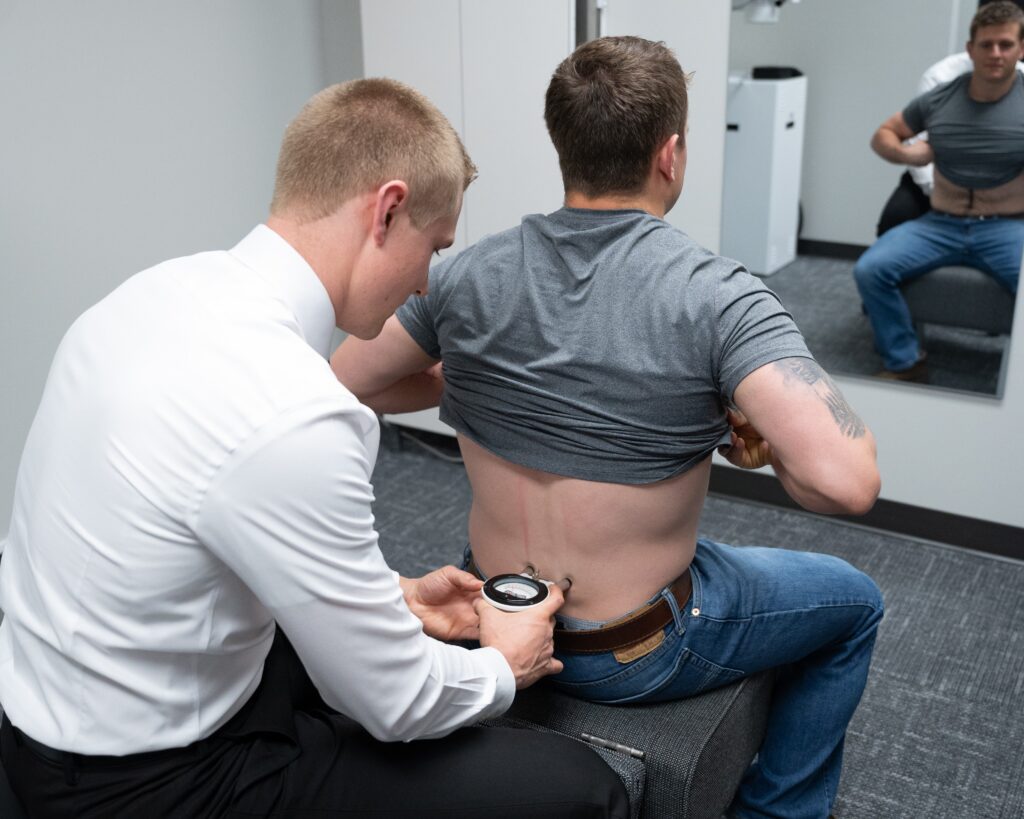

As a local chiropractor, I understand that many of you may be grappling with persistent back pain, and you’re certainly not alone in this struggle. This issue affects countless individuals daily, and the quest for relief can often feel daunting. However, I want to assure you that there are natural, effective methods to alleviate your discomfort. By embracing simple lifestyle adjustments and holistic healing practices, you can significantly improve your back health.
Are you curious about the strategies that can truly make a difference in your life? Let’s delve into some practical tips that can enhance your well-being and help you regain control over your back pain. Remember, you don’t have to navigate this journey alone; I’m here to guide you every step of the way.
Maintain Good Posture
As a local chiropractor, I want to emphasize the importance of maintaining good posture to prevent back pain and promote overall wellness. Many of my patients are surprised to learn how much their daily habits impact their spinal health. It’s crucial to be mindful of how you sit, stand, and move throughout your day.
When you sit, aim to keep your feet flat on the floor and your back straight against the chair. If needed, consider using a cushion to provide support for your lower back—this small adjustment can make a significant difference.
While standing, distribute your weight evenly on both feet, and avoid locking your knees to maintain balance. Relax your shoulders and ensure they’re aligned with your hips to reduce tension.
As you go about your daily activities, engage your core muscles to help support your spine. If you need to lift something heavy, remember to bend your knees and keep the object close to your body. This lifting technique is vital for preventing strain on your back.
Understanding these principles is a key step towards reducing your risk of back pain. By integrating these mindful practices into your routine, you can promote better spinal health and enhance your overall well-being.
If you have any questions about posture or back care, feel free to reach out—I’m here to help you on your journey to natural healing!
Incorporate Stretching and Exercise
As your local chiropractor, I want to emphasize the importance of incorporating regular stretching and exercise into your daily routine to help alleviate and prevent back pain. Engaging in these activities not only strengthens your muscles but also improves your flexibility, which can relieve tension and promote a healthier posture.
Importantly, you don’t need a gym membership to make a significant difference; simple movements can be incredibly beneficial.
Here are some practical suggestions to incorporate into your routine:
- Gentle stretches: Focus on areas like your lower back, hamstrings, and hip flexors to enhance flexibility and reduce tightness.
- Strengthening exercises: Target your core and back muscles. Strengthening these areas provides better support for your spine and can lead to improved stability.
- Low-impact activities: Consider activities such as walking, swimming, or cycling. These help increase overall fitness while minimizing strain on your back.
- Yoga or Pilates: Incorporating these practices can enhance your flexibility and balance, while also providing stress relief.
By making these simple adjustments to your lifestyle, you can take proactive steps toward better spinal health and overall wellness.
If you have any questions or need guidance on specific exercises, please don’t hesitate to reach out during your next visit!
Use Heat and Cold Therapy
As your local chiropractor, I want to share how using heat and cold therapy can significantly enhance your back pain relief. Many of my patients are surprised to learn that these simple methods can have a profound impact on their recovery.
When you apply heat, it helps to relax tight muscles and improves blood circulation, which is essential for healing. On the other hand, cold therapy works wonders by reducing inflammation and numbing any discomfort you may be experiencing.
Understanding the right times to use heat or cold is crucial for maximizing their benefits. For example, heat is often best used for muscle stiffness or chronic pain, while cold therapy can be more effective immediately after an injury or during flare-ups.
Benefits of Heat Application
As a local chiropractor, I want to share with you the natural healing benefits of applying heat, especially when it comes to alleviating back pain. Many people may not realize how effective heat therapy can be in managing discomfort and promoting overall wellness.
Here are some key benefits of incorporating heat into your routine:
- Muscle relaxation: Heat therapy helps to relax tense muscles, which can make everyday movements feel much easier and less painful.
- Increased blood flow: When you apply heat, it enhances circulation in the affected areas. This increased blood flow not only promotes healing but also helps to reduce pain sensations.
- Pain relief: By applying heat, you can effectively block pain signals that are sent to the brain, offering you a greater sense of comfort and relief.
- Improved flexibility: Warm muscles are more pliable and flexible, which allows for a better range of motion and can help you move more freely.
To incorporate heat therapy into your daily routine, consider using a heating pad, wrapping a warm towel around the area, or taking a soothing hot bath.
These methods can be a natural and effective way to manage your back pain and enhance your overall well-being. If you’re new to chiropractic care, I encourage you to explore these gentle methods alongside our treatments to find optimal relief and healing.
Cold Therapy Techniques
As a chiropractor dedicated to helping you manage back pain naturally, I want to introduce you to the benefits of cold therapy. This technique can be a powerful ally in your recovery journey, especially when used alongside heat therapy.
When you apply cold packs or ice—wrapped in a cloth, of course—to the affected area, it works wonders by reducing inflammation and numbing sharp pain sensations.
I recommend applying cold therapy for about 15 to 20 minutes several times a day, particularly after any activities that may aggravate your back discomfort. It’s crucial to remember not to place ice directly on your skin to avoid the risk of frostbite. For a convenient option, a bag of frozen vegetables works just as well!
It’s important to listen to your body during this process. If you find that cold therapy isn’t providing the relief you’re seeking, please don’t hesitate to reach out to me.
I’m here to provide tailored advice and help you find the best approach for your individual needs. Together, we can explore natural healing methods that promote your overall well-being.
When to Alternate Methods
As a local chiropractor, I want to help you understand how to effectively manage your back pain using natural healing methods, particularly through the use of heat and cold therapy.
These two approaches have unique benefits, and knowing when to apply each can significantly aid your recovery process.
- Cold therapy should be your go-to immediately following an injury. It’s excellent for minimizing swelling and reducing inflammation in the affected area.
- Once the initial inflammation has decreased, it’s time to switch to heat therapy. This method helps relax tight muscles and enhances blood flow, which is essential for healing.
- After about 48 hours, I recommend alternating between heat and cold. This combination can provide maximum relief from pain and promote quicker healing.
- Always listen to your body. If you find that one method offers more comfort than the other, trust your instincts and adjust accordingly.
By incorporating these techniques into your pain management routine, you can take proactive steps toward recovery and overall wellness.
If you have any questions or need personalized advice, don’t hesitate to reach out!
Explore Herbal Remedies
As a local chiropractor, I want to introduce you to the concept of natural healing, particularly through herbal remedies, which can be a beneficial complement to your overall wellness journey, especially if you’re dealing with back pain.
Many herbs are known for their anti-inflammatory and pain-relieving properties. For example, turmeric is a powerful herb that contains curcumin, which has been shown to significantly reduce inflammation. You can easily incorporate turmeric into your meals or consider taking it as a supplement to help alleviate discomfort.
Another herb worth mentioning is willow bark. Often likened to aspirin, willow bark has been used for centuries to provide pain relief. You might find it helpful to drink willow bark tea or take it in capsule form as part of your pain management routine.
Ginger is also a fantastic option for reducing inflammation and muscle soreness. Brewing a warm cup of ginger tea or adding it to your meals can be an effective way to harness its healing properties.
In addition to these herbal options, topical applications like arnica gel, derived from the arnica plant, can be effective for localized pain relief. It’s known for its soothing qualities and can be a great addition to your self-care regimen.
As you consider these natural remedies, I encourage you to consult with a healthcare professional to ensure that any herbal regimen you start is safe and tailored to your specific needs.
Embracing these natural approaches, alongside chiropractic care, can enhance your body’s ability to heal and promote overall wellness.
Practice Mindfulness and Relaxation Techniques
As a local chiropractor, I want to share how practicing mindfulness and relaxation techniques can be beneficial for easing back pain.
Many of my patients find that incorporating deep breathing exercises, guided meditation, and progressive muscle relaxation into their daily routines can make a significant difference.
These techniques not only help in reducing physical tension but also promote overall well-being.
By embracing these natural healing methods alongside chiropractic care, you can enhance your recovery and improve your quality of life.
Deep Breathing Exercises
As a local chiropractor, I often see patients who feel overwhelmed by their back pain. One effective and natural way to manage this discomfort is through deep breathing exercises.
These techniques not only offer immediate relief but also promote relaxation, which can be incredibly beneficial for your overall health.
Deep breathing exercises help to reduce muscle tension and improve oxygen flow throughout your body, ultimately alleviating discomfort.
Here are some simple techniques you can easily incorporate into your daily routine:
- Diaphragmatic Breathing: Start by inhaling deeply through your nose, allowing your belly to rise as you fill your lungs. Then, exhale slowly. This technique encourages full oxygen exchange and can help calm your nervous system.
- Counted Breaths: To establish a calming rhythm, try inhaling for a count of four, holding your breath for another count of four, and then exhaling for four. This structured approach can help you focus and promote relaxation.
- Visualization: While you breathe, picture a peaceful scene, such as a serene beach or a tranquil forest. This mental imagery can help shift your focus away from the pain you may be experiencing.
- Progressive Relaxation: Pair deep breathing with the practice of tensing and then relaxing each muscle group in your body. This combination can enhance the benefits of both techniques.
Incorporating these deep breathing exercises into your daily life can significantly enhance your well-being and support your journey to better health.
Guided Meditation Benefits
As a local chiropractor, I want to share with you the profound benefits of guided meditation, especially in conjunction with chiropractic care for managing back pain and enhancing your overall wellness.
Building on the calming effects of deep breathing exercises, guided meditation serves as a powerful tool that can help ease tension in your back. By directing your thoughts toward soothing imagery and gentle prompts, you can foster a state of relaxation that allows your body to release stress and discomfort.
When you visualize peaceful scenes during meditation, you might find it easier to let go of the tightness and strain often associated with back pain. Regularly practicing guided meditation can enhance your mindfulness, helping you become more attuned to your body’s signals. This increased awareness can be incredibly valuable in recognizing when you need to adjust your posture, take breaks, or seek further chiropractic care.
Additionally, guided meditation can boost your emotional resilience, helping to reduce anxiety and improve your overall sense of well-being. By incorporating this practice into your daily routine, you can experience lasting benefits that empower you in your pain management journey.
Progressive Muscle Relaxation
As your local chiropractor, I want to share an effective technique for managing back pain that you may not be familiar with: Progressive Muscle Relaxation (PMR). This practice is a wonderful way to release tension in your body and cultivate a sense of calm, which can be incredibly beneficial for your overall well-being.
PMR involves systematically tensing and then relaxing each muscle group in your body. This not only enhances your awareness of how your body feels, but it can also significantly alleviate discomfort, particularly in the back.
Here’s how you can get started with PMR:
- Find a quiet space: This is essential; make sure you won’t be interrupted during your practice.
- Get comfortable: Whether you choose to sit or lie down, find a position that feels relaxed for you.
- Focus on your breath: Begin by taking deep, slow breaths to help center your thoughts and calm your mind.
- Progress through muscle groups: Start with your toes and gradually move up through your body, tensing each muscle group for several seconds before letting go and relaxing.
Incorporating PMR into your routine can be a valuable addition to your journey toward relieving back pain. It complements chiropractic care by promoting relaxation and allowing your body to heal naturally.
If you have any questions or would like more guidance, feel free to reach out during your next visit!
Ensure Proper Sleep Support
As a local chiropractor dedicated to your overall health and well-being, I want to emphasize the importance of a good night’s sleep, especially when it comes to alleviating back pain. Proper sleep support plays a crucial role in your recovery and comfort.
First and foremost, selecting the right mattress is essential. If you tend to sleep on your side, a softer mattress can provide the cushioning your hips and shoulders need. On the other hand, back sleepers typically find relief with a medium-firm mattress that supports proper spinal alignment.
Equally important is your pillow choice. It should provide adequate support for your neck without causing any unnatural bending. For those of you who sleep on your side, a firmer, thicker pillow can help maintain that crucial alignment of your spine.
It’s also beneficial to establish a consistent sleep schedule. Going to bed and waking up at the same time every day helps regulate your body’s internal clock, which can lead to improved sleep quality.
Additionally, I encourage you to create a calming bedtime routine. This can enhance your sleep environment and further reduce any back pain you may be experiencing.
By prioritizing these elements, you can’t only enjoy more restful nights but also support your journey towards pain relief and better overall health.
Stay Hydrated and Maintain a Healthy Diet
As a local chiropractor, I want to emphasize the importance of staying hydrated and maintaining a healthy diet for your overall well-being, especially when it comes to alleviating back pain.
It may come as a surprise, but the food you eat and the water you drink play a crucial role in how your muscles and joints function, which directly affects your back health. When you’re dehydrated, it can lead to muscle cramps and tension, intensifying any discomfort you may already be experiencing.
Here are some essential tips to support your back health through hydration and nutrition:
- Hydrate consistently: Aim for at least 8 glasses of water a day. Proper hydration keeps your muscles functioning optimally and helps prevent stiffness.
- Focus on anti-inflammatory foods: Incorporating a variety of fruits, vegetables, and whole grains into your diet can help combat inflammation, which is often a contributor to back pain.
- Incorporate healthy fats: Foods rich in Omega-3 fatty acids, such as fish, nuts, and seeds, can play a role in reducing pain and promoting healing in your body.
- Limit processed and sugary foods: Reducing your intake of processed foods and unhealthy fats can have a significant impact on your body’s inflammatory response, thereby helping to alleviate discomfort.
By making these small changes to your diet and hydration habits, you may find significant relief from back pain and enhance your overall health.
Conclusion
As your local chiropractor, I want to share some effective, natural strategies to help you manage and relieve your back pain. It’s important to take an active role in your health and well-being. One of the foundational steps is maintaining good posture, which can significantly alleviate strain on your back. Incorporating regular stretching and exercise into your routine can also strengthen your muscles and enhance flexibility.
Another beneficial approach is utilizing heat and cold therapy; applying heat can relax tense muscles, while cold packs can help reduce inflammation. I encourage you to explore herbal remedies, as some of them have natural anti-inflammatory properties. Additionally, practicing mindfulness techniques can be invaluable in reducing stress, which often contributes to tension and discomfort in the back.
Don’t overlook the importance of proper sleep support; a good mattress and pillow can make a world of difference. Staying hydrated and fueling your body with a healthy diet also plays a crucial role in overall spinal health. By making these simple yet impactful changes, you can take significant steps toward achieving a healthier, pain-free back. Remember, I’m here to guide you through this journey of natural healing and chiropractic care.