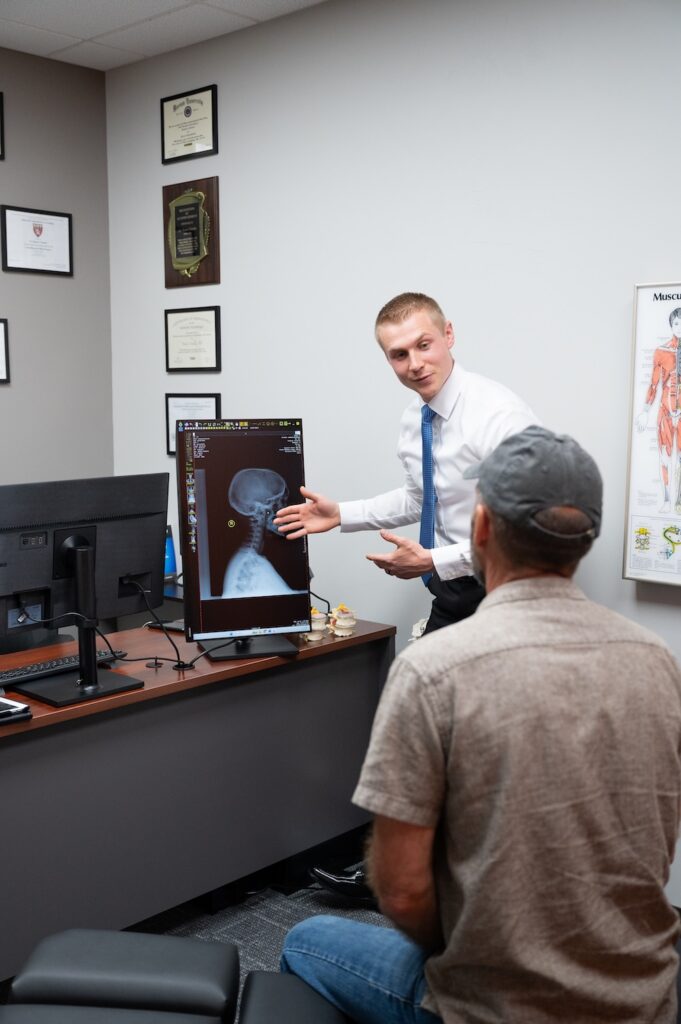
As a local chiropractor, I want to share with you that managing pain doesn’t always have to involve medication or invasive procedures. In fact, there are several natural techniques that can help promote healing and enhance your comfort. From mindfulness practices to dietary adjustments, there are numerous options to consider that align with a holistic approach to health.
Each of these methods plays a unique role in improving your overall well-being, and I encourage you to explore how they might fit into your daily routine. Are you curious about how these strategies can help alleviate your discomfort? Let’s take a closer look at each technique and how they can work alongside chiropractic care to support your journey toward relief and better health.
Mindfulness and Meditation
As your chiropractor, I want to introduce you to the powerful benefits of incorporating mindfulness and meditation into your healing journey. Many patients find that these practices can significantly decrease their perception of pain. By focusing your mind, you can enhance your awareness of your body and its sensations, allowing you to create a sense of distance from discomfort and making it feel far less overwhelming.
I recommend starting with just a few minutes of mindfulness each day. Find a quiet spot, close your eyes, and focus on your breath. Pay attention to how your body feels, acknowledging any discomfort without passing judgment. As you cultivate this awareness, you’ll discover that it helps you approach pain with a sense of calmness instead of stress.
Additionally, consider trying guided meditations specifically aimed at pain relief. Consistency is crucial— the more you practice these techniques, the more capable you’ll become at managing pain as it arises.
Embrace this opportunity to journey towards greater comfort and inner peace, and remember that chiropractic care can work in harmony with these practices to enhance your overall well-being.
Regular Exercise and Stretching
As a local chiropractor, I want to emphasize the significant benefits that regular exercise and stretching can have on your overall well-being and pain management.
Incorporating movement into your daily life isn’t just about building strength; it’s also about enhancing your flexibility, which is crucial for maintaining a healthy spine and body.
Many of my patients are surprised to learn how effective certain exercises and stretching techniques can be in alleviating pain and promoting natural healing.
By engaging in regular physical activity, you can improve your posture, reduce tension in your muscles, and support your joints—all of which contributes to better spinal health.
Let’s take a closer look at the types of exercises that can complement chiropractic care and how effective stretching can play a vital role in your pain management journey.
Together, we can develop a personalized plan that aligns with your lifestyle and health goals, helping you to feel your best naturally.
Benefits of Movement
As your local chiropractor, I want to emphasize the significant role that movement plays in managing pain and enhancing your overall well-being. Engaging in regular exercise and stretching isn’t just beneficial; it’s essential for your health. When you move your body, you increase blood flow, which is crucial for delivering vital nutrients to your muscles and joints, thereby promoting healing.
One of the remarkable benefits of physical activity is the release of endorphins—your body’s natural painkillers. These endorphins can elevate your mood and help reduce discomfort, allowing you to feel more at ease in your daily life.
Additionally, incorporating stretching into your routine enhances flexibility, which helps reduce stiffness and prevent injuries that can arise from overuse or inactivity. Movement is also an excellent way to relieve tension, helping you to achieve a more relaxed state both physically and mentally.
By committing to a regular movement routine, you not only boost your confidence but also take an active role in regaining control over your body. Ultimately, incorporating movement into your daily life won’t only alleviate pain but also contribute to a healthier and happier lifestyle.
As part of your chiropractic care, I encourage you to embrace movement as a vital component of your journey towards optimal health.
Types of Exercises
As a local chiropractor dedicated to helping you understand the benefits of natural healing, I want to highlight the importance of incorporating various exercises into your daily routine.
Exercise can play a significant role in managing pain and enhancing your overall well-being. Here are four types of exercises to consider:
1. Aerobic Activities: Engaging in low-impact exercises like walking, swimming, or cycling can significantly enhance your cardiovascular health and increase your mobility.
These activities promote blood circulation, which is essential for healing and pain relief.
2. Strength Training: Utilizing weights or resistance bands is vital for building muscle strength.
Stronger muscles provide better support for your joints, helping to alleviate pain and prevent injuries. This is particularly important in maintaining a healthy spine.
3. Yoga: This practice beautifully combines elements of strength, flexibility, and mindfulness.
Not only does yoga promote physical pain relief through gentle stretching and strengthening, but it also encourages relaxation and stress reduction, which can greatly impact your pain levels.
4. Pilates: Focusing on core strength and stability, Pilates is an excellent way to improve your posture and alleviate discomfort.
A strong core supports your spine and can help reduce strain on your back and neck.
By integrating these exercises into your routine, you can take an active role in your pain management and overall health.
Stretching Techniques Overview
As a local chiropractor, I want to emphasize the importance of incorporating stretching into your daily routine. Stretching can significantly enhance your flexibility and alleviate muscle tension, making it a vital practice for everyone, not just athletes. By improving your range of motion, stretching can make everyday activities feel easier and more comfortable.
There are various techniques to explore, including static stretching, where you hold a position for a period of time, and dynamic stretching, which incorporates movements to prepare your muscles for activity. For static stretches, holding each position for 15-30 seconds can effectively release tightness.
On the other hand, dynamic stretches are excellent for warming up your muscles before engaging in physical exercise. It’s essential to focus on major muscle groups such as your neck, shoulders, back, and legs.
As you stretch, remember to breathe deeply; this helps your body relax and enhances the effectiveness of your stretches. By making stretching a regular part of your exercise routine, you can manage pain more effectively and improve your overall well-being.
Embracing these natural healing practices can lead to a healthier, more active lifestyle.
Herbal Remedies and Supplements
As your local chiropractor, I want to share some insights about how herbal remedies and supplements can play a significant role in managing pain alongside chiropractic care.
Many patients may not be aware, but natural options like herbal pain relievers, essential oils, and nutritional supplements can be effective in supporting your overall wellness.
Incorporating these remedies into your pain management strategy can enhance the benefits of chiropractic adjustments. For instance, certain herbs may help reduce inflammation, while essential oils can provide soothing relief. Nutritional supplements can also bolster your body’s healing process.
Let’s take a closer look at how these natural solutions can complement your chiropractic treatment and help you achieve a pain-free lifestyle.
Together, we can explore the best options tailored to your individual needs.
Popular Herbal Pain Relievers
As a local chiropractor, I want to share with you some herbal remedies that can serve as effective pain relievers, providing a natural complement to the care we offer in our practice.
If you’re exploring options for managing pain, here are some popular herbal remedies you might consider:
- Turmeric: This powerful herb is renowned for its anti-inflammatory effects, making it beneficial for alleviating joint pain and muscle soreness. Incorporating turmeric into your diet or as a supplement can support your overall joint health.
- Ginger: While commonly known for easing digestive discomfort, ginger also has natural analgesic properties. It can be particularly useful for reducing headaches and menstrual pain, offering a gentle alternative for relief.
- Willow Bark: Used since ancient times, willow bark contains salicin, a compound similar to aspirin. It has been shown to be effective in treating back pain and arthritis, making it a worthy consideration for those dealing with chronic pain.
- Capsaicin: Derived from chili peppers, capsaicin works by blocking pain signals in the body. It’s often included in topical creams designed for nerve pain, effectively providing localized relief.
At our chiropractic clinic, we embrace a holistic approach to health, and exploring these herbal options can enhance your pain management strategy.
Always feel free to discuss these remedies with me during your visits, as we work together towards your wellness goals.
Essential Oils for Relief
As a local chiropractor dedicated to your overall wellness, I want to introduce you to the benefits of natural pain relief through essential oils. These concentrated plant extracts can be a wonderful addition to your pain management routine, offering soothing effects for a variety of discomforts, including headaches and muscle soreness.
For example, lavender oil is renowned for its calming properties, making it ideal for relaxation, while peppermint oil is particularly effective at alleviating tension and headaches. Incorporating these oils can complement the chiropractic care you receive, enhancing both your physical comfort and emotional well-being.
You can use essential oils by diffusing them in your home or by diluting them with a carrier oil for topical application. Just a quick reminder: it’s important to perform a patch test before applying any new oils to your skin to prevent any adverse reactions.
By integrating essential oils into your daily routine alongside chiropractic treatments, you can create a holistic approach to pain relief that not only addresses physical discomfort but also promotes relaxation and emotional balance.
I encourage you to explore this natural healing method as a valuable tool in your wellness journey.
Nutritional Supplements Benefits
As a local chiropractor, I want to share how nutritional supplements can be a valuable addition to your pain management plan, especially if you’re new to chiropractic care and natural healing.
These natural remedies not only support your overall health but can also enhance your body’s ability to heal. Here are four supplements that you might consider incorporating into your routine:
- Turmeric – This vibrant spice is renowned for its powerful anti-inflammatory properties. It’s particularly effective in helping to reduce pain associated with arthritis, making it a great option for those seeking relief from joint discomfort.
- Ginger – Often used in cooking, ginger is also a potent root that can alleviate muscle pain and soreness. Its natural anti-inflammatory effects can be beneficial for anyone experiencing discomfort after physical activities or injuries.
- Omega-3 Fatty Acids – Sourced from fish oil, these essential fats are known to help reduce joint pain and stiffness. They can play a supportive role in maintaining healthy joints, which is crucial for anyone looking to stay active.
- Boswellia – This herbal remedy has been used in traditional medicine for centuries. It may help support joint health and reduce inflammation, making it a worthy consideration for those dealing with chronic pain.
As always, I encourage you to consult with a healthcare professional before starting any new supplement.
Integrating these natural options can complement your chiropractic care and contribute to your overall wellness journey.
Acupuncture and Acupressure
As a local chiropractor, I want to introduce you to some natural healing methods that can complement your pain management journey, specifically acupuncture and acupressure.
These techniques tap into your body’s innate ability to heal itself, and they can be valuable additions to your overall wellness plan.
Acupuncture involves the gentle insertion of thin needles into specific points on your body, which helps stimulate the flow of energy, known as “qi.”
This practice can promote relaxation, improve circulation, and ultimately alleviate various types of pain, including chronic conditions like back pain, migraines, and arthritis.
Many of my patients have found significant relief from their discomfort through this holistic approach.
On the other hand, acupressure is a technique that utilizes finger pressure on the same meridian points targeted in acupuncture, but without the use of needles.
This makes it an accessible option that you can practice at home.
By applying pressure to key points, you can effectively relieve tension and enhance your overall well-being.
Both acupuncture and acupressure are rooted in traditional Chinese medicine and work well together.
By incorporating these natural methods into your pain management routine, you may discover a holistic way to cope with discomfort and improve your quality of life.
If you’re curious about how these techniques can fit into your chiropractic care, I invite you to discuss it during your next visit.
Heat and Cold Therapy
As a local chiropractor, I’m here to help you understand the benefits of heat and cold therapy in managing pain. These natural methods can be powerful allies in your journey toward healing.
Let’s explore how you can incorporate them into your routine:
- Heat Therapy: Applying a heating pad or a warm towel can work wonders for those tight muscles. It helps to relax them and boosts circulation, which is particularly beneficial for chronic pain conditions that many of my patients experience.
- Cold Therapy: On the other hand, using an ice pack or cold compress can be a game changer for reducing swelling and dulling sharp pain, especially after an injury. It’s a simple yet effective way to aid your recovery.
- Contrast Therapy: This technique involves alternating between heat and cold. By doing so, you can stimulate blood flow and alleviate muscle soreness. Many of my patients find this method especially helpful after a long day or intense physical activity.
- Timing is Key: Remember, heat is ideal for easing muscle stiffness, while cold therapy is best for acute injuries. Just make sure to limit each application to 15-20 minutes to protect your skin.
By understanding and utilizing these therapies, you can enhance your healing process and manage pain more effectively.
If you have any questions or need guidance on how to incorporate these methods into your care plan, feel free to reach out!
Dietary Adjustments
As your local chiropractor, I want to emphasize how incorporating dietary adjustments into your daily routine can significantly enhance your pain management journey. A key area to focus on is the inclusion of anti-inflammatory foods, such as leafy greens, berries, and fatty fish. These foods aren’t only delicious but can also play a vital role in reducing inflammation and alleviating pain in your body.
It’s also beneficial to consider reducing your intake of processed foods, refined sugars, and trans fats. These items can increase inflammation, which may exacerbate your discomfort.
Hydration is another crucial aspect of your health. Drinking plenty of water throughout the day can help keep your body functioning optimally. When you’re dehydrated, discomfort can become more pronounced, so I encourage you to make it a habit to sip water regularly.
In addition to these dietary changes, incorporating natural spices like turmeric and ginger into your meals can provide extra benefits. Both spices are known for their anti-inflammatory properties and can enhance your overall well-being.
Don’t overlook the importance of omega-3 fatty acids as well. Foods like walnuts, flaxseeds, and chia seeds are rich in these nutrients and can support joint health while helping to reduce pain.
Proper Sleep Hygiene
As a local chiropractor dedicated to your overall health and well-being, I want to emphasize the importance of proper sleep hygiene in supporting your pain management journey.
Quality sleep not only helps alleviate discomfort but also enhances your overall wellness. Here are four essential tips to improve your sleep routine:
- Establish a Consistent Schedule: Aim to go to bed and wake up at the same time each day, including weekends. This helps regulate your body’s internal clock, which can be particularly beneficial for managing pain.
- Create a Relaxing Environment: Transform your bedroom into a peaceful sanctuary. Ensure that it’s dark, quiet, and at a cool temperature. This calming atmosphere is vital for promoting restful and restorative sleep.
- Limit Screen Time: Try to minimize exposure to screens at least an hour before bedtime. The blue light from devices can disrupt your natural sleep cycle, making it harder to fall asleep and stay asleep.
- Practice Relaxation Techniques: Incorporate deep breathing, meditation, or gentle stretches into your evening routine. These practices can help reduce tension and prime your mind for a good night’s sleep.
By prioritizing these sleep hygiene tips, you’ll not only enhance your sleep quality but also support your body’s natural healing processes, which is essential for effective chiropractic care.
Conclusion
As your local chiropractor, I want to share with you seven natural techniques that can significantly aid in managing pain. Integrating these methods into your daily life not only supports your healing journey but also enhances your overall well-being.
First, practicing mindfulness can help you become more aware of your body and pain signals, making it easier to respond to discomfort. Staying active is crucial; gentle exercises can improve mobility and reduce pain over time. Additionally, exploring herbal remedies can offer alternative support for pain relief.
Don’t underestimate the power of heat and cold therapy. These simple techniques can soothe inflammation and relax tense muscles. Acupuncture, a practice I often recommend, has been shown to be effective for many patients and can complement your chiropractic care beautifully.
Furthermore, maintaining a balanced diet and prioritizing proper sleep hygiene are vital components of overall health that can impact pain levels. Your body deserves the best care, and these holistic approaches can help you find relief while improving your quality of life. Remember, you’re not alone in this journey – I’m here to support you every step of the way!