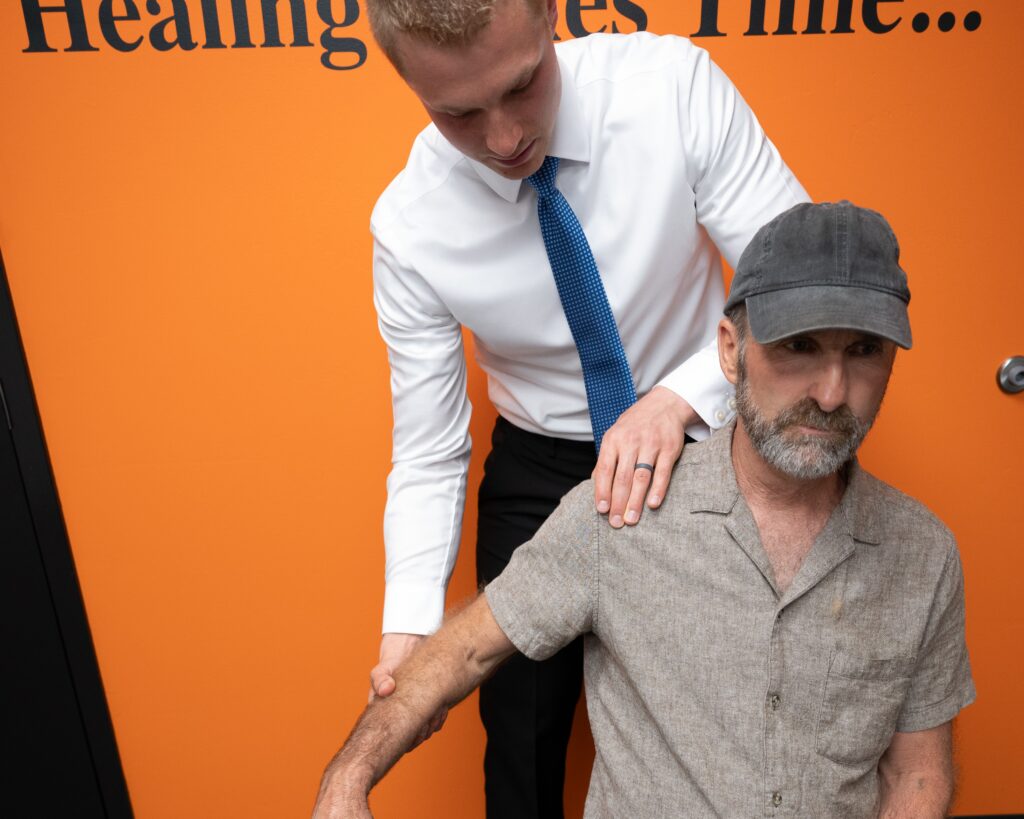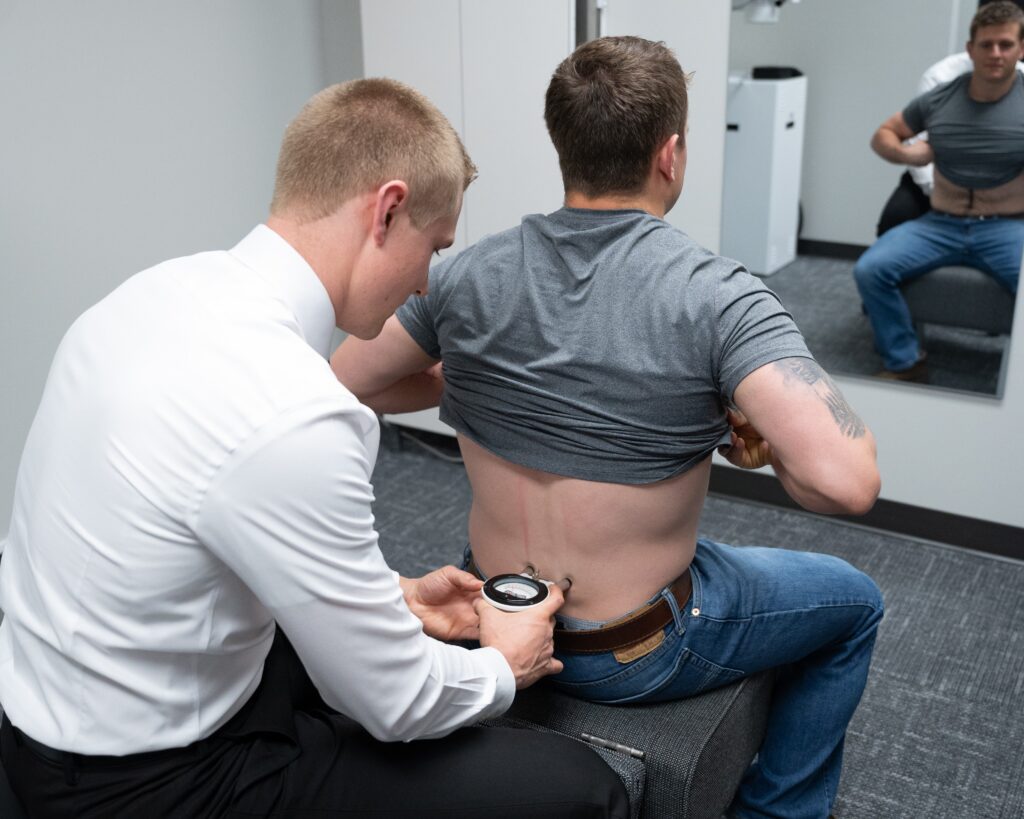

As a local chiropractor, I understand how frustrating it can be to experience a muscle strain. Whether it arises from your workout routine, a sports activity, or even just daily tasks, managing the associated pain and promoting healing is crucial for your overall wellness. In this guide, I will share some effective techniques to help you find relief, from immediate treatment options to preventive measures that can support your recovery and reduce the risk of future injuries.
So, what should you do first when you feel that unsettling twinge in your muscle? It’s important to listen to your body and take immediate action. Remember, chiropractic care emphasizes natural healing, so let’s explore some strategies to get you back on track!
Understanding Muscle Strains: Types and Causes
As a local chiropractor, I often see patients dealing with muscle strains, which can affect anyone—whether you’re an athlete, a busy parent, or just going about your everyday activities.
It’s important to understand the different types of muscle strains to better identify what might be happening in your body. We categorize muscle strains into three main types: mild (grade I), moderate (grade II), and severe (grade III).
A mild strain involves only slight stretching or tiny tears in the muscle fibers, and while it can be uncomfortable, it typically allows for some degree of muscle function.
A moderate strain, on the other hand, may entail more significant damage, but you can still retain some functionality in the affected muscle.
A severe strain results in a complete tear of the muscle, which often leads to intense pain and a considerable loss of movement.
The causes of muscle strains can be quite diverse. You might find yourself straining a muscle due to overexertion during a workout, improper lifting techniques, or unexpected movements that catch your muscles off guard.
Additionally, poor conditioning or insufficient flexibility can heighten your risk of experiencing a strain. Recognizing these contributing factors is essential for preventing future injuries and promoting overall muscle health.
At our chiropractic clinic, we focus on natural healing methods that not only address the symptoms of muscle strains but also enhance your body’s resilience against them.
Recognizing Symptoms of Muscle Strain
As a local chiropractor dedicated to educating my patients about their health, I want to emphasize the importance of recognizing the symptoms of a muscle strain early on. When you experience a muscle strain, identifying these signs can significantly influence your recovery process.
One of the most common indicators is sudden pain in the affected area, which may intensify with movement. You might also notice swelling or tenderness, making it quite uncomfortable to touch the area. It’s not uncommon for muscle spasms to occur as your body instinctively tries to protect the injured site, leading to additional discomfort.
Another important symptom to be aware of is a limited range of motion. You may find it challenging to perform everyday activities, and you might feel weakness in the muscle, which can hinder your ability to engage fully in physical tasks. In some instances, bruising may also develop around the site of the strain.
Paying close attention to these signs is crucial. Early identification enables you to make informed decisions about the best course of action for relief and recovery. By being in tune with your body’s signals, you can avoid the temptation to push through the pain, which could lead to further injury.
As a chiropractor, I’m here to guide you through natural healing methods that support your recovery. Understanding these symptoms is the first step towards regaining your strength and mobility.
Immediate Relief Techniques: R.I.C.E. Method
As a local chiropractor, I want to share some effective immediate relief techniques for those dealing with a muscle strain. One of the best methods you can use is known as R.I.C.E., which stands for Rest, Ice, Compression, and Elevation.
Let’s start with Rest. It’s crucial to give your affected muscle a break, so please refrain from any activities that might exacerbate the strain. Your body needs time to heal, and resting is the first step in that process.
Next, we move on to Ice. Applying ice wrapped in a cloth to the injured area for about 15-20 minutes each hour can significantly help. This not only reduces swelling but also numbs the pain, making you more comfortable.
After icing, it’s important to use Compression. A compression bandage can provide much-needed support to the injured muscle. Make sure to wrap it snugly, but not so tight that it cuts off circulation. You want to balance support and comfort.
Finally, let’s talk about Elevation. Whenever possible, keep the injured muscle elevated above heart level. This simple step can help reduce swelling and improve blood flow to the area, promoting healing.
By following these R.I.C.E. principles, you can effectively manage the discomfort from a muscle strain while supporting your body’s natural healing processes.
If you have any further questions or need assistance, feel free to reach out to our office. We’re here to help you on your journey to recovery!
Over-the-Counter Pain Relief Options
As a local chiropractor, I understand that dealing with a muscle strain can be quite uncomfortable, and I want to share some effective over-the-counter (OTC) pain relief options that may help you on your healing journey.
One popular choice is nonsteroidal anti-inflammatory drugs (NSAIDs) like ibuprofen and naproxen. These medications can help reduce inflammation and alleviate pain, allowing you to get back to your daily activities more quickly.
It’s essential to follow the recommended dosage instructions on the label to ensure safety.
If you’re unable to take NSAIDs due to stomach issues or other health concerns, acetaminophen is a viable alternative. While it effectively relieves pain, keep in mind that it doesn’t address inflammation.
Additionally, topical analgesics, such as creams or patches containing menthol or capsaicin, can offer localized relief. These are easy to apply and can be a great option if you prefer to avoid oral medications altogether.
However, it’s always wise to consult with a healthcare professional, such as a chiropractor, if you have any concerns or pre-existing conditions before starting any OTC medication.
We’re here to help you find the best approach to your healing and overall wellness.
Physical Therapy and Stretching Exercises
As a chiropractor, I want to emphasize the importance of incorporating physical therapy and stretching exercises into your recovery plan from a muscle strain. While over-the-counter pain relief options can certainly help alleviate discomfort, natural healing methods like chiropractic care can play a vital role in enhancing your recovery.
A chiropractor can assess your individual needs and develop a customized program aimed at strengthening the affected area, improving flexibility, and preventing future injuries. We focus on holistic approaches to ensure your body heals effectively.
Starting with gentle stretching is crucial to maintaining your range of motion. As you become more comfortable, we can gradually increase the intensity of your stretches. It’s essential to focus on stretches that target the injured muscle group, but remember to listen to your body and avoid pushing yourself too hard.
In addition to stretching, we also recommend strength-building exercises that promote stability and support for your body. Engaging in these activities not only aids in your recovery but also helps you regain confidence in your movements.
Always consult with your chiropractor for personalized guidance to ensure you’re on the right path toward a full recovery. Natural healing is a journey, and we’re here to support you every step of the way.
Preventing Future Muscle Strains
As your local chiropractor, I want to share some important insights on how you can effectively prevent future muscle strains.
One of the key aspects of maintaining muscle health is engaging in proper warm-up techniques before any physical activity. Warming up is essential as it prepares your muscles for movement, ultimately reducing the risk of injury.
In addition to warming up, it’s crucial to incorporate a consistent routine of strengthening exercises into your lifestyle. These exercises not only help build muscle strength but also enhance the resilience of your muscles, making them less susceptible to strains.
By focusing on these two fundamental practices, you can significantly improve your overall muscle health and decrease the likelihood of experiencing strains in the future.
Remember, chiropractic care can also play a vital role in your journey towards natural healing and maintaining optimal muscle function.
If you have any questions or need guidance on effective warm-up techniques or strengthening exercises, please feel free to reach out!
Proper Warm-Up Techniques
As your local chiropractor, I want to emphasize the importance of a proper warm-up routine in reducing your risk of muscle strains and injuries.
Preparing your body before engaging in any physical activity is crucial for your overall health and well-being. Here are three effective warm-up techniques I recommend incorporating into your routine:
- Dynamic Stretching: Think of movements like arm circles and leg swings. These dynamic stretches are great for increasing blood flow and enhancing flexibility, which is essential for optimal muscle function.
- Light Aerobic Exercise: Engaging in 5-10 minutes of brisk walking or jogging is an excellent way to elevate your heart rate and warm up your muscles. This gentle increase in activity prepares your cardiovascular system for more intense efforts ahead.
- Sport-Specific Drills: If you participate in a sport, it’s beneficial to mimic specific movements related to that activity. For instance, practicing dribbling with a basketball or refining your swing in baseball activates the exact muscles you’ll be using, ensuring they’re ready to perform.
Incorporating these warm-up techniques into your routine can help prime your body for action, reducing the likelihood of injuries.
I encourage you to make warm-ups a non-negotiable part of your fitness regimen. Taking these steps can contribute positively to your overall health and enhance your performance, supporting your journey in natural healing and chiropractic care.
Strengthening Exercises Routine
As a local chiropractor, I want to emphasize the importance of incorporating a strengthening exercises routine into your wellness plan. This practice is crucial for preventing future muscle strains, as it enhances the resilience and stability of your muscles.
I recommend starting with bodyweight exercises like squats and push-ups, which engage multiple muscle groups and lay a solid foundation for strength. As you progress, consider integrating resistance training with bands or weights, focusing on major areas such as your back, legs, and core.
I suggest aiming for two to three sessions a week, ensuring you allow adequate recovery time between workouts.
It’s equally important to include balance and flexibility exercises in your routine—activities like yoga or Pilates can significantly enhance your overall stability.
Always listen to your body; if something doesn’t feel right, it’s essential to adjust the intensity. By committing to this routine, you won’t only fortify your muscles and reduce the risk of strains, but you’ll also improve your overall strength and performance.
When to Seek Professional Help
As your local chiropractor, I want to emphasize the importance of listening to your body. If you’re experiencing sharp pain that persists or find yourself struggling with movement, it may be time to consider seeking professional chiropractic care.
These symptoms aren’t something to overlook, as they could indicate underlying issues that, if left untreated, may lead to more significant complications down the road.
Chiropractic care focuses on natural healing and restoring balance to your body. Trust your intuition—if something doesn’t feel right, consulting with a chiropractor can provide valuable insights and treatment options.
Our goal is to help you regain your mobility and reduce your pain, allowing you to live a healthier, more active life.
Don’t hesitate to reach out and discuss your concerns; we’re here to help you on your journey to wellness.
Severe Pain Persistence
When severe pain persists despite your best efforts with rest and home remedies, it’s important to consider seeking professional assistance, especially from a chiropractor who specializes in natural healing methods. Ignoring ongoing pain can lead to more serious complications down the line.
Here are three telltale signs that indicate it’s time to consult with a chiropractic professional:
- Intense Pain: If you’re experiencing sharp, debilitating pain that doesn’t respond to over-the-counter medications, this could be a sign that your body needs specialized care. Chiropractors can help identify the root cause of your pain and provide targeted treatment.
- Swelling: Noticeable swelling in the muscle area, along with warmth to the touch, may indicate inflammation or injury. A chiropractor can assess your condition and offer therapies to reduce inflammation and promote healing.
- Radiating Pain: If you feel pain radiating to other parts of your body, such as your back or limbs, it’s crucial to address this issue promptly. This could signify a more serious underlying problem that chiropractic care can help manage.
Don’t hesitate to reach out for chiropractic advice when you notice these symptoms. Early intervention through natural healing techniques can help you recover more swiftly and prevent long-term damage to your body.
Limited Mobility Issues
As a local chiropractor, I understand that experiencing limited mobility can significantly affect your daily routine. Tasks that once felt effortless can become overwhelming. It’s essential to recognize these changes in your mobility and not overlook them.
If you’re finding it increasingly difficult to move around or engage in activities you used to love, it’s a sign to take action. I encourage you to seek professional assistance if your mobility issues last longer than a few days or if they worsen despite your own efforts to manage them.
Chiropractic care can play a vital role in assessing your condition and identifying the underlying causes of your discomfort. We focus on natural healing methods that aim to restore your mobility and enhance your overall well-being.
Furthermore, if you experience symptoms like swelling, bruising, or a significant decrease in your range of motion, please reach out for help. Early intervention through chiropractic adjustments and tailored treatment plans can help prevent further complications.
Our goal is to help you regain your strength and mobility, so you can quickly return to your normal activities and enjoy life to the fullest. Remember, you don’t have to navigate this journey alone—support is available.
Signs of Complications
As a local chiropractor dedicated to your well-being, I want to emphasize the importance of recognizing signs of complications during your recovery process.
Being aware of these signs is crucial, as early intervention can help prevent more serious issues down the line. If you notice any of the following symptoms, it’s important to reach out for professional help:
- Severe Pain: If your pain is getting worse rather than improving, this is a significant warning sign that something more serious may be occurring. It’s essential to address this with a healthcare professional.
- Swelling: If you notice swelling that doesn’t go down with rest and ice, it might suggest a more severe injury. This isn’t something to take lightly, as it can impede your healing process.
- Inability to Bear Weight: If you find yourself unable to put weight on the affected area, it’s crucial to seek an evaluation. This could indicate fractures or significant tears that need to be addressed.
Please don’t overlook these signs. Seeking timely help not only enhances your recovery but also helps prevent further complications.
Conclusion
As your local chiropractor, I want to help you understand how to effectively manage a muscle strain through natural healing methods. The first step is to apply the R.I.C.E. method—Rest, Ice, Compression, and Elevation—to provide immediate care for your injury. This approach can significantly reduce inflammation and promote healing.
In addition to R.I.C.E., you may find relief through over-the-counter pain relief options, but I encourage you to consider more holistic alternatives that focus on restoring balance to your body. Chiropractic care can play a crucial role in your recovery process by addressing any underlying issues that may have contributed to your muscle strain.
As you heal, incorporating physical therapy can enhance your long-term recovery and help you regain strength and flexibility. It’s essential to listen to your body throughout this process and take preventive measures to reduce the risk of future injuries.
If you find yourself experiencing severe pain or limited mobility, please don’t hesitate to reach out for professional help. Together, we can create a personalized plan that not only addresses your current condition but also empowers you to engage in your activities with greater awareness of your body’s needs. With the right approach, you can return to your daily life stronger and more resilient.