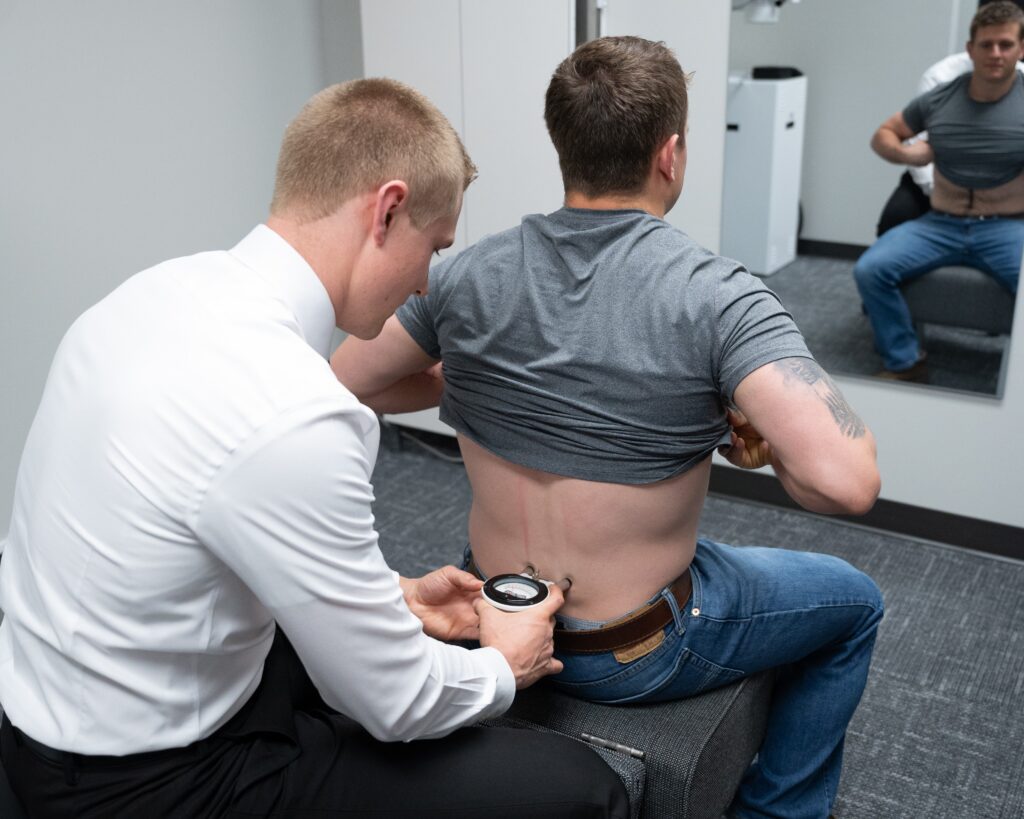

When you're living with chronic pain, it's essential to recognize that prevention can play a significant role in managing your symptoms. You might find that integrating regular exercise, making mindful dietary choices, and prioritizing sleep can drastically alter your experience. Each of these strategies not only helps in reducing pain but also enhances your overall quality of life. As you explore these options, you may discover unexpected benefits that extend beyond just pain relief. What if the right combination of habits could lead you to a more fulfilling daily routine?
Understanding Chronic Pain
Chronic pain's impact on daily life can be overwhelming, often making even simple tasks feel insurmountable. You might find yourself struggling with activities you'd normally do without a second thought, like getting out of bed, cooking a meal, or even enjoying a conversation. This constant discomfort can drain your energy and affect your mood, leading to feelings of frustration and helplessness.
Understanding chronic pain is vital for managing it effectively. Unlike acute pain, which serves as a warning signal for injury, chronic pain persists long after the initial cause has healed. It can stem from various conditions, including arthritis, fibromyalgia, or nerve damage, and often involves complex interactions between physical, emotional, and psychological factors.
You may also experience periods of flare-ups, where the pain intensifies, disrupting your routine and making you feel like you're back at square one. Recognizing these patterns can help you prepare for tough days and develop coping strategies.
Keep in mind that chronic pain doesn't just affect you physically; it can also impact your relationships and mental health. You might feel isolated or misunderstood, but reaching out for support can make a difference.
It's important to advocate for yourself and seek information to better understand your condition. This knowledge empowers you to make informed decisions about treatment options, whether through medication, physical therapy, or alternative therapies.
Importance of Prevention
Taking proactive steps to prevent chronic pain is essential for maintaining your overall well-being. By focusing on prevention, you can greatly reduce the risk of developing pain that could affect your daily life and activities.
Chronic pain doesn't just impact your physical health; it can also lead to emotional and mental challenges. By prioritizing prevention, you can create a healthier lifestyle and enhance your quality of life.
Understanding the importance of prevention means recognizing the factors that contribute to chronic pain. Poor posture, sedentary habits, and unaddressed injuries can all play a role in developing long-term pain.
By being aware of these risk factors, you can take steps to minimize your exposure to them. For instance, making small adjustments in your daily routine, such as improving your work environment or being mindful of body mechanics, can have a lasting impact.
Moreover, prevention empowers you to take control of your health. When you actively engage in strategies to avoid chronic pain, you cultivate a sense of agency over your body.
This mindset not only boosts your confidence but also encourages you to seek out additional resources and support. Ultimately, embracing a preventative approach can lead to a more fulfilling and active life.
Regular Exercise Routine
Establishing a regular exercise routine is crucial for managing chronic pain effectively. Engaging in physical activity helps reduce pain levels, improve mobility, and enhance your overall quality of life. When you exercise consistently, you strengthen your muscles, which can alleviate pressure on painful joints and improve flexibility.
Start by finding activities you enjoy, whether it's walking, swimming, or yoga. Choose low-impact exercises to minimize strain on your body while still reaping the benefits of movement. Aim for at least 150 minutes of moderate aerobic activity each week, broken down into manageable sessions. Even short bursts of activity can make a significant difference.
It's essential to listen to your body. If you experience pain during or after exercise, adjust your routine accordingly. Gradually increase intensity and duration as your strength improves. Incorporating stretching and strengthening exercises can also enhance your flexibility and stability, further reducing pain.
Consider working with a physical therapist or a fitness trainer who understands chronic pain. They can help tailor an exercise program specific to your needs and limitations. Remember to set realistic goals and celebrate your progress, no matter how small.
Staying active not only helps with pain management but also boosts your mood and energy levels. It can be a powerful tool in your arsenal against chronic pain.
Nutrition and Diet Choices
A well-balanced diet plays an essential role in managing chronic pain and enhancing overall health. You'll want to focus on incorporating anti-inflammatory foods that can help reduce pain and promote healing. Foods rich in omega-3 fatty acids, like salmon, walnuts, and flaxseeds, are great choices. They can help decrease inflammation and may relieve some of your discomfort.
Don't forget to load up on fruits and vegetables, especially berries, spinach, and kale. These are packed with antioxidants that combat oxidative stress in the body, which can contribute to pain. Whole grains, such as brown rice and quinoa, provide fiber and help maintain steady blood sugar levels, further supporting your energy throughout the day.
It's also vital to limit processed foods, sugar, and unhealthy fats. These can trigger inflammatory responses in your body, potentially worsening your pain. Instead, opt for healthy fats found in avocados and olive oil, which can help curb inflammation.
Staying hydrated is another key factor in managing chronic pain. Drink plenty of water throughout the day to keep your body functioning effectively. Herbal teas can also be soothing and beneficial.
Lastly, consider keeping a food diary. Tracking what you eat and how it affects your pain can help you identify triggers and make informed dietary choices. By focusing on nutrition and diet, you can take an active role in managing your chronic pain and improving your quality of life.
Stress Management Techniques
Managing stress effectively is essential for alleviating chronic pain and improving your overall well-being. When you're stressed, your body releases hormones that can heighten pain sensitivity. By incorporating stress management techniques into your daily routine, you can help mitigate this response.
One effective technique is deep breathing. Spend a few minutes each day focusing on your breath. Inhale deeply through your nose, allowing your abdomen to expand, then exhale slowly through your mouth. This practice calms your nervous system and promotes relaxation.
Mindfulness meditation is another powerful tool. Set aside time each day to sit quietly and observe your thoughts without judgment. This practice helps you develop awareness of your stress triggers and cultivates a sense of peace. Apps and online resources can guide you through meditation sessions, making it easier to get started.
Physical activity also plays an important role in stress management. Engage in activities you enjoy, whether it's walking, dancing, or yoga. Regular exercise releases endorphins, which can boost your mood and reduce anxiety.
Don't underestimate the power of social support. Reach out to friends or family members when you're feeling overwhelmed. Sharing your feelings can lighten your emotional load and provide you with a fresh perspective.
Finally, consider journaling. Writing down your thoughts and feelings can help you process emotions and gain insight into your stressors.
Sleep Hygiene Practices
To manage chronic pain effectively, prioritizing sleep hygiene is essential.
Establishing a consistent sleep schedule and optimizing your bedroom environment can greatly improve your rest.
Let's explore how these practices can enhance your sleep quality and overall well-being.
Consistent Sleep Schedule
Establishing a consistent sleep schedule can greatly impact your ability to manage chronic pain. When you go to bed and wake up at the same time every day, you help regulate your body's internal clock. This consistency fosters better sleep quality, which is essential for pain management.
To create a reliable sleep routine, start by setting a fixed bedtime and wake-up time, even on weekends. This helps reinforce your body's natural circadian rhythm. You might also want to implement a relaxing pre-sleep ritual, like reading or gentle stretching.
Avoid stimulants like caffeine and nicotine in the hours leading up to bedtime, as they can disrupt your sleep quality.
Pay attention to how much sleep you need to feel rested; most adults require between seven to nine hours. You may find that getting adequate sleep can reduce your perception of pain, making it easier to cope with daily challenges.
If you struggle to fall asleep, consider limiting naps during the day, as they can interfere with nighttime rest. By prioritizing a consistent sleep schedule, you'll be taking a significant step toward better managing your chronic pain.
Bedroom Environment Optimization
While a consistent sleep schedule is essential, optimizing your bedroom environment can further enhance your sleep quality and pain management.
Start by keeping your bedroom dark, quiet, and cool. Use blackout curtains to block out light and consider white noise machines or earplugs to eliminate distracting sounds. A comfortable mattress and pillows that support your body can greatly reduce discomfort and improve your sleep experience.
Next, declutter your space. A tidy environment can create a calming atmosphere, helping you relax more easily. Incorporate soothing colors and minimal decor to promote tranquility.
Additionally, limit exposure to screens at least an hour before bedtime; the blue light from devices can interfere with your sleep cycle.
Finally, consider incorporating calming scents, like lavender or chamomile, which may help you unwind. A consistent bedtime routine that includes relaxation techniques, such as deep breathing or light stretching, can further prepare your body for rest.
Mindfulness and Meditation
Mindfulness and meditation can play an essential role in managing chronic pain by helping you stay present and reduce stress.
You'll find that various techniques, like focused breathing and body scans, can enhance your overall well-being.
Let's explore the benefits of incorporating these practices into your daily routine.
Benefits of Mindfulness
When you incorporate mindfulness and meditation into your daily routine, you may find significant relief from chronic pain. These practices can help you become more aware of your body and its sensations, allowing you to manage pain more effectively.
Mindfulness encourages you to focus on the present moment, reducing anxiety and emotional distress that often accompany chronic pain.
Here are some benefits you might experience:
- Increased Self-Awareness: You'll develop a better understanding of your pain triggers and emotional responses, enabling you to take proactive steps in managing them.
- Reduced Stress: Mindfulness helps lower stress levels by promoting relaxation, which can lead to decreased muscle tension and pain perception.
- Enhanced Emotional Regulation: With regular practice, you'll find it easier to cope with negative emotions, reducing the psychological burden of chronic pain.
Techniques for Meditation
Exploring various techniques for meditation can enhance your mindfulness practice and provide deeper relief from chronic pain. One effective method is focused breathing. Simply find a quiet space, sit comfortably, and concentrate on your breath. Inhale deeply through your nose, hold for a moment, then exhale through your mouth. This can help ground you and divert attention from pain.
Another technique is body scan meditation. Lie down or sit comfortably, and mentally scan your body from head to toe. Notice any areas of tension or discomfort without judgment. Acknowledge these sensations and allow yourself to breathe into them, promoting relaxation.
You might also try loving-kindness meditation. This involves silently repeating phrases of goodwill towards yourself and others. Start with yourself, then gradually extend these feelings to loved ones, acquaintances, and even those with whom you have difficulties. This cultivates compassion and reduces stress.
Finally, consider guided meditations. Various apps and online resources offer sessions tailored to pain management. They can provide structure and support, making it easier to stay focused.
Experiment with these techniques to discover what resonates best with you, enhancing your journey toward managing chronic pain.
Physical Therapy Options
Physical therapy offers a range of effective options for managing chronic pain, allowing you to regain mobility and improve your quality of life. A skilled physical therapist will assess your specific condition and create a personalized treatment plan tailored to your needs. This plan might include a variety of techniques designed to help you manage pain and enhance function.
You can expect to engage in:
- Strengthening exercises: These exercises target weak muscles, helping to stabilize joints and improve overall physical strength. By building strength, you can reduce pain and prevent future injuries.
- Stretching routines: Gentle stretching can alleviate tension and increase flexibility. Improved flexibility not only helps reduce pain but also enhances your range of motion, making daily activities easier to perform.
- Manual therapy: This hands-on approach involves techniques like massage and joint mobilization, which can improve circulation, decrease stiffness, and alleviate pain through the manipulation of soft tissues.
Incorporating physical therapy into your pain management strategy can greatly enhance your recovery journey. Your therapist will teach you how to perform exercises correctly, ensuring you're safe and effective in your approach.
With consistency and commitment, you'll likely notice a reduction in pain levels and an improvement in your overall function. Don't hesitate to explore these options; they could be the key to reclaiming your life from chronic pain.
Alternative Therapies
When managing chronic pain, you might consider alternative therapies like acupuncture, which can provide relief.
Mindfulness and meditation techniques offer tools to help you cope with pain more effectively.
Additionally, exploring herbal remedies and supplements could enhance your overall wellness and pain management.
Acupuncture for Pain Relief
Among various alternative therapies, acupuncture stands out as a popular option for managing chronic pain. This ancient practice involves inserting thin needles into specific points on your body, promoting natural healing and pain relief. Many people find that acupuncture can effectively alleviate discomfort from conditions like arthritis, migraines, or lower back pain.
You might be wondering how acupuncture works. Here are key benefits you may experience:
- Pain Reduction: Acupuncture stimulates the release of endorphins, your body's natural painkillers, reducing your perception of pain.
- Improved Blood Flow: The needles can enhance circulation, delivering oxygen and nutrients to injured areas, potentially speeding up recovery.
- Relaxation and Stress Relief: Many individuals report feeling a profound sense of relaxation during and after treatment, which can be vital for managing chronic pain.
If you're considering acupuncture, it's important to consult a licensed practitioner. They'll tailor the treatment to your specific needs, helping you develop a personalized pain management plan.
Combining acupuncture with other strategies can lead to a more thorough approach to coping with chronic pain.
Mindfulness and Meditation Techniques
Mindfulness and meditation techniques offer an effective way to manage chronic pain by fostering a deeper connection between your mind and body. By practicing mindfulness, you can become more aware of your pain without letting it dominate your thoughts. This awareness helps you respond to pain more calmly and effectively.
Start with simple breathing exercises. Sit comfortably, close your eyes, and focus on your breath. Inhale deeply through your nose, then exhale slowly through your mouth. Repeat this for a few minutes, allowing your mind to settle. When thoughts of pain arise, acknowledge them, but gently redirect your focus back to your breath.
You might also try guided meditation. There are numerous apps and online resources that can lead you through sessions tailored for pain management. These sessions often incorporate visualization techniques, where you imagine your pain dissipating or transforming into something manageable.
Regular practice can enhance your resilience against pain and reduce stress, making it easier to cope with daily challenges.
Herbal Remedies and Supplements
In addition to mindfulness and meditation, many people find relief from chronic pain through herbal remedies and supplements. These natural options can complement your pain management strategy effectively.
However, it's crucial to consult with a healthcare professional before trying any new treatment.
Here are a few popular herbal remedies you might consider:
- Turmeric: Known for its anti-inflammatory properties, turmeric can help reduce pain and improve joint function.
- Ginger: Often used for digestive issues, ginger also possesses anti-inflammatory qualities that may alleviate pain.
- Willow Bark: This traditional remedy has been used for centuries to ease headaches and lower back pain, similar to aspirin's effects.
Incorporating these remedies into your routine could provide you with additional relief.
Always pay attention to how your body responds and adjust accordingly. Herbal supplements can be a great addition to your chronic pain management plan, but remember, what works for one person may not work for another.
Keep an open mind, and don't hesitate to explore different options to find what helps you best.
Building a Support Network
Creating a strong support network can make a significant difference in managing chronic pain. Surrounding yourself with understanding and compassionate individuals helps you feel less isolated and more empowered. Start by identifying friends and family members who are willing to listen and provide encouragement. Share your experiences with them—let them know what you're going through and how they can help.
Consider joining support groups, either in person or online. These groups offer a safe space to connect with others facing similar challenges. You'll gain valuable insights and coping strategies, and you might find friendships that extend beyond the group. Don't underestimate the power of shared experiences; they can be incredibly validating.
In addition to personal connections, think about including healthcare professionals in your network. A good doctor, physical therapist, or counselor can offer essential guidance and treatment options tailored to your specific needs. They can also help you navigate the complex world of chronic pain management.
Lastly, don't forget about the importance of self-advocacy. By actively participating in your care and seeking out information, you empower yourself and encourage those around you to support you effectively.
Building a solid support network takes time and effort, but the emotional and practical benefits can be profound. You're not alone in this journey—reach out, connect, and cultivate relationships that nurture your well-being.
Conclusion
In managing chronic pain, you have the power to take control of your well-being. By incorporating regular exercise, making smart dietary choices, and practicing stress management techniques, you can greatly improve your quality of life. Don't underestimate the importance of mindfulness and building a support network, too. Embrace these preventative strategies, and you'll find greater relief and resilience on your journey toward better health. Remember, you're not alone—help is always within reach.