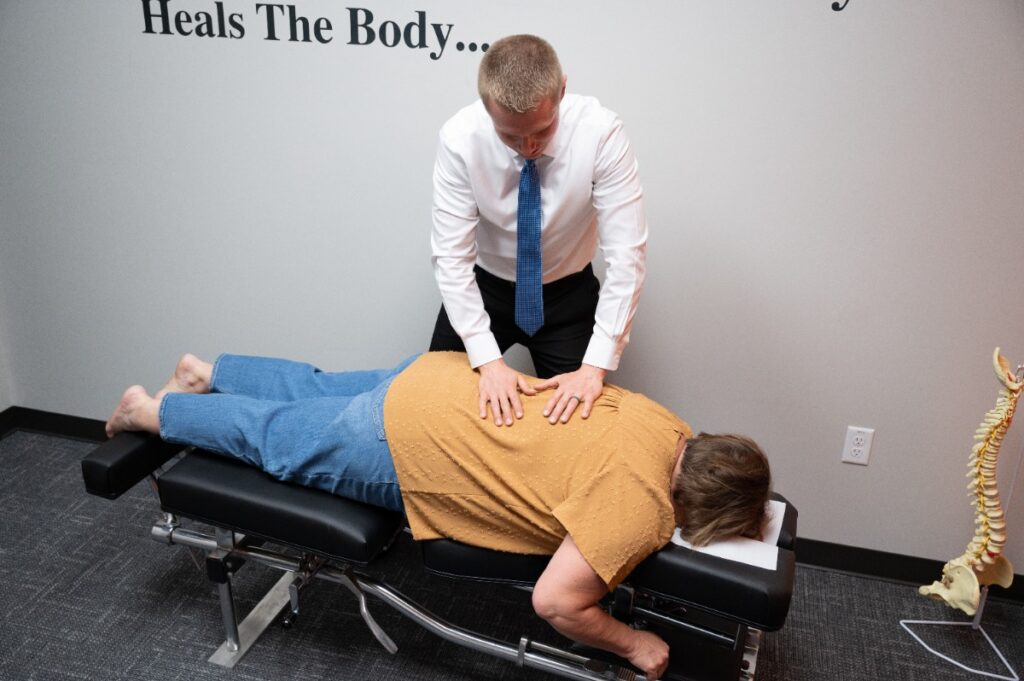
When it comes to managing ADHD symptoms in children, it's essential to adopt a holistic approach that considers various facets of their lives. As a local chiropractor, I believe that early intervention and structured routines can significantly contribute to a child's well-being. Integrating chiropractic care into their routine can help improve their nervous system function, which may lead to better focus and emotional regulation.
Collaboration with educators and implementing behavioral therapies can also create a more supportive environment for your child. By fostering open communication, we can work together to find the best strategies that engage your child and promote their emotional well-being. Exploring these natural healing techniques can provide valuable insights that not only assist in managing ADHD symptoms but also enhance your child's overall quality of life. Remember, a well-adjusted spine can lead to a well-adjusted mind!
Understanding ADHD Basics
When it comes to understanding Attention-Deficit/Hyperactivity Disorder (ADHD), I believe it's essential to explore how natural healing approaches, including chiropractic care, can assist in managing its symptoms. ADHD comprises a variety of behaviors that can significantly affect a child's daily functioning, primarily categorized into inattention and hyperactivity-impulsivity.
Inattention often presents itself in children as difficulty focusing on tasks or following instructions. You may observe your child misplacing items, forgetting assignments, or getting easily sidetracked by surrounding noises or activities. This struggle to maintain focus can hinder their performance in school and other engagements.
Conversely, hyperactivity-impulsivity may be seen through behaviors like constant fidgeting, interrupting conversations, or an inability to remain seated. Your child might find it tough to wait for their turn during games or discussions, which can lead to social challenges. These behaviors can create feelings of frustration for both you and your child, as they may feel out of sync with their peers.
It's important to recognize that ADHD is more than just a label; it's a multifaceted neurodevelopmental disorder that affects individuals differently. Some children may exhibit stronger hyperactive traits, while others may predominantly experience inattention. Understanding these variations is crucial for addressing and supporting your child's unique needs.
At our chiropractic clinic, we focus on holistic approaches that can support children with ADHD. By aligning the spine and improving nervous system function, we aim to help enhance focus, reduce impulsivity, and promote overall well-being.
Recognizing the symptoms and characteristics of ADHD allows us to provide tailored support to your child, helping them navigate their challenges more effectively through natural healing methods.
Importance of Early Intervention
As a local chiropractor, I want to emphasize the significant role that early intervention plays in the overall health and well-being of children, especially those facing challenges like ADHD. Recognizing and addressing symptoms as soon as possible can profoundly influence a child's development, leading to improved academic performance, better social interactions, and enhanced emotional health.
When you take early action, it allows us to work together—parents, educators, therapists, and healthcare professionals—to create a customized support system for your child. Through chiropractic care, we can help your child develop essential skills to manage their challenges effectively. By focusing on the spine and nervous system, we promote optimal brain function, which can aid in reducing symptoms associated with ADHD.
Chiropractic care is a proactive approach that encourages the body's natural ability to heal and adapt. By addressing any physical misalignments or imbalances early on, we can help prevent negative patterns from becoming entrenched. Providing your child with the right resources, including natural healing methods, empowers them to thrive in their environment.
Additionally, addressing ADHD symptoms early can help mitigate the risk of co-occurring issues such as anxiety and depression. Children who receive timely support, including chiropractic adjustments, often find it easier to navigate social situations, leading to healthier relationships with their peers and family. As they experience improvements, you may notice a boost in their self-esteem and confidence in their abilities.
Involving your child in their wellness journey is crucial. Encouraging them to communicate their feelings and challenges promotes a sense of ownership and strengthens your bond.
Creating Structured Routines
Establishing structured routines can significantly benefit children with ADHD, and as a chiropractor, I see the importance of overall wellness, including mental health. Routines create a sense of predictability and stability, which can help your child feel more secure and focused. By establishing a structured daily schedule, you provide clear expectations for what comes next, ultimately reducing anxiety and impulsivity.
To begin, identify key activities in your child's day, such as waking up, meals, homework, and bedtime. It's vital to break these activities into manageable segments. For instance, during homework time, set a specific duration for focused work followed by short breaks. This approach mirrors the chiropractic principle of maintaining balance and harmony in the body, as it helps your child stay engaged without becoming overwhelmed.
Incorporating visual aids can enhance these routines. Consider using charts or checklists to outline daily tasks. This not only reinforces the schedule but also offers a sense of accomplishment when tasks are completed, similar to how regular chiropractic adjustments can lead to a sense of well-being and stability in the body.
Involving your child in creating these routines is crucial; they'll feel more invested and motivated when they've a say in the process.
Consistency is essential. Adhering closely to the routine, even on weekends, is beneficial for your child's overall stability. However, it's also important to remain flexible. Life can be unpredictable, similar to how our bodies can respond differently to chiropractic care. Be prepared to adapt the routine when necessary.
Regularly review and adjust the routine based on your child's evolving needs and feedback.
Ultimately, structured routines can empower your child with ADHD, fostering independence and enhancing their ability to manage daily challenges. By creating a supportive environment, much like the nurturing atmosphere we strive for in chiropractic care, you're setting the stage for their success and well-being.
Implementing Behavioral Therapies
As a local chiropractor, I believe in the power of natural healing and the importance of holistic approaches to managing conditions like ADHD.
Implementing behavioral therapies can truly enhance your child's well-being. Focus on positive reinforcement techniques to encourage desired behaviors, create structured routines to provide stability, and work on improving communication strategies between you and your child.
These practices not only support your child's behavior but also help to strengthen the bond you share. By embracing these methods, we can work together towards a healthier and more harmonious family life.
Positive Reinforcement Techniques
As a chiropractor, I want to share how positive reinforcement techniques can positively impact not just behavior management in children, but also their overall well-being and health.
By focusing on rewarding positive actions, we can encourage healthier lifestyle choices that contribute to their physical and emotional development. This approach promotes a shift from correcting negative behaviors to celebrating the positive, which can lead to lasting changes in their habits and attitudes.
Here are a few practical positive reinforcement techniques you can incorporate into your family's routine:
- Verbal Praise: Just as I emphasize the importance of acknowledging progress in chiropractic care, you can uplift your child's spirits with specific compliments. For instance, saying, "I'm proud of you for taking the initiative to stretch today!" can boost their confidence and inspire them to engage in healthy activities more often.
- Reward Systems: Consider setting up a reward chart where your child earns stickers or points for completing daily tasks or demonstrating good health practices, such as drinking enough water or engaging in physical activity. Once they accumulate a certain number, reward them with a small treat or a fun outing, reinforcing the connection between healthy habits and positive outcomes.
- Quality Time: Just as I encourage my patients to prioritize self-care, spending quality time with your child when they exhibit positive behavior can strengthen your bond. Engage in activities like going for a bike ride or practicing relaxation techniques together. This not only promotes well-being but also reinforces the idea that good behavior leads to enjoyable experiences.
By implementing these positive reinforcement strategies, you can help your child develop healthier habits that will benefit their physical and emotional health in the long run.
Structured Routine Development
Creating a structured routine can significantly support a child's ability to manage ADHD symptoms, much like how chiropractic care can enhance overall well-being. Establishing a consistent schedule helps children anticipate their daily activities, which can reduce anxiety and improve focus—similar to how regular chiropractic adjustments can help maintain alignment and promote optimal function in the body.
Start by mapping out daily activities, such as wake-up time, meals, homework, and bedtime. Visual schedules can be particularly effective; consider using charts or apps that your child can easily follow, akin to how we encourage patients to track their progress in chiropractic care.
Incorporating short breaks and physical activity into the routine is essential. Just as chiropractic care emphasizes the importance of movement for spinal health, allowing your child to release energy through physical activities can enhance concentration. Setting specific times for homework and chores, and breaking tasks into manageable chunks can foster independence. This approach not only reinforces their sense of accomplishment but also mirrors the incremental progress we aim for in chiropractic treatment.
Involve your child in creating this routine to help them feel more invested—just as we encourage patients to take an active role in their healing journey. Consistency is key; try to adhere to the routine as much as possible, even on weekends, much like maintaining a regular schedule for chiropractic visits.
Celebrate small victories when your child follows the schedule, using positive reinforcement techniques. Over time, a structured routine will empower your child to manage their ADHD symptoms more effectively, allowing them to thrive in their daily life, just as regular chiropractic care promotes overall health and vitality.
Parent-Child Communication Strategies
Effective communication is crucial when educating patients about chiropractic care and the benefits of natural healing. Establishing strong communication strategies helps ensure that patients feel understood and supported on their wellness journey.
Here are some practical strategies to enhance our interactions:
- Use Clear Language: When discussing treatment plans, keep explanations straightforward and direct. Avoid overwhelming patients with too much technical jargon at once, ensuring they grasp the concepts easily.
- Encourage Active Listening: Create an environment where patients feel comfortable sharing their concerns and questions. Use open-ended questions to demonstrate that you value their input and experiences.
- Be Patient and Positive: Acknowledge their health challenges and efforts to improve, even if progress is slow. Positive reinforcement can motivate patients and build their confidence in the healing process.
Encouraging Open Communication
To help your child with ADHD, it's important to foster an environment of open communication, much like we do in chiropractic care.
By actively listening to your child's thoughts and feelings, you demonstrate that you truly value their perspective, just as we value each patient's input about their health journey.
Creating safe spaces for these discussions allows them to express themselves more freely, which can be as beneficial to their well-being as the adjustments we provide.
Just as chiropractic care aims to support a holistic approach to health, encouraging dialogue can enhance their overall emotional and mental wellness.
Active Listening Techniques
Active listening is a crucial skill that promotes open communication, particularly when discussing health and wellness with patients, including those managing ADHD. By actively engaging with patients, we can create a supportive environment where they feel heard and understood. This approach not only addresses their health needs but also boosts their confidence in the care they receive.
Here are some effective active listening techniques that I encourage my patients to use during our consultations:
- Maintain Eye Contact: This demonstrates that you're focused and genuinely interested in the conversation. It encourages a more open dialogue about your health concerns.
- Reflect and Paraphrase: When discussing your symptoms or experiences, I may repeat back what you've said in my own words. This ensures that I fully understand your perspective and feelings, validating your experiences.
- Ask Open-Ended Questions: I'll encourage you to elaborate on your experiences or feelings regarding your health. Instead of just answering yes or no, questions like "How have your symptoms impacted your daily life?" can lead to a more comprehensive understanding of your health.
Creating Safe Spaces
Creating a safe space for children with ADHD is essential for encouraging open communication, and as a chiropractor, I understand the importance of holistic support for your child's well-being. When kids feel secure, they're more willing to express their thoughts and feelings, which in turn can positively impact their overall health.
Start by establishing a calm and comfortable environment in your home, similar to the serene atmosphere we aim to create in our clinic. Choose a quiet area free from distractions where your child can talk openly without interruptions. Just as we focus on creating a welcoming space for our patients, you can do the same at home.
Make it a habit to check in with your child regularly. Ask open-ended questions and listen actively to their responses, just as we encourage communication during consultations. Show empathy and validate their feelings, letting them know it's okay to share what's on their mind. Avoid jumping to conclusions or offering solutions right away; sometimes, they just need to be heard, much like how we listen to your concerns about your health.
Encourage your child to express themselves through different mediums, like drawing or writing. This can help them articulate feelings they might struggle to verbalize, similar to how we use various techniques to help patients understand their bodies.
Also, let them know that it's safe to talk about their ADHD challenges without fear of judgment, as we strive to create a non-judgmental environment for all our patients.
Finally, be patient. Building a trusting relationship takes time, just as it does in the healing process. By creating a safe space, you're not only fostering open communication but also helping your child feel valued and understood.
This foundation can greatly improve their emotional well-being and overall management of ADHD symptoms, much like the benefits of chiropractic care in supporting your family's health.
Collaborating With Educators
Collaborating with educators is crucial for fostering a holistic approach to managing ADHD in children, and as a chiropractor, I see the benefits of this teamwork extend beyond the classroom.
When caregivers and educators unite, they create a nurturing environment where children can flourish both academically and socially.
To support your child's development effectively, I encourage you to establish strong lines of communication with your child's teachers. This collaboration allows you to share valuable insights about your child's unique strengths and challenges, as well as discuss any supportive strategies you may have implemented at home.
Here are some key steps to enhance this collaboration:
- Regular Meetings: Schedule consistent check-ins with your child's teachers to discuss their progress. These meetings will ensure that both you and the educator remain informed and aligned on strategies that promote your child's success.
- Action Plans: Collaborate with educators to develop Individualized Education Plans (IEPs) or 504 Plans if necessary. These plans can specify accommodations tailored to your child's needs, such as additional time for tests or seating arrangements that minimize distractions.
- Classroom Strategies: Share effective techniques that have proven beneficial for your child at home, such as the use of visual schedules or breaking tasks into manageable steps. Encourage teachers to incorporate similar methods in the classroom to enhance your child's learning experience.
By working together, we can create a cohesive support system that empowers children with ADHD to thrive.
As a chiropractor, I'm here to support you in exploring natural healing approaches that can complement these educational strategies, promoting overall well-being and balance for your child.
Supporting Emotional Well-being
Emotional well-being is crucial for managing conditions like ADHD in children, and as a chiropractor, I want to emphasize that addressing emotional health is just as important as physical care. Creating a supportive and nurturing environment at home can significantly benefit your child's overall well-being. When children feel secure and understood, they're more likely to express their feelings openly. This open communication can help alleviate feelings of frustration and anxiety, which often accompany ADHD.
As part of your holistic approach to your child's health, it's beneficial to regularly check in on their emotional state. This practice not only validates their feelings but also allows you to identify any potential challenges they may be facing. Celebrating their achievements, no matter how minor, can boost their self-esteem and encourage them to confront challenges with confidence.
Incorporating relaxation techniques into your child's routine is also essential. As a chiropractor, I often recommend practices like deep breathing or mindfulness, which can be helpful during overwhelming moments. These techniques empower children to manage their emotional responses more effectively.
Engaging your child in enjoyable activities, such as sports or the arts, can provide healthy outlets for stress. These activities not only foster emotional resilience but also help them build friendships, which are vital for their social development. Encouraging social interactions and assisting them in navigating conflicts can enhance their interpersonal skills.
If you notice your child struggling emotionally, don't hesitate to seek professional help. A therapist or counselor can offer tailored strategies to improve their emotional well-being.
Conclusion
As a local chiropractor, I want to share how chiropractic care can play a vital role in managing ADHD symptoms in children. It's important to adopt a holistic and collaborative approach, which includes open communication with both the child and their caregivers. By integrating chiropractic adjustments into a structured routine, we can help support the nervous system, which may contribute to improved focus and behavior.
Early intervention is crucial, so if you notice signs of ADHD in your child, consider seeking professional help, including chiropractic care. We emphasize the importance of engaging in activities that align with your child's interests, as structured physical activity not only promotes emotional well-being but also enhances social connections.
Chiropractic care focuses on natural healing and can complement other therapies, providing a comprehensive strategy to help your child thrive. Together, we can work towards developing the skills your child needs for success in a supportive and nurturing environment.