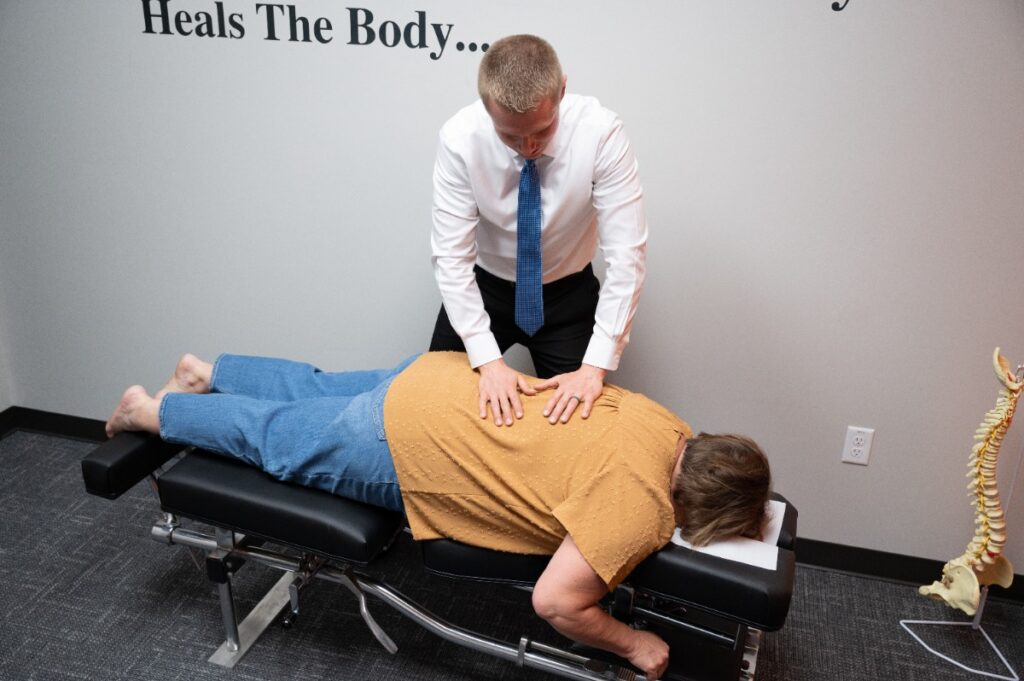

When it comes to managing chronic pain, many people think primarily about treatment options like medication or surgery. However, as a local chiropractor, I want to emphasize the vital role that preventive wellness can play in your healing journey. By taking a proactive approach, you can identify and address discomfort before it escalates into more severe issues.
Incorporating lifestyle modifications such as proper nutrition, regular exercise, and mindfulness can be incredibly beneficial. Not only can these strategies help reduce your pain, but they can also enhance your overall quality of life. Chiropractic care focuses on aligning your body and optimizing its function, which complements these lifestyle changes beautifully.
Are you curious about how these approaches can work together to create a more balanced and pain-free existence? Let's delve into the key components of preventive wellness that can make a significant difference in your life and help you manage chronic pain more effectively.
Understanding Chronic Pain
Chronic pain can often catch you off guard, lingering long after an injury or illness has resolved. As a local chiropractor, I want to emphasize that chronic pain isn't merely a symptom; it's a multifaceted condition that can impact both your physical and emotional health. You may find that your pain persists for months or even years, far exceeding the usual recovery period. Gaining an understanding of chronic pain is crucial, as it can empower you to manage it through natural healing methods we offer.
This type of pain can arise from various sources such as nerve damage, inflammation, or even psychological factors. It's essential to recognize that every individual's experience of pain is unique. What may seem unbearable for one person could be more tolerable for another. This variability can complicate the diagnosis and treatment of chronic pain. You may encounter difficulties with daily tasks, and your quality of life might decline as you deal with this persistent issue.
Furthermore, chronic pain often brings with it a range of emotional responses. Feelings of frustration, anxiety, and depression can accompany the physical sensations of pain. Acknowledging these emotions is vital, as they can amplify your discomfort.
Importance of Preventive Wellness
As a chiropractor, I want to emphasize the importance of preventive wellness in managing chronic pain.
By embracing a holistic approach to your health, you can significantly enhance your quality of life. Early intervention is key; it allows us to identify and address issues before they escalate into more serious problems.
Incorporating chiropractic care into your routine can help you maintain proper alignment and function in your body, which is crucial for long-term health.
By taking proactive steps now, such as regular adjustments and lifestyle changes, you can't only alleviate existing discomfort but also prevent future complications.
Let's work together to prioritize your wellness and ensure a healthier, pain-free future.
Holistic Health Approach
As a local chiropractor, I want to share how adopting a holistic health approach can significantly improve your well-being, especially when it comes to managing pain. This perspective emphasizes the interconnectedness of your body, mind, and spirit, acknowledging that each of these elements plays a vital role in your overall health.
Instead of solely addressing the symptoms, we focus on treating the whole person, which can lead to more effective pain management strategies. Incorporating practices such as mindfulness, yoga, or meditation into your routine can help reduce stress and enhance your mental resilience.
These techniques promote a sense of balance, allowing you to better manage pain when it arises. Nutrition is another cornerstone of holistic health; a balanced diet rich in anti-inflammatory foods can support your body's natural healing processes.
As a chiropractor, I also encourage you to explore alternative therapies, including chiropractic care. This form of treatment can work synergistically with traditional methods to alleviate pain and improve mobility.
By addressing misalignments and tension in your body, chiropractic adjustments can help restore balance and function, providing you with relief and promoting overall wellness.
Early Intervention Benefits
As a local chiropractor, I want to emphasize the importance of proactive wellness for your health and well-being. Early intervention is key to managing pain and preventing it from escalating into more serious issues. By addressing concerns as they arise, you can significantly enhance your quality of life.
Here are some essential benefits of seeking early chiropractic care:
- Reduced Severity of Pain: By recognizing the signs of discomfort early on, we can help you prevent pain from evolving into a chronic condition, which often results in less severe symptoms.
- Broader Treatment Options: Early detection of musculoskeletal issues allows us to explore various chiropractic techniques and natural healing methods tailored specifically to your needs, providing you with more effective care.
- Faster Recovery: The sooner we address your pain or discomfort, the quicker your recovery will be. This means less time on the sidelines and more time engaging in the activities you love.
- Enhanced Mental Well-Being: Proactively managing pain can alleviate the anxiety and stress commonly associated with chronic conditions. This proactive approach can lead to a more positive emotional state and improved overall mental health.
Incorporating preventive wellness practices, such as regular chiropractic adjustments, exercise, proper nutrition, and stress management, can keep you ahead of potential health issues.
Lifestyle Modifications for Pain Relief
As a local chiropractor, I want to share how lifestyle modifications can significantly aid in managing chronic pain, complementing the care you receive in our practice.
One important change to consider is incorporating regular physical activity into your daily routine. Engaging in exercise not only strengthens your muscles and enhances flexibility, but it also elevates your mood. Even light activities like walking or swimming can have a profound impact on how you feel. I recommend aiming for at least 30 minutes of moderate exercise most days of the week.
Nutrition is another critical factor in pain management. A balanced diet that includes plenty of fruits, vegetables, whole grains, and lean proteins can help reduce inflammation, which is often a contributor to pain. It's advisable to limit processed foods, sugar, and saturated fats, as these can worsen your symptoms.
Staying well-hydrated is equally vital; make sure to drink ample water throughout the day to keep your body functioning at its best.
Sleep is frequently overlooked, yet it's essential for managing pain effectively. I encourage you to establish a calming bedtime routine and target 7–9 hours of quality sleep each night. Creating a comfortable sleep environment can significantly enhance your rest.
Maintaining a healthy weight is also important, particularly if you're dealing with conditions like arthritis that put added strain on your joints. If weight loss is something you're considering, focus on making gradual adjustments to your diet and activity levels for lasting results.
Lastly, it's wise to avoid tobacco and limit alcohol consumption, as these can interfere with your pain management and overall well-being.
Mindfulness and Stress Reduction
As a local Chiropractor, I want to share with you the incredible benefits of incorporating mindfulness and stress reduction techniques into your routine, especially if you're dealing with chronic pain.
Many of my patients find that practices such as mindfulness meditation and breathing exercises can significantly help in calming the mind and alleviating tension in the body.
By embracing these natural healing strategies, not only can you ease discomfort, but you also promote a greater sense of overall well-being.
This holistic approach complements chiropractic care and empowers you to take an active role in your health journey.
Mindfulness Meditation Techniques
As a chiropractor, I often see the impact of stress and chronic pain on my patients' overall well-being. One effective approach to managing these issues is through mindfulness meditation. This practice encourages you to focus on the present moment, which can be incredibly beneficial in reducing stress and helping you cope with discomfort.
Here are some straightforward techniques to incorporate mindfulness into your daily routine:
- Body Scan: Find a comfortable position, either lying down or seated, and mentally scan your body from head to toe. Pay attention to any areas of tension or pain without judgment. This practice can enhance your awareness of your physical sensations and help you understand your body better.
- Guided Meditation: Consider using apps or online resources that provide guided meditation sessions. Listening to a calming voice can help you stay focused, allowing you to relax your mind and engage more deeply in the practice. This can complement the chiropractic care you receive.
- Mindful Breathing: Set aside a few minutes to concentrate solely on your breath. Take deep, deliberate breaths, inhaling fully and exhaling slowly. This technique not only centers your thoughts but also helps to alleviate stress, making it a perfect addition to your wellness routine.
- Walking Meditation: Take a leisurely walk while being mindful of each step you take and the sensations in your body. This method combines physical movement with mindfulness, making it an accessible way to practice meditation while also promoting physical health.
Incorporating these mindfulness techniques into your daily life can enhance your chiropractic care and support your journey toward natural healing and well-being.
Breathing Exercises Benefits
As a local chiropractor, I want to share with you the incredible benefits of incorporating breathing exercises into your daily routine, especially when managing chronic pain. Many people are unfamiliar with how simple techniques can enhance their overall wellness and promote natural healing.
Breathing exercises are powerful tools that can significantly improve your mindfulness and help reduce stress levels. By focusing on your breath, you can anchor yourself in the present moment, diverting your attention away from pain and anxiety. This shift in focus allows a sense of calm to permeate your body and mind.
When you practice deep breathing, you may notice a decrease in your heart rate and a profound sense of relaxation. As you inhale deeply and exhale fully, you'll find that your muscles may start to release built-up tension, which can lead to further pain relief. Techniques like diaphragmatic breathing encourage the body to exchange oxygen efficiently, revitalizing both your body and mind.
Establishing a regular breathing exercise routine can also build your resilience against stress. Dealing with chronic pain can often leave you feeling overwhelmed, but a consistent breathing practice can equip you with a valuable tool to manage those feelings.
Even just a few minutes of focused breathing can help clear your thoughts and ground you, making it easier to face daily challenges.
By integrating these breathing exercises into your wellness routine, you empower yourself to take charge of your pain management and enhance your overall well-being. This not only fosters a greater sense of peace but also deepens your mindfulness, contributing to a healthier lifestyle.
As your chiropractor, I encourage you to explore these techniques as part of your journey to natural healing.
Stress Management Strategies
As a local chiropractor, I understand that managing stress effectively is crucial for those who are dealing with chronic pain. One of the most beneficial approaches I recommend is incorporating mindfulness techniques into your daily routine. These practices not only help to alleviate stress but also enhance your overall well-being.
Here are some effective stress management strategies you might consider:
- Meditation: Dedicate a few minutes each day to focus on your breath or use guided meditations. This practice can clear your mind and promote relaxation, which is essential for pain relief.
- Yoga: Gentle yoga can be particularly helpful. It stretches your body, relieves tension, and fosters a sense of calm. Many of my patients find that incorporating yoga into their routine significantly reduces their discomfort.
- Progressive Muscle Relaxation: This technique involves tensing and then relaxing each muscle group in your body. It helps you become more aware of physical sensations and can effectively release built-up stress.
- Gratitude Journaling: Consider writing down three things you're grateful for each day. This simple practice can shift your focus from pain to positivity, ultimately enhancing your mood and overall outlook.
Integrating these mindfulness techniques into your life doesn't need to feel overwhelming. Start small and gradually weave them into your routine.
You'll likely notice a significant reduction in your stress levels and an improvement in your pain management. As a chiropractor, I'm here to support you on your journey to natural healing and wellness.
Nutrition's Role in Pain Management
As a chiropractor, I want to emphasize the significant role that nutrition plays in managing pain and enhancing your overall health. Many people may not realize that what you eat can directly affect your pain levels and how your body responds to inflammation. By incorporating anti-inflammatory foods into your diet, you can actively work to reduce chronic pain and improve your well-being.
Let's focus on whole, nutrient-rich foods. Fruits and vegetables, particularly berries, leafy greens, and cruciferous vegetables, are filled with antioxidants and phytochemicals that help fight inflammation. Including sources of omega-3 fatty acids, such as fatty fish like salmon, walnuts, and flaxseeds, is also beneficial, as these can significantly reduce inflammation in the body.
Additionally, consider adding spices like turmeric and ginger to your meals; both are known for their natural anti-inflammatory properties.
On the other hand, some foods can worsen inflammation and contribute to pain. Processed foods that are high in sugar, refined carbohydrates, and unhealthy fats can lead to increased inflammation. I encourage you to limit these items in your diet to help manage your pain more effectively.
Staying well-hydrated is crucial as well. Water is essential for transporting nutrients throughout your body and for flushing out toxins. Aim for at least eight glasses of water a day, but feel free to adjust this based on your activity level.
Lastly, I recommend keeping a food diary. This can be a helpful tool for tracking which foods may worsen or alleviate your pain. By observing your dietary choices and their effects on your body, you can create a more personalized nutrition plan that supports your pain management goals.
Physical Activity and Exercise
As a local chiropractor, I want to emphasize the importance of regular physical activity in managing chronic pain and enhancing your overall health. Integrating exercise into your daily routine can lead to significant improvements, including reduced pain levels, greater flexibility, and a better mood.
Here's why physical activity is so crucial:
- Pain Relief: Engaging in exercise stimulates the release of endorphins, which act as natural painkillers. This natural response can help diminish your perception of pain, making it easier to manage chronic conditions.
- Increased Strength and Flexibility: Consistent physical activity fortifies your muscles and enhances joint flexibility. This improvement can lead to greater mobility, making everyday tasks less daunting and painful.
- Enhanced Mood: Exercise is a wonderful way to lift your spirits by alleviating symptoms of anxiety and depression. When your emotional well-being improves, you're more inclined to participate in activities that further benefit your physical health.
- Better Sleep: Regular physical activity plays a vital role in regulating sleep patterns, promoting more restorative rest. Quality sleep is essential for effective pain management and overall wellness.
To begin your journey, seek out activities you genuinely enjoy, whether that's walking, swimming, or yoga. I recommend aiming for at least 150 minutes of moderate exercise each week.
It's important to listen to your body; don't push through pain but gradually increase your activity level. If you have any concerns about starting an exercise program, please don't hesitate to consult with me or another healthcare professional.
Holistic Therapies and Approaches
As your local chiropractor, I want to share how integrating holistic therapies into your pain management routine can really enhance the benefits of physical activity and exercise. These approaches go beyond just addressing the physical symptoms of chronic pain; they also focus on the emotional and mental aspects that often accompany it. Techniques such as acupuncture, yoga, and meditation can significantly improve your overall well-being.
Take acupuncture, for instance. This ancient practice involves inserting thin needles into specific points on your body. It's designed to help release endorphins, which are your body's natural painkillers, and improve circulation, potentially reducing your pain levels. If the thought of needles makes you uncomfortable, acupressure is a fantastic alternative that utilizes pressure applied to the same points to achieve similar benefits.
Yoga is another excellent option. It combines physical postures, breathing exercises, and meditation, making it a comprehensive tool for pain management. By improving your flexibility and strength, yoga can help alleviate tension and enhance your body's resilience to pain. Additionally, the mindfulness aspect of yoga can aid in managing stress, which is often a trigger for chronic pain.
Meditation is also incredibly beneficial. It teaches you to calm your mind and focus on the present moment. Regular meditation practice can help reduce anxiety and depression, which frequently accompany chronic pain. When your mind is at peace, coping with discomfort becomes much easier.
Before starting any new therapies, it's essential to consult with your healthcare provider. By incorporating these holistic approaches alongside physical activity, you can develop a balanced and effective pain management strategy that supports your journey toward wellness.
Conclusion
As your local chiropractor, I want to share how embracing preventive wellness can significantly impact your chronic pain and overall well-being. By making lifestyle modifications, incorporating mindfulness practices, and focusing on proper nutrition, you can take proactive steps to manage discomfort effectively. It's important to understand that managing pain goes beyond just treatment; it's about creating a balanced and fulfilling life.
Chiropractic care is a natural and holistic approach that emphasizes the body's ability to heal itself. By addressing the underlying issues through spinal adjustments and personalized wellness plans, we can help you not only alleviate pain but also support your emotional health and resilience. I encourage you to start making these changes today. Together, we can work towards a healthier, pain-free future where you can thrive and enjoy life to the fullest.