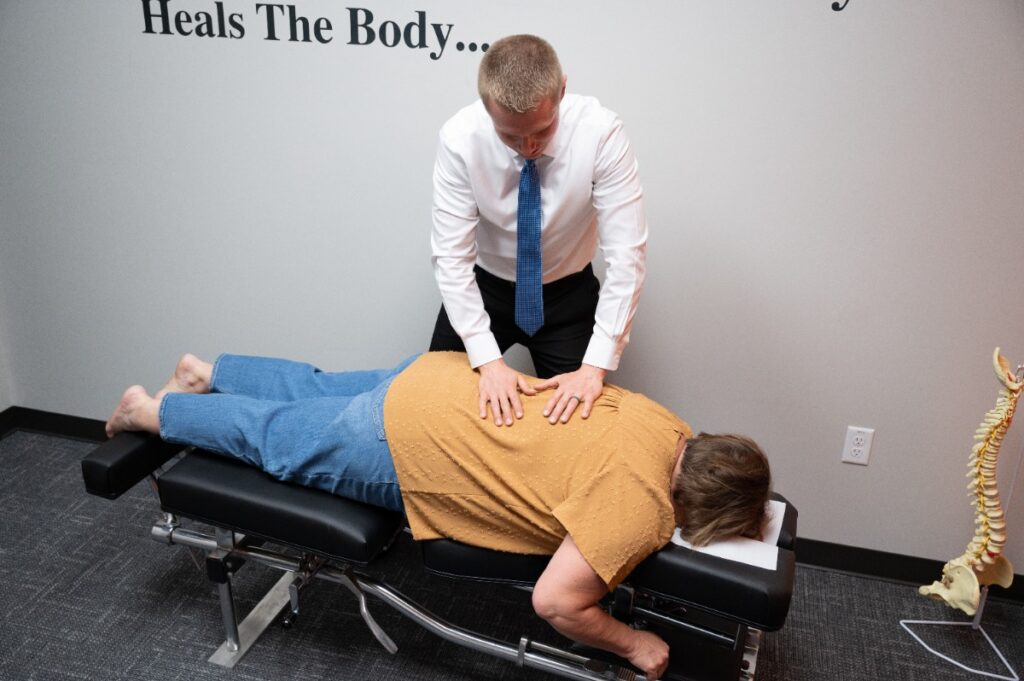

If you’re experiencing chronic back pain, it’s essential to consider a holistic approach to achieve long-term relief. As a local chiropractor, I want to emphasize that simple lifestyle changes, targeted exercises, and maintaining proper posture can significantly enhance your daily comfort and overall well-being. By incorporating these elements into your daily routine, you can pave the way for lasting health. So, what specific strategies can you adopt to ensure your back remains healthy and pain-free for years to come? Let’s explore some effective methods together.
Understanding Chronic Back Pain
As a chiropractor, I understand that experiencing chronic back pain can be overwhelming for many individuals, especially when it persists for weeks or even months. It’s common to struggle with identifying the exact cause of your discomfort, as chronic pain can arise from a variety of factors, including previous injuries, muscle strain, or even underlying health conditions.
This ongoing pain can significantly impact your daily life, affecting not only your physical activities but also your mood and overall quality of life.
It’s important to recognize that chronic back pain isn’t just a physical challenge; it can also have a profound effect on your mental health. You may find yourself dealing with increased levels of stress, anxiety, or even feelings of depression as you navigate the limitations that pain imposes on your life.
Understanding the nature of your pain is crucial in finding the right approach to relief. Chronic back pain can be classified into different categories: mechanical, inflammatory, or neuropathic. Each type requires a specific treatment strategy.
By gaining clarity on these distinctions, you can engage more effectively with your healthcare provider, including chiropractors like myself, who specialize in natural healing methods.
Chiropractic care focuses on the alignment of the spine and the overall health of your musculoskeletal system. By addressing the root causes of your pain through gentle adjustments and holistic treatment plans, we aim to restore balance and promote healing.
I encourage you to consider chiropractic care as a viable option for managing your chronic back pain, enhancing both your physical and mental well-being. Together, we can work towards a healthier, pain-free life.
The Importance of Lifestyle Changes
As a local chiropractor, I want to emphasize how making certain lifestyle changes can significantly alleviate your back pain. One of the most effective approaches is incorporating regular exercise into your routine. This doesn’t mean you need to hit the gym every day; even simple activities like walking or stretching can make a big difference.
Additionally, paying attention to your posture, especially while working at a desk, plays a crucial role in maintaining a healthy spine.
By focusing on these key areas, you not only set the stage for a healthier back but also pave the way for a more active and fulfilling life.
Exercise and Movement
As a local chiropractor, I want to emphasize the vital role that regular exercise and movement play in alleviating back pain and enhancing your overall health. Many people may not realize that staying active is essential for strengthening muscles, improving flexibility, and boosting circulation—all of which are crucial for managing discomfort.
Here are some accessible ways to incorporate movement into your daily routine:
- Walking: This simple yet effective activity can make a significant difference. Aim for at least 30 minutes each day to keep your body engaged.
- Stretching: Gentle stretches can greatly improve flexibility and mitigate stiffness in your muscles and joints.
- Strength Training: Focus on exercises that strengthen your core, as a strong core supports your spine and helps prevent back pain.
- Low-Impact Activities: Consider swimming or cycling, as these activities are gentle on your back while providing excellent cardiovascular benefits.
By making these lifestyle changes, you not only promote healing for your back but also cultivate a healthier, more active lifestyle overall.
Ergonomics and Posture
As a local chiropractor, I want to share some important insights about how poor ergonomics and posture can significantly contribute to back pain. Many people may not realize that the way you sit, stand, and move throughout your day plays a crucial role in your spinal health. If you find yourself hunched over a desk or slouched on the couch for extended periods, your back is likely bearing the consequences.
To help alleviate discomfort, it’s essential to create an ergonomic workspace. Start by adjusting your chair to the right height, using a lumbar support pillow to maintain the natural curve of your lower back, and positioning your computer screen at eye level to reduce strain on your neck.
Additionally, practicing good posture is key—aim to align your ears, shoulders, and hips when sitting or standing.
Making these small adjustments in your daily routine can lead to meaningful and lasting relief from back pain. Remember, prioritizing ergonomics and posture isn’t just a short-term fix; it’s a vital step towards long-term management and prevention of back issues.
Targeted Exercises for Core Strength
As a local chiropractor, I want to emphasize the importance of building core strength for your overall well-being. A strong core is crucial for stabilizing your spine and can play a significant role in preventing back pain.
Incorporating targeted exercises into your routine can greatly enhance your strength and stability, which are vital for maintaining a healthy spine.
It’s important to remember that each person’s body is unique, and tracking your progress with these exercises can help you understand what works best for you.
By making adjustments along the way, you can stay on the right path towards pain relief and improved function.
Embracing natural healing methods, like chiropractic care combined with core strengthening exercises, can lead you to a healthier, pain-free life.
Importance of Core Stability
As a local chiropractor, I want to emphasize the importance of core stability in your overall health, especially when it comes to preventing and alleviating back pain. A strong core is fundamental as it supports your spine and enhances your posture.
When your core is stable, you’re less likely to experience strain or injuries. Here’s why focusing on core stability is crucial for your well-being:
- Enhanced Balance: A strong core helps you maintain balance during your daily activities, which is essential for overall stability and safety.
- Reduced Risk of Injury: By improving stability, you can lower the chances of overexertion and the injuries that often accompany it.
- Improved Movement Efficiency: With core strength, your movements become smoother and more coordinated, making everyday tasks easier to perform.
- Better Posture: A stable core supports proper alignment of your body, which in turn reduces stress on your back and helps you avoid discomfort.
Incorporating exercises that strengthen your core can significantly impact your spine health and overall quality of life.
If you’re interested in learning more about how chiropractic care and core stability can work together, I’m here to help!
Effective Core Strength Exercises
As a local chiropractor dedicated to promoting natural healing and overall wellness, I want to share some effective core strength exercises that can greatly enhance your stability and support your spine.
Strengthening your core is crucial not only for athletic performance but also for everyday activities and preventing injury.
To begin, I recommend incorporating planks into your routine. This exercise engages multiple muscle groups, helping to build overall stability.
You might also want to try side planks, which specifically target your oblique muscles and enhance your lateral stability.
Bridges are another fantastic addition; they activate your glutes and lower back, which are essential for maintaining proper posture and spinal alignment.
Additionally, bird dogs are excellent for improving coordination while effectively working your core.
For those looking for an extra challenge, consider including medicine ball twists. This exercise engages your rotational muscles, which can improve your functional movement patterns.
Aim for three sets of 10-15 repetitions for each exercise, and be sure to breathe properly throughout your workouts.
Maintaining good form is essential to maximizing the benefits of these exercises and preventing injury.
Remember, consistency is key. By making these core-strengthening exercises a regular part of your fitness routine, you’ll be on the path to achieving long-lasting relief and strength.
If you have any questions about how chiropractic care can further support your core strength and overall health, feel free to reach out!
Progress Tracking and Adjustments
As you embark on your journey to enhance your core strength, it’s vital to monitor your progress and make adjustments as needed. Tracking your improvements not only keeps you motivated but also ensures you’re moving in the right direction toward better health.
Here are some effective methods to help you track your progress:
- Keep a log of repetitions and sets: This allows you to observe how your endurance increases over time, which is essential for overall strength and stability.
- Assess your pain levels: Before and after your workouts, take note of any discomfort. This information can help us understand how your body is responding to the exercises and whether any modifications are necessary.
- Measure your waist and hips: Recording these measurements can reveal physical changes and improvements in your body composition, which is a positive indicator of your progress.
- Establish specific weekly goals: Whether it’s increasing the weights you lift or extending the duration of your exercises, setting clear objectives helps you stay focused and committed to your health journey.
The Role of Proper Posture
As your local chiropractor, I want to emphasize the importance of maintaining proper posture not just for comfort, but as a critical factor in preventing back pain. When your spine, shoulders, and hips are aligned correctly, your body can distribute weight evenly, which significantly reduces the strain on your muscles and ligaments.
Whether you’re at your desk or on your feet, keeping a straight back and relaxed shoulders is key to alleviating pressure on your spine.
Take a close look at your workstation setup. It’s essential to adjust your chair and computer screen to support a neutral spine position. If you catch yourself slumping or leaning, don’t hesitate to take a moment to realign your posture.
Incorporating regular breaks to stretch and move around is also beneficial in reinforcing good posture habits.
Moreover, I encourage you to engage your core muscles while sitting or standing; this adds extra support for your back.
By prioritizing proper posture, you’re actively working towards long-term relief from back pain and fostering overall spinal health.
Alternative Therapies for Pain Management
As a local chiropractor, I want to share with you the exciting possibilities that alternative therapies can offer for managing pain. Many people are unaware that these approaches can provide relief beyond traditional methods by focusing on the whole person, addressing both physical and emotional aspects of pain.
By incorporating these therapies into your routine, you might find significant improvements in your overall well-being.
– Chiropractic Care: As a chiropractor, my primary goal is to help align your spine and relieve pressure on nerves, which can lead to reduced pain and enhanced mobility.
Many patients experience significant relief from conditions such as back pain, headaches, and joint discomfort through regular chiropractic adjustments.
– Acupuncture: This ancient practice uses thin needles to stimulate specific points in the body, promoting natural pain relief.
While I focus on spinal alignment, I often recommend acupuncture as a complementary therapy for patients seeking a holistic approach.
– Massage Therapy: Regular massage sessions can help alleviate muscle tension, improve circulation, and promote relaxation.
I often collaborate with licensed massage therapists to provide a comprehensive treatment plan that addresses both your structural and muscular needs.
– Yoga and Meditation: Integrating yoga and meditation into your routine can foster mindfulness and flexibility, helping you manage stress and improve your body’s response to pain.
I encourage patients to explore these practices as they can greatly enhance the benefits of chiropractic care.
I invite you to consider trying one or more of these alternative therapies alongside your chiropractic treatment.
You may be pleasantly surprised by how effectively they can complement your current pain management strategies and improve your quality of life!
Nutrition’s Impact on Back Health
As a local chiropractor, I want to emphasize that while many individuals tend to focus solely on exercises and therapies for alleviating back pain, nutrition is a crucial element that we shouldn’t overlook when it comes to maintaining a healthy spine.
The food you consume can significantly impact inflammation levels and muscle strength—both of which are vital for your back health. Incorporating anti-inflammatory foods into your diet, such as fatty fish, leafy greens, and nuts, can play a key role in reducing discomfort and supporting your recovery.
Additionally, ensuring you get enough calcium and vitamin D is essential for bone health. You can achieve this by including dairy products, fortified foods, or more leafy greens in your meals.
Hydration is another factor that’s often underestimated. Drinking plenty of water is important as it helps keep your spinal discs healthy and functioning properly.
It’s also important to consider how excess weight can strain your back. Maintaining a balanced diet can help you reach and keep a healthy weight, alleviating some of that unnecessary pressure on your spine.
Stress Management Techniques
As a local chiropractor, I want to emphasize the importance of nutrition for your overall health, but it’s also crucial to recognize how mental well-being can impact your back health.
Stress can lead to muscle tension, which may worsen back pain. By incorporating stress management techniques into your daily routine, you can significantly improve your physical comfort and overall wellness.
Here are some effective methods that I recommend:
- Deep Breathing: Take a moment each day to practice deep breathing. Inhale deeply through your nose, hold for a moment, and then exhale slowly through your mouth. This simple exercise can calm your mind and help relax your muscles.
- Meditation: Dedicate a few minutes each day to meditate. Focus on your breath or visualize a peaceful scene. This practice can help reduce anxiety and promote a sense of tranquility.
- Yoga: Consider integrating gentle yoga into your routine. The combination of stretching and mindfulness can enhance your flexibility and encourage relaxation, which is beneficial for your back.
- Progressive Muscle Relaxation: Try progressive muscle relaxation by tensing and then relaxing different muscle groups in your body. This technique helps to release built-up tension and can provide immediate relief from stress.
By incorporating these techniques into your lifestyle, you can support your chiropractic care and promote a healthier, more balanced life.
Creating a Personalized Pain Relief Plan
As a local chiropractor, I want to emphasize the importance of creating a personalized pain relief plan specifically for managing your back pain and improving your overall health.
It all begins with understanding your pain triggers and the activities you engage in daily. I encourage you to keep a journal to track your symptoms, noting what aggravates or eases your discomfort. This information is invaluable when we discuss your situation during our consultations.
After you’ve gathered this information, let’s sit down together to explore your options. We can discuss various treatment modalities, including chiropractic adjustments, physical therapy, and other natural therapies that can help alleviate your pain.
Incorporating specific exercises into your routine is vital. I recommend low-impact activities like yoga and swimming, which can help strengthen your back and enhance flexibility.
Additionally, we shouldn’t overlook the importance of managing stress, as it can significantly worsen your pain.
Setting realistic goals for your recovery is crucial. As we progress, we can adjust your plan to ensure it continues to meet your needs.
Lastly, surrounding yourself with a strong support system—whether it’s friends, family, or community support groups—can greatly enhance your healing journey.
With dedication and the right strategies, we can work together to create a pain relief plan that truly resonates with you and leads to lasting relief.
Conclusion
As a local chiropractor, I want to help you understand how a holistic approach can lead to lasting relief from back pain. Many people are unaware of the benefits of chiropractic care and natural healing methods. By integrating regular exercise, maintaining good posture, and adopting healthy lifestyle habits, you can significantly improve your core stability and reduce the likelihood of experiencing future pain.
It’s also essential to recognize the critical role that nutrition and stress management play in your overall well-being. A balanced diet supports your body’s healing processes, while effective stress management techniques can alleviate tension that often contributes to back pain.
I encourage you to create a personalized pain relief plan tailored to your unique needs. Together, we can take proactive steps toward achieving a healthier, pain-free life. Your back will truly appreciate the care and attention it deserves!