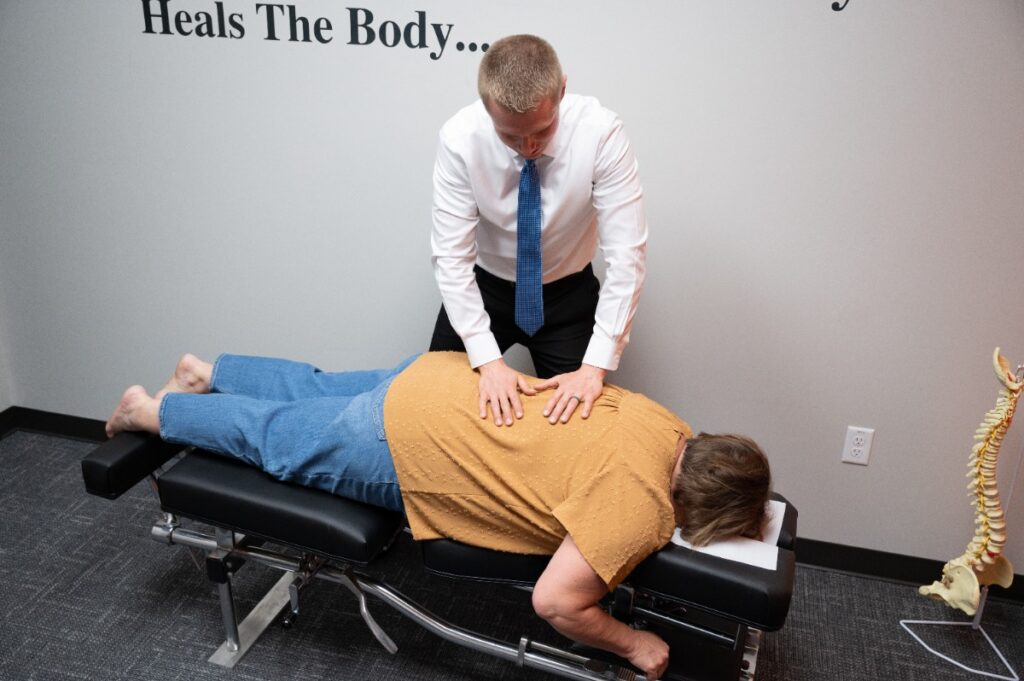
As a local chiropractor dedicated to helping you find relief from back pain, I want to share how integrating adjustments and exercises can greatly enhance your well-being. Many of my patients come in unaware of how their daily habits contribute to their discomfort. By first understanding the root causes of your pain and making simple ergonomic adjustments in your environment, you can create a more supportive space for your spine.
Incorporating targeted exercises into your routine is equally important. These exercises not only strengthen your back but also improve your overall comfort and mobility. So, what specific adjustments and exercises can you start implementing today to feel better? Let me guide you through the essential steps you can take to alleviate your discomfort and promote a healthier back. Together, we can work towards a pain-free life!
Understanding the Causes of Back Pain
As a local chiropractor, I want to help you understand the various reasons behind your back pain, which is a common issue many people face.
Often, back pain arises from muscle strain, improper lifting techniques, or even spending long hours sitting in one position. It’s important to recognize that stress can also play a significant role in your discomfort, causing muscle tension that intensifies your pain.
Injuries from sports or accidents can lead to sudden pain, while ongoing conditions such as arthritis or herniated discs may result in chronic discomfort.
Additionally, everyday habits—like your sleeping position or the type of shoes you wear—greatly influence your back health.
By understanding these underlying causes, you can start to identify what might be triggering your pain. This awareness empowers you to take proactive measures towards relief.
Whether it involves modifying your daily activities, learning proper lifting techniques, or finding ways to manage stress, recognizing the source of your back pain is the first step in your healing journey.
At our practice, we focus on natural healing methods that can help restore balance and function to your spine.
The Importance of Posture
As a local chiropractor, I want to emphasize the crucial role that your posture plays in maintaining your spinal health. Many people are unaware of how their daily habits, such as sitting and standing, can significantly influence their comfort and well-being.
By adopting correct sitting techniques and ensuring proper alignment while standing, you not only help prevent back pain but also promote overall bodily support.
In my practice, I’ve seen firsthand how improving posture can lead to remarkable changes in patients’ lives. It can alleviate discomfort, enhance mobility, and even boost your mood.
Let’s take a closer look at how small adjustments to your posture can make a substantial difference in your daily routine and overall health. Together, we can work on strategies to help you maintain an optimal posture that supports your spine and promotes a healthier lifestyle.
Correct Sitting Techniques
As a local chiropractor, I want to emphasize the importance of proper posture for your spinal health and to help prevent back pain, especially if you spend long hours sitting.
It’s crucial to keep your feet flat on the floor, ensuring your knees are at a right angle. If your chair doesn’t support your lower back, consider adding a cushion for extra comfort and support.
Make sure your back is straight, and keep your shoulders relaxed rather than hunched. Position your computer screen at eye level to avoid any unnecessary strain on your neck.
I encourage you to take breaks every hour—stand up, stretch, and walk around to promote healthy circulation.
It’s also important to adjust your workspace to fit your body. When typing, keep your elbows close to your sides.
By following these simple techniques, you can significantly reduce the risk of developing back pain and enhance your overall well-being.
Standing Alignment Essentials
As a local chiropractor, I want to emphasize the importance of maintaining good posture while standing for your spinal health. Proper alignment can significantly reduce discomfort and prevent issues down the road.
When you stand tall, aim for your feet to be shoulder-width apart, evenly distributing your weight between both legs. Engaging your core muscles is crucial, as they act as a natural support system for your spine.
Make sure your shoulders are relaxed and gently pulled back, while keeping your head aligned over your spine to avoid any forward leaning, which can strain your neck. It’s also essential to keep your knees slightly bent, as locked knees can lead to imbalances and discomfort.
If you find yourself standing for extended periods, consider shifting your weight from one foot to the other or using a footrest to alleviate pressure.
Remember, maintaining good posture isn’t just about how you look; it’s a vital aspect of protecting your spine and enhancing your overall well-being. By prioritizing proper alignment, you’re taking a significant step toward feeling your best every day.
If you have any questions or need personalized tips, feel free to reach out to me during your next visit!
Impact on Spinal Health
As a local chiropractor, I want to emphasize the importance of good posture for your spinal health. When we neglect proper alignment, the effects on our spine can be quite serious. Poor posture creates unnecessary stress on the spine, which can lead to misalignments and discomfort. Many people experience tension in their neck and back, and if this isn’t addressed, it can develop into chronic pain.
By maintaining proper spinal alignment, we support our spinal structures, enabling them to function optimally and reducing the risk of injury. It’s essential to be mindful of how you sit, stand, and move throughout your day.
Simple adjustments to your posture can make a significant difference in preserving your spinal health. Incorporating exercises that strengthen your core and improve flexibility is also a great way to enhance your posture.
As your chiropractor, I encourage you to recognize that small changes today can lead to lasting relief and improved overall well-being for your spine. Don’t underestimate the impact that good posture can have on your health!
If you have any questions or would like to learn more about how chiropractic care can help support your posture and spinal health, please feel free to reach out.
Ergonomic Adjustments for Your Workspace
As a chiropractor dedicated to your health and well-being, I believe that creating an ergonomic workspace is vital for minimizing back pain and fostering overall comfort during work hours.
To start, it’s important to adjust your chair to provide proper support for your lower back. Ensure that your feet are flat on the ground and that your knees are bent at a 90-degree angle, as this promotes better posture.
Your desk height should be set to elbow level, allowing your arms to remain relaxed while you type. This simple adjustment can help reduce strain on your shoulders and spine.
When it comes to your computer screen, it should be positioned at eye level and about an arm’s length away. This setup helps to prevent unnecessary neck strain, which is a common issue for many office workers.
If you often reference documents, consider using a document holder to keep them at the same height as your screen, promoting a more natural head position.
Don’t overlook the importance of your keyboard and mouse either; they should be within easy reach to minimize the need for awkward stretching.
Lastly, remember to take regular breaks to stand up, stretch, and move around. This practice not only enhances blood circulation but also helps to relieve tension that can build up over time.
Stretching Exercises to Enhance Flexibility
As a local chiropractor, I want to emphasize the importance of incorporating stretching exercises into your daily routine to enhance your flexibility and alleviate back pain.
One of the simplest yet effective stretches to start with is the cat-cow pose. This gentle movement not only warms up your spine but also improves its mobility. When performing stretches, hold each position for 15-30 seconds and remember to breathe deeply to help relax your muscles.
Another beneficial stretch is the seated forward bend, which effectively targets your hamstrings and lower back.
Don’t forget to include the child’s pose as well; this position is fantastic for releasing tension in your back and hips.
Spinal twists are also a great addition to your routine, as they can significantly increase flexibility in your spine and relieve any tightness you may be experiencing.
It’s crucial to listen to your body during these exercises—never push yourself beyond your limits, as this can lead to injury rather than healing.
I recommend aiming to stretch at least three times a week, gradually increasing the duration of each stretch as your comfort level grows.
By making these stretches a regular part of your life, you’ll not only improve your flexibility but also support the overall health and function of your back.
Strengthening Exercises for a Resilient Back
As your local chiropractor, I want to emphasize the importance of building a resilient back through strengthening your core stability.
By incorporating specific exercises into your routine, you can significantly enhance your posture and provide essential support to your spine during everyday activities.
It’s crucial to remember that flexibility is also key to maintaining a healthy back, so be sure to include stretching routines as part of your overall wellness plan.
Taking these steps won’t only help alleviate discomfort but also promote natural healing and improve your quality of life.
Let’s work together to strengthen your back and support your body’s natural alignment!
Core Stability Exercises
As a local chiropractor, I want to emphasize the importance of core stability exercises for maintaining a strong and resilient back. These exercises are vital in strengthening the muscles that support your spine, which can lead to improved posture, reduced pain, and enhanced overall stability.
Let’s start with planks. This foundational exercise engages both your core and back muscles, making it a great way to build strength.
Another effective exercise is the bridge, which specifically targets your glutes and lower back, providing essential support to your spine.
Incorporating side planks into your routine can significantly enhance your oblique strength, offering additional protection to your spine and helping to prevent injuries.
Don’t overlook the bird-dog exercise; it’s excellent for promoting coordination and balance while effectively activating your core muscles.
I encourage you to incorporate these exercises into your regular routine. As you progress, aim to gradually increase the duration of your holds or the number of repetitions.
With consistent practice, you’ll likely notice improved stability, which can help alleviate back pain and enhance your ability to perform daily activities.
Stretching for Flexibility
As a local chiropractor, I want to emphasize that while strengthening your back is crucial, incorporating stretching exercises for flexibility is just as vital for maintaining a healthy and resilient spine. Stretching can significantly improve your range of motion and reduce the risk of injuries.
I often recommend stretches such as the cat-cow or child’s pose to my patients, as these movements can help alleviate tension and enhance blood flow to your muscles.
When practicing these stretches, aim to hold each position for at least 15-30 seconds, and remember to breathe deeply. This will help you get the most out of each stretch.
Additionally, don’t overlook the importance of hamstring and hip flexor stretches, as these areas can often contribute to back pain.
By incorporating these flexibility exercises into your daily routine, you won’t only complement your strengthening efforts but also promote overall spinal health. A flexible back allows for greater freedom of movement and can significantly reduce the risk of discomfort.
Embracing these practices can lead you on the path to better health and well-being.
Incorporating Movement Into Your Daily Routine
As a local chiropractor, I want to emphasize how incorporating movement into your daily routine can significantly alleviate back pain and enhance your overall well-being. Many of my patients are surprised to learn that simple changes in their daily habits can lead to substantial improvements in their health.
If you find yourself sitting for long periods, it’s crucial to take short breaks every hour. Stand up, stretch, and give your body a chance to recover from the strain of prolonged sitting. I often recommend walking around your home or office during phone calls; this not only keeps your body active but also keeps your mind engaged.
Household chores can be a great way to incorporate more movement into your day. Activities like sweeping, gardening, or even playing with your kids can engage your muscles and improve your flexibility.
If you’re looking to enhance your posture, consider using a standing desk or an exercise ball as a chair. These alternatives can promote better spinal alignment and reduce the risk of discomfort.
For those who thrive on social interaction, I encourage you to find a walking buddy or join a fun workout class. Exercising with a friend can make the experience enjoyable and keep you motivated to stick with it.
Remember, consistency is key. Aim for at least 30 minutes of movement each day. This commitment won’t only help alleviate back pain but will also boost your energy levels and overall health.
As your chiropractor, I’m here to support you on your journey to better health through natural healing and movement.
Mindfulness and Stress Reduction Techniques
As a local chiropractor, I want to share some valuable insights on managing back pain through mindfulness and stress reduction techniques. Many of my patients have found that incorporating these practices into their daily routine can significantly enhance their healing process.
Mindfulness is all about being present and aware of your body. By practicing mindfulness, you can learn to recognize the sensations in your body, which helps you identify what might be triggering your pain. This awareness allows you to respond to discomfort with a sense of calm rather than anxiety. Techniques such as deep breathing exercises or meditation can be very effective in centering your thoughts and alleviating stress related to your back pain.
Yoga is another excellent option that I often recommend. It combines gentle movement with mindfulness, promoting both relaxation and flexibility. By dedicating a little time each day to yoga, you can develop a routine that not only helps with your back pain but also contributes to your overall well-being.
Additionally, I encourage you to try progressive muscle relaxation. This technique involves systematically tensing and then releasing different muscle groups, helping you to better understand where you hold tension and how to let it go.
The Role of Sleep in Back Health
As a local chiropractor, I want to emphasize the crucial role that quality sleep plays in maintaining your back health. When you sleep, your body goes through a restorative process that allows your muscles to relax and your spine to decompress. This can significantly help in reducing tension and alleviating pain.
Conversely, insufficient sleep can lead to muscle stiffness and heightened sensitivity to discomfort, exacerbating any existing back issues you may have.
To enhance your sleep quality, it’s important to establish a calming bedtime routine and adhere to a consistent sleep schedule. Additionally, investing in a comfortable mattress and pillow that support the natural alignment of your spine is essential.
If you prefer sleeping on your side, placing a pillow between your knees can help minimize strain on your back.
If you’re struggling to fall asleep or stay asleep because of back pain, I recommend incorporating gentle stretches or relaxation techniques into your pre-sleep routine.
When to Seek Professional Help
When should you consider visiting a chiropractor for your back pain? If your discomfort lingers for more than a few weeks, it’s a good idea to reach out to a healthcare professional like myself.
Severe pain that disrupts your daily routines or is accompanied by symptoms such as numbness, weakness, or issues with bowel and bladder function shouldn’t be overlooked, as these may indicate a more serious underlying condition.
Pay attention to how your pain behaves. If it intensifies after certain activities or fails to improve with self-care methods—like rest, ice, or gentle stretching—it’s likely time for a professional assessment.
Additionally, if you’ve experienced a recent injury or trauma, seeing a chiropractor can help determine whether there are fractures or other injuries that need to be addressed.
At our practice, we focus on natural healing methods that promote overall wellness in addition to relieving pain.
I’m here to help you understand your body better and guide you on the path to recovery.
Don’t hesitate to seek help; the sooner we address the issue, the better your chances of achieving a full recovery.
Conclusion
As a local chiropractor, I want to share some valuable insights on how you can effectively manage back pain and enhance your spinal health through natural methods. Integrating ergonomic adjustments into your workspace and daily activities is essential. This means setting up your environment to support proper posture and reduce strain on your back.
In addition to ergonomic changes, incorporating targeted exercises can make a significant difference. Focus on stretching and strengthening exercises that specifically address the muscles supporting your spine. These exercises can help alleviate pain and improve your overall mobility.
Mindfulness practices, such as deep breathing or meditation, can also play a key role in managing back pain. They help reduce stress and tension in your body, which can contribute to discomfort.
Remember, prioritizing restful sleep is crucial for your recovery. Ensure that your sleeping environment promotes good spinal alignment, as this can aid in healing and improve your overall well-being.
Stay proactive about your back care. If your pain persists, don’t hesitate to reach out for professional help. As a chiropractor, I’m here to empower you with these natural strategies and guide you on your journey toward a healthier, pain-free back. Together, we can work towards achieving the optimal spinal health you deserve.