You might not realize how much poor posture affects your daily life, but it can lead to discomfort and even chronic pain. Seeking professional care can be a game changer, offering targeted assessments and personalized treatment plans that address your unique posture issues. From chiropractic adjustments to tailored exercise programs, there's an extensive approach waiting for you. But what specific steps can you take to guarantee lasting improvement? Understanding the nuances of professional care is essential, and it may just transform how you carry yourself.
Understanding Posture Problems
When you sit or stand for long periods without being mindful, you mightn't realize how easily posture problems can develop. Your body naturally adapts to the positions you hold, often leading to muscle imbalances and discomfort. Slouching in your chair while working or leaning forward to peer at your phone can strain your neck and back, creating tension that may persist throughout your day.
You may not think about it, but the way you position your body can impact your overall health. Poor posture can lead to chronic pain, fatigue, and reduced flexibility. Over time, these issues can escalate, affecting your mobility and quality of life. If you find yourself frequently feeling stiff or experiencing discomfort after sitting or standing, it's a sign your posture might need attention.
Understanding the common types of posture problems is essential. Forward head posture, for instance, occurs when your head juts forward from its neutral alignment, putting pressure on your neck and spine. Similarly, rounded shoulders can develop when you hunch forward, which can lead to muscle fatigue and pain.
Recognizing these patterns is the first step toward improvement. Acknowledging how you hold your body throughout the day allows you to make necessary adjustments. By becoming more aware of your posture, you can take proactive steps to correct it, reducing your risk of pain and enhancing your overall well-being.
Benefits of Professional Care
When you seek professional care for your posture, you benefit from expert assessment techniques that pinpoint your specific issues.
With personalized treatment plans tailored just for you, recovery becomes more effective and manageable.
Ultimately, investing in professional guidance can lead to long-term health benefits that enhance your overall well-being.
Expert Assessment Techniques
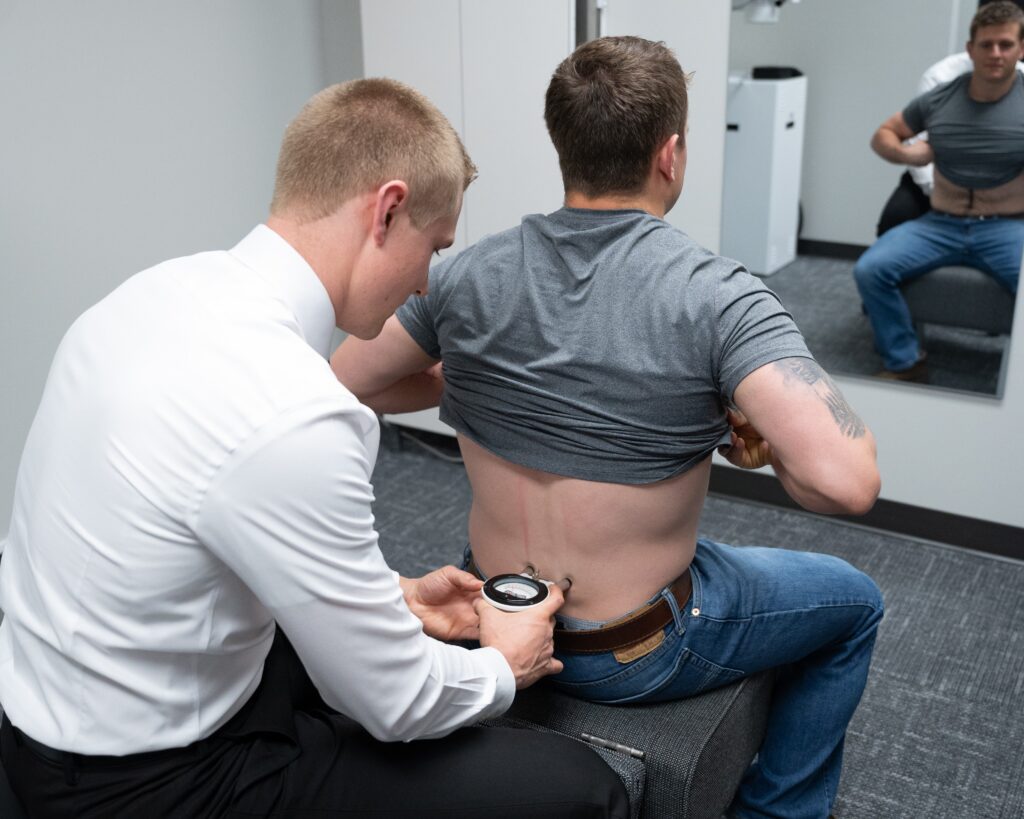
A thorough expert assessment can reveal underlying issues affecting your posture that you mightn't even notice. Professionals use various techniques to evaluate your posture, including visual assessments, physical examinations, and advanced technology like digital posture analysis. These methods help identify muscle imbalances, joint restrictions, or even structural abnormalities that could contribute to poor posture.
By observing how you stand, sit, and move, experts can pinpoint specific areas of concern. They'll look for asymmetries or misalignments that may lead to discomfort or long-term problems. For instance, they might assess your spine's alignment, shoulder positioning, and even your foot placement.
Additionally, a professional will often gather information on your daily activities and habits, which can provide valuable context. This all-encompassing approach guarantees that no detail is overlooked, ultimately leading to a more accurate understanding of your posture.
With their expertise, they can differentiate between common issues and more complex conditions, ensuring you receive the right guidance. By undergoing an expert assessment, you'll gain insights that empower you to make informed decisions about improving your posture effectively.
Personalized Treatment Plans
After receiving an expert assessment, you can benefit greatly from personalized treatment plans tailored to your unique needs. These plans are designed specifically for you, considering factors like your body mechanics, lifestyle, and any existing pain or discomfort. By focusing on your individual situation, professionals can pinpoint the exact areas that require attention, guaranteeing a more effective approach.
When you engage in a personalized treatment plan, you're more likely to see improvements in your posture and overall well-being. These plans often incorporate a mix of exercises, stretches, and ergonomic adjustments, all aimed at correcting alignment and strengthening weak areas. You won't just be following a one-size-fits-all routine; instead, you'll be working on techniques that resonate with your body's specific requirements.
Additionally, personalized treatment plans allow for ongoing adjustments. As you progress, your professional care provider can modify your plan to guarantee it continues to meet your evolving needs. This flexibility keeps you motivated and engaged in your journey towards better posture.
Ultimately, a tailored approach empowers you to take control of your posture and enhances your quality of life.
Long-Term Health Benefits
Investing in professional care for your posture can pay off in numerous long-term health benefits. When you address your posture issues, you're not just improving how you look; you're also enhancing your overall well-being. Better posture can lead to reduced pain in your back, neck, and shoulders, alleviating discomfort that often stems from poor alignment.
Moreover, good posture can improve your respiratory function. When your spine is aligned, your lungs have more room to expand, allowing for better oxygen intake. This can boost your energy levels and enhance your performance in daily activities.
Another significant benefit is improved digestion. Proper posture facilitates better organ function, helping your digestive system work more efficiently.
In addition, maintaining good posture over time can prevent chronic conditions such as arthritis and degenerative disc disease. By prioritizing your posture now, you're investing in a healthier future.
Finally, you might find that improved confidence and mood come along with better posture. Standing tall can positively impact your self-esteem, making you feel more empowered in both personal and professional settings.
Chiropractic Adjustments Explained
Chiropractic adjustments can greatly improve your posture and overall well-being.
You'll learn about various adjustment techniques and how often you should consider treatments for best results.
Let's explore the benefits and what to expect during your chiropractic journey.
Benefits of Chiropractic Adjustments
Alignment is key to maintaining overall health and well-being, and that's where chiropractic adjustments come into play. When your spine is properly aligned, you'll likely experience a range of benefits that go beyond just relief from back pain. One major advantage is improved mobility. By restoring your spine's alignment, you can enhance your body's overall function, making everyday activities easier and more enjoyable.
Chiropractic adjustments can also boost your immune system. Research suggests that a well-aligned spine allows your nervous system to function efficiently, which can help your body fight off illness more effectively.
Additionally, many people report reduced stress and anxiety after receiving adjustments. When your body is in alignment, it creates a sense of balance and well-being, helping you feel more relaxed.
Furthermore, chiropractic care can improve your posture, which is essential for preventing chronic pain. By addressing misalignments, you can develop healthier habits and maintain better posture in your daily life.
Adjustment Techniques Overview
Understanding the various adjustment techniques can enhance your experience with chiropractic care even further. Chiropractors use a range of methods to help align your spine and improve your posture.
One common technique is the Diversified Adjustment, which involves quick, precise thrusts to specific joints, promoting immediate movement and relief.
Another popular method is the Activator Technique, where a handheld instrument delivers a gentle impulse to the spine, making it ideal for those who prefer a lighter touch.
If you're dealing with chronic pain or stiffness, the Gonstead Technique focuses on thorough examination and specific adjustments to restore proper motion and alignment.
The Thompson Technique utilizes a specialized table that drops slightly when pressure is applied, allowing for a more comfortable adjustment.
For those seeking a holistic approach, the Sacro Occipital Technique considers the entire body's balance, addressing issues from head to pelvis.
Frequency of Treatments
Determining the frequency of chiropractic treatments can greatly impact your overall progress and posture improvement. When you first start, your chiropractor may recommend more frequent visits, often two to three times a week. This initial phase allows your body to respond to adjustments and begin to correct misalignments.
As you start feeling better, your chiropractor will typically shift you to a maintenance phase. This may involve visits once a week or even bi-weekly, depending on your specific needs and goals. Regular check-ups help guarantee that your posture remains aligned and that any potential issues are addressed before they escalate.
It's essential to communicate openly with your chiropractor about how you're feeling and any changes in your daily activities. This information will help them tailor your treatment plan for best results.
Remember, consistency is key. Skipping appointments can hinder your progress and may lead to setbacks.
Ultimately, the frequency of your treatments will depend on your unique situation, lifestyle, and the severity of your posture issues. Trust your chiropractor's expertise, and stay committed to your treatment plan for the best outcomes.
Role of Physical Therapy
Physical therapy often plays an important role in improving posture and alleviating pain associated with poor alignment. When you visit a physical therapist, they'll assess your posture and identify specific issues that contribute to discomfort. By understanding your unique situation, they can create a targeted plan to help you achieve better alignment.
Your therapist will focus on various techniques to enhance your posture. These may include manual therapy, which involves hands-on manipulation of muscles and joints to relieve tension. You'll also benefit from education about body mechanics and ergonomics, which can help you make conscious adjustments in your daily activities.
Learning how to sit, stand, and move correctly can lead to long-lasting improvements. Another vital aspect of physical therapy is posture re-education. Your therapist will guide you through exercises that strengthen weak muscles and stretch tight ones, helping to balance your body. This process can greatly reduce pain and discomfort caused by poor posture.
They'll also teach you awareness techniques, so you can recognize when you're slipping into bad habits. Additionally, regular sessions will keep you accountable and motivated. You'll have someone who understands your goals and supports your journey toward better posture.
With their expertise, you can develop a solid foundation for maintaining good alignment in the long run. In short, physical therapy is a powerful tool in your quest for improved posture and overall well-being. With the right guidance, you can transform your body and enhance your quality of life.
Customized Exercise Programs
Customized exercise programs are tailored specifically to your needs, building on the foundation set by physical therapy. These programs focus on strengthening the muscles that support your spine and improve overall posture. By identifying your unique body mechanics and any specific postural issues, a trained professional creates a regimen that addresses your concerns directly.
When you engage in a customized exercise program, you'll find that it not only caters to your current physical condition but also considers your lifestyle and goals. Whether you want to alleviate pain, enhance flexibility, or increase strength, these exercises can target the specific areas that require attention.
You'll likely work on core stability, back strength, and flexibility, which are all essential for maintaining good posture. Incorporating exercises like planks, bridges, and stretches will empower you to take control of your posture.
You'll also receive guidance on proper techniques, ensuring that you perform each movement safely and effectively. This tailored approach helps you avoid common pitfalls that can lead to injury or ineffective results.
Moreover, regular reassessments allow for adjustments to your program as you progress, ensuring that you stay challenged while continuing to improve. With commitment and consistency, you'll notice significant changes in your posture and overall well-being.
Embracing a customized exercise program is a proactive step towards a healthier, more aligned you, helping you stand tall and move with confidence.
Tips for Maintaining Good Posture
Maintaining good posture isn't just about sitting up straight; it's about being mindful of your body throughout the day. Start by evaluating your workspace. Make certain your chair supports your lower back, your feet rest flat on the ground, and your computer screen is at eye level. This setup reduces strain on your neck and back, making it easier to maintain proper alignment.
When standing, distribute your weight evenly on both feet. Keep your shoulders back, and engage your core. This not only helps with balance but also strengthens your muscles, making it easier to stand tall over time. If you find yourself slouching, take a moment to reset your posture; roll your shoulders back and take a deep breath.
Incorporating regular movement into your day is essential. Set a timer to remind yourself to stand, stretch, or walk around every 30 to 60 minutes. These breaks will rejuvenate your body and reinforce good posture habits.
Simple stretches can also help combat tightness in your muscles. Try neck rolls, shoulder shrugs, and chest openers to alleviate tension.
Finally, practice mindfulness. Pay attention to your body's signals. If you feel discomfort, take it as a cue to adjust your posture.
Conclusion
Improving your posture isn't just about standing tall; it's about understanding your body and addressing specific issues. By seeking professional care, you can benefit from tailored treatments and expert guidance that make a real difference. With regular sessions and a commitment to personalized exercise programs, you'll not only alleviate discomfort but also build a foundation for lasting posture improvement. Start prioritizing your posture today, and enjoy the enhanced flexibility and overall well-being that comes with it!