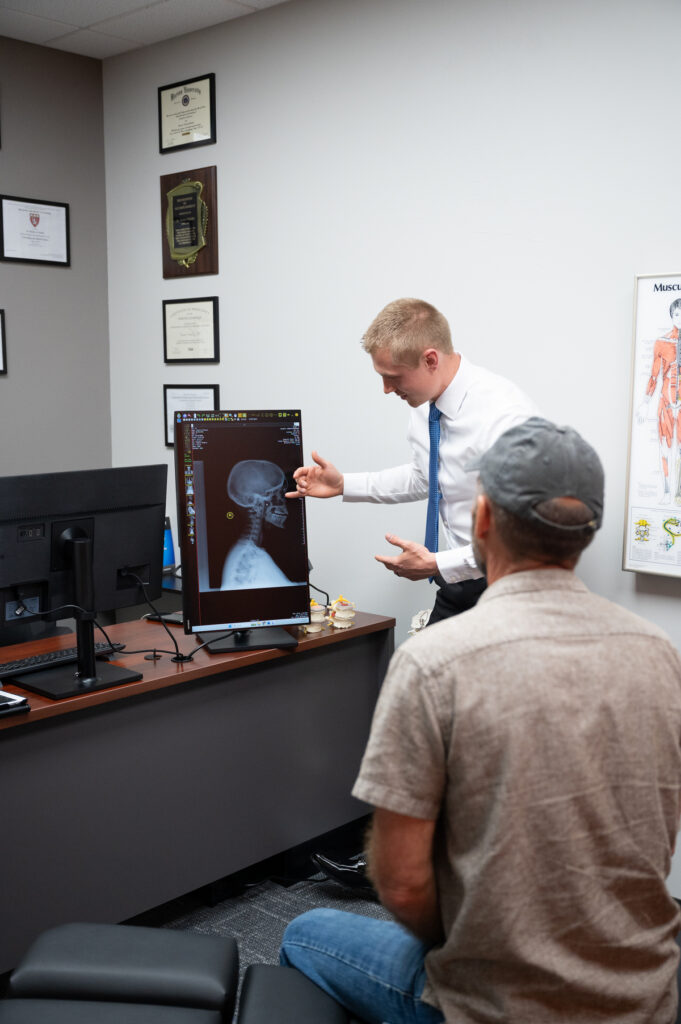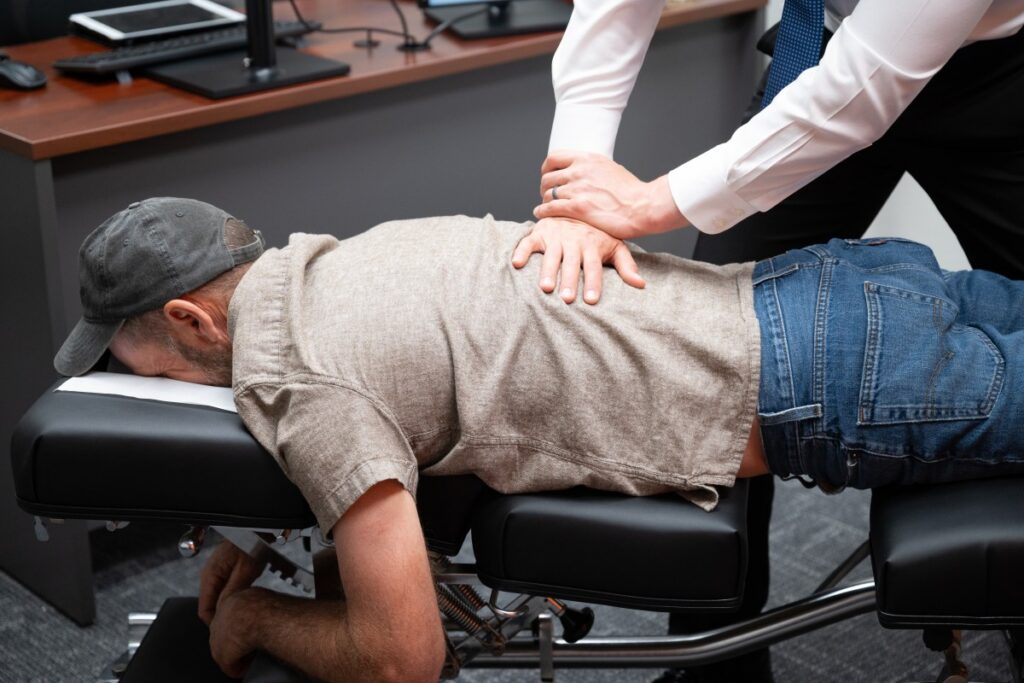

If you're looking to enhance your flexibility, professional care might be the key to releasing your potential. By working with experts like physical therapists or personal trainers, you can receive customized assessments that identify your specific challenges and needs. They'll design targeted stretching programs that not only improve your flexibility but also minimize the risk of injury. Curious about the types of techniques and strategies they employ to get you there? Let's explore how a tailored approach can make a significant difference in your flexibility journey.
Understanding Flexibility
Flexibility is essential for overall physical health, and it plays a significant role in your daily activities. When you think about flexibility, you might picture a gymnast or a dancer, but it goes beyond that. It's about how well your joints and muscles can move through their full range of motion. Understanding flexibility is important because it affects everything you do, from bending down to tie your shoes to lifting heavy objects safely.
Your body's flexibility depends on various factors, including your age, genetics, and activity level. As you age, your muscles and tendons can lose elasticity, making it harder to move freely. This stiffness can lead to discomfort and increase the risk of injuries. Knowing this, you can take proactive steps to maintain or improve your flexibility.
There are different types of flexibility to evaluate. Static flexibility involves holding a position, like reaching for your toes. Dynamic flexibility, on the other hand, is about how well you can move through a range of motion, like when you kick a soccer ball. Both types are important, and incorporating exercises that target them can enhance your overall mobility.
To truly understand flexibility, you should listen to your body. Pay attention to how it feels during movements. If you notice tightness or discomfort, it might be time to work on your flexibility. By prioritizing this aspect of fitness, you're setting the foundation for a healthier, more active lifestyle.
Benefits of Improved Flexibility
When you improve your flexibility, you access a range of benefits that can transform your daily life. Enhanced flexibility allows you to move more freely and comfortably, making everyday activities like bending, reaching, and lifting much easier. You'll notice that tasks you once found challenging become more manageable, reducing the risk of injury and strain.
Improved flexibility also plays a considerable role in your athletic performance. Whether you're running, cycling, or participating in team sports, increased range of motion can enhance your overall efficiency, allowing you to perform at your best. Not only does this lead to better results, but it can also boost your confidence in your physical abilities.
Moreover, flexibility can considerably impact your posture. Tight muscles often contribute to poor alignment, leading to discomfort and pain. By working on your flexibility, you can promote better postural habits, alleviating tension and discomfort in your back, neck, and shoulders.
Mental benefits shouldn't be overlooked either. Engaging in flexibility training often incorporates mindfulness and relaxation, helping to reduce stress and anxiety. This holistic approach can enhance your overall well-being, contributing to a more balanced lifestyle.
Lastly, improved flexibility can lead to better recovery times after exercise. When your muscles are more pliable, they adapt more quickly to physical activity, reducing soreness and helping you get back to your routine sooner.
Embrace the benefits of improved flexibility, and watch how it positively impacts various aspects of your life.
Role of Professional Care
When it comes to improving your flexibility, professional care can make a significant difference.
With personalized assessment techniques, a specialist can identify your specific needs and create a tailored stretching program just for you.
Plus, ongoing progress monitoring guarantees you stay on track and achieve your goals effectively.
Personalized Assessment Techniques
Utilizing personalized assessment techniques is essential for effectively improving your flexibility. When you consult with a professional, they'll evaluate your current range of motion, identify your specific limitations, and consider your physical goals. This tailored approach allows for a deeper understanding of your body's unique needs.
During your assessment, a professional might use various tools and methods, such as functional movement screenings or flexibility tests. These assessments help pinpoint areas that need attention, whether it's tight muscles, joint restrictions, or postural imbalances. With this information, you can focus your efforts on the most impactful areas.
Moreover, a professional can evaluate your lifestyle, including your daily activities and exercise routines. They'll consider how these factors influence your flexibility and overall mobility. By understanding your habits, they can provide insights that lead to more effective strategies for improvement.
Ultimately, personalized assessment techniques not only enhance your flexibility but also promote overall physical health. By working closely with a professional, you gain valuable knowledge and support, ensuring that your journey toward improved flexibility is both safe and efficient.
Embrace this opportunity for tailored guidance in your flexibility training.
Tailored Stretching Programs
Tailored stretching programs are key to maximizing your flexibility gains and addressing individual needs. When you work with a professional, they'll create a program specifically designed for you, ensuring you stretch the right muscles in the right way.
This personalized approach helps prevent injuries and enhances your overall performance.
Here are a few benefits you can expect from tailored stretching programs:
- Targeted Focus: Professionals can identify tight areas in your body and develop stretches that specifically address those issues.
- Progressive Adjustments: As you improve, your program can evolve, incorporating new techniques and challenges to keep you progressing.
- Expert Guidance: With a professional's support, you'll learn proper techniques, ensuring you perform stretches safely and effectively.
Ongoing Progress Monitoring
Ongoing progress monitoring is essential for anyone serious about improving flexibility. When you work with a professional, they'll regularly assess your flexibility levels, ensuring you're on track to meet your goals. This consistent check-in helps identify areas needing more focus and adjustments to your stretching routine.
Your progress isn't just about how much further you can stretch; it's also about how well you're maintaining proper form and technique. A trained professional will observe your movements closely, providing real-time feedback to prevent injury and enhance your results. By keeping a detailed record of your progress, they can modify your tailored stretching program based on what's working and what isn't.
Moreover, ongoing monitoring builds accountability. When you know someone's invested in your journey, you're likely to stay motivated and committed. This proactive approach helps you celebrate small victories while staying focused on the bigger picture.
Incorporating regular assessments into your routine not only accelerates your flexibility improvements but also instills a sense of confidence in your abilities. With professional care, you'll navigate your flexibility journey more effectively and achieve lasting results.
Types of Professionals to Consider
When it comes to improving your flexibility, seeking guidance from the right professionals can make all the difference. With so many options available, it's crucial to choose the right type of expert who can address your specific needs.
Here are three types of professionals to contemplate:
- Physical Therapists: If you've experienced an injury or have chronic pain, a physical therapist can help you regain flexibility through tailored exercises and hands-on techniques. They'll assess your condition and create a recovery plan that suits you.
- Yoga Instructors: Yoga is renowned for enhancing flexibility. A qualified yoga instructor can guide you through various poses and breathing techniques, ensuring you practice safely while gradually increasing your range of motion. Look for instructors with training in flexibility-focused styles, like Hatha or Yin yoga.
- Personal Trainers: Many personal trainers specialize in flexibility and mobility training. They can create a workout plan that includes stretching and strengthening exercises tailored to your goals. With their expertise, you can enhance your overall fitness while improving your flexibility.
Choosing the right professional will depend on your individual circumstances and flexibility goals. Make sure to communicate your needs and any concerns you have.
With the right guidance, you'll be on your way to achieving greater flexibility and overall well-being.
Tailored Flexibility Programs
Customized flexibility programs can greatly enhance your range of motion and overall physical performance. These programs are designed to meet your specific needs, addressing any limitations or goals you may have. By working with professionals, you can receive a tailored approach that considers your unique body mechanics, lifestyle, and fitness level.
When you begin a tailored flexibility program, the first step usually involves an assessment. This helps identify areas where you may need improvement, such as tight muscles or joint restrictions. Once your needs are clear, the professional can create a plan that focuses on specific stretches and movements aligned with your goals.
Whether you're an athlete looking to improve your performance or someone seeking relief from everyday stiffness, a customized program can make a significant difference.
Incorporating various techniques like dynamic stretching, static stretching, and PNF (Proprioceptive Neuromuscular Facilitation) can optimize your results. You'll learn how to perform each stretch correctly, ensuring you're not only improving flexibility but also preventing injury. The guidance from a professional can help you stay motivated and accountable, making it easier to stick to your program.
As you progress, your program can be adjusted to keep challenging your body and further enhance your flexibility. By investing your time in a tailored flexibility program, you'll notice improved movement in daily activities, better athletic performance, and a decreased risk of injuries.
Embrace the benefits of a customized approach to flexibility, and watch how it transforms your physical capabilities.
Techniques Used in Professional Care
In a tailored flexibility program, professionals often utilize a variety of techniques to enhance your mobility and prevent injuries. These methods are designed to address your specific needs and help you achieve your flexibility goals effectively. Here are some common techniques you might encounter:
- Static stretching: This involves holding a stretch for a designated period, usually 15-60 seconds, to improve muscle elasticity and range of motion. It's great for cooling down after a workout.
- Dynamic stretching: Unlike static stretching, dynamic stretching incorporates movement, preparing your muscles for physical activity. This technique helps increase blood flow and activate muscles before exercise.
- Proprioceptive neuromuscular facilitation (PNF): This advanced technique combines stretching and contracting the muscle group being targeted. Working with a partner or trainer, you'll hold a stretch, then contract the muscle for a few seconds before relaxing into a deeper stretch.
These techniques not only improve your flexibility but also enhance your overall physical performance. By integrating them into your routine, you'll notice increased range of motion and reduced risk of injury.
Working with a professional guarantees you're doing these techniques correctly and safely, maximizing their effectiveness. Remember, consistency is crucial, so incorporate these techniques regularly to see long-lasting improvements in your flexibility journey.
Overcoming Common Flexibility Barriers
When it comes to improving your flexibility, you might face barriers like muscle tightness and limited joint mobility.
To overcome these challenges, you can explore solutions like targeted stretching techniques and consistent routines.
Let's look at how addressing these issues can help you achieve greater flexibility.
Muscle Tightness Solutions
Tackling muscle tightness is essential for enhancing your flexibility and overall movement. When your muscles are tight, they can limit your range of motion and increase the risk of injury.
Here are some effective solutions to help you overcome muscle tightness:
- Regular Stretching: Incorporate dynamic stretches before workouts and static stretches afterward. This routine helps lengthen your muscles and improve flexibility over time.
- Foam Rolling: Use a foam roller to release muscle knots and tension. This self-myofascial release technique can enhance blood flow and promote recovery.
- Warm-Up Properly: Always engage in a proper warm-up before any physical activity. Gradually increasing your heart rate and warming up your muscles prepares them for more intense movements.
Joint Mobility Techniques
How can you enhance your flexibility if joint mobility is holding you back? Joint mobility is essential for achieving a full range of motion, and there are effective techniques you can use to improve it.
Start with dynamic movements like arm circles and leg swings. These exercises increase blood flow and prepare your joints for activity, helping to break down stiffness.
Incorporate mobility drills into your routine. For instance, practice hip openers such as the deep lunge or the pigeon pose. These movements target tight areas and promote better flexibility in your hips.
Additionally, consider practicing controlled rotations for your shoulders and ankles, which can enhance stability and flexibility.
Using foam rollers or massage balls can also aid in releasing tension around your joints. By applying pressure to tight spots, you encourage blood circulation and help alleviate discomfort.
Remember to listen to your body and adjust the intensity as needed.
Lastly, don't underestimate the power of professional guidance. A physical therapist or trainer can tailor joint mobility techniques to your specific needs, ensuring you overcome barriers effectively and safely.
Prioritizing joint mobility will set a solid foundation for your flexibility journey.
Consistent Stretching Routines
To truly enhance your flexibility, committing to consistent stretching routines is vital. Regular stretching not only improves your flexibility but also helps prevent injuries and enhances overall performance.
However, many people struggle with sticking to a routine. You can overcome common barriers by following these simple tips:
- Set realistic goals: Start with achievable targets, like stretching for 10 minutes a day, and gradually increase the duration as you progress.
- Create a schedule: Designate specific days and times for your stretching sessions. Treat them like important appointments to guarantee consistency.
- Listen to your body: Pay attention to how your muscles feel. If you experience pain, modify your stretches or take a break.
Tracking Your Progress
Tracking your progress is essential for improving flexibility and staying motivated. When you measure your achievements, you can clearly see how far you've come and what areas still need work. Start by keeping a journal or using a fitness app to record your stretching routines, duration, and any changes in your range of motion. This not only helps you stay accountable but also allows you to identify patterns and adjust your approach.
Consider taking measurements of your flexibility at regular intervals. For instance, you might assess your reach in a toe-touch test or how deeply you can squat. Document these measurements and compare them over time. You'll likely notice improvements, which can greatly boost your confidence and commitment to your routine.
Additionally, take photos or videos of yourself performing stretches. Visual evidence can be incredibly motivating, as you'll see tangible results that numbers alone mightn't convey. When you look back at these images, they can serve as a powerful reminder of your progress.
Don't forget to celebrate your milestones, no matter how small. Whether you've achieved a deeper stretch or improved your posture, acknowledging your successes keeps you motivated. Share your achievements with friends or family, or join a community of fellow flexibility enthusiasts. They can provide support and encouragement, making your journey even more enjoyable.
Integrating Flexibility Into Daily Life
After recognizing and celebrating your progress in flexibility, the next step is to weave these practices into your daily routine.
Integrating flexibility exercises into your day doesn't have to be a chore; it can enhance your life in simple, enjoyable ways. By making small adjustments, you can keep your body limber and ready for whatever life throws your way.
Here are a few easy ways to incorporate flexibility into your daily life:
- Morning Stretching: Start your day with a quick stretching routine. Even just 5-10 minutes can set a positive tone for your day and help you feel more energized.
- Break Time Stretches: If you're sitting for long periods, use your breaks to stand up and stretch. Focus on your neck, shoulders, and back to relieve tension and improve circulation.
- Evening Wind Down: Before bed, take a few moments to practice gentle stretches. This can help you relax, unwind, and prepare your body for restorative sleep.
Conclusion
Improving your flexibility with professional care is a smart investment in your health and performance. By working with experts, you'll receive personalized programs that address your unique needs and help you overcome barriers. With their guidance, you'll learn effective techniques and track your progress, making it easier to integrate flexibility into your daily routine. Don't wait any longer—take the first step towards a more flexible, healthier you today!