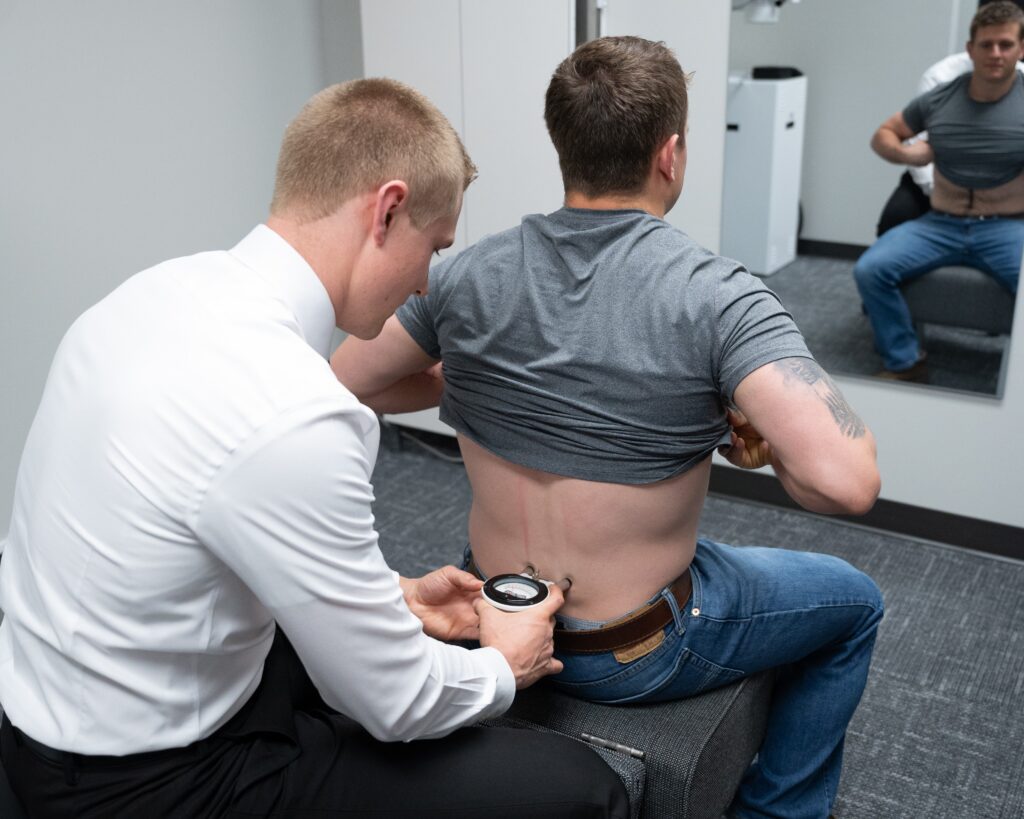

As a local chiropractor, I want to help you understand how your daily habits may unknowingly contribute to poor posture and discomfort. Many people aren’t aware that small adjustments in your workspace, along with mindful exercises, can significantly improve your well-being. Picture yourself sitting at your desk, free from that persistent pain, or standing tall without feeling strain. The changes you implement today can lead to a more comfortable tomorrow.
Let’s take a closer look at how you can transform your posture and alleviate those nagging aches. By incorporating ergonomic practices into your daily routine and engaging in specific exercises, you can support your body’s natural alignment and functionality. As you become more aware of your posture and make conscious adjustments, you’ll likely notice a reduction in discomfort and an improvement in your overall health. Remember, it’s never too late to start prioritizing your posture and well-being!
Understanding the Importance of Posture
As a local chiropractor, I want to emphasize how crucial posture is for your overall health and well-being. Many people don’t realize that posture influences not just how you stand or sit, but also how you move, breathe, and even think. When you practice good posture, you’re doing much more than standing tall; you’re actively promoting better circulation, alleviating strain on your muscles and joints, and boosting your self-confidence.
A straight spine is key to maintaining your balance, which can help prevent fatigue during your daily activities. In addition, maintaining proper posture can lead to significant improvements in digestion and respiratory function. When your body is aligned correctly, your organs have the freedom and space to function optimally.
This alignment can also help lower the risk of chronic pain, particularly in areas like the back and neck. By becoming more aware of your posture, you’re taking a proactive step towards a healthier lifestyle.
Common Causes of Poor Posture
As a local chiropractor, I want to shed light on how a sedentary lifestyle can significantly affect your posture. Many of you may not realize that spending extended hours at a desk—especially without an ergonomic setup—can lead to discomfort and misalignment in your spine. This is a common issue that I see in my practice, and it can contribute to a variety of health problems over time.
Let’s take a closer look at how these factors play a role in poor posture. When you sit for long periods, your muscles can become weak and tight, leading to poor alignment of the spine. This misalignment can cause discomfort, pain, and even affect your overall well-being.
Fortunately, there are several steps you can take to improve your posture. Incorporating regular breaks to stretch and move throughout your day is essential. Additionally, considering an ergonomic workspace can make a significant difference.
Sedentary Lifestyle Impact
As a local chiropractor, I want to help you understand the significant impact that a sedentary lifestyle can have on your posture and overall health. Many of us find ourselves spending hours in front of screens, and this can lead to noticeable issues like slouching, rounded shoulders, and neck strain.
When you remain inactive for extended periods, the muscles that support your spine can weaken, creating an imbalance that may result in discomfort and chronic pain over time.
Additionally, staying in one position for too long can restrict blood flow and lead to muscle tension. It’s crucial to recognize these effects and take proactive steps to mitigate them. Simple changes, such as incorporating regular movement, taking stretching breaks, and adjusting your sitting position, can significantly improve your posture and enhance your well-being.
As your chiropractor, I encourage you not to underestimate the power of these small adjustments. By prioritizing movement and being mindful of your posture, you can counteract the detrimental effects of a sedentary lifestyle and promote a healthier spine and body.
Let’s work together to create a personalized plan that fosters natural healing and improves your quality of life.
Ergonomic Workspace Design
As a local chiropractor, I want to emphasize the significant role an ergonomic workspace plays in maintaining your spinal health and overall well-being. Poor posture can lead to a myriad of issues, including chronic pain, which is often preventable with simple adjustments to your workspace.
When you set up your desk, it’s crucial to ensure that your chair provides adequate support for your lower back. This support helps maintain the natural curve of your spine and keeps your feet flat on the floor—both essential for good posture.
Your computer monitor should be positioned at eye level; this alignment prevents unnecessary strain on your neck and shoulders as you work. Additionally, it’s vital to use a keyboard and mouse that allow your wrists to remain in a neutral position. This can help you avoid discomfort and repetitive strain injuries.
Don’t forget to incorporate regular breaks into your work routine; standing up, stretching, and moving around not only recharges your body but also promotes better posture.
By making these ergonomic adjustments, you create a workspace that supports your body’s natural alignment. This can significantly reduce your risk of developing chronic pain and enhance your overall quality of life.
Ergonomic Workspace Setup
As a local Chiropractor, I want to share how creating an ergonomic workspace can significantly improve your comfort and productivity while reducing the risk of strain and injury.
It’s essential to take a moment to assess your workspace for your overall health.
Start by adjusting your chair so that your feet rest flat on the ground, with your knees bent at a 90-degree angle. This positioning supports your spine and promotes a straight posture, which is crucial for avoiding unnecessary tension.
Next, ensure that your desk is at elbow height. This allows your arms to rest comfortably while you type, preventing strain in your shoulders and neck. Your monitor should be positioned at eye level and about an arm’s length away. This setup helps prevent neck strain, which is a common issue I see in patients who spend long hours at their desks.
If you’re using a laptop, consider investing in a stand or an external keyboard to achieve better alignment.
Pay special attention to your wrists while typing. Keeping your wrists straight is vital, and using a wrist rest can provide additional support if needed.
Lastly, don’t overlook the importance of proper lighting; adequate illumination can help reduce eye strain and fatigue.
By making these adjustments, you can create a workspace that not only promotes better posture but also minimizes discomfort.
This proactive approach can lead to improved efficiency and well-being, aligning perfectly with the principles of chiropractic care and natural healing.
Your body will thank you!
Simple Exercises to Strengthen Posture
As a local chiropractor, I want to emphasize how important it’s to improve your posture for your overall health.
One effective way to achieve this is by focusing on core strengthening exercises and incorporating stretching for increased flexibility. These simple movements not only enhance your stability, but they can also significantly relieve tension in your body.
By making these exercises a regular part of your routine, you may notice a remarkable improvement in how you feel each day.
Core Strengthening Exercises
As a local chiropractor, I’d like to emphasize the importance of strengthening your core for maintaining good posture and alleviating pain. A robust core plays a vital role in supporting your spine, which is essential for proper alignment throughout your daily activities.
To get started, I recommend incorporating planks into your routine. Begin by holding a straight position on your forearms and toes for about 20-30 seconds. This exercise helps engage various muscle groups in your core.
Next, consider trying bridges. Lie on your back with your knees bent and lift your hips towards the ceiling, engaging your glutes and lower back. Aim for 10-15 repetitions of this movement.
Another effective exercise is the bird-dog. Position yourself on all fours and extend one arm forward while stretching the opposite leg back, ensuring your back remains straight. Hold this position for a few seconds before switching sides.
Finally, don’t overlook the benefits of seated or standing torso twists. These movements actively engage your obliques, helping to enhance your core stability.
By integrating these exercises into your routine, you not only build strength but also improve stability, which can significantly enhance your posture and overall well-being.
Stretching for Flexibility
As a local chiropractor, I want to share some valuable insights on how incorporating a few simple stretches into your daily routine can significantly improve your flexibility and posture, contributing to your overall well-being.
Let’s start with a stretch that I often recommend to my patients: the chest opener. Stand tall, clasp your hands behind your back, and gently pull your shoulders back. This movement is fantastic for stretching your chest muscles and counteracting the effects of slouching, which many of us experience throughout the day.
Next, I suggest trying the cat-cow stretch. Position yourself on all fours and alternate between arching and rounding your back. This dynamic movement enhances spinal flexibility and can help alleviate tension in your back, something I frequently see in patients who spend long hours sitting.
For those of you looking to improve hip flexibility, the seated forward bend is an excellent choice. Sit with your legs extended in front of you, reach for your toes, and enjoy the stretch in your lower back and hamstrings. This can help relieve tightness and improve mobility, which is essential for maintaining a healthy body.
Lastly, don’t overlook the standing quadriceps stretch. While standing, grab your ankle behind you and gently pull it towards your glutes. This stretch promotes hip flexibility and can be particularly beneficial for those who engage in physical activities or experience stiffness.
By regularly practicing these stretches, you can help maintain better posture and reduce discomfort, allowing your body to function at its best.
Daily Habits for Better Alignment
As a local chiropractor, I want to emphasize the critical role that daily habits play in maintaining proper posture and alignment. Many individuals may not realize how small changes in their routines can lead to significant improvements in their overall well-being.
First and foremost, I encourage you to be mindful of your sitting posture. Opt for a chair that provides adequate support for your lower back, and always keep your feet flat on the ground. This simple adjustment can help alleviate strain on your spine.
When standing, make sure to distribute your weight evenly on both feet and engage your core muscles to enhance stability.
It’s also essential to incorporate short breaks throughout your day, especially if you find yourself seated at a desk for extended periods. Taking a moment to stretch and move around can relieve built-up tension and support good alignment.
Additionally, consider how you carry items; using a well-designed backpack with appropriate support can significantly reduce strain on your back.
Lastly, I encourage you to practice regular awareness of your posture. It’s all too easy to slip into poor habits, but by frequently checking in with your body, you can maintain better alignment.
Tips for Maintaining Good Posture on the Go
As a local chiropractor, I want to emphasize the importance of maintaining good posture, especially when you’re on the go. It can be quite challenging, but it’s vital for your overall comfort and health.
Begin by being aware of your body alignment. Keep your shoulders back and down, and engage your core muscles to support your spine.
When you’re sitting, opt for chairs that provide support for your lower back, and make a conscious effort to avoid slouching. If you find yourself standing for extended periods, be sure to distribute your weight evenly across both feet to alleviate pressure on your spine.
For those of you who often use your phone, remember to hold it at eye level. This simple adjustment can prevent the common issue of craning your neck, which can lead to discomfort and pain.
Additionally, consider investing in a supportive backpack or messenger bag that helps evenly distribute weight across your body, reducing strain on your back.
If you’re driving, it’s crucial to adjust your seat so that you can sit with your back straight and your knees slightly bent. This not only promotes better posture but also enhances your comfort during long drives.
Lastly, I encourage you to take regular breaks to stretch and reset your posture, especially if you’re sitting or standing for long periods.
By integrating these straightforward tips into your daily routine, you can make it much easier to maintain good posture even on your busiest days.
Conclusion
As a local chiropractor dedicated to your health and well-being, I want to emphasize that improving your posture and alleviating pain doesn’t have to be a daunting task. By implementing simple adjustments to your workspace and practicing core-strengthening exercises, you can significantly enhance your physical health.
It’s essential to be mindful of your alignment throughout the day—whether you’re sitting at your desk, standing in line, or moving about your daily routine. Incorporating good habits into your lifestyle is key; even small changes can lead to remarkable improvements in how you feel.
Chiropractic care focuses on natural healing and can help you achieve better posture and reduce pain. I encourage you to start today with these adjustments and observe the positive changes in your body. Not only will you feel better, but you’ll also notice an increase in your overall health and productivity. Together, we can work towards a healthier, more aligned you!