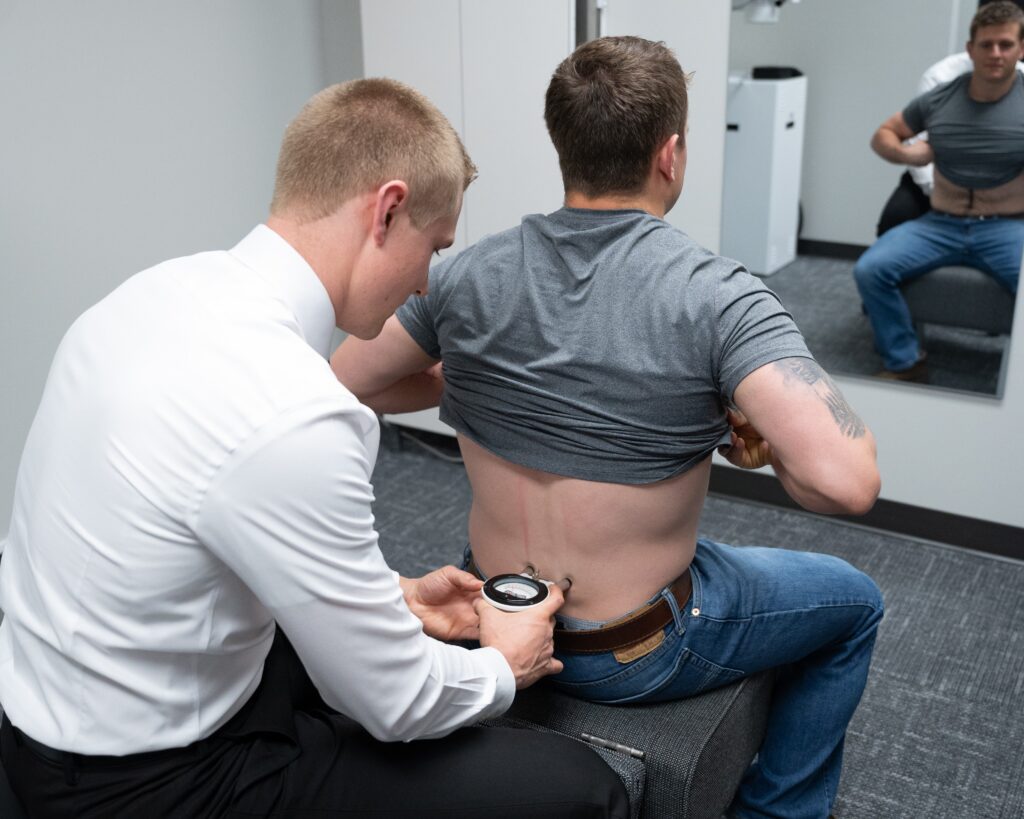

As a local chiropractor, I understand that many people struggle with back pain and poor posture, often without even realizing how their daily habits contribute to these issues. You’re not alone in this—it’s a common challenge that affects countless individuals.
The good news is that by making some simple adjustments in your daily routine and incorporating specific exercises tailored to your needs, you can begin to experience relief. It’s essential to understand the root causes of your discomfort, and I’m here to help you explore effective strategies that can lead to significant improvements in your well-being.
Let’s take the first step together in taking control of your posture and alleviating discomfort naturally. Through chiropractic care, we can work on correcting misalignments, strengthening your muscles, and enhancing your overall posture, helping you to feel more comfortable and confident in your body.
Understanding the Importance of Good Posture
As a local chiropractor, I often see how many individuals underestimate the importance of good posture in relation to their overall health and well-being. Maintaining proper alignment isn’t just about looking good; it’s essential for how your body functions.
When you practice good posture, your muscles can work more efficiently, which significantly reduces strain and fatigue. You may be surprised to learn that your posture also has a direct impact on your mood and confidence. Standing tall can elevate your self-esteem and leave you feeling more energized throughout the day.
Furthermore, good posture plays a crucial role in supporting healthy spine alignment. This is vital for preventing long-term issues such as chronic back pain and discomfort. When your body is aligned, you also enhance your breathing, digestion, and circulation, which leads to an overall improvement in your health.
As you begin your journey towards better health, I encourage you to adopt good posture habits in your daily activities—whether you’re sitting at a desk, standing in line, or walking.
The positive changes you make in your posture can create a ripple effect that enhances your daily life. So take a moment to assess your alignment, make necessary adjustments, and experience the myriad benefits of standing tall and sitting straight.
Common Causes of Poor Posture and Back Pain
As your local chiropractor, I want to help you understand how your everyday habits may be affecting your posture and contributing to back pain.
Many people don’t realize that a sedentary lifestyle, poor ergonomic practices at work, and muscle imbalances can significantly impact your comfort and alignment.
By recognizing these common causes, we can work together to implement positive changes that can lead to improved health and well-being.
Let’s delve into these factors and explore how chiropractic care and natural healing can support you on your journey to better posture and reduced pain.
Sedentary Lifestyle Effects
As a chiropractor, I often see the impact of a sedentary lifestyle on my patients’ posture and back health. Many individuals spend countless hours sitting at desks or lounging on couches, and this can lead to significant physical issues over time.
Prolonged sitting tends to result in muscle stiffness and imbalances, as the core and back muscles weaken, making it increasingly difficult to maintain proper posture.
When you slouch or hunch over your screens, you’re placing extra strain on your spine, which can contribute to back pain and discomfort. It’s crucial to recognize these patterns and take proactive steps to counteract them.
I encourage my patients to take regular breaks, stretch, and incorporate movement into their daily routines.
By addressing the effects of a sedentary lifestyle, we can work together to improve your posture and alleviate back pain naturally. This holistic approach not only enhances your well-being but also promotes a more active and healthier lifestyle.
Improper Ergonomics at Work
As a local chiropractor, I often see the effects of improper ergonomics in the workplace. Many people are unaware that poor posture can lead to significant back pain and discomfort.
When you slouch in your chair, hunch over your keyboard, or crane your neck to see your screen, you’re putting unnecessary strain on your back and neck muscles. Using a desk that’s either too high or too low can really exacerbate these issues.
If your chair doesn’t provide proper support, you might find yourself leaning forward, which can contribute to further complications over time. It’s crucial to understand that your workspace should support good posture, not hinder it.
To create a healthier work environment, consider making some adjustments. Ensure your monitor is at eye level to avoid straining your neck, use a chair that adequately supports your lower back, and keep your feet flat on the floor.
Muscle Imbalances and Weaknesses
As a local chiropractor, I want to help you understand how muscle imbalances and weaknesses can significantly impact your posture and contribute to back pain. Many people are unaware that when certain muscle groups are overactive, while others remain underactive, it can lead to discomfort and misalignment in the body.
For example, if your chest muscles are tight, they can pull your shoulders forward, creating a hunched posture. At the same time, weak upper back muscles may struggle to hold your shoulders in the correct position, leading to discomfort and pain.
Additionally, tight hip flexors can throw off the alignment of your lower back, worsening any existing pain. To address these issues, it’s important to focus on strengthening the muscles that are underactive while also stretching those that are overactive.
Integrating exercises such as rows and planks can help build strength in your back, while stretches like chest openers can relieve tightness in the chest area.
By recognizing and addressing these muscle imbalances, we can work together to improve your posture and alleviate any back pain you may be experiencing.
As we focus on natural healing methods, I encourage you to incorporate these exercises and stretches into your routine for optimal results. Your body will thank you!
Daily Habits to Improve Your Posture
As a local chiropractor, I want to emphasize the importance of maintaining good posture for your overall well-being. Many people underestimate the impact that simple daily habits can have on how you feel. By being mindful of your posture, you can significantly enhance your health and prevent discomfort.
Here are some effective habits to integrate into your daily routine:
- Adjust your workspace: It’s crucial to ensure that your chair and desk are set at the appropriate heights. Your feet should rest flat on the ground, and your computer screen should be at eye level to minimize strain on your neck and back.
- Take frequent breaks: I can’t stress enough how important it’s to stand up and stretch every hour. This simple action helps relieve tension in your muscles and can reset your posture, allowing your spine to remain aligned.
- Practice mindful sitting: When seated, make sure to sit all the way back in your chair. Keep your back straight and shoulders relaxed. This position supports your spine and reduces the risk of discomfort.
- Use reminders: Consider setting reminders on your phone or placing sticky notes around your workspace. These prompts will encourage you to check your posture regularly throughout the day, helping you develop better habits over time.
By incorporating these practices into your daily life, you can support your spine and improve your overall posture, leading to a healthier and more comfortable lifestyle.
If you have any questions or would like personalized advice, feel free to reach out during your next visit!
Exercises to Strengthen Your Back and Core
As a local chiropractor, I want to emphasize the importance of strengthening your back and core for overall health, good posture, and pain prevention. Engaging in specific exercises can be a natural way to support your spine and improve your well-being.
I recommend incorporating exercises such as planks, bridges, and bird-dogs into your fitness routine. For planks, position your body in a straight line from head to heels, keeping your core engaged for 30 seconds to a minute. This exercise helps reinforce your core stability, which is vital for your spine’s health.
Bridges are another fantastic exercise. Start by lying on your back with your knees bent, and then lift your hips towards the ceiling. This movement not only strengthens your lower back but also works your glutes, which play a key role in supporting your pelvis and spine.
Bird-dogs are excellent for promoting balance and coordination. To perform this exercise, get on all fours and extend one arm and the opposite leg simultaneously. This engages your core while challenging your stability, which is crucial for preventing injuries.
I suggest aiming for two to three sets of 10 to 15 repetitions for each exercise. As you become more comfortable and stronger, you can gradually increase the difficulty.
By consistently practicing these exercises, you’ll enhance your muscular endurance, support your spine, and maintain an upright posture in your daily activities, which can significantly contribute to your overall health and well-being.
Stretching Techniques for a Flexible Spine
As your local chiropractor, I want to emphasize the importance of keeping your spine flexible and reducing tension through a daily stretching routine.
Engaging in targeted spine exercises is crucial not only for enhancing your mobility but also for supporting your overall posture and well-being.
Allow me to share some effective techniques that can help you achieve a more flexible spine, which is essential for maintaining a healthy lifestyle and preventing discomfort.
Let’s work together to explore these methods and integrate them into your daily routine for optimal spinal health.
Daily Stretching Routine
As a local chiropractor, I want to share how a daily stretching routine can significantly improve your spinal flexibility and help alleviate any back discomfort you may be experiencing.
Incorporating these simple stretches into your daily life can make a remarkable difference:
- Cat-Cow Stretch: This stretch involves alternating between arching and rounding your back, which helps to loosen the spine and improve overall mobility. It’s a gentle way to connect with your breath and enhance spinal flexibility.
- Child’s Pose: This restorative position allows you to sink back and gently stretch your lower back and hips. It’s a great way to release tension and promote relaxation, especially after a long day.
- Seated Forward Bend: While seated, reaching for your toes can help elongate your spine and stretch your hamstrings. This stretch not only enhances flexibility but also encourages good posture.
- Torso Twist: Sitting cross-legged, gently twisting your torso to each side can promote spinal mobility and improve circulation. It’s an excellent way to maintain spinal health and flexibility.
Remember, these stretches aren’t just beneficial for flexibility; they’re also key components in supporting your overall spinal health.
If you have any questions or need personalized guidance, don’t hesitate to reach out. Your journey to natural healing is important, and I’m here to help!
Targeted Spine Exercises
As a local chiropractor, I want to emphasize the importance of not just daily stretching routines, but also how targeted spine exercises can significantly elevate your spinal health. Incorporating specific movements into your routine can enhance both flexibility and strength in your spine, which is vital for overall wellness.
One effective exercise is the cat-cow stretch. This movement not only increases mobility but also helps to alleviate tension throughout the spine.
Another fantastic option is the child’s pose; this gentle stretch not only relaxes your back but also promotes a sense of calm.
Additionally, consider adding thoracic spine rotations to your regimen. This exercise can greatly improve your range of motion and contribute to better posture.
It’s essential to engage your core while performing these exercises, as a strong core provides the necessary support for your spine.
I recommend dedicating just a few minutes each day to these targeted exercises. With consistency, you’ll likely notice improved flexibility and a reduction in discomfort over time.
Ergonomic Adjustments for Your Workspace
As a local Chiropractor, I want to emphasize the importance of making ergonomic adjustments to your workspace.
These changes can significantly enhance your posture and alleviate back pain, leading to a healthier and more comfortable life. By optimizing your environment, you can support your body’s natural alignment and promote overall well-being.
Here are some key adjustments I recommend:
- Chair Height: Ensure your chair is set so your feet rest flat on the floor, with your knees bent at a 90-degree angle. This helps maintain proper spinal alignment and reduces strain on your lower back.
- Desk Position: Your desk should be positioned to allow your elbows to remain at a 90-degree angle while typing. This keeps your wrists straight and minimizes the risk of repetitive strain injuries.
- Monitor Level: Position your monitor at eye level, approximately an arm’s length away. This will help prevent neck strain and encourage a more natural head position.
- Keyboard and Mouse Placement: Keep your keyboard and mouse within easy reach to avoid unnecessary stretching. This helps maintain relaxed shoulders and prevents tension in your upper back.
By making these simple adjustments, you can create a more productive workspace while significantly reducing discomfort.
I encourage you to start implementing these changes today and observe the positive impact on your posture and back health.
Natural Remedies for Pain Relief
As your local chiropractor, I want to share some effective natural remedies for managing back pain that can complement our chiropractic care. Many patients are surprised to learn that there are simple techniques they can use at home to find relief without solely relying on medication.
One of the easiest methods is the application of heat or cold packs to the area where you’re experiencing pain. Heat therapy is excellent for relaxing tense muscles, while cold therapy is effective at reducing inflammation. You may also benefit from using essential oils, such as peppermint or lavender. These oils can be soothing when massaged into the skin, providing additional comfort.
Incorporating anti-inflammatory foods into your diet is another powerful strategy. Foods like turmeric and ginger are known for their pain-relieving properties and can help combat inflammation from within.
Additionally, maintaining an active lifestyle through low-impact exercises, such as swimming or walking, can strengthen your back muscles and enhance flexibility, both of which are crucial for long-term relief.
I also recommend considering herbal supplements like willow bark or devil’s claw, which have been recognized for their pain-relieving effects. However, it’s essential to consult with me or another healthcare professional before adding any new remedies to your routine, especially if you’re currently taking other medications or have existing health conditions.
Together, we can create a comprehensive approach to your back pain that incorporates both chiropractic care and these natural remedies, helping you achieve better health and wellness.
Mindfulness and Body Awareness Practices
As your local chiropractor, I want to share how mindfulness and body awareness practices can significantly enhance your posture and alleviate back pain. Many patients are surprised to learn that a strong connection between the mind and body can lead to improved physical well-being.
Here are some effective techniques you can incorporate into your daily routine:
- Breathing exercises: I encourage you to practice deep, diaphragmatic breathing. This technique not only helps to relax your back but also reduces overall tension in your body.
- Body scans: Taking a moment to check in with yourself can be incredibly beneficial. Regularly assess your body for areas of tension and consciously work on relaxing those spots.
- Mindful movement: Activities like yoga and tai chi are excellent for enhancing flexibility, strength, and proper body alignment. These practices can complement your chiropractic treatment and support your overall health.
- Posture reminders: I recommend setting reminders throughout your day to evaluate your posture. This simple practice can help you become more aware of any slouching or imbalances and encourage you to make adjustments.
By integrating these mindfulness and body awareness practices into your routine, you’ll likely notice improvements in your posture and a reduction in discomfort over time.
Conclusion
As a local chiropractor, I want to share some valuable insights on how you can improve your posture and alleviate back pain naturally. By incorporating simple practices into your daily routine, you can experience significant relief and enhance your overall well-being.
First and foremost, it’s important to stay mindful of your body throughout the day. Pay attention to your posture, especially if you spend long hours at a desk. Making ergonomic adjustments to your workspace can greatly reduce strain on your back. Position your chair and computer in a way that promotes a neutral spine and encourages proper alignment.
In addition to these adjustments, engaging in targeted exercises and stretches is crucial. Specific movements can strengthen your core muscles, improve flexibility, and support your spine. I recommend incorporating stretches that focus on the back, hips, and shoulders to help release tension and improve your range of motion.
Don’t underestimate the power of natural remedies and a balanced diet to support your muscle health. Nutrient-rich foods can aid in reducing inflammation and promoting recovery. Consider incorporating anti-inflammatory options such as leafy greens, fatty fish, and nuts into your meals.
With consistent effort and a commitment to these practices, you can feel more comfortable and confident in your movements. This proactive approach will not only lead to a healthier lifestyle but can also help you achieve a pain-free life. If you have any questions or would like personalized recommendations, feel free to reach out to me. Together, we can work towards your wellness goals!