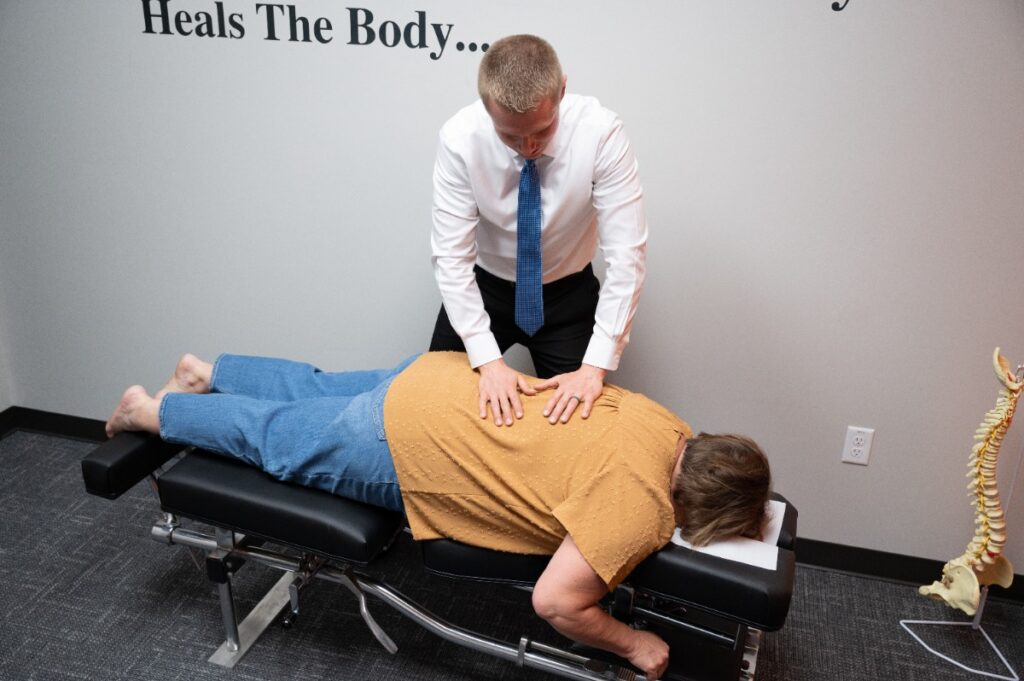
If you're struggling with back pain, you're not alone, and it's essential to understand the various expert care options available to you. Many people find relief through a combination of physical therapy, chiropractic adjustments, and alternative treatments like acupuncture. Each method offers unique benefits that can address the underlying causes of your discomfort. However, knowing which approach is right for you can be challenging. What's the best way to create a personalized plan that not only alleviates your pain but also empowers you to prevent future issues?
Understanding Back Pain Causes
Many people experience back pain at some point in their lives, and understanding its causes is essential for finding relief. Back pain can stem from various factors, and recognizing these can help you tackle the issue more effectively. One common cause is poor posture. When you slouch or sit for extended periods, you place undue stress on your spine, leading to discomfort.
Another factor could be muscle strain. Lifting heavy objects without proper technique or overexerting yourself during physical activities can lead to muscle strains that manifest as back pain.
You might also find that a sedentary lifestyle contributes to your discomfort. Weak core muscles and tight hip flexors can create imbalances, increasing the risk of injury.
Injuries from accidents or falls can also lead to back pain. Whiplash or direct trauma can affect the spine and surrounding muscles, resulting in persistent discomfort.
Additionally, conditions like herniated discs or osteoarthritis may cause chronic pain. These medical issues often require a professional diagnosis for effective treatment.
Your lifestyle choices play a significant role too. Being overweight can strain your back, and smoking may impede blood flow, delaying healing.
Stress and anxiety can also contribute to muscle tension, leading to discomfort.
Benefits of Physical Therapy
Physical therapy offers a range of benefits for those dealing with back pain. When you engage in tailored exercises, you not only strengthen your muscles but also improve your flexibility. This can lead to better posture and reduced strain on your back, helping to alleviate pain.
One significant advantage of physical therapy is that it promotes active recovery. Instead of relying solely on medications, which can have side effects, you'll learn techniques that empower you to manage your pain effectively. Your physical therapist will design a personalized program that addresses your specific needs and limitations, ensuring you're working towards your recovery goals.
Moreover, physical therapy can help you understand the mechanics of your body. By learning about body mechanics and posture, you'll be better equipped to avoid movements that might exacerbate your pain. This knowledge can be invaluable in preventing future injuries.
Additionally, physical therapy often includes manual therapy techniques, such as massage or joint mobilization, which can provide immediate relief from tension and discomfort. These hands-on approaches can enhance circulation, promote healing, and improve your overall sense of well-being.
Lastly, a supportive environment with a trained professional encourages motivation and accountability. You'll have someone who understands your challenges and celebrates your progress, making it easier to stick with your treatment plan.
Role of Chiropractic Care
Chiropractic care plays an essential role in managing back pain through hands-on spinal manipulation and adjustments. These techniques help realign your spine, reduce nerve irritation, and improve overall mobility.
When you visit a chiropractor, they'll assess your condition and create a tailored treatment plan. This personalized approach focuses on your specific needs, ensuring you receive the best care possible.
One of the key benefits of chiropractic care is its emphasis on non-invasive techniques. You won't have to rely solely on medications or surgeries, which often come with unwanted side effects. Instead, you can explore natural methods to alleviate your discomfort.
Here are some aspects of chiropractic care that can specifically help with back pain:
- Spinal Adjustments: Targeted manipulation can relieve pressure on nerves and restore balance to your spine.
- Posture Correction: Chiropractors can identify poor posture habits and provide strategies to improve your alignment.
- Strengthening Exercises: They may recommend specific exercises to strengthen your back muscles, which can prevent future injuries.
- Holistic Approach: Chiropractors often consider your lifestyle, diet, and overall well-being, allowing for a thorough treatment plan.
Alternative Treatments to Consider
When seeking relief from back pain, exploring alternative treatments can be a game-changer. You might want to take into account options like acupuncture, which involves inserting thin needles into specific points on your body. Many people find that this ancient practice helps reduce pain and improve mobility.
If you're looking for something more hands-on, massage therapy can also be beneficial. It eases muscle tension, enhances circulation, and promotes relaxation, making it a great choice for those suffering from chronic back pain.
Another alternative treatment worth taking into account is yoga. This practice not only improves your flexibility and strength but also helps you develop better posture, which is vital for preventing further issues. Many yoga poses specifically target the back, providing relief and promoting overall wellness.
Similarly, Pilates focuses on core strength, which can provide added support to your spine and alleviate discomfort.
Herbal remedies and dietary supplements may also offer some relief. Turmeric, for instance, contains curcumin, which has anti-inflammatory properties. Always consult with a healthcare professional before trying any new supplements to verify they're safe for you.
Lastly, mindfulness and meditation can play a role in managing pain. These practices help reduce stress and anxiety, which can exacerbate your back issues.
Tips for Long-Term Pain Management
Managing back pain over the long term requires a proactive approach and a combination of strategies. You can't just rely on temporary fixes; instead, focus on building a thorough plan that addresses both physical and mental aspects of your well-being.
Here are some key tips to keep in mind:
- Stay Active: Regular low-impact exercise, such as walking or swimming, strengthens your back and core muscles, improving overall stability and flexibility.
- Practice Good Posture: Be mindful of your posture throughout the day. Use ergonomic furniture and techniques to minimize strain on your back while sitting, standing, or lifting.
- Incorporate Stretching: Daily stretching can help maintain flexibility and reduce tension in your back muscles. Consider including yoga or Pilates in your routine for added benefits.
- Manage Stress: Stress can exacerbate pain perception. Practice mindfulness, meditation, or deep-breathing exercises to help manage stress levels effectively.
Conclusion
Incorporating expert care into your back pain relief plan can make all the difference. By understanding the causes of your discomfort and exploring physical therapy, chiropractic treatment, and alternative therapies, you'll find a personalized approach that works for you. Keep in mind the importance of long-term pain management strategies, including proper posture and body mechanics. With the right support and knowledge, you can take control of your pain and enjoy a more active, fulfilling life.