
As a local chiropractor, I want to help you understand how to recover from sports injuries naturally. It’s essential to appreciate your body’s healing process and recognize the vital roles that nutrition, rest, and targeted physical therapy play in this journey. By focusing on these fundamental components, you can effectively support your recovery. However, there’s much more to consider beyond just the basics.
Each aspect of recovery has its own nuances that can significantly impact your return to peak performance. For instance, proper nutrition fuels your healing, while adequate rest allows your body to repair itself. Mindful physical therapy, tailored to your specific injury, can help restore strength and flexibility. In my practice, I emphasize the importance of a holistic approach that combines these elements while also incorporating gentle chiropractic adjustments to promote alignment and enhance your body’s natural healing abilities. Together, we can create a personalized recovery plan to get you back to doing what you love.
Understanding the Healing Process
As a local chiropractor, I want to help you understand the healing process after a sports injury, as this knowledge is vital for your recovery. Your body goes through several important stages: inflammation, tissue repair, and remodeling.
Initially, inflammation is your body’s natural response to protect the injured area. It brings blood and essential nutrients to facilitate healing. You may experience some swelling and tenderness during this phase, which is completely normal.
Once the inflammation begins to subside, your body progresses into the repair stage. Here, new tissue starts to form, and it’s a great time to begin gently mobilizing the injured area. This can help you regain flexibility and strength, but it’s crucial to take it slow; pushing yourself too hard at this stage can lead to setbacks.
Finally, in the remodeling phase, your body works on strengthening the new tissue. This process can take anywhere from weeks to months, depending on the severity of your injury.
The Role of Nutrition in Recovery
As a local chiropractor, I want to emphasize the vital role that nutrition plays in your recovery from sports injuries. The right foods can significantly enhance your body’s natural healing processes.
It’s essential to consume a balanced diet that’s rich in vitamins and minerals. Focus on incorporating quality protein sources into your meals, such as lean meats, fish, and legumes. These foods are crucial for repairing tissues and building muscle.
Healthy fats, found in avocados, nuts, and olive oil, are also important, as they help to reduce inflammation, which can be a significant barrier to recovery.
Don’t overlook the importance of carbohydrates—they are key to providing the energy needed for your body to heal. Aim to include whole grains, fresh fruits, and vegetables in your diet to ensure you’re properly fueling your body.
Staying hydrated is just as critical. Drinking plenty of water will support your overall bodily functions and assist in flushing out toxins that can hinder recovery.
Additionally, consider incorporating antioxidant-rich foods, like berries and leafy greens, into your diet. These can help combat oxidative stress that can occur after an injury.
By prioritizing nutrition, not only are you supporting your recovery, but you’re also laying the groundwork for a stronger return to your sport.
As a chiropractor, I encourage you to think of nutrition as an integral part of your healing journey, alongside any chiropractic care you may receive. Together, we can work towards getting you back to your best self.
Herbal Remedies for Pain Relief
As a local chiropractor, I want to share some valuable insights on how you can manage pain naturally, especially if you’re looking for alternatives to conventional treatments.
Many athletes and active individuals have found relief through herbal remedies that align with a holistic approach to healing.
One of the most effective herbs is turmeric, which contains a compound called curcumin. This powerful ingredient is well-known for its anti-inflammatory properties, making it a great addition to your meals or as a supplement. Incorporating turmeric into your diet can help reduce pain and inflammation in your body.
Another fantastic option is ginger, which not only combats inflammation but also aids in alleviating muscle soreness. You might consider enjoying a cup of ginger tea or adding fresh ginger to your meals to experience its benefits.
Willow bark is another natural remedy that has been nicknamed “nature’s aspirin” for its pain-relieving qualities. You can find it in capsule form or brew it as a tea for a soothing effect.
Additionally, don’t underestimate the power of arnica. This topical herb can be applied directly to bruises and swollen areas in the form of a cream or gel, potentially reducing discomfort.
Before you start any herbal regimen, it’s essential to consult with a healthcare professional, such as a chiropractor, to ensure these remedies are safe and appropriate for your specific health needs.
Embracing a natural approach can complement your wellness journey and enhance your overall well-being.
Physical Therapy Techniques
When recovering from a sports injury, incorporating chiropractic care can be transformative for your healing process.
As a local chiropractor, I emphasize the importance of stretching and flexibility exercises to improve your range of motion. Strengthening specific muscle groups is also crucial, as it helps support your body and prevent future injuries.
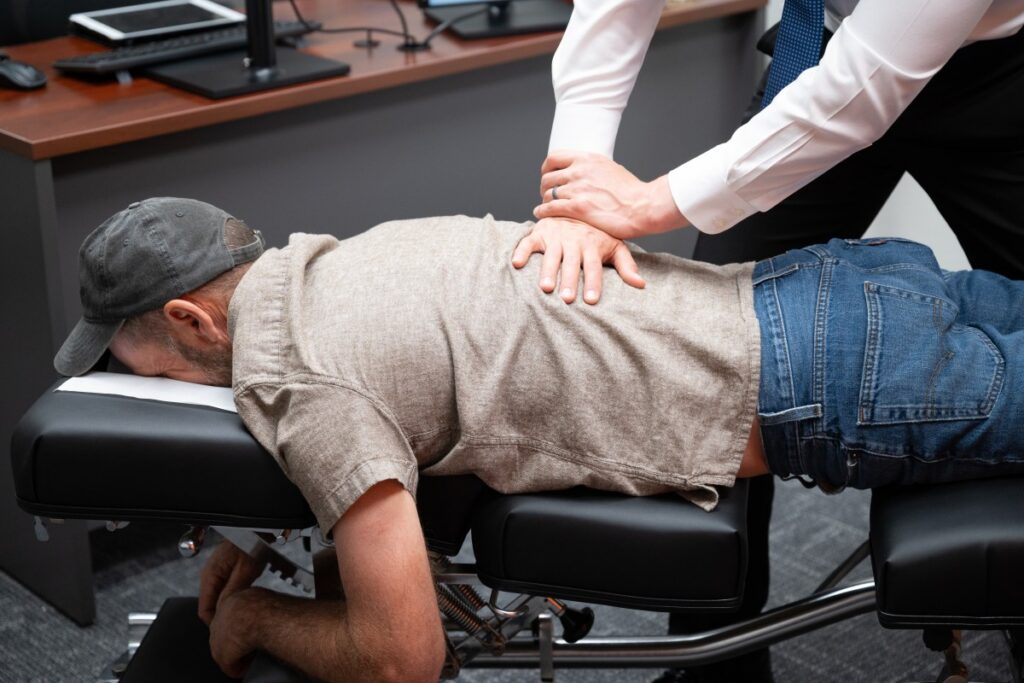
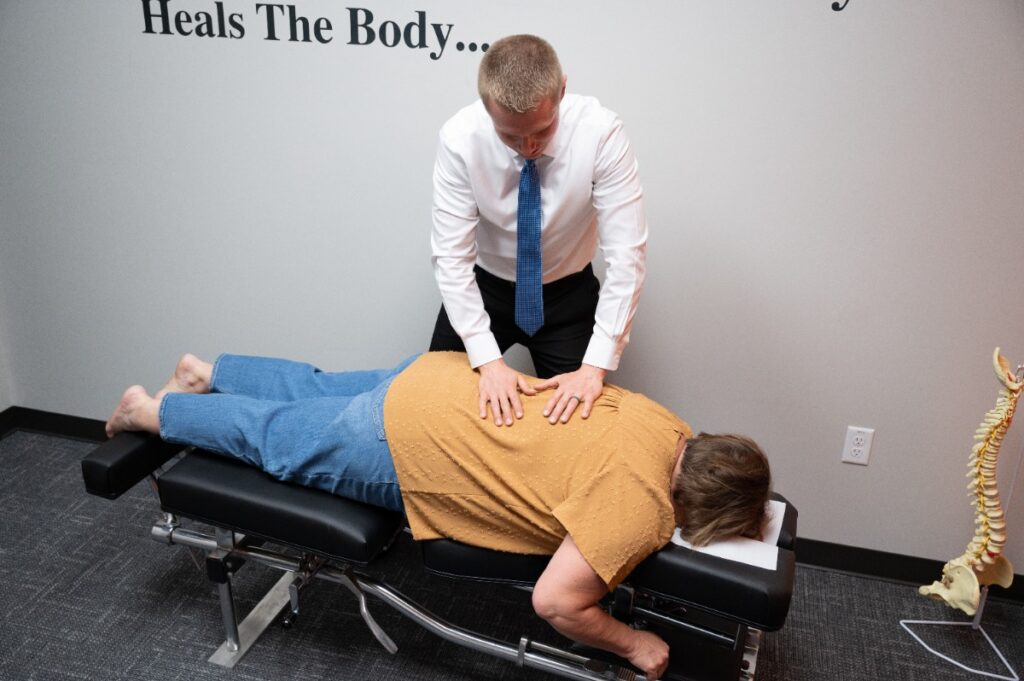
Additionally, I utilize manual therapy techniques, which can enhance your recovery by relieving tension and promoting natural healing.
These approaches work together to help you regain movement and build strength effectively, allowing you to return to your favorite activities with confidence.
Stretching and Flexibility Exercises
As a local chiropractor dedicated to your health and recovery, I want to emphasize the importance of incorporating stretching and flexibility exercises into your healing routine after a sports injury. These exercises are vital in improving your range of motion, alleviating muscle tension, and enhancing blood circulation—key components of the recovery process.
When starting your stretching routine, focus on gentle stretches that specifically target the injured area. It’s important to gradually increase the intensity of your stretches as your body allows. Holding each stretch for 15 to 30 seconds is ideal, and remember to concentrate on your breathing to help relax your muscles.
In addition to static stretching, dynamic stretches like arm circles and leg swings can effectively prepare your body for movement and help prevent stiffness. Consistency is crucial; I recommend aiming to stretch daily, particularly after your rehabilitation sessions.
Finally, always listen to your body during these exercises. If you experience pain, it’s essential to stop and reassess to avoid aggravating your injury. Embracing these practices can significantly support your recovery journey and promote natural healing.
Strengthening Targeted Muscle Groups
As a local chiropractor, I want to help you understand the importance of strengthening targeted muscle groups, especially after you’ve laid a solid foundation with stretching and flexibility exercises.
It’s crucial to focus on the muscles that support your injured area, and together, we can create a tailored workout plan that suits your needs.
Incorporating resistance training—whether through bands or weights—can significantly aid in building strength gradually. I recommend starting with low resistance and performing high repetitions to ensure you avoid any strain or discomfort.
As you progress, we can work on increasing resistance and varying your exercises to engage different muscle fibers, which is essential for a well-rounded approach.
Don’t forget about core stability; it plays a vital role in recovery and overall function. Incorporating exercises like planks and bridges can enhance your core strength.
It’s important to listen to your body throughout this process; if you experience pain, we may need to adjust your routine.
Remember, consistent strengthening not only supports your recovery but also helps prevent future injuries by improving your overall stability and performance.
As your chiropractor, I’m here to guide you on this journey toward better health and wellness through natural healing.
Manual Therapy Techniques
As a local chiropractor, I want to shed light on the vital role manual therapy techniques can play in your healing journey after a sports injury.
These hands-on approaches, including methods like massage, joint mobilization, and myofascial release, are designed to reduce pain and enhance mobility. By applying focused pressure to areas of discomfort, we can help alleviate tension and encourage blood circulation, which is crucial for speeding up your recovery process.
One of the key benefits of these techniques is their ability to realign your muscles and joints, helping restore optimal function.
Regular sessions with a knowledgeable chiropractor can provide you with personalized care that addresses your unique needs, ensuring a tailored approach to your rehabilitation.
It’s important to remember that incorporating manual therapy into your recovery plan can significantly complement other rehabilitation efforts, allowing you to return to your favorite sports activities more effectively and confidently.
Understanding the benefits of chiropractic care and natural healing can empower you on your journey to recovery.
The Importance of Rest and Sleep
As a local chiropractor, I want to emphasize the vital role that rest and sleep play in your recovery from sports injuries. These essential components allow your body to repair and regenerate tissues effectively. When you give yourself time to rest, your muscles, ligaments, and tendons can heal without the added stress of physical activity.
Moreover, during sleep, your body produces growth hormones that are crucial for this healing process. It’s important to aim for 7-9 hours of quality sleep each night. Establishing a consistent sleep routine—going to bed and waking up at the same time every day—can greatly enhance your sleep quality.
I also advise avoiding caffeine and screen time before bed, as these factors can disrupt your natural sleep cycle. In addition to nighttime rest, consider incorporating short naps throughout the day if you’re feeling fatigued.
It’s essential to listen to your body; if you feel tired, don’t hesitate to take a break and rest. By prioritizing rest and sleep during your recovery phase, you can significantly accelerate your healing process. This won’t only help you return to your sport more quickly but also make you stronger and more resilient in the long run.
Your body deserves this care, and as part of your chiropractic journey, I’m here to support you in achieving optimal health and healing.
Mindfulness and Mental Resilience
As a local chiropractor, I want to emphasize that recovering from sports injuries involves not only addressing your physical health but also nurturing your mental well-being.
It’s essential to focus on your mental state during the recovery process. Practicing mindfulness can significantly enhance your present-moment awareness, which is crucial for healing.
Additionally, visualization techniques can be powerful tools to guide you through your recovery journey. By cultivating emotional strength, you’ll not only build resilience but also promote a more effective and holistic healing process.
Cultivating Present-Moment Awareness
As a local chiropractor, I want to emphasize the importance of cultivating present-moment awareness, especially during your recovery from sports injuries. This practice is crucial for focusing on your healing journey instead of getting caught up in past setbacks or worrying about future challenges.
By incorporating mindfulness into your routine, you can bolster your mental resilience and create a positive environment for recovery. Here are three effective methods to help you develop this awareness:
- Breathing Exercises: Dedicate a few moments each day to concentrate on your breath. Inhale deeply, hold for a few seconds, and then exhale slowly. This simple practice can help ground you in the present moment, making it easier to navigate your healing process.
- Body Scans: Make it a habit to regularly check in with your body. Take note of any areas that feel tense or painful without passing judgment. Acknowledging how you feel is an essential step in understanding your body and facilitating healing.
- Gratitude Journaling: Each day, take a moment to write down things you appreciate. This practice can help shift your mindset from negativity to positivity, reinforcing a healing attitude that’s vital for recovery.
By incorporating these techniques into your daily routine, you can enhance your overall healing experience and support your journey toward recovery.
Visualization Techniques for Healing
As a local chiropractor, I want to share with you an effective approach to enhance your recovery from sports injuries: visualization techniques.
These methods can significantly support your healing process by tapping into the power of your mind. When you visualize your body healing and performing at its peak, you create a positive mental environment that promotes recovery.
Imagine yourself engaging in your favorite sport with confidence, strength, and without pain. This mental imagery can help alleviate anxiety and sharpen your focus on your rehabilitation goals.
It’s essential to take some time each day to practice this visualization, paired with deep breathing exercises to help you relax and connect your mind with your body.
By reinforcing the belief that you can overcome your injury, you cultivate a resilient mindset that can make your recovery journey smoother and more efficient.
Embracing these visualization techniques alongside chiropractic care can lead to a quicker return to your active lifestyle.
Building Emotional Strength Strategies
As your local chiropractor, it’s essential to address not only the physical aspects of your recovery but also the emotional challenges that can arise during this journey.
Building emotional resilience is key to navigating the mental hurdles associated with injury recovery. Here are three strategies to enhance your emotional well-being:
- Practice Mindfulness: Incorporating mindfulness techniques such as meditation or deep-breathing exercises into your daily routine can be incredibly beneficial. These practices help you stay grounded in the present moment and alleviate anxiety surrounding your injury.
- Set Small Goals: I encourage you to break down your recovery process into smaller, achievable milestones. By celebrating each step forward, no matter how minor, you can significantly boost your confidence and motivation throughout your healing journey.
- Seek Support: It’s important to connect with your support network, whether that’s friends, family, or even a therapist who understands the challenges you’re facing. Sharing your thoughts and feelings can help lighten the emotional burden and provide the encouragement you need to stay positive and focused on your recovery.
Preventing Future Injuries
As a local chiropractor, I want to emphasize the importance of a proactive approach in preventing future injuries, especially for those who may be unfamiliar with chiropractic care and natural healing. One of the first steps is to ensure you warm up adequately before engaging in any physical activity. Dynamic stretches can significantly enhance blood flow and flexibility, preparing your body for exercise.
Strength training is another key component. By focusing on balancing your muscle groups, you can help reduce the risk of strains and injuries. It’s crucial to pay close attention to your form—poor technique can lead to unnecessary injuries, which chiropractic care can help address but ideally should be prevented.
Listening to your body is essential. If you experience pain, it’s your body’s way of telling you that you may need to rest or adjust your activity level. Pushing through pain can exacerbate issues, leading to longer recovery times.
Cross-training is also beneficial as it allows you to engage different muscle groups, enhancing your overall fitness and reducing the likelihood of overuse injuries. Investing in proper footwear and gear that’s suited for your specific sport can make a significant difference in your comfort and performance.
Additionally, regularly assessing your training regimen and making adjustments based on your progress and any discomfort can help you stay on track. By being mindful and proactive about your health, you can greatly decrease your chances of future injuries.
Chiropractic care can support you in this journey, promoting natural healing and helping you maintain an active lifestyle. Together, we can ensure you enjoy your activities for years to come without the setbacks of injury.
Conclusion
As your local chiropractor, I want to share some valuable insights on how to recover from sports injuries using natural methods. Embracing these healing strategies can significantly enhance your recovery process. Focus on nourishing your body with the right nutrition, and consider incorporating herbal remedies that support healing. Engaging in physical therapy is also crucial, as it helps restore movement and strength.
Rest is often overlooked, but it’s essential for your body to heal properly. Additionally, mindfulness practices can help maintain your mental resilience during recovery. It’s important to recognize that preventing future injuries is just as crucial as healing the ones you currently have. By committing to a holistic approach that includes chiropractic care, you can not only recover effectively but also come back stronger and more resilient than before. Remember, I’m here to guide you through this journey and help you understand the benefits of natural healing.