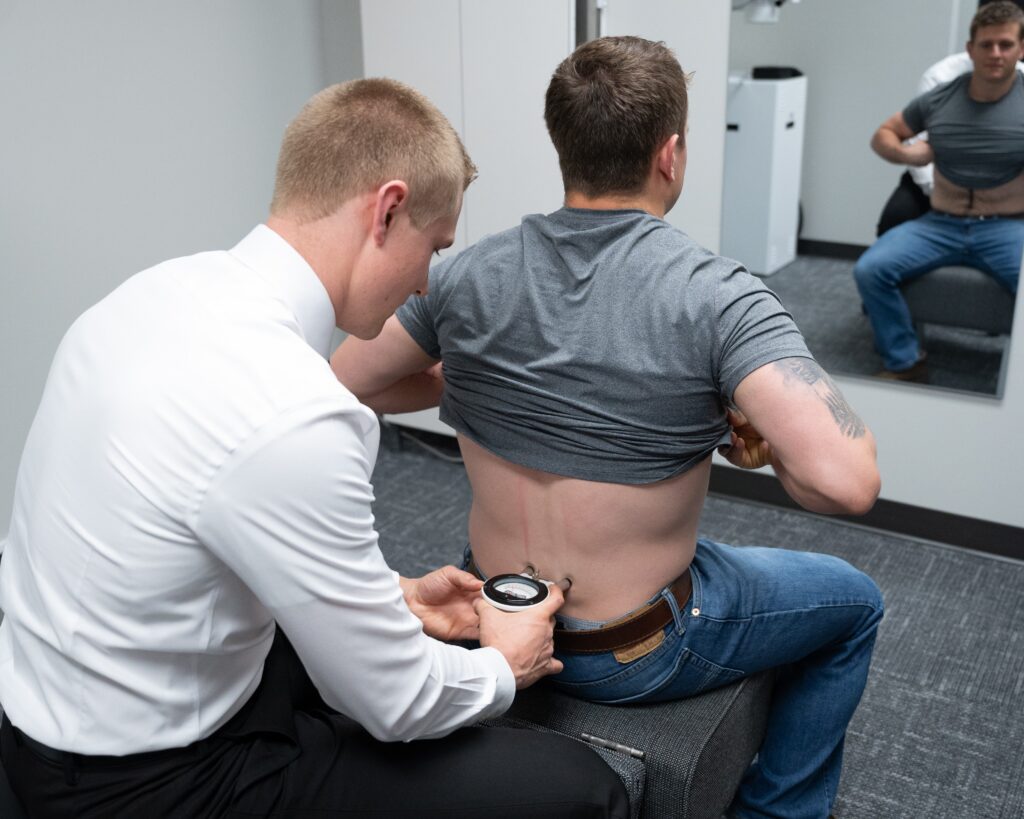

Good posture is essential for your overall health and comfort, and it can significantly affect how you feel each day. Many people don’t realize that their daily habits, such as slouching at a desk or looking down at a phone, can lead to pain and discomfort. As a local chiropractor, I want to share some simple ways to improve your posture and alleviate pain naturally.
First, take a moment to evaluate your current posture. Are you sitting up straight, or are you hunched over? Small changes can make a big difference. Ensure your workstation is ergonomically designed; your computer screen should be at eye level, and your chair should support your lower back. If you’re sitting for long periods, try to take regular breaks to stretch and move around.
Incorporating specific exercises into your routine can also help. Focus on strengthening your core muscles, as they play a crucial role in supporting your spine. Simple activities like planks, bridges, or even walking can enhance your overall flexibility and strength.
Another important aspect of maintaining good posture is being mindful of how you carry your body throughout the day. Whether you’re standing, sitting, or walking, focus on keeping your shoulders back and your head aligned over your spine.
If you’re experiencing pain, chiropractic care is one of the best ways to address it naturally. A chiropractor can help assess your posture and develop a personalized treatment plan that may include spinal adjustments and specific exercises tailored to your needs.
Remember, improving your posture isn’t just about looking good—it’s about feeling good too! By making these adjustments and considering chiropractic care, you can take significant steps toward a healthier, more comfortable life. Let’s work together to help you achieve optimal health through natural healing and wellness.
Key Takeaways
- Regularly check your posture by using mirrors or simply being mindful of how you sit and stand throughout the day. Catching any issues early can help you maintain a healthy spine and prevent discomfort.
- Create an ergonomic workspace that promotes proper posture. Ensure your chair is at the right height, your monitor is at eye level, and that frequently used items are within easy reach to minimize strain on your body.
- Strengthening your core is key to maintaining good posture. Incorporate simple exercises like planks and bird-dogs into your routine. These movements help support your spine and enhance stability, making it easier to hold a healthy posture.
- Don’t forget to stretch! Daily stretching can help loosen tight muscles, especially in areas like your neck and hip flexors. This will improve your flexibility and relieve tension, contributing to better overall posture.
- Use mindfulness techniques, such as body scans, to become more aware of your posture throughout the day. This practice can help you notice discomfort sooner and make adjustments, promoting a more comfortable and healthy lifestyle.
Remember, chiropractic care is a fantastic way to support your journey towards optimal health and wellness. Regular adjustments can help align your spine, alleviate pain, and encourage better posture, empowering you to live your best life naturally.
Understanding the Importance of Good Posture
Good posture isn’t just about standing tall; it’s a crucial component of your overall health and well-being. When you maintain proper alignment, you support your spine and reduce unnecessary strain on your muscles and ligaments. This correct posture can help prevent discomfort in your back, neck, and shoulders, allowing you to move more freely and comfortably throughout your day.
One of the lesser-known benefits of good posture is its positive impact on your breathing. By keeping your chest open and your diaphragm working effectively, you enable your body to take in more oxygen. This not only boosts your energy levels but also enhances your focus, making it easier to tackle your daily tasks.
Furthermore, standing or sitting correctly can significantly enhance your confidence. Good posture makes you appear more approachable and self-assured, which can benefit both your personal and professional life. It’s not just about looks; how you carry yourself influences your mental and emotional state.
As a chiropractor, I encourage you to prioritize your posture. Simple practices such as being mindful of your alignment while sitting at your desk or taking breaks to stretch can lead to substantial improvements in your well-being.
Regular chiropractic adjustments can also support your posture by ensuring your spine is properly aligned, which helps you maintain balance and flexibility.
Investing in your posture through chiropractic care isn’t just about relieving pain; it’s about fostering a healthier, more active lifestyle. By taking these steps, you’re setting the stage for a vibrant and fulfilling life.
Assessing Your Current Posture
How can you determine if your posture is on point? A great starting point is to stand against a wall, ensuring that your heels, buttocks, shoulders, and head are all making contact with it. If you can hold this position comfortably, that’s a good sign that your posture is generally aligned.
Next, take a look in a mirror; your ears should align with your shoulders, and your hips should be level. If you notice that your head is jutting forward or your shoulders are rounding, these are indicators that it may be time to make some adjustments.
When you’re sitting, it’s important to assess the natural curve of your spine. Ideally, your lower back should maintain a slight inward curve without excessive slouching. Pay attention to how you feel; if you often experience tension or discomfort in your neck, back, or shoulders, it could be a sign that your posture isn’t where it needs to be.
Regularly checking in on your posture is key to catching any issues early on. Poor posture can lead to a host of problems over time, but chiropractic care can help. By ensuring that your spine is aligned correctly, you can alleviate pain and promote overall wellness.
Remember, your body deserves to be properly aligned, and a chiropractor can guide you on your journey to optimal health and natural healing.
Here are some quick tips for better posture:
- When sitting, keep your feet flat on the floor and your back supported.
- Take breaks to stand and stretch, especially if you’re sitting for long periods.
- Be mindful of your head position; try to keep it aligned over your shoulders.
- Consider scheduling regular chiropractic check-ups to maintain your spinal health.
Ergonomic Workstation Setup
Creating an ergonomic workstation isn’t just about comfort; it’s also a crucial step in maintaining your spine’s health and overall well-being. As a chiropractor, I want to emphasize the importance of good posture to prevent discomfort and support your body during those long hours of work.
Start by adjusting your chair so that your feet rest flat on the floor, with your knees forming a 90-degree angle. It’s vital that your back is supported by the chair’s lumbar feature, helping to maintain the natural curve of your spine. This simple adjustment can significantly reduce strain on your back.
Next, position your desk at elbow height. This will allow your arms to rest comfortably while typing, minimizing tension in your shoulders and neck. Remember, the right desk height is key to avoiding the dreaded “computer hunch.”
Your monitor should be at eye level and about an arm’s length away. This setup helps reduce neck strain, which is often a source of discomfort for many. If you use a laptop, consider investing in a stand to elevate the screen. Pair it with an external keyboard and mouse to keep everything aligned and reduce the risk of repetitive strain injuries.
Finally, organize your workspace so that frequently used items are within easy reach. This will prevent unnecessary twisting or straining, which can lead to discomfort and misalignment of your spine.
By implementing these ergonomic adjustments, you’ll create a workspace that not only supports good posture but also promotes your overall health.
Remember, chiropractic care is an excellent way to address any existing discomfort and maintain optimal spinal health. With the right setup and regular chiropractic adjustments, you can work pain-free and focus on achieving your goals.
Prioritize your well-being and take these steps toward a healthier, more supportive workspace.
Exercises to Strengthen Postural Muscles
Even with an ergonomic workstation, strengthening your postural muscles is vital for maintaining proper alignment and minimizing discomfort. As a chiropractor, I believe that incorporating specific exercises into your daily routine can greatly enhance your spinal health and overall well-being.
One excellent exercise to consider is the plank. This foundational move engages your core, shoulders, and back, helping to support your spine. Start by holding the plank position for 20 seconds, gradually increasing the duration as your strength improves. This won’t only strengthen your muscles but also promote better posture.
Another beneficial exercise is the wall angel. To perform this, stand with your back against a wall and raise your arms to form a “W” position. Slowly slide your arms up the wall to create a “Y,” maintaining contact throughout. This simple yet effective movement can improve shoulder mobility and reinforce a healthy posture, allowing your spine to align better.
Bird-dogs are another fantastic exercise for enhancing stability and coordination. Begin on your hands and knees, extend one arm forward while simultaneously extending the opposite leg back. After a moment, switch sides. This exercise not only strengthens your core but also supports your spine’s alignment, making it a great addition to your routine.
Lastly, don’t forget about bridges. While lying on your back with your knees bent, lift your hips toward the ceiling, engaging your glutes and lower back. Aim for three sets of 10-15 repetitions. This exercise is excellent for strengthening the muscles that support your spine, promoting better posture and reducing the risk of discomfort.
Remember, integrating these exercises into your daily routine can be an excellent complement to chiropractic care. They work hand-in-hand to help you achieve optimal health and wellness naturally.
Always listen to your body and consult with your chiropractor for personalized advice tailored to your specific needs. Together, we can pave the way to a healthier, more aligned you!
Stretching Techniques for Flexibility
While strengthening your postural muscles is crucial for overall wellness, incorporating stretching techniques into your daily routine is equally vital for enhancing flexibility and ensuring optimal spinal health. Stretching not only helps relieve tension in your muscles but also improves your range of motion, making it easier to maintain good posture throughout your day-to-day activities.
Here are some effective stretching techniques that can support your flexibility and overall well-being:
- Chest Stretch: Stand tall, clasp your hands behind your back, and gently pull your shoulders back. This helps open up your chest and counteracts the slouching that often comes from sitting too long.
- Neck Stretch: Tilt your head to one side, bringing your ear toward your shoulder, and hold for a few seconds. This stretch can help alleviate tension in your neck, promoting better spinal alignment.
- Hamstring Stretch: Sit on the floor with one leg extended. Reach for your toes to feel a gentle stretch. This not only improves flexibility in your hamstrings but also supports your lower back.
- Hip Flexor Stretch: Lunge forward with one leg, keeping your back knee on the floor, and gently push your hips forward. This stretch is excellent for relieving tightness in the hips, which can affect your posture.
- Upper Back Stretch: Interlace your fingers and push your hands forward, rounding your upper back. This can help relieve tension in the upper back and promote better spinal health.
Incorporating these stretches into your routine can greatly improve your flexibility and support better posture, which is essential for maintaining a healthy spine.
Remember, regular chiropractic care can also play a crucial role in your journey toward optimal health. It helps to ensure that your spine is properly aligned, which can enhance the benefits of your stretching routine and promote overall wellness.
Embrace these simple techniques and consider chiropractic care as a natural way to achieve pain relief and support your body’s healing process.
Mindfulness and Posture Awareness
Being mindful of your posture is crucial for maintaining your overall well-being, and it can significantly enhance your quality of life. As a chiropractor, I encourage you to incorporate a body scan technique to evaluate how your body feels throughout the day. This simple practice not only helps you become more aware of your posture but also allows you to identify areas that may need attention.
Make it a habit to check in on your posture regularly. Are your shoulders slumped? Is your head jutting forward? These small adjustments can lead to lasting improvements in how you carry yourself and can prevent discomfort or pain.
Remember, proper posture supports your spine and nervous system, which are essential for optimal health. Consider visiting a chiropractor to learn more about how spinal alignment affects your overall wellness. Chiropractic care focuses on natural healing and pain relief without the need for medications or surgery. With regular adjustments, you can improve your posture, enhance your mobility, and achieve a healthier lifestyle.
Here are a few tips to help you maintain good posture throughout the day:
- Sit Up Straight: Whether you’re at a desk or in your car, keep your back straight and shoulders relaxed.
- Take Breaks: Stand up and stretch every hour to relieve tension and reset your posture.
- Use Ergonomic Furniture: Invest in chairs and desks that support proper alignment.
- Strengthen Your Core: Engage in exercises that strengthen your abdominal and back muscles to support your spine.
Body Scan Technique
The Body Scan Technique is a valuable mindfulness practice that can greatly enhance your awareness of posture, which is essential for maintaining a healthy spine. By focusing on different parts of your body, you can identify areas of tension and misalignment that may lead to discomfort or pain.
Here’s how to effectively practice this technique to support your overall wellness:
- Create a Calm Environment: Find a quiet space where you can sit or lie down comfortably without distractions.
- Center Yourself: Close your eyes and take a few deep breaths, allowing your body to relax and your mind to settle.
- Start from the Ground Up: Begin at your toes, paying close attention to any sensations or tightness you might feel. This awareness is the first step in understanding your body’s needs.
- Move Upward: Gradually shift your focus through your legs, hips, back, shoulders, and head. Notice how each area feels and if there are any spots that feel especially tense or uncomfortable.
- Reflect on Your Findings: After you’ve scanned your entire body, take a moment to reflect on any changes in your awareness or posture. This insight can guide you in making adjustments to improve your spinal health.
Practicing the Body Scan Technique can’t only promote relaxation but also help you cultivate better posture throughout your day.
Remember, good posture is crucial for spinal health, and aligning your body properly can alleviate pain and discomfort.
Incorporating regular mindfulness practices like this can complement your chiropractic care, enhancing your journey towards natural healing and optimal health.
Always listen to your body; it has a lot to tell you about your well-being!
Daily Posture Check-ins
Practicing the Body Scan Technique is a fantastic way to boost your awareness of how your body feels in various positions, making it easier to incorporate daily posture check-ins into your routine.
As a chiropractor, I encourage you to set aside a few moments each day to pause and assess your posture. Start by standing or sitting up straight, feeling the alignment of your spine and shoulders. Pay attention to any tension or discomfort you may feel, and make adjustments as needed.
You can easily integrate these check-ins into your day—whether you’re working at your desk, taking a walk, or enjoying a break. To help you remember, consider using simple reminders, like phone alerts or sticky notes, to prompt these posture assessments.
Over time, this mindfulness practice will help you identify poor posture habits and encourage healthier alignment. This is crucial not only for reducing pain but also for enhancing your overall well-being.
Chiropractic care plays an essential role in achieving optimal health and wellness. By focusing on the alignment of your spine, you can alleviate discomfort and promote natural healing.
Remember, your awareness is key to lasting change, and by incorporating these daily posture checks, you’re taking an important step toward a healthier lifestyle. For any persistent pain or discomfort, don’t hesitate to consult with your chiropractor for personalized guidance and support.
Together, we can work towards a pain-free and vibrant life!
Tips for Maintaining Good Posture Throughout the Day
To maintain good posture throughout your day, it’s essential to create an ergonomic workspace that supports your spine’s natural alignment. This means adjusting your chair, desk, and computer screen to promote a healthy posture.
Additionally, incorporating mindful movement practices, such as regular stretching and short breaks, can enhance your awareness of body alignment and help you make necessary adjustments.
As a chiropractor, I emphasize the importance of maintaining a strong spinal structure for overall health and wellness. Regular chiropractic care can help keep your spine aligned, reducing discomfort and improving your posture over time.
Simple changes like being mindful of your posture, using supportive furniture, and staying active can lead to a more comfortable and aligned daily routine.
Remember, your spine plays a crucial role in your overall health, and prioritizing its care can lead to better well-being.
If you’re experiencing pain or discomfort, consider visiting a chiropractor who can provide personalized care and guidance tailored to your needs.
Ergonomic Workspace Setup
Creating an ergonomic workspace is crucial for maintaining good posture and overall spinal health throughout your day. When your environment encourages proper alignment, you’ll not only feel more comfortable but also reduce strain on your body, which can help prevent pain and discomfort.
As a chiropractor, I want to share some simple tips to help you set up your workspace effectively for optimal health and wellness:
- Monitor Positioning: Place your monitor at eye level. This helps to avoid neck strain and keeps your spine in a neutral position, reducing the risk of discomfort.
- Chair Selection: Choose a chair that provides support for your lower back. Ensure that your feet can rest flat on the floor, which helps maintain proper alignment of your spine.
- Keyboard and Mouse Placement: Keep your keyboard and mouse close to your body. This minimizes the need to reach, which can lead to shoulder tension and discomfort over time.
- Desk Height: Adjust your desk height so that your elbows can remain at a 90-degree angle while typing. This prevents strain on your arms and shoulders, contributing to a healthier posture.
- Regular Breaks: It’s essential to take regular breaks to stand, stretch, and reset your posture. This not only helps relieve tension but also promotes better circulation and overall wellness.
By incorporating these ergonomic tips into your workspace, you’ll not only enhance your comfort but also support your spinal health.
Mindful Movement Practices
While it may be tempting to remain seated for long periods, incorporating mindful movement practices into your daily routine can significantly enhance your posture and overall well-being. As a chiropractor, I encourage you to take short breaks every hour to stand, stretch, or walk around.
Simple movements, such as shoulder rolls or neck stretches, can help relieve tension and keep your spine aligned. Engaging in mindful practices like yoga or tai chi can further promote an awareness of body mechanics and encourage fluid movement, which is essential for maintaining a healthy spine.
When walking, be mindful of your posture; keep your head up, shoulders relaxed, and engage your core. Even while sitting, remember to shift your weight occasionally and adjust your position to avoid stiffness.
By being aware of how you move throughout the day, you can’t only improve your posture but also reduce discomfort and enhance your overall health.
Conclusion
Improving your posture and alleviating pain can truly transform your life, and as a local chiropractor, I’m here to guide you on this journey. With consistent effort, you can make a significant difference in how you feel. Start by evaluating your posture—are you slouching or leaning forward? Proper alignment is key to reducing strain on your spine.
Setting up an ergonomic workspace is another crucial step. Ensure your chair supports your lower back, and your computer screen is at eye level. This simple adjustment can prevent discomfort and promote better posture throughout the day.
Incorporating gentle strengthening exercises and stretches into your routine can also support your spine’s health. Focus on exercises that strengthen your core and back muscles, as these are vital for maintaining good posture. Simple stretches can relieve tension and improve flexibility.
Mindfulness is an important tool as well. Being aware of your posture throughout the day can help you make adjustments before pain sets in. Try setting reminders on your phone to check in with your alignment regularly.
Chiropractic care is an excellent way to support your journey toward optimal health. Regular adjustments can help align your spine, reduce pain, and improve your overall well-being. By integrating these strategies into your daily routine, you’ll not only feel better but also enhance your quality of life. Remember, small changes can lead to significant improvements, so keep at it!