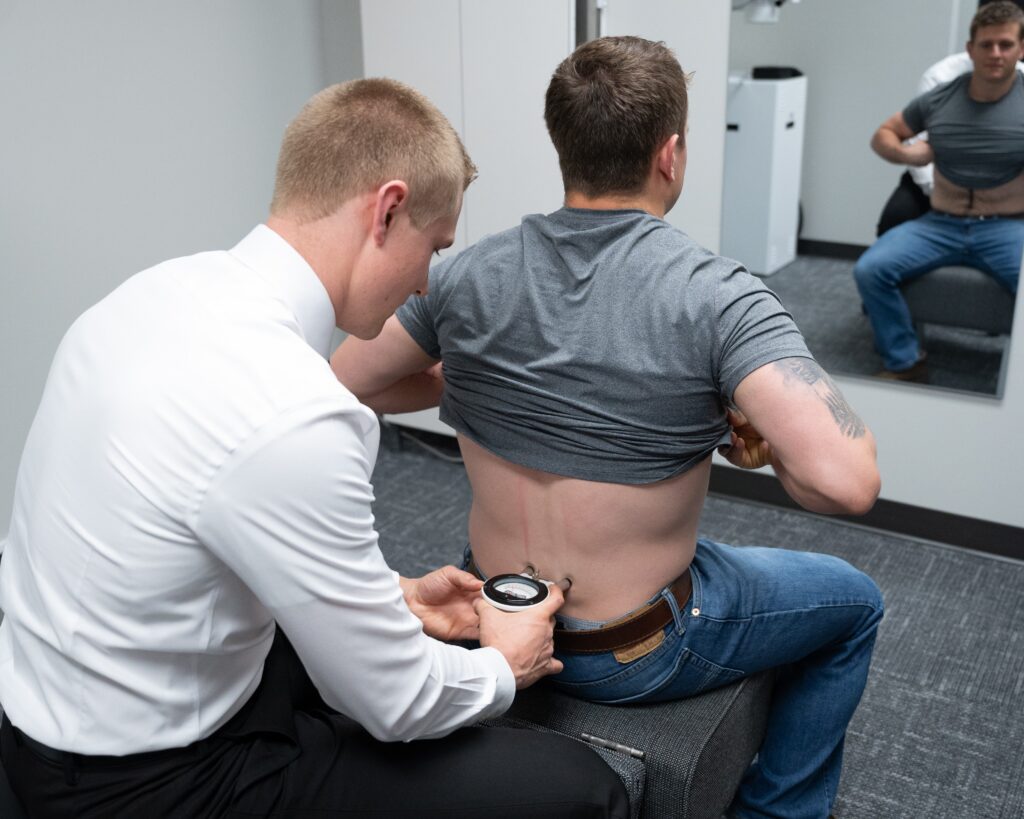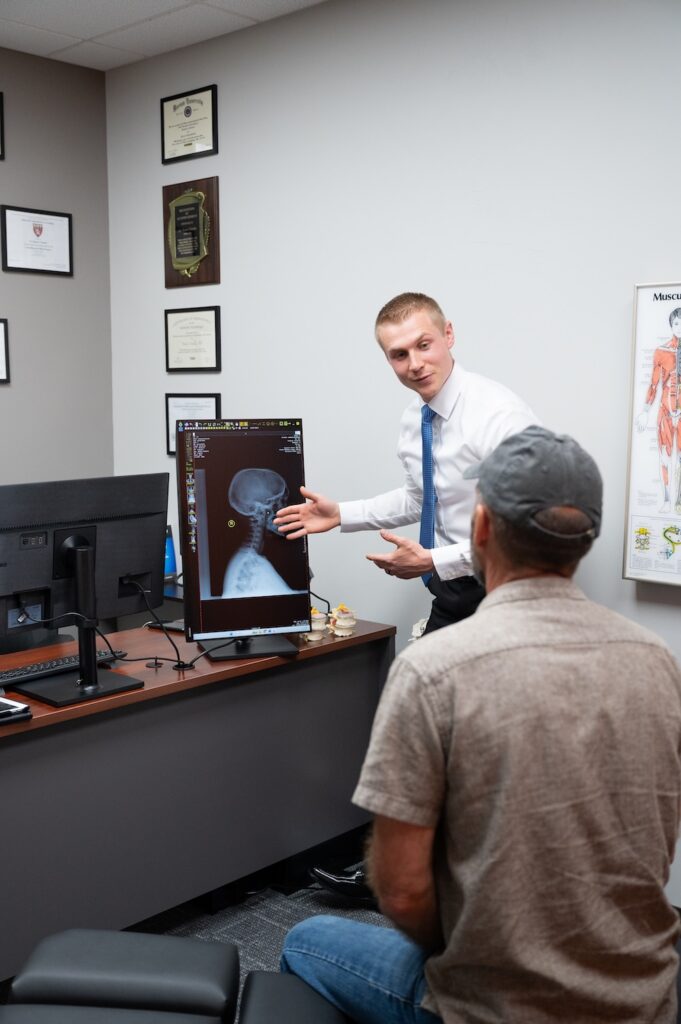

As a local chiropractor, I want to reassure you that if you're experiencing prenatal back pain, you're certainly not alone. Many expectant mothers face this challenge, but the good news is that there are natural ways to alleviate this discomfort. One of the most effective approaches involves incorporating gentle exercises and targeted stretching techniques to help strengthen your core and enhance flexibility, which can lead to significant relief.
In addition to physical activity, it's important to consider how your posture impacts your back pain. Maintaining proper posture can make a considerable difference in your comfort levels. I also encourage the integration of mindfulness practices into your daily routine, as they can help you stay relaxed and centered during this transformative time.
Moreover, there are specific tools and techniques that can enhance your well-being. For instance, supportive pillows, heat therapy, and even prenatal yoga can provide added comfort. Exploring these natural options alongside chiropractic care can create a comprehensive plan to support your health during pregnancy. Together, we can work towards improving your overall well-being and reducing your discomfort naturally.
Understanding Prenatal Back Pain
As a local chiropractor, I often see expecting mothers who are navigating the common challenge of prenatal back pain. As your body undergoes significant changes to support your growing baby, it's not unusual to experience discomfort, especially in the lower back. This pain can arise from a variety of factors, such as hormonal shifts, weight gain, and changes in your center of gravity. Understanding these causes is key to effectively managing your discomfort.
One of the primary players in this process is relaxin, a hormone that your body produces to prepare your pelvis for childbirth. While this hormone is essential for a successful delivery, it can also lead to ligament looseness, which may result in instability in your spine and pelvic region, contributing to that nagging pain.
As your belly expands, the added weight can create additional strain on your back muscles, making everyday activities like sitting, standing, or bending more difficult.
Posture is another crucial factor to consider. With the extra weight of your baby bump, you may find yourself unconsciously adjusting your posture to cope, which can lead to muscle tension and discomfort. Additionally, the emotional and physical stresses of pregnancy can heighten back pain, as your body balances these demands.
It's important to recognize the signs of prenatal back pain. If you experience sharp or persistent discomfort, I encourage you to consult with me or another healthcare provider. We can work together to identify the underlying causes and develop a personalized plan for relief.
This may include gentle chiropractic adjustments, targeted exercises, and natural healing techniques to help you navigate your pregnancy more comfortably. By understanding these aspects, you can take proactive steps to manage your prenatal back pain and enhance your overall well-being during this special time.
Benefits of Gentle Exercise
As a chiropractor, I want to emphasize the importance of gentle exercise during pregnancy. Engaging in this type of activity can significantly enhance your flexibility and strength, which is crucial as your body undergoes various changes.
Staying active not only helps you adapt to these physical shifts but also promotes better mood and energy levels, allowing you to maintain a more positive outlook throughout your pregnancy journey.
Moreover, gentle exercise can play a vital role in alleviating prenatal back pain, an issue many expectant mothers face. By incorporating gentle movements into your routine, you can help support your spine and overall musculoskeletal health.
Let's discuss how these benefits can truly make a difference for you and contribute to a healthier pregnancy experience.
Improved Flexibility and Strength
As a local chiropractor, I want to emphasize the importance of incorporating gentle exercise into your daily routine, especially during pregnancy. This practice can significantly enhance your flexibility and strength—two vital components for effectively managing prenatal back pain.
As your body undergoes changes throughout pregnancy, maintaining flexibility is crucial for alleviating tension in your back and hips, while strength plays a key role in promoting better posture and stability.
Engaging in activities like prenatal yoga, swimming, or gentle stretching can greatly improve your range of motion and activate your core muscles. These exercises not only help you adapt to your growing belly, but they also condition the muscles that support your spine. By strengthening your core, you can reduce the risk of experiencing strain that often leads to back pain.
Furthermore, focusing on your pelvic floor muscles through gentle exercises can provide additional support for your lower back. As you build strength and flexibility, you'll likely find it easier to carry out daily activities without discomfort.
It's essential to listen to your body and make modifications to exercises as needed. With consistent effort, you'll notice significant improvements in your overall physical well-being, making your pregnancy journey more enjoyable and less painful.
Embracing gentle exercise is a proactive step toward achieving a healthier back and a smoother experience during this transformative time. If you have any questions or need guidance on specific exercises, feel free to reach out. Your well-being is our priority!
Enhanced Mood and Energy
As a local Chiropractor, I want to share with you the incredible benefits of engaging in gentle exercise, especially during pregnancy. Incorporating activities like walking, prenatal yoga, or swimming into your daily routine can significantly enhance your mood and energy levels.
When you participate in these gentle exercises, your body releases endorphins, often referred to as "feel-good" hormones. This natural boost can elevate your spirits and help alleviate feelings of anxiety or depression that some expectant mothers may experience.
Beyond lifting your mood, gentle exercise also supports your overall energy levels. As your body undergoes various physical changes throughout pregnancy, it's common to feel fatigued. However, regular movement can improve circulation, ensuring that oxygen and nutrients are efficiently delivered to both you and your developing baby.
This increase in blood flow not only helps you feel more energized but also promotes better overall health. Additionally, engaging in exercise offers a sense of accomplishment, further enhancing your self-esteem and mood. You're not merely preparing your body for childbirth; you're actively investing in your emotional well-being.
It's crucial to listen to your body and choose exercises that feel good for you. This mindful approach will make it easier to stay motivated and engaged in your routine.
At our practice, we believe that prioritizing gentle exercise is a simple yet powerful way to uplift your mood and boost your energy during this transformative time. Remember, taking care of your physical health can have a profound impact on your emotional well-being.
If you have any questions or need guidance on how to incorporate exercise safely, feel free to reach out—we're here to support you on your journey!
Effective Stretching Techniques
As a local chiropractor, I want to share how effective stretching techniques can significantly alleviate your prenatal back pain. Incorporating gentle stretches into your routine can make a world of difference in your comfort and well-being.
Two excellent options to consider are the Gentle Cat-Cow Stretch and the Seated Forward Bend.
These stretches aren't just about relieving tension; they also promote flexibility, which is essential during pregnancy. By practicing these movements regularly, you can help support your body as it goes through these changes, leading to increased comfort and a more enjoyable experience.
Gentle Cat-Cow Stretch
As a chiropractor, I often recommend the Gentle Cat-Cow Stretch to my patients, especially those experiencing prenatal back pain. This stretch is an excellent way to promote flexibility in your spine while relieving tension, making it ideal for anyone looking to enhance their overall well-being naturally.
To perform the Gentle Cat-Cow Stretch, start by getting into a tabletop position on your hands and knees. Ensure your wrists are directly under your shoulders and your knees are aligned with your hips.
As you inhale, arch your back, allowing your belly to drop toward the floor while lifting your head and tailbone toward the ceiling—this is known as the Cow position. Take a moment to hold this position and feel the beneficial stretch along your spine.
Next, as you exhale, round your back by tucking your chin to your chest and drawing your belly button toward your spine—this is the Cat position. Hold this position briefly, focusing on the stretch in your upper back, which can help alleviate discomfort.
I recommend repeating this sequence for five to ten cycles, coordinating your movements with your breath. This gentle flow not only helps relieve discomfort but also fosters relaxation, which is essential for your overall health.
Always listen to your body; if something doesn't feel right, it's important to stop and adjust. Incorporating this stretch into your daily routine can significantly enhance how you feel, and it complements the benefits of chiropractic care.
Seated Forward Bend
As a chiropractor, I often see patients seeking relief from prenatal back pain, and one of the effective stretches I recommend is the Seated Forward Bend. This gentle pose can significantly assist in releasing tension in your back and hamstrings while promoting a sense of relaxation.
To perform the Seated Forward Bend, start by sitting comfortably on the floor with your legs extended straight in front of you. Ensure your feet are flexed and positioned hip-width apart. Begin by taking a deep breath in, which will help lengthen your spine. As you exhale, gently hinge forward from your hips.
It's crucial to focus on leading with your chest rather than your head. Keeping your back as straight as possible during this stretch is essential for maximizing its benefits. Depending on your level of flexibility, you can rest your hands on your thighs, shins, or feet. If reaching your feet feels out of reach, that's absolutely fine—just go as far as is comfortable for you.
Hold this position for 15 to 30 seconds while breathing deeply. During this stretch, visualize the tension in your lower back dissipating. As you exhale, imagine the tightness melting away, creating space for relief and relaxation.
I encourage you to incorporate this stretch into your daily routine, especially during times when you experience discomfort. The Seated Forward Bend can be a soothing addition to your self-care practices, supporting your journey towards natural healing and alleviating back pain effectively.
The Role of Posture
As a local chiropractor, I want to emphasize the importance of maintaining proper posture during pregnancy, as it plays a crucial role in your back health. As your baby grows, the added weight shifts your center of gravity, making it essential to be conscious of your body alignment. Good posture not only eases strain on your back but also enhances circulation and helps combat fatigue.
Here are three compelling reasons why you should prioritize proper posture during this special time:
- Reduced Pain: By keeping your spine aligned, you help distribute weight more evenly across your body. This alignment minimizes stress on your back muscles, potentially leading to a significant reduction in discomfort and pain. A chiropractor can guide you on effective postural techniques tailored to your unique needs.
- Improved Breathing: Maintaining good posture opens up your chest, allowing for deeper, more effective breathing. This is particularly beneficial as your baby grows and may press against your diaphragm. By enhancing oxygen flow, you can boost your overall well-being, which is vital for both you and your developing baby.
- Enhanced Digestion: Sitting or standing with proper posture can promote better digestion by preventing compression of your internal organs. This simple adjustment can alleviate common pregnancy issues such as heartburn and bloating, allowing you to feel more comfortable.
To practice good posture, I encourage you to consciously sit up straight and engage your core muscles. When standing, make sure to distribute your weight evenly on both feet and avoid locking your knees.
Remember, even small adjustments can lead to significant improvements. By prioritizing your posture, you're not only taking proactive steps to alleviate prenatal back pain but also supporting your body through this transformative journey.
If you have any questions or need personalized guidance, feel free to reach out—I'm here to help you navigate your pregnancy with comfort and ease.
Mindfulness and Relaxation
As a local chiropractor, I want to share how embracing mindfulness and relaxation techniques can significantly alleviate prenatal back pain and improve your overall well-being during your pregnancy journey.
When you practice mindfulness, you bring your attention to the present moment, which enhances your awareness of your body and its needs. This heightened awareness can help reduce tension and stress, both of which are common contributors to back pain during pregnancy.
One of the simplest yet most effective practices you can incorporate into your daily routine is deep breathing exercises. Find a comfortable position, whether sitting or lying down, close your eyes, and focus on your breath. Inhale deeply through your nose, allowing your abdomen to expand fully, then exhale slowly through your mouth. This practice won't only calm your mind but also help relieve muscle tension that may be contributing to your discomfort.
Meditation is another powerful tool for promoting relaxation. You don't need to dedicate a lot of time; even a few minutes each day can yield positive results. Find a quiet space, focus on your breath, and gently let go of any distracting thoughts. If you prefer guided meditations, there are many specifically designed for pregnant women that can enhance your connection with your baby while providing relaxation.
Gentle yoga is also an excellent option for pregnant women. I recommend seeking out prenatal yoga classes or online videos that emphasize relaxation and stretching. These movements can help alleviate back pain while fostering mindfulness and a deeper awareness of your body.
Lastly, consider incorporating progressive muscle relaxation into your routine. This technique involves tensing and then relaxing each muscle group, starting from your toes and moving up to your head. It's a fantastic way to identify areas of tension in your body and promote overall relaxation, which can ultimately ease your back pain.
As your chiropractor, I encourage you to explore these mindfulness and relaxation techniques as part of your natural healing journey. They can complement chiropractic care and enhance your overall experience during pregnancy.
Using Heat and Cold Therapy
As a local chiropractor, I'm here to help you understand how incorporating heat and cold therapy can significantly alleviate prenatal back pain, enhancing your overall well-being during pregnancy.
These natural healing methods not only provide immediate comfort but also promote relaxation. Here's how you can effectively utilize these techniques:
1. Heat Therapy: Applying heat can work wonders by relaxing tight muscles and boosting blood flow. You might consider using a heating pad, a warm towel, or indulging in a warm bath.
It's crucial to ensure the temperature feels comfortable for you—avoid overheating, as pregnancy can make your body more sensitive to temperature changes.
2. Cold Therapy: On the other hand, cold packs can be your ally for reducing inflammation and numbing sharp pain. Simply wrap a cold pack in a towel and apply it to the affected area for about 15–20 minutes.
This method is particularly beneficial after any physical activity or extended periods of standing, helping to soothe discomfort.
3. Alternating Treatments: For some individuals, alternating between heat and cold can yield the best results. Begin with heat to loosen those tight muscles, then transition to cold to mitigate any swelling.
This combination can provide a deeply soothing experience and enhance relief.
Integrating heat and cold therapy into your routine can offer quick comfort and help you feel more at ease during your pregnancy.
Always listen to your body and adjust the temperature and duration of each treatment as needed.
If you have any concerns about using these therapies, please don't hesitate to reach out to your healthcare provider or myself for guidance.
Your health and comfort are our top priorities!
Supportive Tools and Gear
As a local chiropractor dedicated to helping expectant mothers navigate the discomforts of prenatal back pain, I want to share some valuable insights about supportive tools and gear that can significantly enhance your comfort during this special time.
First and foremost, consider investing in a quality maternity support belt. These belts offer gentle compression and support for your lower back and abdomen, which can alleviate the pressure that comes with your growing belly. Many of my patients report an immediate improvement in their stability and comfort levels during daily activities after using these belts.
Another fantastic option to explore is a pregnancy pillow. These specially designed pillows can support your body in various positions while you sleep or rest. By hugging a full-body pillow or placing a wedge pillow under your belly, you can relieve pressure on your spine and hips, paving the way for a more restful night's sleep.
Ergonomic furniture is also essential for your comfort. If you find yourself sitting for extended periods, it's crucial that your chair provides adequate support for your lower back. A small cushion or lumbar roll can provide that extra support you need.
Additionally, if you need to stand for long durations, wearing supportive shoes with cushioning and proper arch support can help minimize strain on your back.
I also encourage you to consider incorporating a yoga ball into your daily routine. Sitting on a yoga ball can promote proper posture and can even be beneficial for gentle exercises. This not only helps to strengthen your core but also supports your back, which is crucial during pregnancy.
By integrating these supportive tools and gear into your daily life, you can significantly reduce discomfort and enhance your overall experience throughout your pregnancy.
Conclusion
As a local chiropractor, I want to share some valuable insights on how you can naturally alleviate prenatal back pain. By incorporating gentle exercises and effective stretches into your routine, along with maintaining good posture, you can create a more comfortable environment for both you and your baby.
It's essential to understand the power of mindfulness and the use of supportive tools, such as pregnancy pillows or ergonomic chairs, to further enhance your well-being during this special time. Remember, prioritizing your health not only benefits you but also supports your baby's development.
Embracing these natural techniques can lead to a smoother and more enjoyable journey into motherhood. If you have any questions or would like personalized guidance, feel free to reach out. Your comfort and health are my top priorities!