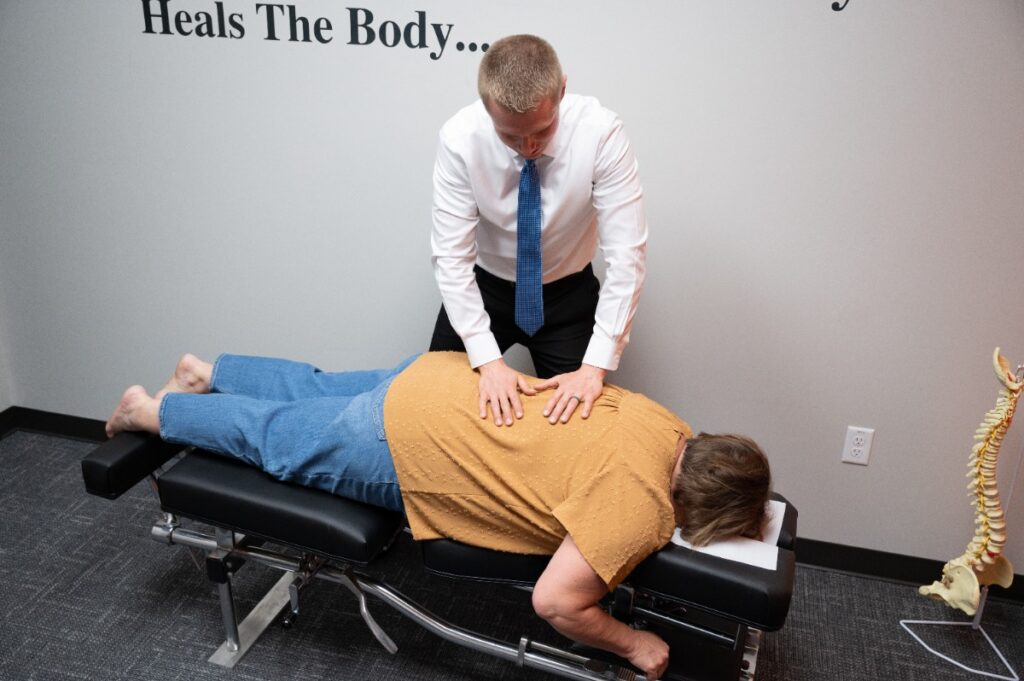
If you suffer from migraines, it’s crucial to understand how your neck health may contribute to your discomfort. Factors like poor posture, muscle tightness, and stress can all worsen headache symptoms. By prioritizing neck care, you may discover a pathway to relief. Understanding the link between your neck and migraines is just the start—let’s delve into effective strategies that can help you manage and reduce your pain naturally through chiropractic care.
Chiropractic care focuses on aligning the spine and improving overall wellness, which is essential for those struggling with migraines. Regular chiropractic adjustments can help alleviate tension in the neck and surrounding muscles, promoting better blood flow and reducing headache triggers.
Here are some simple tips to help ease neck tension and potentially reduce migraine frequency:
- Maintain Good Posture: Be mindful of your posture while sitting, standing, and using your devices. Keeping your head aligned over your spine can minimize strain on your neck.
- Stay Hydrated: Dehydration can trigger migraines. Make sure you drink plenty of water throughout the day to keep your body well-hydrated.
- Incorporate Gentle Stretches: Simple neck stretches can help relieve tightness. Try gently tilting your head to one side, holding for a few seconds, and then switching sides.
- Manage Stress: Stress is a significant contributor to migraines. Consider practicing relaxation techniques such as deep breathing, meditation, or yoga to help keep tension at bay.
- Regular Chiropractic Visits: Schedule regular check-ups with a chiropractor. They can help assess your neck health and provide tailored adjustments to improve your spinal alignment and reduce pain.
By focusing on neck care and incorporating these strategies into your routine, you can take significant steps toward alleviating migraines naturally. Chiropractic care stands out as a holistic approach to achieving optimal health and wellness. Remember, you don’t have to suffer in silence—consider reaching out to a chiropractor to explore how they can support your journey to a pain-free life.
Key Takeaways
- Focus on maintaining good posture and ergonomics throughout your day. This simple habit can significantly reduce neck tension and may help prevent migraine triggers from arising.
- Make it a routine to incorporate gentle neck stretches and shoulder rolls into your daily schedule. These exercises not only alleviate tightness but also enhance flexibility, promoting a healthier neck.
- Consider regular visits to a chiropractor for spinal adjustments. Our expert care addresses any misalignments in your spine, relieving nerve pressure that can contribute to migraines.
- Strengthening your core muscles is another effective way to support your neck health. A strong core helps maintain proper posture, reducing the strain on your neck and diminishing the likelihood of headaches.
- Keep an eye on your symptoms. If migraines persist and start affecting your daily activities, consult with a chiropractor. Together, we can explore natural solutions tailored to your needs and improve your overall well-being.
Remember, the journey to a healthier, pain-free life often begins with chiropractic care. Let’s work together to achieve your wellness goals!
Understanding the Link Between Neck Health and Migraines
When you think about migraines, neck health may not be the first thing that comes to mind, but there’s a significant link between the two. Your neck plays a crucial role in supporting your head and contains essential nerves and blood vessels that can influence headache development. Issues such as poor posture, muscle tension, and injuries in the neck area can lead to increased pain and discomfort, which might trigger migraines.
If you’re experiencing frequent headaches, take a moment to consider how your neck feels. Tight muscles or stiffness could be contributing to your migraine episodes. This is where chiropractic care can make a real difference. A chiropractor can help assess your neck health and provide tailored adjustments to improve alignment and relieve tension.
Additionally, you can incorporate some simple practices into your daily routine to boost your neck health. Here are a few tips to get you started:
- Practice Good Posture: Make a conscious effort to sit and stand up straight. Keeping your head aligned over your spine can help reduce strain on your neck.
- Take Frequent Breaks from Screens: If you spend long hours in front of a computer or looking at a phone, take regular breaks to stretch and move around. This can help reduce neck stiffness.
- Incorporate Gentle Stretches: Regularly stretching your neck can help relieve tension. Try gentle side-to-side tilts and forward and backward stretches to keep your muscles flexible.
- Stay Hydrated: Drinking plenty of water can help keep your muscles hydrated and prevent stiffness.
- Consider Chiropractic Care: Regular visits to a chiropractor can help maintain your neck health, alleviate pain, and reduce the frequency and intensity of migraines.
Remember, maintaining a healthy neck isn’t just about comfort; it plays an essential role in your overall well-being and can help you manage those pesky headaches effectively.
Prioritize your neck health, and embrace chiropractic care as a natural and effective way to achieve optimal health and wellness.
Common Neck Issues Contributing to Migraines
Did you know that common neck issues can significantly contribute to your migraine episodes? Many people overlook this connection, but problems in the neck can lead to tension and discomfort, making migraines even worse. By identifying and addressing these neck issues, you may find relief from your pain.
Here are some common neck issues that might be affecting you:
- Cervical Strain: This occurs when you overuse your neck muscles or use poor posture, leading to strain. This tension can trigger headaches. Simple changes like adjusting your workstation or practicing good posture can help prevent strain.
- Joint Dysfunction: Misalignments in the cervical spine can create pressure on nerves, which can lead to migraines. Regular chiropractic adjustments can help realign your spine, relieving pressure and reducing headache frequency.
- Tight Muscles: Stress and lack of movement can cause muscle tightness in your neck. Stretching regularly and incorporating gentle exercises can help loosen these muscles and prevent headaches from radiating to your head.
- Nerve Compression: Conditions like herniated discs or bone spurs can compress nerves in your neck, leading to severe headaches. Chiropractic care focuses on relieving this compression through spinal adjustments and improving your overall spinal health.
As a chiropractor, I encourage you to explore natural healing through chiropractic care. It’s a safe and effective way to address these neck issues, reduce pain, and promote overall wellness.
Additionally, consider these general tips:
- Stay Hydrated: Dehydration can worsen headaches, so make sure you’re drinking plenty of water throughout the day.
- Practice Good Posture: Be mindful of how you sit and stand. Maintaining a neutral spine can reduce the strain on your neck.
- Incorporate Stretching and Movement: Regular gentle stretches can alleviate muscle tightness and improve your range of motion.
- Manage Stress: Techniques like deep breathing, yoga, or meditation can help reduce stress and tension in your neck.
By focusing on these practices and seeking chiropractic care, you can take significant steps toward alleviating your migraines and achieving optimal health.
The Importance of Posture in Migraine Prevention
Your posture is crucial in preventing migraines, especially if you spend long hours at a desk. An ergonomic workstation is key to this; it helps you maintain a natural alignment of your spine, which can significantly reduce tension in your neck and shoulders.
As a local chiropractor, I encourage you to make small adjustments to your workspace, like ensuring your computer screen is at eye level and your chair supports your lower back.
In addition to setting up a comfortable workspace, incorporating stretching and strengthening exercises into your daily routine can work wonders. Simple neck stretches and shoulder rolls can relieve built-up tension, while strengthening exercises for your core can improve your overall posture and support your spine.
Practicing mindful sitting techniques is also beneficial. Pay attention to how you sit; keep your feet flat on the floor, your back straight, and your shoulders relaxed. This alignment not only helps keep headaches at bay but also promotes better overall health.
Remember, regular chiropractic adjustments can further support your posture and help prevent migraines by ensuring your spine is properly aligned.
Ergonomic Workstation Setup
Creating an ergonomic workstation is crucial for maintaining your overall health and well-being, especially when it comes to preventing migraines and other discomforts. Poor posture can lead to tension and strain in your neck and shoulders, but with a few adjustments, you can create a workspace that promotes spinal health and natural healing.
Here are some simple tips to help you set up your workstation effectively:
- Monitor Height: Place your screen at eye level. This helps keep your neck in a neutral position, reducing strain and discomfort. A well-aligned monitor can be a game-changer for your spinal health.
- Chair Support: Invest in a chair that offers good support for your lower back. Look for one that promotes the natural curve of your spine. This support can significantly reduce the risk of pain and encourage better posture throughout your day.
- Keyboard and Mouse Placement: Position your keyboard and mouse at elbow height. This alignment helps prevent wrist and shoulder discomfort, allowing for a more relaxed upper body while you work. Remember, an ergonomic setup isn’t just about comfort; it’s about protecting your spine!
- Foot Position: Keep your feet flat on the ground or use a footrest. This keeps your hips and knees at a proper angle, which is essential for maintaining good posture and reducing strain on your lower back.
By following these straightforward tips, you can create a workspace that not only minimizes discomfort but also supports your overall health.
Remember, chiropractic care is an excellent choice for maintaining optimal spinal health and addressing any pain you may experience. Regular adjustments can help ensure your spine remains aligned, giving you the best chance at a pain-free, healthier lifestyle.
Embrace these changes and take control of your well-being!
Stretching and Strengthening Exercises
Proper posture is crucial in preventing migraines, and incorporating stretching and strengthening exercises into your routine can significantly enhance your neck care. As a chiropractor, I encourage you to focus on exercises that specifically target your neck, shoulders, and upper back.
Simple neck stretches, such as gently tilting your head side to side or forward and backward, can effectively relieve tension and promote flexibility. Strengthening your upper back is equally important. Utilizing resistance bands or engaging in bodyweight exercises can help develop the muscles that support better posture, ultimately reducing strain on your neck.
It’s essential to create a balanced routine that includes both stretching and strength training, ideally performing these exercises a few times a week. By committing to these exercises, you’ll not only improve your posture but also cultivate a more resilient neck, which may help minimize the frequency and severity of your migraines.
Remember, consistency is key for achieving the best results. In addition to these exercises, consider scheduling regular chiropractic adjustments. Chiropractic care is a natural and effective way to promote spinal health and overall wellness.
We focus on aligning your spine to support your body’s natural healing processes and prevent discomfort. By integrating chiropractic care with your stretching and strengthening routine, you’ll be taking a proactive step towards optimal health and a migraine-free life.
Mindful Sitting Techniques
As a chiropractor, I understand that sitting at a desk for long hours can take a toll on your body, especially when it comes to your spine and overall wellness. Maintaining good posture is crucial not just for comfort, but also for preventing headaches and migraines, which can be triggered by tension in the neck and shoulders.
Here are some mindful sitting techniques that can help you stay aligned and support your health:
- Align your ears with your shoulders: Keeping your head in a neutral position can help reduce strain on your neck. This simple adjustment can make a big difference in how you feel throughout the day.
- Support your lower back: Choose a chair that provides lumbar support to maintain the natural curve of your spine. This support is vital in preventing discomfort and promoting proper alignment, which is essential for overall health.
- Keep your feet flat on the floor: Ensuring your feet are flat helps with circulation and reduces pressure on your legs. This small change can enhance your comfort and help maintain healthy posture.
- Take regular breaks: It’s important to stand up, stretch, and move around every hour. These breaks not only relieve tension but also keep your spine healthy and functioning optimally.
Remember, chiropractic care is an excellent way to support your spine and overall health. If you’re experiencing discomfort or headaches, consider visiting your local chiropractor for a personalized approach to wellness.
Effective Neck Stretching Exercises
Migraines can be incredibly overwhelming, but there is hope for relief through effective neck stretching exercises. As a chiropractor, I believe that incorporating these stretches into your routine can significantly reduce tension and improve mobility, potentially decreasing the frequency of your headaches. Here are some simple stretches to help ease discomfort and promote overall wellness:
| Stretch | Instructions |
|---|---|
| Neck Tilt | Sit or stand tall, gently tilt your head to one side, hold for 15 seconds, then switch sides. This helps release tightness in the neck muscles. |
| Chin Tuck | While sitting, tuck your chin towards your chest and hold for 10 seconds. This stretch helps align your spine and relieve pressure in your neck. |
| Shoulder Shrugs | Lift your shoulders towards your ears, hold for a few seconds, then relax them down. This simple movement can alleviate tension in your upper back and neck. |
Incorporating these stretches into your daily routine, especially during long periods of sitting, can make a significant difference. Not only do they help relieve tension, but they can also support your body’s natural healing processes. Remember to breathe deeply and listen to your body while performing these stretches!
Chiropractic care is an essential component of maintaining optimal health and wellness. Regular chiropractic adjustments can enhance spinal alignment, relieve nerve interference, and promote overall well-being. If you’re seeking a natural approach to managing migraines and improving your health, consider visiting your local chiropractor for personalized care and guidance. Together, we can work towards a healthier, pain-free life!
Strengthening Neck Muscles to Reduce Tension
In addition to stretching, strengthening your neck muscles is crucial for reducing tension and preventing migraines. A strong neck provides better support for your head, relieving pressure on surrounding muscles that often contribute to discomfort.
By incorporating strength exercises into your routine, you can make a significant difference in your overall neck health.
Here are some simple exercises you can try at home to strengthen your neck muscles:
- Isometric Exercises: Press your forehead against your palm and hold for a few seconds. This engages and strengthens your neck muscles without any movement, making it gentle yet effective.
- Resistance Band Workouts: Using resistance bands, you can perform lateral and backward neck movements. This helps promote neck strength and stability. If you’re not sure how to use bands, consider asking your chiropractor for guidance during your next visit.
- Shoulder Shrugs: Simply lift your shoulders toward your ears, hold for a moment, and then release. This exercise helps relax tight muscles and can be done anytime you feel tension building up.
- Neck Rotations: Gently turn your head from side to side. This not only strengthens the neck muscles but also improves flexibility, which is essential for overall neck health.
Remember, these exercises can be a great addition to your wellness routine, but they work best when combined with regular chiropractic care.
A chiropractor can provide personalized assessments and adjustments that enhance your strength training efforts, ensuring that your spine and neck are aligned and functioning optimally.
Ergonomic Adjustments for Neck Care
Ergonomic adjustments are crucial for maintaining neck health, particularly for those who spend long hours at a desk or in front of screens. As a chiropractor, I want to emphasize how these simple changes can help alleviate discomfort and promote better spinal alignment without the need for medications or surgeries.
Start by ensuring your chair offers proper support for your lower back. Ideally, your feet should rest flat on the floor, which helps maintain a good posture. Your computer screen should be positioned at eye level to prevent unnecessary strain on your neck. If you’re using a laptop, consider investing in a laptop stand or an external monitor to achieve this ideal height.
When it comes to your keyboard and mouse, keep them close enough so that your elbows are at a comfortable 90-degree angle, allowing your wrists to stay straight. This position reduces the risk of strain on your shoulders and neck.
Remember to take regular breaks—it’s essential to stretch and move around to relieve tension. Simple neck rolls or shoulder shrugs can work wonders.
Being mindful of your posture is equally important. Aim to keep your shoulders relaxed and avoid hunching over, which can lead to unnecessary discomfort. By incorporating these ergonomic adjustments into your workspace, you can create a more comfortable environment that supports your neck health.
Chiropractic care can play a significant role in enhancing your well-being. Regular chiropractic adjustments can help keep your spine aligned, reducing pain and promoting natural healing.
With the right care, you can achieve optimal health and enjoy a more comfortable, pain-free life. Remember, taking these simple steps today can lead to a healthier tomorrow!
Utilizing Heat and Cold Therapy for Relief
When you’re experiencing migraines, incorporating heat and cold therapy into your routine can significantly enhance your comfort and relief. As a chiropractor, I can tell you that heat therapy is fantastic for relaxing tense muscles that might be contributing to your pain.
On the other hand, cold therapy can help numb the pain and reduce any inflammation you might be feeling. To get the most out of these methods, consider alternating between heat and cold. For instance, you can apply a warm compress to your neck or shoulders to ease muscle tension and then follow it up with a cold pack on your forehead to help alleviate the throbbing sensation. This combination might just provide the relief you’re looking for.
Additionally, remember that chiropractic care plays a vital role in achieving optimal health and wellness. Regular chiropractic adjustments can help address the underlying issues that contribute to migraines, such as spinal misalignments and muscle tension.
By focusing on natural healing through chiropractic care, you can work towards a healthier, pain-free life. Here are a few general tips to keep in mind:
- Stay hydrated, as dehydration can trigger migraines.
- Maintain good posture, especially if you’re spending long hours at a desk.
- Incorporate stress-relief techniques like deep breathing, yoga, or meditation into your daily routine.
By combining heat and cold therapy with the benefits of chiropractic care, you’re taking proactive steps towards managing and reducing your migraines naturally.
Benefits of Heat Therapy
Heat therapy can be a fantastic natural method to help alleviate migraine discomfort. As a chiropractor, I often emphasize the importance of holistic approaches to health and wellness, and heat therapy is an excellent addition to your routine. By applying warmth to your neck and shoulders, you can promote muscle relaxation, improve blood circulation, and ease pain.
Here are some key benefits you can experience:
- Muscle relaxation: Heat therapy helps to soothe tight and tense muscles, which are often a trigger for migraines. Incorporating gentle stretches along with heat can further enhance relaxation.
- Increased blood flow: By improving circulation, heat can deliver more oxygen and vital nutrients to your neck and head, supporting the body’s natural healing processes.
- Pain relief: The comforting warmth can help dull pain signals sent to your brain. It’s a simple way to provide immediate relief without relying on medication.
- Stress reduction: Heat therapy encourages relaxation, which can lower stress levels. Since stress is a common migraine trigger, finding ways to relax can potentially reduce the frequency of your headaches.
Incorporating heat therapy into your daily routine, alongside regular chiropractic adjustments, can significantly enhance your overall well-being and pain management.
Remember, chiropractic care focuses on the spine and nervous system, which play a crucial role in your body’s health. By addressing any misalignments through chiropractic adjustments, you can further support your body’s natural ability to heal itself.
For those experiencing migraines, consider setting aside some time for heat therapy along with your chiropractic visits. A warm compress on your neck, a heating pad on your shoulders, or even a warm bath can work wonders.
It’s about finding what feels best for you and supporting your journey to wellness naturally.
Cold Therapy Techniques
Cold therapy techniques can be a wonderful complement to chiropractic care when managing migraines. By applying cold packs or ice to your neck, you can help constrict blood vessels, which may reduce inflammation and numb the pain. It’s a simple and natural approach that can provide relief without the need for medications or invasive procedures.
Here’s how you can incorporate cold therapy into your routine:
| Method | Duration |
|---|---|
| Ice pack | 15-20 minutes |
| Cold compress | 15-20 minutes |
| Frozen gel pack | 10-15 minutes |
| Cold washcloth | 10-15 minutes |
| Ice massage | 5-10 minutes |
To use these methods effectively, remember to place a cloth barrier between the ice and your skin to avoid frostbite. Experiment with these techniques to find what works best for you. Cold therapy can be a refreshing option when you need quick relief from migraine symptoms.
Additionally, consider discussing your migraine management with your chiropractor. They can provide tailored advice and treatment options to support your overall health and wellness. Chiropractic care focuses on natural healing and spinal health, which can help reduce the frequency and severity of migraines. Remember, your body has an incredible ability to heal itself, and with the right support, you can achieve optimal health.
Combining Both Methods
By incorporating both heat and cold therapy into your migraine management routine, you can maximize relief and effectively address various symptoms. Each method serves a unique purpose, and using them together can enhance your overall comfort and well-being.
Here are some helpful tips to consider:
- Start with cold therapy: Applying a cold pack or a cool cloth to your forehead can help numb the pain and reduce inflammation. This is especially useful in the early stages of a migraine.
- Follow up with heat: Once the initial pain has subsided, applying heat can work wonders. A warm compress or heating pad can relax tense muscles and improve circulation, which is essential for recovery.
- Alternate between the two: For a dynamic approach to relief, try alternating between cold and heat. This can help you find a rhythm that works for your body and provides the most relief.
- Listen to your body: Pay attention to how your body responds to each method. Adjust the duration and temperature to suit your preferences, ensuring you’re comfortable throughout the process.
Combining both heat and cold therapies allows you to address different aspects of a migraine, making it easier to discover what works best for you. This holistic approach can significantly enhance your experience and empower you to regain control over your well-being.
As a chiropractor, I also encourage you to consider how spinal health plays a role in overall wellness. Regular chiropractic care can help alleviate tension that may contribute to migraines and improve your body’s natural ability to heal.
When to Seek Professional Help for Neck-Related Migraines
When should you consider seeking professional help for neck-related migraines? If you’re experiencing frequent or severe migraines, it’s a good idea to consult a chiropractor. Persistent neck pain, especially when paired with migraines, shouldn’t be ignored, as it often points to underlying issues that can be addressed through natural healing methods.
If over-the-counter medications aren’t giving you relief, turning to a chiropractor can be a game changer. Chiropractic care focuses on aligning the spine and relieving tension in the neck, which may help alleviate your migraines without the need for medication or invasive procedures.
Be on the lookout for any unusual symptoms, such as numbness, weakness, or changes in your vision. These may indicate a more serious concern and warrant immediate attention. However, many migraine sufferers find that regular chiropractic adjustments can significantly reduce the frequency and intensity of their migraines.
If your migraines are affecting your daily life, work, or relationships, it’s definitely time to reach out to a chiropractic professional. They can assess your condition holistically, recommend personalized treatments, and guide you toward a healthier lifestyle.
In addition to chiropractic adjustments, consider incorporating some simple self-care practices. Regular stretching exercises, maintaining good posture, and staying hydrated can have positive effects on your neck health and overall well-being.
Conclusion
By prioritizing your neck health through chiropractic care, you can significantly reduce the frequency and intensity of your migraines. One of the key aspects of maintaining neck health is to ensure proper posture, both while sitting and standing. Good posture can alleviate unnecessary strain on your neck and spine, which can be a major contributor to migraine pain.
Incorporating regular stretching and strengthening exercises into your routine is also essential. Simple neck stretches can relieve tension and improve flexibility, while strengthening exercises can support your neck and upper back, reducing the risk of migraines. It’s important to listen to your body and avoid any movements that cause discomfort.
Additionally, making ergonomic adjustments in your workspace can make a big difference. Ensure that your computer screen is at eye level and that your chair supports your lower back. These adjustments can help maintain a healthy alignment of your spine and neck.
Don’t underestimate the effectiveness of heat and cold therapy. Applying a warm compress can relax tight muscles, while a cold pack can help reduce inflammation and numb pain. Both methods can provide significant relief when you’re experiencing a migraine.
If you continue to struggle with migraines despite these self-care strategies, seeking professional chiropractic care is a great option. A chiropractor can assess your spine and neck, provide personalized treatment plans, and help you achieve optimal spinal health.
By taking these proactive steps and integrating chiropractic care into your wellness routine, you’ll not only alleviate neck discomfort but also enhance your overall well-being, leading to a healthier, more pain-free life. Remember, your health is your wealth, and prioritizing your neck health can have a profound impact on your quality of life.