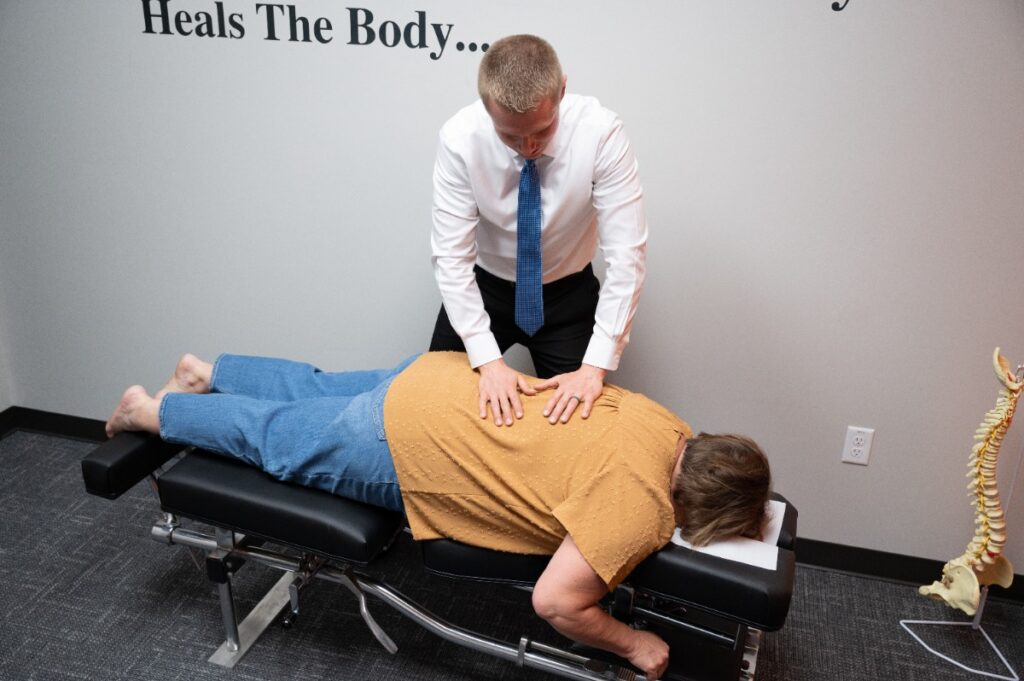

As a local chiropractor, I understand that back pain can be a persistent challenge that impacts various aspects of your daily life. If you’re seeking relief, I encourage you to explore holistic approaches that can complement traditional care. Techniques like yoga, mindfulness, and proper nutrition are not just about alleviating pain—they also enhance your overall well-being.
Incorporating these practices into your routine can lead to lasting results. For instance, yoga can improve flexibility and strength in your back, while mindfulness techniques can help manage stress, which often exacerbates pain. Additionally, a balanced diet rich in anti-inflammatory foods can support your body’s healing process.
I believe that each of these methods offers unique benefits, and together they can create a comprehensive approach to managing your back pain. If you’re curious about how chiropractic care can be integrated with these holistic practices, don’t hesitate to ask. I’m here to guide you on your journey to a healthier, pain-free life.
Understanding Back Pain: Causes and Effects
Back pain can often feel like an unwelcome companion, impacting your daily activities and overall quality of life. As a chiropractor, I want to help you understand the various causes of back pain so that you can find effective relief. Many people experience back pain due to factors such as poor posture, muscle strain, or overexertion. In some cases, it can also arise from underlying conditions like arthritis or herniated discs.
Additionally, stress and emotional factors may contribute to your discomfort, leading to muscle tension that exacerbates your pain.
The effects of back pain can extend far beyond just physical discomfort. You may find that simple tasks such as bending or lifting become increasingly difficult. Sleep disturbances are common, leaving you feeling fatigued and irritable throughout the day. It might even lead you to avoid social activities, as you steer clear of movements that trigger your pain.
Recognizing these aspects is crucial for addressing the root causes of your back pain.
At our chiropractic practice, we believe that understanding your condition is the first step toward reclaiming your life and well-being. By embracing this knowledge, you’ll be better equipped to manage your discomfort through natural healing methods.
We’re here to guide you on this journey, helping you find the relief you deserve and improve your overall quality of life.
The Role of Yoga in Back Pain Relief
As a local chiropractor, I want to share how yoga can be an effective method for alleviating back pain.
Through targeted poses, yoga helps stretch and strengthen the muscles that support your spine. Incorporating mindfulness and breathwork into your practice not only promotes relaxation but also enhances your body’s natural healing capabilities.
By understanding and embracing these techniques, you can experience a significant transformation in managing your back pain.
Let’s delve into how integrating yoga into your routine can complement chiropractic care and support your overall well-being.
Yoga Poses for Relief
As a local chiropractor dedicated to helping you understand natural healing, I want to share how specific yoga poses can significantly enhance your experience with back pain relief. By integrating targeted stretches and movements into your routine, you can alleviate tension and strengthen your back.
Here are five effective poses I recommend:
- Child’s Pose: This gentle stretch helps elongate the spine, providing relief from tension and promoting relaxation.
- Cat-Cow Stretch: A dynamic movement that mobilizes the spine, improving flexibility and increasing circulation.
- Downward-Facing Dog: This pose not only strengthens your back but also stretches the hamstrings, contributing to overall back health.
- Bridge Pose: Engaging your glutes in this pose can help alleviate lower back strain while building strength in the posterior chain.
- Supine Spinal Twist: This restorative pose enhances spinal mobility and effectively releases tightness in the back.
Incorporating these poses into your regular practice can support strength building, enhance posture, and ultimately aid in reducing back pain.
Remember to always listen to your body and make modifications as necessary to ensure a safe and effective experience. Embracing these natural techniques can complement your chiropractic care and lead to a healthier, more flexible back.
Mindfulness and Breathwork
As a local chiropractor, I want to share how integrating mindfulness and breathwork into your daily routine can significantly enhance your overall well-being, particularly when it comes to managing back pain.
When you learn to focus on your breath, you foster a deeper connection between your mind and body, which is essential for promoting relaxation and healing. This heightened awareness allows you to identify areas of tension in your back, making it easier to address and release that discomfort.
Incorporating mindfulness during your physical activities, especially yoga, encourages you to remain present in the moment. This practice can help reduce stress and alleviate pain, making it a valuable tool in your recovery.
As you transition through various poses, I encourage you to concentrate on taking deep, intentional breaths—inhale deeply and exhale fully—allowing any discomfort to melt away with each breath.
Additionally, exploring specific breathwork techniques, such as diaphragmatic breathing, can significantly ease muscle tension. By marrying mindfulness with your physical practice, you’re not merely engaging in movement; you’re actively participating in your healing journey.
This holistic approach aligns perfectly with chiropractic care, which focuses on the body’s innate ability to heal itself through natural means. Embracing these practices can be a game-changer in your path toward relief and overall wellness.
Acupuncture: A Traditional Approach to Pain Management
As a local chiropractor, I often hear from patients who are looking for quick fixes for their back pain. However, I want to emphasize that chiropractic care, much like acupuncture, offers a holistic approach that targets the underlying causes of discomfort rather than just masking the symptoms.
Chiropractic therapy focuses on the relationship between the spine and the nervous system, utilizing adjustments and other techniques to promote healing and restore balance within your body.
Here are some benefits you can experience through chiropractic care:
- Reduces inflammation and enhances blood circulation
- Relieves muscle tension and stiffness
- Supports your body’s natural mechanisms for pain relief
- Improves overall well-being and promotes relaxation
- Can be integrated with other pain management strategies for enhanced results
If you’re tired of relying on medications that only dull the pain, I encourage you to explore chiropractic care.
Many of my patients find that it not only alleviates their back pain but also fosters a deeper connection to their body’s health.
With a focus on natural healing, chiropractic care can lead you to a more sustainable path to wellness that addresses both your symptoms and your overall health.
Mindfulness and Meditation for Pain Reduction
As a local chiropractor, I want to share how mindfulness and meditation can significantly aid in managing back pain. These practices encourage you to stay present and develop a deeper awareness of your body and mind. By incorporating mindfulness into your everyday life, you can learn to observe your thoughts and emotions without judgment. This can be particularly beneficial as it helps to lessen the emotional stress that often accompanies chronic pain.
Techniques such as deep breathing and body scanning are excellent ways to promote relaxation in tense muscles and reduce discomfort. When you take the time to sit quietly and concentrate on your breath, you create a mental sanctuary that can help shift your perception of pain.
With consistent practice, your brain can learn to interpret pain signals differently, leading to a greater sense of calm and resilience.
Ultimately, embracing mindfulness and meditation empowers you to take charge of your pain management journey. These practices can guide you toward a more tranquil state, potentially alleviating your back pain over time.
As your chiropractor, I encourage you to explore these natural healing methods alongside your chiropractic care for a holistic approach to your well-being.
Nutritional Strategies to Support Back Health
As a local chiropractor, I want to emphasize the importance of nutrition in maintaining a healthy back. Many people may not realize how closely our diet is linked to spinal health and overall wellness. By making some mindful dietary choices, you can significantly support your back and potentially reduce discomfort.
Here are some key nutritional strategies to consider:
- Stay Hydrated: It’s crucial to drink plenty of water throughout the day. Proper hydration helps keep your spinal discs well-lubricated and functioning optimally.
- Consume Anti-Inflammatory Foods: Incorporating foods that fight inflammation—such as colorful berries, fatty fish like salmon, and leafy greens—can be incredibly beneficial for your spine. These foods can help reduce pain and promote healing.
- Get Enough Calcium and Vitamin D: Strong bones are vital for a healthy back. Ensure you’re getting enough calcium and vitamin D through sources like dairy products, fortified foods, and safe sunlight exposure. These nutrients are essential for maintaining bone density and overall spinal health.
- Incorporate Omega-3 Fatty Acids: Foods rich in omega-3s, such as walnuts and flaxseeds, can play a role in reducing inflammation. Including these in your diet may help alleviate discomfort and support healing.
- Limit Processed Foods: Be mindful of your intake of processed foods, particularly those high in sugar and refined carbohydrates. These can contribute to inflammation and exacerbate pain, so it’s best to minimize them in your diet.
By applying these nutritional strategies, you can take proactive steps towards better back health.
The Benefits of Chiropractic Care
As a local chiropractor, I want to share with you the numerous benefits that chiropractic care can bring to your overall health and well-being. Many people aren’t fully aware of how focusing on spinal alignment and nervous system function can significantly enhance their quality of life.
Through targeted adjustments, we can help relieve back pain and improve your mobility. Regular chiropractic visits can decrease muscle tension, enabling you to move more freely and comfortably throughout your day.
You might be surprised to learn that chiropractic care can also promote better posture. This improvement can reduce strain on your back and neck, leading to increased energy levels and enhanced performance in your daily activities.
Additionally, many of my patients find that they rely less on pain medications after starting chiropractic treatments. My holistic approach not only addresses immediate discomfort but also works to prevent future issues by nurturing a healthier spine.
Incorporating chiropractic care into your routine can empower you to achieve a more balanced lifestyle. You’ll find yourself feeling stronger and more resilient in the face of stress and physical challenges.
This proactive step is a commitment to maintaining your overall health, and I’m here to support you on that journey.
Essential Oils and Aromatherapy for Relaxation
As a chiropractor, I want to share with you the benefits of essential oils and aromatherapy in promoting relaxation and alleviating pain. Many patients may not realize that these natural remedies can be powerful allies in enhancing your overall well-being, especially when it comes to managing back pain.
Incorporating essential oils into your routine can offer a soothing complement to chiropractic care. Techniques such as diffusing oils or using them in massage can help create a calming environment, allowing your body to relax and respond better to adjustments.
Let’s take a closer look at how these essential oils can support your journey towards relief and tranquility.
Benefits of Essential Oils
As a chiropractor, I often emphasize the importance of a holistic approach to health and wellness, and one powerful tool that can enhance your relaxation routine is the use of essential oils.
These natural extracts offer a multitude of benefits that can complement your chiropractic care and promote overall well-being. Here’s how incorporating essential oils can transform your relaxation experience:
- Stress relief: Essential oils like lavender and chamomile are known for their calming effects, helping to ease your mind after a long day.
- Muscle relaxation: If you’re experiencing tension, oils like peppermint and eucalyptus can provide relief, especially in areas like your back where tightness often accumulates.
- Improved sleep: Struggling with sleep? Bergamot oil can help promote a restful slumber, allowing your body to recover and rejuvenate.
- Mood enhancement: Citrus oils can uplift your spirits and boost your energy, making them a great addition to your daily routine.
- Pain reduction: Certain essential oils may aid in alleviating discomfort, contributing to enhanced overall comfort in your daily life.
By simply adding a few drops of essential oils into your relaxation practices, you can create a soothing atmosphere that nurtures both your body and spirit.
This integration of essential oils with chiropractic care can lead to a deeper sense of well-being and a more effective relaxation routine.
Embrace the power of nature as a valuable component of your journey to health.
Techniques for Aromatherapy Use
As a local chiropractor, I often emphasize the importance of holistic approaches to enhance your relaxation and overall well-being. One effective method that I recommend is aromatherapy, which can beautifully complement the care you receive in our office.
Begin by selecting essential oils that resonate with you personally; for instance, lavender is known for its calming properties, while eucalyptus can be quite invigorating.
You can create a soothing atmosphere in your home by diffusing these oils. This not only enhances your environment but also supports your body’s natural healing processes.
Another technique is to combine a few drops of your chosen essential oil with a carrier oil for a gentle massage. Focus on areas of tension, like your back, to help release tight muscles and promote relaxation.
For quick relief, consider inhaling the scent directly from the bottle, or you can indulge in a warm bath infused with essential oils for a full-body experience.
I encourage you to experiment with various combinations and methods to discover what resonates with you and supports your health best.
Incorporating these aromatherapy techniques into your daily routine can help alleviate stress, complement the chiropractic adjustments you receive, and promote your overall well-being.
Therapeutic Massage Techniques for Back Pain
As a local chiropractor, I want to share how therapeutic massage techniques can play a vital role in alleviating back pain and enhancing your overall health. Many people aren’t aware of the benefits of integrating massage into their pain management routine.
By addressing muscle tension and promoting relaxation, these techniques can significantly improve your quality of life. Here are some effective methods you might consider:
- Swedish Massage: This gentle approach uses smooth strokes to boost blood circulation and alleviate stress, helping your body to relax naturally.
- Deep Tissue Massage: It focuses on the deeper muscle layers, making it particularly effective for those with chronic pain and tension. This type of massage can help to break down adhesions and improve mobility.
- Trigger Point Therapy: This technique hones in on specific tight spots in your muscles. By relieving these trigger points, you can reduce referred pain that may be affecting other areas of your body.
- Myofascial Release: This method targets the connective tissues, or fascia, which can often become tight and restrictive, contributing to discomfort. By releasing this tension, you can enhance your mobility and alleviate stiffness.
- Sports Massage: Tailored specifically for athletes, this type of massage not only aids in recovery but also helps to prevent injuries by addressing muscle imbalances and promoting flexibility.
Integrating these therapeutic massage techniques into your care plan can be a transformative step in your journey to relieve back pain.
As your chiropractor, I encourage you to explore these options to discover what works best for your individual needs. Your path to wellness is just a massage away!
The Importance of Posture and Ergonomics
As a local chiropractor dedicated to your health, I want to emphasize the significant impact that your posture and desk setup have on your back health. Many people overlook this connection, but by adopting proper sitting techniques and ensuring that your workspace is ergonomically designed, you can significantly alleviate strain on your back.
It’s essential to understand that small adjustments in your daily routine can lead to a big difference in your comfort and overall well-being. I encourage you to consider how you sit, the height of your chair, and the placement of your computer monitor.
These factors play a vital role in maintaining a healthy spine. By prioritizing these changes, you not only support your back but also promote a healthier lifestyle.
Let’s work together to create a workspace that nurtures your body and enhances your daily life.
Proper Sitting Techniques
As a local chiropractor, I want to share some important insights about proper sitting techniques, which are vital for maintaining your spinal health and preventing back pain.
Many people are unaware that how you sit can significantly impact your overall well-being. When you adopt the right posture while seated, you can distribute your weight evenly and minimize the strain on your spine.
Here are some key points I encourage you to keep in mind:
- Always sit all the way back in your chair to support your spine properly.
- Ensure your feet are flat on the floor or resting comfortably on a footrest, which promotes better circulation.
- Aim to maintain a 90-degree angle at both your knees and hips to reduce pressure on your joints.
- Choose a chair that offers lumbar support to help preserve the natural curve of your lower back.
- Avoid crossing your legs, as this can hinder blood flow and lead to discomfort over time.
By following these simple guidelines, you can enhance your sitting posture and contribute to better spinal health.
Desk Setup Essentials
As a local chiropractor, I want to emphasize the importance of creating an ergonomic desk setup to help you maintain good posture and prevent back pain during those long work hours.
One of the first steps is to adjust your chair so that your feet rest flat on the floor and your knees are aligned with your hips. This simple adjustment can significantly reduce strain on your back.
Your computer monitor should be positioned at eye level and about an arm’s length away. This positioning helps to minimize neck strain and promotes a more natural head alignment.
Additionally, using a keyboard and mouse that allow your wrists to remain straight while keeping your elbows at a 90-degree angle is vital. This setup not only enhances comfort but also supports your overall spinal health.
Choosing a chair that offers lumbar support is another crucial aspect of maintaining spinal alignment. It provides the necessary support for your lower back, ensuring that your spine maintains its natural curvature.
Lastly, I can’t stress enough the importance of taking regular breaks. Stand up, stretch, and move around periodically throughout your day.
These small adjustments and habits can make a significant difference, helping you stay comfortable, focused, and free from pain during your workday.
Lifestyle Changes to Prevent Back Pain Recurrence
As a local chiropractor dedicated to your health, I want to emphasize that while back pain can often be a recurring issue, incorporating certain lifestyle changes can significantly reduce the likelihood of it returning.
By embracing healthier habits, you not only empower your back but also enhance your overall well-being. Here are five effective changes you can start implementing today:
- Stay Active: Regular exercise, such as walking or swimming, is essential for strengthening your back and core muscles. I encourage you to find activities you enjoy to keep you motivated.
- Maintain Good Posture: Being mindful of your posture is crucial, whether you’re sitting at your desk, standing, or lifting objects. Proper alignment helps minimize strain on your back and can prevent discomfort.
- Use Proper Lifting Techniques: When lifting heavy items, remember to bend your knees and keep your back straight. This technique reduces the risk of injury and protects your spine.
- Stay Hydrated: Drinking an adequate amount of water is vital for keeping your spinal discs hydrated and healthy. Proper hydration supports overall spinal function.
- Manage Stress: Stress can lead to muscle tension and exacerbate pain. I recommend practicing relaxation techniques such as yoga or meditation to help alleviate stress and promote a sense of calm.
By integrating these lifestyle changes into your routine, you can support your chiropractic care and work towards a healthier, pain-free life.
Conclusion
As a local chiropractor, I want to share how holistic approaches can significantly relieve back pain and improve your overall well-being. Incorporating practices such as yoga, mindfulness, and balanced nutrition into your daily routine can not only help alleviate discomfort but also enhance your health in various ways. It’s important to understand that even small adjustments to your lifestyle can lead to meaningful relief and help prevent future issues.
Focusing on the connection between your body and mind is essential. By taking proactive steps, such as regular chiropractic care, you can work towards a pain-free life. Remember, you deserve to move freely and enjoy life without the burden of pain. Let’s work together to create a tailored plan that meets your individual needs and promotes lasting wellness.