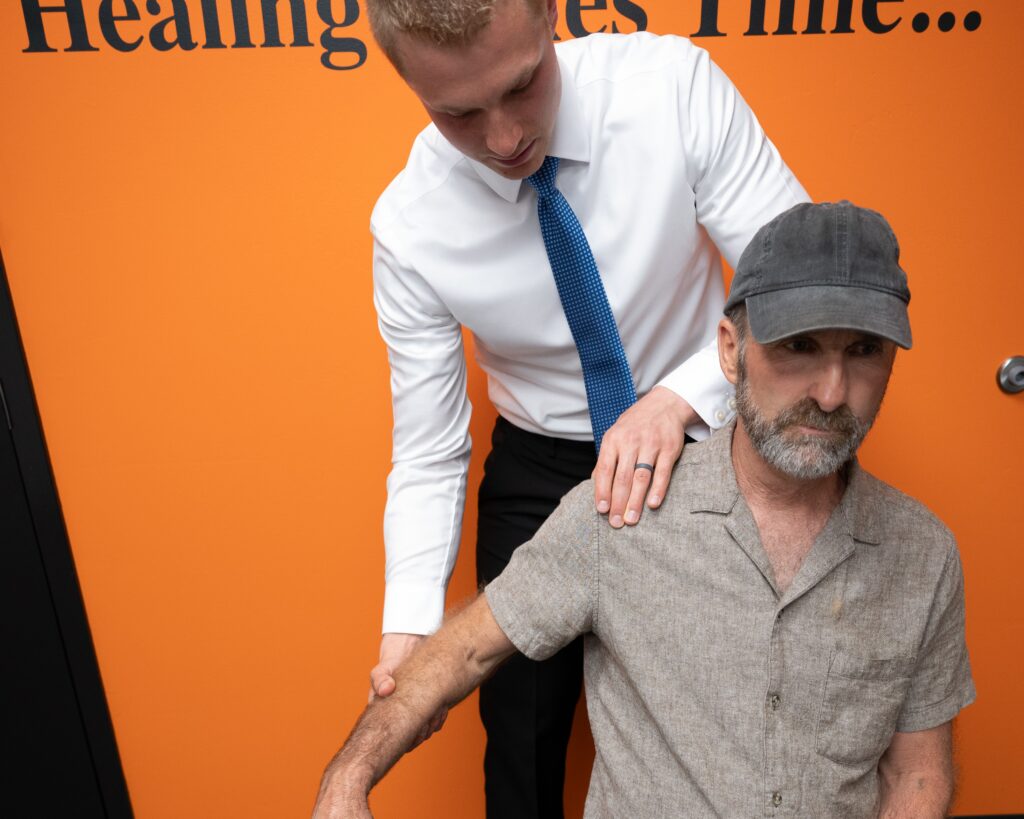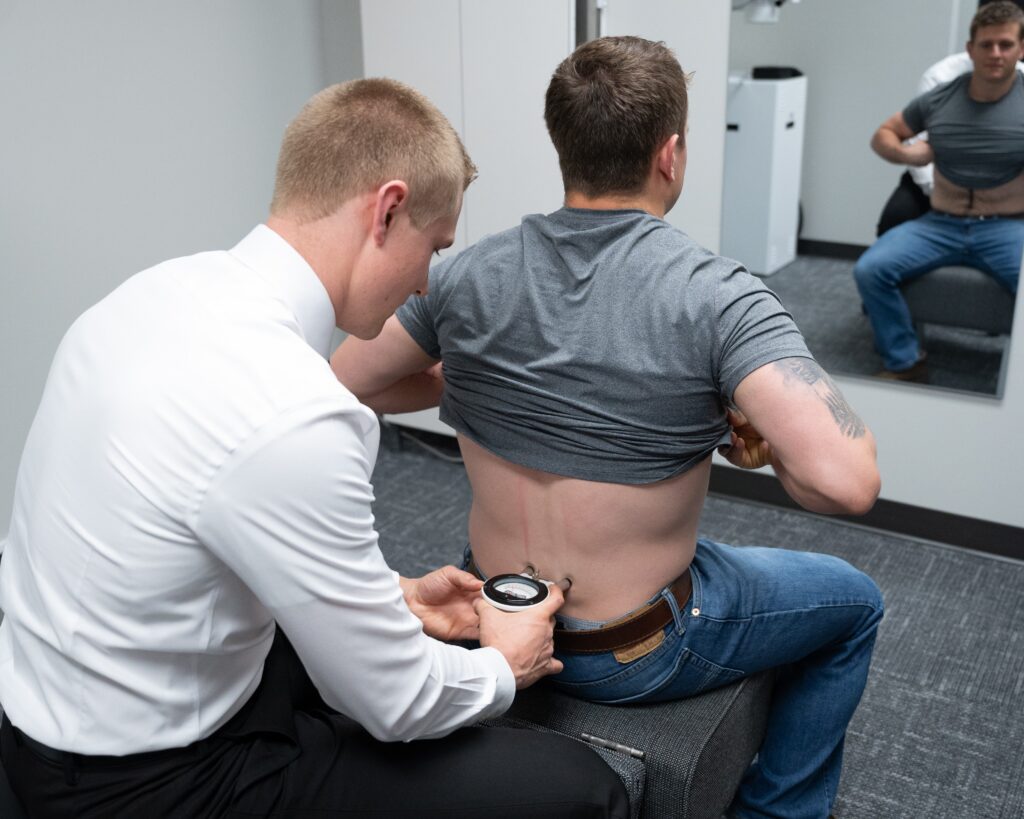

When considering whiplash recovery treatments, it’s exciting to reflect on the advancements we’ve made in understanding this condition. In the past, treatment primarily focused on alleviating neck pain, but now we understand that whiplash can lead to a range of symptoms affecting not just the neck but also the shoulders, back, and even headaches.
Initially, the approach was mostly about resting the neck and managing pain. However, as our knowledge has expanded, we now recognize the importance of a holistic approach to recovery. Chiropractic care stands out as one of the most effective methods for treating whiplash. By addressing spinal alignment and ensuring that your nervous system is functioning optimally, chiropractic adjustments can help relieve pain, restore mobility, and promote natural healing.
Innovative techniques within chiropractic care, such as spinal adjustments, soft tissue therapy, and rehabilitative exercises, have emerged to enhance recovery. These methods not only target the immediate pain but also work on strengthening the surrounding muscles and improving overall spinal health.
For those looking to manage whiplash symptoms naturally, here are some helpful tips:
- Stay Active: Gentle movement and stretching can be beneficial. Avoid prolonged periods of inactivity, as this can lead to stiffness.
- Ice and Heat Therapy: Applying ice in the first 48 hours can help reduce inflammation, while heat can soothe tight muscles afterward.
- Posture Awareness: Pay attention to your posture, especially if you spend long hours sitting. Proper alignment can aid in recovery and prevent future issues.
- Hydration and Nutrition: Staying well-hydrated and eating a balanced diet can support your body’s healing processes.
- Regular Chiropractic Visits: Consistent chiropractic care can ensure that your spine remains aligned and your body is functioning at its best, which is crucial for recovery.
By choosing chiropractic care, you are opting for a natural and effective approach to managing whiplash and enhancing your overall well-being. Remember, your journey to health is a partnership, and we’re here to support you every step of the way!
Key Takeaways
- Whiplash treatment history has evolved significantly, initially focusing on neck pain but now recognizing the importance of related issues such as headaches and cognitive challenges. This broader understanding highlights the need for comprehensive care, which chiropractic approaches excel at.
- For centuries, traditional remedies like heat, cold packs, and massage therapy have offered relief for neck pain associated with whiplash. While these methods can provide temporary comfort, chiropractic care stands out as a holistic solution that addresses the root cause of pain rather than just the symptoms.
- Chiropractic care is a non-invasive approach that prioritizes spinal alignment and the body’s natural healing abilities. By gently adjusting the spine, chiropractors help restore proper function, reduce pain, and support overall wellness, making it an excellent choice for whiplash recovery.
- With advances in diagnostic imaging, chiropractors can personalize treatment plans based on a thorough assessment of each individual’s injury. This tailored approach enhances the effectiveness of recovery strategies, ensuring that patients receive the most appropriate care for their specific needs.
- Innovative therapies, such as virtual reality (VR) and biofeedback, are becoming part of the chiropractic toolkit for whiplash recovery. These technologies not only enhance rehabilitation but also reflect a commitment to using the latest advancements to support natural healing.
General Tips for Whiplash Recovery:
- Stay Active: Gentle movements and stretches can help maintain flexibility in your neck. Always consult your chiropractor for specific exercises that are safe for your recovery.
- Practice Good Posture: Maintaining proper posture can alleviate strain on your neck and spine. Keep your head aligned over your shoulders and avoid slumping.
- Hydrate: Drinking plenty of water supports overall health and helps keep your muscles hydrated and functioning well.
- Prioritize Sleep: Quality sleep is crucial for healing. Ensure your sleeping position supports your neck, using a supportive pillow.
- Follow Your Chiropractor’s Advice: Regular visits to your chiropractor and following their recommendations can significantly enhance your recovery process and promote long-term wellness.
By choosing chiropractic care, you are taking a proactive step towards achieving optimal health and well-being after a whiplash injury. Embrace the journey of natural healing and enjoy the benefits of a pain-free life!
Early Understanding of Whiplash Injuries
Whiplash injuries happen when the head is suddenly jerked backward and then forward, a common occurrence during car accidents. In the past, the medical community had a limited understanding of whiplash, often labeling symptoms as simple muscle strain. If you’ve ever felt frustrated when doctors attributed your pain to soft tissue damage without exploring the deeper issues, you’re not alone.
Early research mainly focused on neck pain, neglecting other problems like headaches and difficulties with concentration. As awareness of whiplash grew, healthcare professionals, including chiropractors, began to recognize the need for thorough assessments. They understood that whiplash could lead to long-term complications that affect your everyday life.
You may have heard terms like “cervical acceleration-deceleration” when discussing how these injuries occur, but what really matters is how we can address them effectively. Chiropractic care plays a crucial role in your recovery journey. By focusing on spinal health and alignment, chiropractors can help relieve pain and restore function without the need for medications or invasive procedures.
Our approach emphasizes a natural healing process that supports your body’s ability to recover. To aid your recovery from whiplash, here are some helpful tips:
- Stay Active: Gentle movement can be beneficial. Simple neck stretches and exercises, recommended by your chiropractor, can help improve mobility and reduce stiffness.
- Ice and Heat Therapy: Applying ice to the affected area can reduce inflammation, while heat can help relax tight muscles. Alternating between the two can provide relief.
- Posture Awareness: Pay attention to your posture, especially when sitting or using your phone. Maintaining proper alignment can prevent further strain on your neck.
- Hydration: Drinking plenty of water supports overall health and can aid in the healing process by keeping your tissues hydrated.
- Chiropractic Adjustments: Regular chiropractic adjustments can help realign the spine, relieve pressure on nerves, and promote healing.
Traditional Remedies and Treatments
When it comes to recovering from whiplash, chiropractic care stands out as one of the most effective approaches for pain relief and overall wellness. While some may turn to physical therapy or other treatments, chiropractic adjustments can help realign the spine, reduce tension, and alleviate discomfort in a natural way.
In addition to chiropractic care, there are traditional remedies you can incorporate into your recovery plan. For instance, applying heat or cold packs to the affected area can offer immediate relief. Heat helps to soothe tight muscles, while cold therapy can reduce inflammation.
You might also want to consider using herbal treatments, such as arnica gel, which is known for its anti-inflammatory properties and can be applied directly to the skin.
Gentle stretching or yoga can be beneficial too, as these practices improve flexibility and reduce stiffness in your neck and back. Massage therapy is another great option, as it promotes blood flow and relaxation, helping your body heal faster.
And don’t forget about the importance of rest—giving your body the time it needs to recuperate is essential for effective recovery.
Incorporating herbal teas like ginger or chamomile into your routine can support your overall wellness as well. These natural remedies, combined with chiropractic care, create a comprehensive approach to managing your whiplash recovery.
The Emergence of Chiropractic Care
As more people seek out natural and non-invasive ways to relieve pain, chiropractic care has become a top choice for those recovering from injuries like whiplash. Chiropractors specialize in spinal adjustments and manipulations, which are designed to ease pain, improve mobility, and foster the body’s natural healing processes. Many individuals discover that this holistic approach not only targets physical discomfort but also contributes to their overall well-being.
Here’s a simple comparison of the benefits of chiropractic care:
| Benefit | Description | Impact |
|---|---|---|
| Pain Relief | Alleviates tension and discomfort | Quick reduction in pain |
| Improved Mobility | Boosts your range of motion | Easier daily activities |
| Non-Invasive | No need for surgery or medications | Minimal side effects |
| Personalized Care | Customized treatment plans tailored to you | More effective results |
| Long-Term Wellness | Emphasizes prevention and ongoing care | Supports lasting health |
Chiropractic care is not just about addressing immediate pain; it’s about setting you up for a healthier future. To enhance your recovery and overall wellness, consider these tips:
- Stay Active: Gentle exercises and stretches can help maintain mobility and strength.
- Posture Matters: Be mindful of your posture while sitting, standing, and moving to reduce strain on your spine.
- Hydrate: Drinking plenty of water supports spinal health and overall well-being.
- Listen to Your Body: Pay attention to signs of discomfort and don’t hesitate to reach out to your chiropractor for guidance.
As you explore recovery options for whiplash and other injuries, remember that chiropractic care offers a natural, effective path toward optimal health. Embrace this holistic approach and take charge of your wellness journey!
Physical Therapy’s Role in Recovery
Chiropractic care plays a vital role in your journey to recover from whiplash. By focusing on spinal health and natural healing, chiropractic techniques can help alleviate pain and restore your body’s function. Through gentle adjustments and targeted therapies, we can address the underlying issues contributing to your discomfort.
Incorporating exercises designed to strengthen your neck and back muscles can further enhance your recovery. These exercises not only help to relieve pain but also support your overall well-being by improving mobility and preventing future injuries.
Additionally, practicing good posture and incorporating stretches into your daily routine can aid in your recovery process. Remember to listen to your body and take things at your own pace; this will ensure a safer and more effective healing journey.
Chiropractic care is a natural, effective choice for pain relief and wellness. By choosing this path, you can work towards optimal health without the need for medications or invasive procedures.
Embrace the journey to a healthier, pain-free life with chiropractic support!
Manual Therapy Techniques
Manual therapy techniques are a vital part of your recovery journey from whiplash, as they help ease pain and restore mobility in a natural way. These hands-on approaches aren’t only effective in improving your condition but also promote your overall well-being.
As a chiropractor, I believe that chiropractic care is the best choice for achieving optimal health without the need for surgeries or medications. Here are some of the key manual therapy techniques you might experience during your treatment:
- Soft tissue mobilization: This technique helps reduce muscle tension and improve blood flow, allowing your body to heal more effectively. It’s a gentle way to release tightness in your muscles.
- Joint mobilization: By gently moving your joints, we can increase your range of motion and decrease stiffness. This technique helps your body move more freely and comfortably.
- Myofascial release: This focuses on releasing tension in the fascia, the connective tissue surrounding your muscles. By improving the mobility of your fascia, you can experience better movement and less discomfort.
- Cervical manipulation: This technique helps align your spine, which can significantly reduce pain and improve overall function. A properly aligned spine is crucial for your health.
- Trigger point therapy: This targets specific areas of muscle tightness, or “knots,” to relieve discomfort. By addressing these areas, you can experience greater relaxation and pain relief.
In addition to these techniques, here are some general tips to enhance your recovery and promote a healthier lifestyle:
- Stay Hydrated: Drinking plenty of water helps keep your muscles hydrated and supports overall healing.
- Practice Good Posture: Be mindful of your posture throughout the day. Proper alignment can help prevent further injuries and reduce pain.
- Incorporate Gentle Stretching: Regular gentle stretching can help maintain flexibility and reduce muscle tension.
- Listen to Your Body: Pay attention to any signals your body is sending you. If something doesn’t feel right, don’t hesitate to reach out for help.
- Stay Active: Engage in low-impact exercises like walking or swimming to keep your body moving without putting too much strain on your neck.
By choosing chiropractic care and incorporating these techniques and tips into your routine, you can take significant steps toward achieving optimal health and wellness naturally.
Exercise Prescription Strategies
After addressing pain and mobility through chiropractic techniques, it’s crucial to incorporate exercise into your recovery plan. Exercise can significantly enhance your healing process by helping you regain strength and flexibility naturally.
Start with gentle range-of-motion exercises to ease your body back into movement, and as you feel more comfortable, you can gradually progress to more challenging activities.
Focusing on strengthening exercises for your neck and upper back is particularly beneficial, as these areas play a vital role in supporting proper posture and reducing strain on your spine.
Remember, it’s essential to listen to your body—if any exercise causes discomfort, don’t hesitate to adjust it or consult your chiropractor for guidance.
Incorporating some aerobic conditioning can also be part of your recovery journey. Activities like walking or light cycling can improve blood circulation, which is essential for healing tissue.
Working closely with your chiropractor will ensure that your exercise program is tailored to your specific needs, helping you achieve the best recovery outcomes.
Remember, the goal is to promote natural healing and wellness while avoiding unnecessary medications or surgeries.
Here are some general tips to keep in mind:
- Stay Consistent: Regular exercise is key to recovery. Aim for short sessions daily rather than long workouts infrequently.
- Warm-Up and Cool Down: Always start with a gentle warm-up and finish with a cool-down to prevent injury.
- Focus on Form: Pay attention to your posture and technique during exercises to maximize benefits and minimize strain.
- Stay Hydrated: Drinking plenty of water supports your overall health and aids recovery.
- Rest When Needed: Don’t push through pain—give your body time to recover if you’re feeling fatigued.
Pain Management Approaches
While chiropractic care is essential for achieving optimal health and managing pain, incorporating physical therapy can complement your recovery journey. Physical therapists focus on creating personalized treatment plans that not only relieve pain but also enhance your mobility, making it a beneficial addition to your chiropractic care.
Here are some key approaches that physical therapists may use, which can work hand-in-hand with chiropractic adjustments:
- Manual Therapy: This hands-on technique helps relieve tension in your muscles and improves blood circulation, further supporting your healing process.
- Therapeutic Exercises: Engaging in customized exercise routines can strengthen your muscles and increase flexibility, leading to better overall movement and reduced pain.
- Modalities: Techniques such as heat, cold, ultrasound, or electrical stimulation can provide effective pain relief, making it easier for you to engage in daily activities.
- Education: Learning about proper posture and ergonomics is crucial. This knowledge helps prevent future injuries and supports your long-term wellness.
- Progress Tracking: Regular assessments allow for adjustments in your treatment plan, ensuring that you’re always moving towards better health.
As a chiropractor, I encourage you to explore these approaches alongside your chiropractic care.
Remember, the goal is to enhance your natural healing abilities and achieve lasting pain relief. Simple lifestyle changes, like maintaining proper posture, staying active, and listening to your body, can make a significant difference in your health journey.
Prioritize chiropractic care as your primary method for achieving optimal health and wellness.
The Shift to Evidence-Based Medicine
As the chiropractic community embraces a shift toward evidence-based practices, treatment approaches for whiplash are becoming more scientifically grounded. This change prioritizes interventions that are backed by solid research, ensuring that you receive effective care tailored to your specific needs.
Chiropractors are now relying on clinical studies and systematic reviews to guide their treatment decisions, moving away from outdated methods that lacked scientific validation. You might notice that traditional practices like prolonged rest and immobilization are being replaced by active rehabilitation techniques designed to promote movement, flexibility, and overall wellness.
Moreover, chiropractors are increasingly focusing on creating individualized treatment plans that consider your unique symptoms and how you respond to different therapies. By integrating evidence-based guidelines, you can expect improved recovery outcomes and a more collaborative approach to your care. This shift not only enhances your experience but also builds a deeper trust in the chiropractic profession as it evolves to meet your health needs effectively.
To support your recovery from whiplash and enhance your overall wellness, consider these general tips:
- Stay Active: Gentle movements and light exercise can help maintain flexibility and support healing.
- Good Posture: Pay attention to your posture throughout the day, especially when sitting for long periods.
- Stay Hydrated: Drinking plenty of water helps keep your spinal discs hydrated and supports overall health.
- Heat and Ice Therapy: Applying heat or ice can help alleviate pain and reduce inflammation.
- Regular Adjustments: Regular chiropractic adjustments can help restore proper alignment and enhance your body’s natural healing capabilities.
Psychological Approaches to Pain Management
Integrating psychological approaches into your pain management strategy can significantly enhance your recovery from whiplash. By focusing on the emotional and cognitive aspects of pain, you can create a more comprehensive plan for healing that complements chiropractic care.
Here are some effective psychological techniques to consider:
- Cognitive Behavioral Therapy (CBT): This approach helps you identify and shift negative thoughts about your pain. By changing how you think, you can influence how you feel and improve your overall experience of pain.
- Mindfulness Meditation: Practicing mindfulness can help you reduce stress and increase your ability to manage pain. It encourages you to stay present and aware, which can lessen the emotional burden of discomfort.
- Biofeedback: This technique allows you to learn how to control bodily functions such as muscle tension and heart rate, giving you greater control over your pain experience. It’s a powerful way to enhance your body’s natural healing capabilities.
- Relaxation Techniques: Simple practices like deep breathing and progressive muscle relaxation can help you release tension and promote a sense of calm. These techniques can support your body’s healing process alongside chiropractic adjustments.
- Support Groups: Connecting with others who understand your journey can provide valuable emotional support and coping strategies. Sharing experiences can help you feel less isolated and more empowered in your recovery.
By incorporating these psychological techniques into your routine, you can empower yourself to take control of your pain.
Advances in Diagnostic Imaging
Advancements in diagnostic imaging have significantly enhanced how chiropractors assess and treat whiplash injuries, allowing us to provide you with the best care possible. Techniques like MRI and CT scans offer a clearer view of soft tissue damage, which traditional X-rays might miss. This means we can identify the specifics of your injuries more accurately.
With these advanced imaging methods, we can create personalized treatment plans that cater specifically to your needs. By accurately locating the areas of trauma, we gain a better understanding of the underlying issues, ensuring that our chiropractic adjustments and therapies effectively target the source of your pain.
Moreover, the latest imaging technology helps us monitor your recovery progress over time. With detailed visuals, we can see how well your body is healing and make necessary adjustments to your treatment strategy, leading to a more effective recovery journey.
As you navigate your healing process, here are some tips to support your recovery:
- Stay Active: Engage in gentle, guided exercises that promote mobility and strength without straining your neck.
- Practice Good Posture: Be mindful of your posture throughout the day, whether you’re sitting, standing, or using your phone. This can alleviate additional stress on your spine.
- Stay Hydrated: Drinking plenty of water can help keep your muscles and joints healthy and may aid in the healing process.
- Incorporate Rest: While staying active is important, don’t forget to give your body the rest it needs to recover fully.
- Consider Chiropractic Care: Regular visits to your chiropractor can help maintain spinal health and prevent future injuries, promoting your overall wellness.
The Impact of Technology on Treatment Options
Technology is transforming the way we approach whiplash treatment, and as a local chiropractor, I want to share how these advancements can lead you to better health and wellness.
With innovative therapy techniques and the rise of telehealth, accessing chiropractic care is now easier and more convenient than ever before.
Chiropractic care is a natural and effective way to address whiplash and other neck injuries. By focusing on spinal health, we can help restore proper alignment, reduce pain, and promote healing without the need for medications or surgeries.
Here are a few tips to help you manage whiplash and support your recovery:
- Stay Active: Gentle movements and stretches can improve mobility and reduce stiffness. Always consult your chiropractor for specific exercises that are safe for your condition.
- Maintain Good Posture: Proper posture is crucial for spinal health. Be mindful of how you sit, stand, and move throughout the day to prevent further strain on your neck.
- Use Ice and Heat: Applying ice can help reduce inflammation, while heat can relax tight muscles. Alternate between the two as recommended by your chiropractor.
- Stay Hydrated: Drinking plenty of water supports overall health and helps keep the discs in your spine hydrated, which is essential for recovery.
- Schedule Regular Chiropractic Visits: Consistent chiropractic care not only helps with recovery from whiplash but also promotes overall wellness, ensuring your spine is in optimal condition.
By embracing chiropractic care and utilizing these tips, you can take charge of your recovery and work towards a healthier, pain-free life.
Innovative Therapy Techniques
As you look into innovative therapy techniques for whiplash recovery, it’s important to understand how these modern approaches can complement chiropractic care, which remains a premier choice for achieving optimal health and wellness.
Here are some exciting methods that can enhance your healing journey, all while supporting the natural recovery processes of your body:
- Virtual Reality (VR): This technology can create engaging experiences to help with pain management and rehabilitation. While VR can offer distraction and motivation, incorporating it alongside chiropractic adjustments can enhance your overall recovery.
- Biofeedback: By using biofeedback, you can become more aware of your body’s responses, which allows you to better manage your pain and recovery. This technique works well with chiropractic care, as both emphasize understanding your body for improved wellness.
- Electrical Stimulation: While electrical stimulation can help reduce pain and promote healing, combining it with chiropractic adjustments can create a powerful synergy to alleviate discomfort and support recovery.
- Wearable Devices: These devices can track your activity levels and progress, providing insights that can be valuable when working with your chiropractor. By sharing this information, you can create a more tailored recovery plan.
- Regenerative Medicine: Although this involves advanced techniques, it’s essential to remember that natural healing through chiropractic care is often the first step toward recovery. Supporting your body’s innate ability to heal through adjustments can be incredibly effective.
In addition to exploring these innovative methods, here are some general tips for a smoother recovery from whiplash:
- Stay Active: Gentle movements and stretches can help maintain your range of motion and prevent stiffness. Always consult your chiropractor for recommended exercises.
- Posture Awareness: Pay attention to your posture, especially if you sit for long periods. Good posture can reduce strain on your neck and spine.
- Ice and Heat Therapy: Applying ice can help reduce inflammation, while heat can relax muscles. Alternating between the two can provide comfort.
- Stay Hydrated: Drinking plenty of water is vital for overall health and can assist in the healing of soft tissues.
- Listen to Your Body: If something doesn’t feel right, or if your pain worsens, consult your chiropractor immediately.
By focusing on these techniques and tips, you can enhance your recovery while emphasizing the benefits of chiropractic care for pain relief and overall wellness.
Telehealth Advancements in Care
With the rise of telehealth, you now have the opportunity to access a wide range of treatment options for whiplash recovery, all from the comfort of your home. Virtual consultations allow you to connect with chiropractic specialists who can assess your condition and create a personalized recovery plan tailored just for you.
Through these sessions, you can learn about guided exercises that promote natural healing, receive valuable advice on pain management, and even engage in therapy sessions via video calls.
This flexibility means you can easily fit your treatment into your busy schedule, helping you stay on track in your recovery. Additionally, telehealth eliminates travel time and can be more cost-effective, making chiropractic care more accessible than ever.
As technology continues to advance, you’ll find a wealth of ongoing support and resources right at your fingertips, enhancing your overall recovery experience.
Remember, chiropractic care is focused on addressing the root cause of your pain through natural methods, helping you achieve optimal wellness. Embrace these innovations in telehealth to take charge of your whiplash recovery journey.
Here are a few tips to keep in mind:
- Stay Active: Incorporate gentle stretching and specific exercises recommended by your chiropractor to promote healing.
- Posture Awareness: Pay attention to your posture during daily activities, especially when sitting for extended periods.
- Hydrate: Drink plenty of water to keep your body hydrated, which is crucial for recovery.
- Rest and Recover: Make sure to get adequate rest to allow your body to heal effectively.
- Stay Informed: Take advantage of the educational resources your chiropractor provides to better understand your condition and how to manage it.
Current Best Practices in Whiplash Recovery
Managing whiplash can be tough, but embracing chiropractic care and following some effective strategies can significantly enhance your recovery. Here are some key tips to help you heal naturally:
- Stay Active with Gentle Movements: It’s important not to stay inactive. Gentle movements can prevent stiffness and promote healing. Simple stretches and light activities can make a difference.
- Chiropractic Care: Working with a chiropractor can be invaluable. They can assess your unique situation and create a tailored treatment plan that focuses on spinal health, helping to restore motion and reduce pain.
- Natural Pain Relief: Instead of relying on medications, consider natural pain relief methods such as ice or heat therapy. Your chiropractor can also suggest techniques that promote relaxation and ease discomfort.
- Educate Yourself About Whiplash: Understanding your injury can empower you. Knowledge about whiplash can help reduce anxiety and improve your coping strategies. Your chiropractor can provide insights into how your body heals.
- Lean on Your Support Network: Don’t hesitate to reach out to friends, family, or support groups. Emotional support is crucial in your healing journey, and sharing your experience can be beneficial.
By integrating these strategies and prioritizing chiropractic care, you can pave the way for a smoother recovery from whiplash and achieve optimal health.
Future Directions in Whiplash Treatment Research
Emerging research in whiplash treatment is paving the way for more effective recovery strategies, and chiropractic care is at the forefront of this evolution. As we look to the future, there’s a clear trend toward personalized treatment plans that consider the unique needs of each individual. By focusing on your specific condition and body mechanics, chiropractic care can help create tailored therapies that promote optimal healing.
Additionally, advancements in technology, such as virtual reality and telemedicine, are enhancing rehabilitation efforts. These tools can make your treatment more engaging and provide valuable feedback, but they work best when combined with the hands-on care that chiropractors offer. Our approach helps you stay actively involved in your recovery, ensuring you understand your progress every step of the way.
There is also a growing recognition of the importance of addressing both physical and emotional aspects of whiplash. Combining chiropractic adjustments with supportive therapies, such as counseling or mindfulness techniques, can create a comprehensive approach to healing. This holistic method can help alleviate pain while also providing emotional support during your recovery journey.
As you consider your options, know that chiropractic care is an excellent choice for managing whiplash and promoting overall wellness. Here are some general tips to enhance your recovery:
- Stay Active: Gentle movements and stretches can help keep your muscles flexible and reduce stiffness.
- Ice and Heat Therapy: Applying ice packs in the initial days can reduce inflammation, while heat can help relax tense muscles later on.
- Posture Awareness: Maintain good posture throughout your daily activities to support spinal alignment and reduce strain.
- Regular Chiropractic Visits: Consistent adjustments can help restore proper function and alleviate pain, guiding you toward a full recovery.
In the coming years, these trends may revolutionize the way you experience recovery. Embrace the journey towards healing with chiropractic care as your trusted partner in achieving optimal health and wellness.
Conclusion
In summary, the journey to understanding whiplash recovery has seen significant advancements, shifting from basic treatments to more comprehensive, individualized approaches. As you navigate today’s best practices, it’s crucial to recognize the pivotal role chiropractic care plays in enhancing your recovery from whiplash injuries. By focusing on spinal health and natural healing methods, chiropractic adjustments can alleviate pain, restore mobility, and promote overall wellness.
Incorporating physical therapy alongside chiropractic care can further support your recovery process. Gentle exercises and stretches can strengthen your neck and back muscles, while chiropractic adjustments help ensure that your spine is aligned, leading to better overall function. Additionally, staying informed about the latest research and techniques in chiropractic care empowers you to make choices that are in your best interest.
To support your recovery journey, here are a few general tips:
- Stay Active: Engage in light activities, like walking or gentle stretching, to keep your body moving and promote circulation.
- Listen to Your Body: Pay attention to how your body feels during recovery. If something doesn’t feel right, consult your chiropractor.
- Maintain Good Posture: Be mindful of your posture, especially when sitting for long periods. Good posture can help reduce strain on your neck and back.
- Stay Hydrated: Drinking plenty of water is essential for maintaining healthy discs in your spine and supporting overall recovery.
Embrace these developments and prioritize chiropractic care for a more effective, natural recovery journey from whiplash injuries. Your spine will thank you!