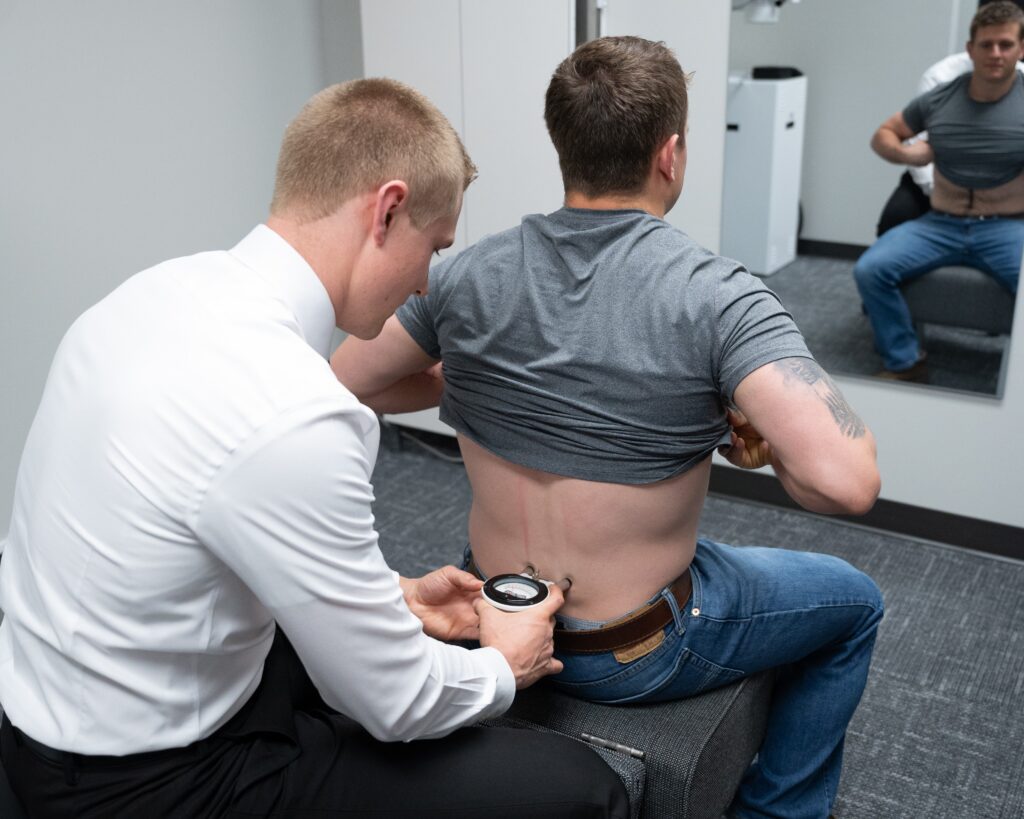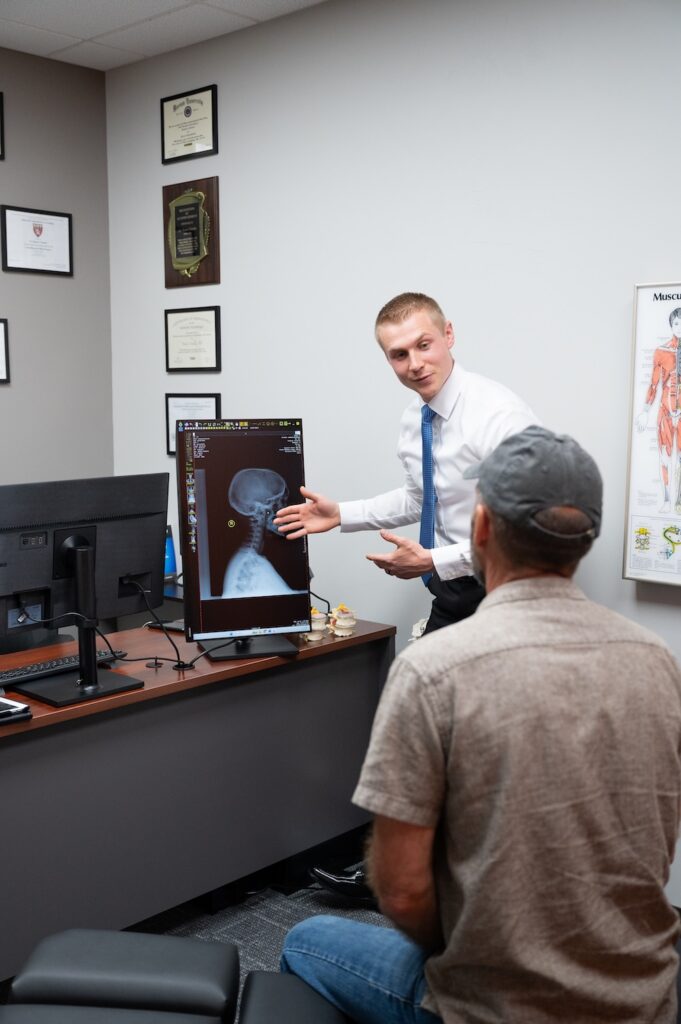

As a local chiropractor, I want to share how the approach to sports injury recovery has evolved over the years, and how that relates to our natural healing practices today. In the past, athletes relied on ancient remedies, often using herbs and natural substances to aid their recovery. Today, we have advanced significantly, incorporating modern technology and holistic methods into our treatment plans.
This evolution goes beyond just physical healing; it also embraces the psychological aspects of recovery and emphasizes the importance of active participation from the athletes themselves. As we delve into these changes, you may be surprised to learn about the significant shifts that have influenced contemporary practices. These insights could not only enhance your understanding of injury recovery but also reshape how you, as an athlete, can approach your own healing journey in the future through chiropractic care and natural healing techniques.
Ancient Practices in Injury Treatment
As a chiropractor, I often reflect on the wisdom of ancient practices in injury treatment, which offer valuable insights into natural healing. Just like athletes of the past, we can benefit from using natural remedies to support our bodies.
In ancient times, individuals turned to various natural ingredients—herbs, minerals, and even animal products—each selected for their specific healing properties. For example, the ancient Greeks recognized the soothing effects of olive oil and honey on wounds, believing in their powerful healing abilities. Similarly, they utilized poultices made from plants like comfrey, which were thought to help alleviate pain and reduce swelling.
Across different cultures, unique healing methods emerged. In ancient China, practitioners of traditional medicine harnessed acupuncture and herbal remedies to ease discomfort and promote recovery. Athletes would receive treatments aimed at balancing the body's energy, a concept that continues to resonate in holistic health practices today.
In Egypt, you'd find a blend of massage and herbal infusions being used to treat strains and sprains, showing an early understanding of the importance of circulation and relaxation in the healing process.
These ancient methods weren't arbitrary; they were the result of careful observation and shared experiences. Athletes communicated what worked and what didn't, passing down valuable knowledge through generations. This communal learning helped refine their practices, and you can see how injury treatment methods evolved over time.
As we explore these historical practices, it's inspiring to recognize how they laid the foundation for modern approaches to sports injury recovery, including chiropractic care. They remind us that the pursuit of effective healing is a timeless journey.
In my practice, I strive to honor this legacy by emphasizing natural healing methods and encouraging patients to explore the benefits of chiropractic care alongside these age-old traditions. Together, we can continue to evolve and enhance our approach to health and recovery.
The Rise of Rest and Ice
As a local chiropractor, I want to share some important insights about recovery that can benefit anyone, especially athletes. Over the years, we've learned just how crucial rest and ice can be in managing sports injuries and enhancing overall recovery. You may have noticed a growing emphasis on these techniques in the world of sports, and for good reason.
Rest is vital for your body to heal and regenerate effectively. It's not just a matter of stopping all activity; it's about giving your body the time it needs to recuperate properly. By incorporating rest into your routine, you're allowing your muscles and tissues to recover, which ultimately helps prevent further injury in the future.
Now, let's talk about ice. Applying ice to an injured area can be incredibly beneficial. When you use ice, it constricts blood vessels, which helps reduce swelling and numb pain. This is especially important in the first 48 hours after an injury occurs.
You may have heard of the RICE method—Rest, Ice, Compression, and Elevation—which is a widely accepted approach to managing injuries effectively.
In the past, many individuals, including athletes, felt the need to push through pain, often leading to longer recovery times or chronic issues. Thankfully, with the growing understanding of sports science and natural healing, we now recognize the importance of these recovery strategies.
Development of Rehabilitation Techniques
As a local chiropractor, I want to share with you the fascinating evolution of rehabilitation techniques that can significantly aid in your recovery from injuries. Throughout history, there have been important milestones that have shaped how we approach healing, especially for athletes.
Today, we've access to innovative recovery technologies that open up new possibilities for both healing and enhancing performance.
Moreover, it's essential to recognize that personalized treatment plans are becoming increasingly important. Each individual has unique needs, and tailoring recovery strategies is key to achieving the best results.
In chiropractic care, we focus on natural healing methods that not only address your immediate concerns but also support your overall well-being. Understanding these advancements can empower you to make informed choices about your recovery journey.
Historical Milestones in Rehabilitation
As a local chiropractor, I want to share with you the fascinating history of rehabilitation techniques, especially as they relate to natural healing and chiropractic care. Over the years, these methods have transformed significantly, reflecting our growing understanding of the human body and its healing processes.
In ancient times, practitioners relied on simple techniques such as rest and immobilization to assist injured individuals, including athletes. The Greeks were pioneers in this area, introducing structured methods like massage and exercise, which laid the foundation for rehabilitation practices we value today.
Fast forward to the 19th century, and we see the formal emergence of physical therapy as a distinct profession. This was a time when advancements in anatomy and physiology led to more refined techniques, including manual manipulation and tailored exercise regimens for specific injuries. This is where chiropractic care started to gain recognition for its hands-on approach to healing.
The early 20th century brought about significant changes, particularly after World War I. Many soldiers returned with injuries that necessitated comprehensive recovery strategies, which further expanded the concept of rehabilitation. During this time, we began to see the integration of emerging therapies like electrotherapy and heat treatments, enhancing the recovery process.
The post-war era marked a notable shift, with specialized rehabilitation centers focusing on sports injuries becoming more common. These centers integrated physical therapy with psychological support, acknowledging the important connection between mental and physical health during recovery.
As a chiropractor, I emphasize this holistic view, recognizing that true healing involves both the body and mind.
Through these historical milestones, rehabilitation techniques haven't only improved recovery times but have also enhanced overall performance, particularly for athletes.
Today, chiropractic care continues to evolve, combining traditional methods with modern insights to promote optimal health and recovery. I invite you to explore how these natural healing principles can benefit you on your journey to wellness.
Innovative Recovery Technologies
As a local chiropractor, I want to share how the evolution of rehabilitation techniques is changing the game when it comes to recovering from sports injuries. Many of my patients are surprised to learn about the innovative recovery technologies available that can enhance their healing process.
For instance, cryotherapy is a fantastic method that I often recommend. It involves exposing the body to extremely low temperatures, which can help reduce inflammation and promote faster healing. This technique can be especially beneficial after a sports injury, as it helps to alleviate pain and swelling.
Another tool in our recovery toolbox is electrical stimulation. This method involves using devices that send electrical impulses to your injured muscles, helping to restore strength and function. It's a non-invasive way to assist with recovery, particularly in the initial stages when movement may be difficult.
I'm also excited about the role of virtual reality in rehabilitation. This cutting-edge technology creates a controlled environment where you can engage in rehabilitation exercises while enjoying an interactive experience. It not only makes the process more engaging but also aids in improving your coordination and balance.
Additionally, wearable technologies, such as smart bands and monitors, are becoming increasingly popular. These devices allow you to track your recovery progress in real-time, providing valuable insights that can help you and me work together to tailor your rehabilitation plan effectively.
By incorporating these innovative recovery technologies into your treatment, we can create a more effective and efficient approach to sports injury recovery, focusing on natural healing and holistic methods.
My goal is to educate you on how chiropractic care and these advancements can contribute to your overall well-being and athletic performance.
Personalized Treatment Approaches
As a local chiropractor, I want to shed light on how personalized treatment approaches are transforming the way we recover from sports injuries and regain our strength. Instead of relying on generic recovery plans, we focus on creating tailored strategies that meet your unique needs, significantly enhancing your healing journey.
Here are some key factors we consider when developing your personalized treatment plan:
- Injury type and severity: We take into account the specific nature of your injury, allowing us to provide targeted therapies that address your particular condition.
- Your physical condition: Your overall health, fitness level, and history of past injuries are crucial elements that help us shape an effective recovery plan just for you.
- Biomechanics assessment: By evaluating your movement patterns, we can identify areas that require special attention during your rehabilitation, ensuring a comprehensive approach.
- Psychological factors: We recognize that your mental state plays a significant role in recovery. Fostering motivation and a positive mindset is essential, as they can greatly influence your healing process.
- Progress tracking: Regular evaluations allow us to monitor your progress and make necessary adjustments to your treatment plan, ensuring it continues to meet your evolving needs.
At our practice, we're committed to guiding you through a personalized recovery experience that emphasizes natural healing and empowers you to get back to doing what you love.
Introduction of Physiotherapy
Chiropractic care plays a crucial role in sports injury recovery, assisting athletes in regaining strength, mobility, and confidence. When faced with an injury, the path to recovery can seem daunting, but chiropractic care offers a holistic approach to healing. By assessing your individual needs, a chiropractor creates a personalized treatment plan designed to restore function and alleviate pain.
A fundamental aspect of chiropractic care is its emphasis on optimizing movement. You'll learn techniques that not only promote healing but also help prevent future injuries. Your chiropractor may utilize various methods, such as spinal adjustments, soft tissue therapy, and rehabilitative exercises to support your recovery. They'll also take the time to educate you about your injury, helping you understand its underlying mechanics and the significance of following your treatment plan.
As you progress in your recovery, your chiropractor will adapt your treatment plan, encouraging you to gradually increase your activity levels. This progressive approach ensures that you aren't only healing but also building strength and resilience. You'll likely notice enhancements in your range of motion and overall fitness, which can significantly boost your confidence as you return to your sport.
Additionally, chiropractic care encourages a collaborative relationship between you and your chiropractor. This partnership fosters open communication, allowing you to voice your concerns and share your goals. In this nurturing environment, you'll feel empowered to take charge of your healing journey, ultimately leading to a safer and more effective return to your athletic endeavors.
Advances in Surgical Interventions
As a local chiropractor, I want to share how recent advances in surgical interventions can complement our natural healing methods when it comes to recovering from sports injuries.
Many people may not realize that minimally invasive surgical techniques can significantly reduce recovery times and lead to better outcomes. Additionally, the field of regenerative medicine is making strides, offering innovative options that align well with the principles of chiropractic care.
By understanding these advances, you can make informed decisions about your recovery journey. Incorporating chiropractic adjustments and natural healing practices alongside these modern techniques can enhance your overall recovery and help you return to your favorite activities faster and with greater confidence.
Let's work together to explore how these advancements can support your healing process!
Minimally Invasive Techniques
As a local chiropractor, I want to share how minimally invasive techniques are transforming the way athletes recover from injuries, allowing for faster healing with less discomfort and scarring.
These advanced approaches, which include methods like arthroscopy and endoscopy, involve smaller incisions that minimize damage to surrounding tissues and promote quicker rehabilitation.
Here are some key benefits of these techniques that can be particularly helpful for athletes:
- Smaller Incisions: The reduced size of the incisions means less trauma to the body, which can lead to a smoother recovery.
- Less Pain: Many patients experience lower levels of pain after surgery, making the recovery process more manageable.
- Shorter Recovery Time: With these methods, athletes can often return to their sport in just weeks instead of months.
- Decreased Scarring: For those concerned about their appearance, the cosmetic outcomes are improved, which is especially important for athletes.
- Lower Risk of Infection: Fewer open wounds lead to a decreased chance of complications after surgery.
As a chiropractor, I emphasize that these techniques align with the principles of natural healing and can complement the care I provide.
The precision offered by minimally invasive methods not only enhances recovery but also contributes to better overall performance in your sport.
Regenerative Medicine Innovations
As a local chiropractor, I want to share some exciting developments in the field of regenerative medicine that can significantly enhance injury recovery for athletes and active individuals.
Regenerative medicine is changing the landscape of healing by offering natural solutions that work at a cellular level to promote recovery.
One of the most promising techniques is platelet-rich plasma (PRP) therapy. During this process, we take a small sample of your blood, process it to concentrate the platelets, and then inject this rich solution into the area of injury.
This method harnesses your body's own healing abilities by increasing growth factors, reducing inflammation, and accelerating tissue repair. It's a fantastic option for those looking to recover more swiftly from sports injuries.
Another innovative approach is stem cell therapy. This treatment utilizes cells that have the unique potential to develop into different types of tissue.
This capability makes stem cell therapy a powerful tool for addressing complex injuries that may not respond to conventional treatments.
By incorporating these regenerative techniques into your recovery plan, you can expect to heal more efficiently and return to your favorite activities sooner.
Furthermore, these treatments often reduce the need for invasive surgeries, which can carry risks and result in prolonged recovery times.
As these advancements in regenerative medicine continue to evolve, we're seeing remarkable improvements in how we manage injuries.
This transformation is reshaping the way athletes—and anyone who leads an active lifestyle—approach recovery and rehabilitation.
With the options that regenerative medicine provides, the future of injury recovery is indeed looking brighter.
If you're interested in exploring these natural healing methods, I'm here to help guide you on your journey to recovery!
Role of Technology in Recovery
As a local chiropractor, I want to share the vital role that technology plays in sports injury recovery and how it can benefit you on your healing journey. Understanding these innovative tools can't only speed up your recovery but also enhance your overall physical performance.
Here are some key technologies that can make a significant difference in your rehabilitation process:
- Wearable Devices: Smartwatches and fitness trackers can be incredibly helpful for monitoring your activity levels and how your body responds during recovery. They provide real-time feedback, allowing you to track your progress and make necessary adjustments.
- Telehealth Services: With virtual consultations, you can connect with healthcare professionals, including chiropractors, from the comfort of your home. This makes it easier to stay engaged with your recovery plan without the added stress of travel.
- 3D Printing: Custom braces and supports can be created to fit your specific anatomy. This personalized approach ensures that you receive the comfort and support necessary for effective rehabilitation.
- Cryotherapy and Heat Therapy: Advanced machines can deliver precise temperature treatments to help reduce inflammation and promote blood flow. These therapies are excellent for speeding up recovery and alleviating discomfort.
- Virtual Reality (VR): Immersive VR environments can be utilized for mental recovery and pain management. Engaging in therapeutic exercises through VR can help distract you from discomfort, making the rehabilitation process more enjoyable and effective.
By exploring these technologies, you can empower yourself in your recovery journey and experience a more holistic approach to healing.
As your chiropractor, I'm here to guide you and ensure you get the most out of these innovative tools.
Evidence-Based Approaches
As a local chiropractor dedicated to your well-being, I want to emphasize the importance of evidence-based approaches when it comes to recovering from sports injuries. Understanding the latest research is crucial, as it helps us identify effective methods for healing and rehabilitation.
In our practice, we focus on implementing best practices that have been proven to work, ensuring that you receive the most effective care possible. By staying informed about these evidence-based techniques, you not only enhance your recovery process but also significantly reduce the risk of future injuries.
Chiropractic care is a natural approach that can support your healing journey. It's all about restoring balance within your body and promoting optimal function.
If you're new to chiropractic care, I encourage you to explore how our techniques can aid in your recovery and overall health. Together, we can work towards a stronger, injury-free future!
Role of Research
As a local chiropractor, I want to emphasize how important research is in shaping effective strategies for recovering from sports injuries.
It's crucial for athletes, both professional and amateur, to receive the best possible care, and ongoing studies help us achieve that. By analyzing various data and outcomes, researchers are able to develop evidence-based practices that can significantly enhance recovery times and overall performance.
Here's how research impacts sports injury recovery, and why it matters to you:
- Identifying Ideal Recovery Timelines: Research provides insight into how long athletes should rest or engage in light training after an injury, helping to avoid setbacks.
- Evaluating Treatment Efficacy: Studies compare different treatment options, including chiropractic care, to determine which methods are most effective for specific injuries.
- Developing Preventative Strategies: Research helps us understand risk factors for injuries, which allows us to create effective prevention strategies tailored to individual needs.
- Improving Rehabilitation Protocols: Innovative rehab techniques developed through research can enhance the healing process and ensure a quicker return to activity.
- Guiding Psychological Support: Research underscores the importance of mental health during recovery, and we can provide resources to help athletes cope with the emotional aspects of healing.
With the continuous advancements in research, you can feel confident that the strategies we use for sports injury recovery will evolve, ensuring that you receive the most effective care possible.
At our chiropractic practice, we're committed to integrating these findings into our treatment plans, helping you recover and thrive.
Best Practices Implementation
As a local chiropractor, I want to share the importance of implementing best practices based on evidence to maximize your recovery from sports injuries. The first step in your healing journey is to evaluate the nature and severity of your injury. This evaluation will help us design a tailored recovery plan that suits your individual needs.
In the early stages of recovery, I recommend incorporating a method known as RICE: rest, ice, compression, and elevation. Research indicates that this approach can effectively reduce swelling and pain, providing a solid foundation for healing.
Once we've addressed the initial pain and swelling, it's important to engage in a structured rehabilitation program. This program should be tailored to your specific injury and may include strength training, flexibility exercises, and sport-specific drills. These activities can enhance your recovery and significantly reduce the risk of future injuries.
As your chiropractor, I'll work closely with you to ensure that your rehabilitation aligns with current evidence-based practices.
Don't overlook the psychological aspects of recovery either. Maintaining a positive mindset can greatly influence your healing process. Techniques such as visualization and mindfulness can help you stay focused and motivated throughout your recovery journey.
Lastly, it's crucial to monitor your progress regularly. Together, we'll document your recovery and make any necessary adjustments to your plan.
Shift Toward Active Recovery
In recent years, we've seen a significant shift in how we approach sports injury rehabilitation, especially here in our chiropractic practice. Instead of relying solely on traditional passive treatments like ice and rest, we're now emphasizing the importance of active recovery methods.
This means encouraging our patients to participate in activities that promote healing while keeping their bodies moving. This proactive approach not only expedites recovery but also helps maintain strength and flexibility throughout the healing process.
Active recovery techniques can vary widely, from gentle stretching to specific rehabilitation exercises tailored to individual injuries. These methods create a more dynamic recovery environment, allowing you to regain confidence in your body's capabilities.
Here are some key components of active recovery that we often incorporate into our treatment plans:
- Gentle stretching to help maintain flexibility and alleviate stiffness.
- Light aerobic activities, such as cycling or swimming, to enhance blood circulation.
- Targeted strength training designed to rebuild muscle without overexerting the injured area.
- Functional movements that imitate sports-specific actions to help ensure a smooth return to your activity.
- Balance and coordination exercises to enhance overall stability and reduce the risk of future injuries.
Embracing an active recovery mindset can be truly transformative. It empowers you to take control of your rehabilitation process, turning what could otherwise be a frustrating time into an opportunity for personal growth and improvement.
As you begin to incorporate these active recovery methods into your routine, you'll likely experience not just physical benefits but also a renewed sense of motivation and engagement in your sport.
At our chiropractic office, we're here to guide you through this process, helping you understand the natural healing capabilities of your body and how to best support them.
Together, we can work towards your recovery in a way that feels empowering and effective.
Psychological Aspects of Healing
Healing from a sports injury isn't solely about physical recovery; it also encompasses navigating the psychological hurdles that can arise. As a chiropractor, I often see patients grappling with anxiety about returning to their sport, self-doubt regarding their abilities, and even feelings of isolation during their recovery. These mental challenges can be just as significant as the physical injury itself, making it essential to address them comprehensively.
First and foremost, it's important to recognize that experiencing frustration or low mood during recovery is completely normal. Instead of dismissing these emotions, allow yourself to feel them. It's beneficial to engage in open conversations with someone you trust—whether it's a coach, teammate, or even a healthcare professional like myself—about your feelings. Sharing your experiences can help alleviate some of the emotional burden and create a support network that understands what you're going through.
Incorporating visualization techniques into your recovery can also be a powerful strategy. Picture yourself back in your sport, moving with confidence and skill. This mental imagery acts like a rehearsal, fueling your motivation and helping you reconnect with your identity as an athlete.
Additionally, setting small, realistic goals can provide focus and a sense of achievement as you progress. Don't forget to celebrate these milestones, no matter how small they may seem.
Moreover, practicing mindfulness or relaxation techniques can be incredibly beneficial for managing stress. These practices can help you feel more grounded and make the healing journey feel less daunting.
Future Trends in Injury Recovery
As a local chiropractor, I want to shed light on how innovation in injury recovery is revolutionizing the way we approach rehabilitation.
We're in an exciting era where technology and natural healing methods come together to enhance recovery processes for everyone, including athletes. Understanding these advancements can help you navigate your healing journey more effectively.
Here are some trends that are shaping the future of injury recovery:
- Wearable Technology: These devices can track your body's biometrics, providing real-time insights into your recovery. This information allows us to create personalized rehabilitation plans that cater specifically to your needs.
- Telehealth Services: With virtual consultations, you can easily access expert advice from the comfort of your home. This makes it more convenient for you to receive guidance without the necessity of in-person visits, ultimately streamlining your recovery process.
- Regenerative Medicine: Techniques like stem cell therapy and PRP (platelet-rich plasma) therapy are gaining popularity as innovative options for quicker healing. These methods focus on harnessing your body's natural healing abilities.
- AI and Machine Learning: These technologies analyze injury patterns and outcomes, which can assist us in developing more effective recovery protocols tailored to you. This means better support and guidance as you heal.
- Mindfulness and Mental Training: It's essential to recognize that recovery isn't just about physical healing. Integrating psychological approaches into your rehabilitation emphasizes the importance of mental health, enhancing your overall healing experience.
As we explore these advancements together, keep in mind that your recovery journey will focus not only on physical healing but also on nurturing your mental well-being.
Staying informed about these trends empowers you to take an active role in your rehabilitation, ensuring you return to your daily activities and sports feeling stronger and healthier than ever.
Conclusion
As a local chiropractor, I want to share how the journey of sports injury recovery has significantly progressed over the years. Gone are the days of relying solely on ancient remedies; we now embrace modern, evidence-based practices that can truly make a difference in your recovery.
In my practice, we focus on creating personalized recovery plans that not only support active healing but also take a holistic approach to your overall well-being. It's essential to understand that both the physical and psychological aspects of recovery play vital roles in enhancing your performance and health.
As you explore these advancements in injury recovery, I encourage you to consider the benefits of chiropractic care and natural healing methods. These techniques can complement your recovery process and help you achieve optimal results. The future of injury recovery is bright, with even more innovative treatments designed to cater to your individual needs. Let's work together on your journey to recovery!