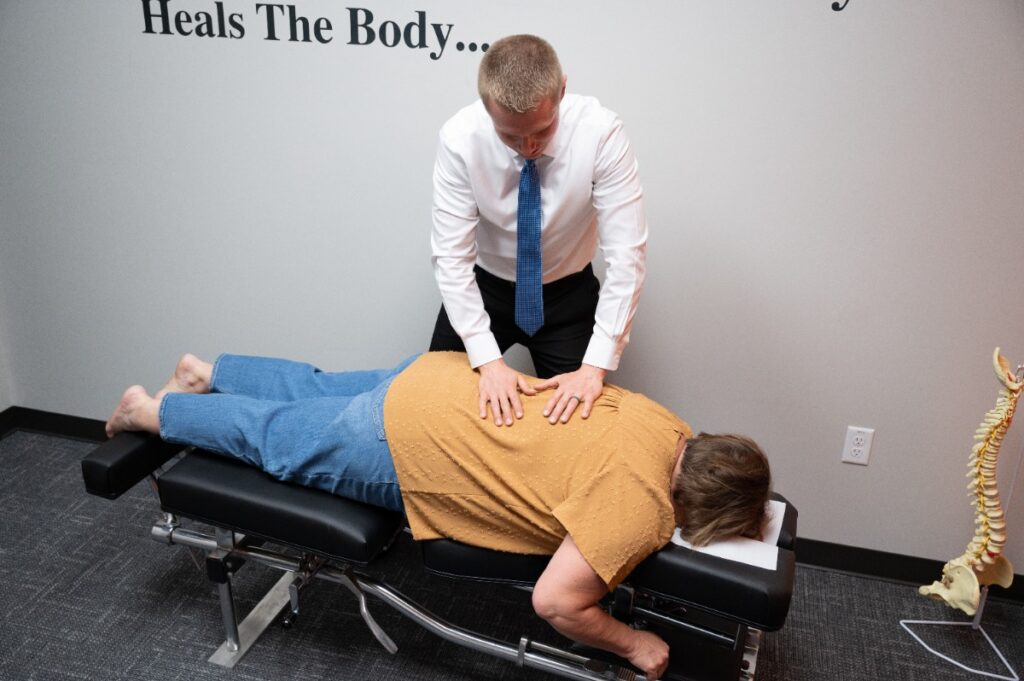
Chronic back pain is not just a modern-day concern; it has deep historical roots that can provide valuable insights into our current understanding of spinal health. As a local chiropractor, I want to share how ancient cultures recognized the connection between lifestyle, labor, and back health long before the advent of modern medicine. Notable figures like Hippocrates and Galen laid the groundwork for early treatment methods, emphasizing the importance of proper alignment and body mechanics.
As we look back at these historical perspectives, we can see how changes in society and work habits have influenced our understanding of back pain over the years. This knowledge can teach us important lessons about managing discomfort today. By embracing a holistic approach to health that includes chiropractic care, we can address the underlying causes of back pain, rather than just masking the symptoms. Together, we can work towards a healthier spine and a better quality of life.
Ancient Understanding of Back Pain
As a local chiropractor, I want to share with you some fascinating insights into the history of back pain and how our ancestors understood it. Over the centuries, people have observed a clear connection between their daily activities and the discomfort they experience in their backs.
For example, many of you may have noticed that manual labor, heavy lifting, or even sitting for long periods can lead to back pain. Ancient cultures were quite perceptive; they recognized that certain movements or postures could worsen their pain.
Farmers and laborers, for instance, adapted their techniques to reduce strain on their backs, while those with more sedentary lifestyles often turned to relaxation and stretching for relief.
It’s interesting to note that ancient texts document these early observations, showing how people sought to comprehend and manage their pain. They experimented with various remedies, including herbal treatments and specific body postures, all aimed at alleviating their discomfort.
As you delve into these early understandings of back pain, you’ll see how the quest for knowledge laid the groundwork for the medical insights we’ve today.
This historical perspective is essential as we explore natural healing methods, including chiropractic care, which focuses on aligning the spine and promoting overall wellness.
The Influence of Hippocrates and Galen
Hippocrates and Galen were pioneers in the field of medicine, and their insights into anatomy and the human body have greatly influenced our understanding of back pain. They introduced concepts that have shaped the way we think about health and pain management even today.
As a chiropractor, I want to help you appreciate the historical roots of our approach to treating chronic back pain.
By learning about how these ancient physicians viewed the body and health, you can better understand the principles behind chiropractic care and natural healing. Our focus is on aligning the spine and promoting overall wellness, just as they emphasized the importance of balance in the body.
Exploring their contributions can give you valuable context for your own health journey and the effective, natural methods we use to alleviate back pain.
Hippocrates’ Anatomical Theories
As a local chiropractor, I often emphasize the importance of understanding our body’s anatomy, a foundation laid by ancient thinkers like Hippocrates, who’s known as the father of medicine. His anatomical theories continue to shape how we view health and healing today.
Hippocrates stressed the significance of careful observation and clinical examination, encouraging us to look closely at how our body’s structure and function are interconnected.
One of his key insights revolved around the spine and its vital role in overall health. He recognized how the spine affects our movement and can be a source of pain. This is particularly relevant when we consider chronic back pain, which many of my patients experience.
By examining the relationships between various body systems, we can better understand how issues in the spine can lead to discomfort elsewhere.
In chiropractic care, we utilize these principles to help restore balance and function in the body. By focusing on the spine and its connection to the nervous system, we can promote natural healing and improve your overall health.
If you’re struggling with back pain or simply want to enhance your well-being, understanding these foundational concepts can empower you to make informed decisions about your health.
Galen’s Humoral Concepts
As a chiropractor, I want to share some insights that can help you understand the connection between your body and overall health, drawing on concepts that go back to ancient thinkers like Hippocrates and Galen.
Galen, in particular, expanded on the idea that our health is influenced by the balance of four key bodily fluids: blood, phlegm, yellow bile, and black bile. When these fluids are out of balance, it can lead to various health issues, including chronic back pain that many of my patients experience.
What’s fascinating is that Galen suggested that not only physical conditions but also emotional states are linked to these imbalances. For example, if there’s too much black bile, it could lead to feelings of sadness or anxiety, which might exacerbate physical discomfort.
This understanding highlights the importance of considering both your mental and physical well-being in the healing process.
Here in my practice, I emphasize the interconnectedness of your body and mind. By addressing structural misalignments through chiropractic adjustments, we can help restore balance and potentially alleviate not just pain but also improve your overall emotional health.
This holistic approach can be a powerful tool for managing chronic pain and enhancing your quality of life. I encourage you to explore how natural healing through chiropractic care can support you on your journey to better health.
Early Treatment Practices
As a local chiropractor, I want to share how early treatment practices have shaped the way we approach chronic back pain today.
Think about the insights of ancient thinkers like Hippocrates and Galen. Their work isn’t just historical; it laid the foundation for many of the natural healing techniques we use in chiropractic care.
- Hippocrates, often called the father of medicine, introduced the concept of spinal manipulation, which is a central component of chiropractic treatment.
- Galen emphasized the importance of maintaining a balance of bodily humors, a principle that reminds us of the need for holistic care in our approach to health.
- Both of these ancient thinkers believed in the power of exercise and nutrition, which we still incorporate into our treatment plans to promote overall wellness.
- They also used herbal remedies to relieve pain, highlighting the value of natural solutions that we continue to explore today.
By understanding the influence of these early practitioners, you can appreciate how far we’ve come in treating chronic back pain while still valuing these time-tested techniques.
Chiropractic care focuses on your body’s natural ability to heal, and we’re here to help you tap into that potential.
Medieval Perspectives on Health and Pain
In the past, particularly during medieval times, health and pain were often understood through the humoral theory, which connected bodily fluids to various physical conditions.
While we’ve come a long way in our understanding of the body and health, many of the principles of natural healing still resonate today. Treatments back then included a variety of herbal remedies and practices like bloodletting, which reflected a deep, albeit different, understanding of the body’s needs.
As a chiropractor, I want to emphasize the importance of a holistic approach to health. Just like in those times, we recognize that the body is interconnected, and that imbalances can lead to chronic pain.
Instead of invasive methods, we focus on gentle, natural techniques to help restore balance and promote healing. By exploring these historical perspectives, we can appreciate the evolution of health care and how natural healing practices, including chiropractic care, can effectively address chronic pain in a safe and supportive environment.
Humoral Theory of Pain
As a chiropractor dedicated to natural healing, I want to take a moment to share an interesting historical perspective on pain that may help you understand the holistic approach we advocate in our practice. During medieval times, the humoral theory of pain was a popular explanation for why people experienced pain, including issues like chronic back pain.
Here are some important points about this historical viewpoint that might resonate with our approach today:
- Four Humors: Ancient thinkers believed that the body’s health and pain levels were governed by a balance of four humors: blood, phlegm, yellow bile, and black bile. This concept highlights how interconnected our body systems are.
- Bloodletting: While we certainly don’t practice this today, bloodletting was once a common method aimed at restoring balance within the body. It’s a reminder of the lengths people went to in pursuit of wellness.
- Diet and Lifestyle: Maintaining a balanced diet and a healthy lifestyle were seen as crucial to keeping these humors in check. In chiropractic care, we also emphasize the importance of nutrition and movement in supporting your overall health.
- Emotional State: The emotional aspect of health was recognized as influencing physical pain. At our clinic, we understand that stress and emotional well-being are integral to your healing journey.
- Holistic Approach: The humoral theory viewed the body as an interconnected system. This mirrors our philosophy at the clinic, where we treat the whole person and not just the symptoms.
By understanding these historical beliefs, we can appreciate the evolution of pain management and the continued importance of a holistic approach in achieving wellness today.
Your journey towards health can be supported by chiropractic care, which aims to restore balance and harmony in your body naturally.
Treatments and Remedies Used
As a local chiropractor, I want to share some insights into the treatments and remedies that have influenced our understanding of pain management, drawing from historical practices. In medieval times, many believed that physical ailments were caused by imbalances within the body, a concept that still resonates with us today.
For instance, herbal remedies played a crucial role back then, much like how we now recognize the benefits of natural substances. One notable example is willow bark, which was used for its pain-relieving properties—similar to how we might recommend certain natural supplements today.
Bloodletting was another common practice, as practitioners believed it could help restore balance within the body. While we’ve moved away from this method, it highlights the importance of understanding the body’s systems and how they interact.
Additionally, poultices made from various herbs were often applied directly to soothe pain, a technique that aligns with some of the manual therapies we use in chiropractic care. You may also find it interesting that spiritual practices, such as prayer or charms, were employed alongside these treatments.
In our practice, we focus on restoring balance through spinal adjustments and holistic approaches that align with the historical understanding of health. Just as medieval physicians relied on the humoral theory—believing that the right balance of bodily fluids could alleviate pain—we too emphasize the importance of holistic balance in our bodies for optimal health.
The Renaissance and Advancements in Anatomy
The Renaissance was a groundbreaking time for understanding the human body, and it set the stage for the natural healing practices we value today, including chiropractic care. During this remarkable era, scholars and artists were deeply engaged in studying anatomy, challenging old misconceptions and paving the way for advancements that still influence modern healthcare.
- Anatomical Insights: Visionaries like Leonardo da Vinci created intricate drawings of the human body, helping us appreciate its structure and function, which is essential for understanding how chiropractic adjustments can improve health.
- Dissection Practices: Medical professionals began to conduct dissections, gaining firsthand knowledge of anatomy. This hands-on approach is similar to how chiropractors understand the musculoskeletal system to alleviate pain and promote wellness.
- Andreas Vesalius’s Contributions: His landmark work, “De Humani Corporis Fabrica,” corrected many long-standing myths about the body, laying a foundation that supports our holistic view of health.
- Focus on Observation: The Renaissance brought about a shift toward empirical observation, emphasizing the importance of evidence in healthcare. This principle aligns closely with chiropractic care, where we assess and treat based on individual patient needs.
- Collaboration Between Disciplines: The partnership between artists and scientists during this time reflects how chiropractic care often integrates knowledge from various fields, combining art and science to enhance our understanding of the body and its healing potential.
These historical advancements in anatomy not only expanded our knowledge but also set the groundwork for contemporary practices that help address common issues like chronic back pain.
As a chiropractor, I aim to educate you about these connections and the natural healing processes that chiropractic care can facilitate in your journey towards better health.
Industrial Revolution: The Rise of Occupational Back Pain
As a local chiropractor, I want to share some insights into how our history has shaped the current landscape of occupational health, particularly concerning back pain. The advancements made during the Renaissance in understanding human anatomy were groundbreaking, but it was the Industrial Revolution that introduced many new challenges for workers like you.
With the rise of factories, many individuals found themselves enduring long hours and engaging in repetitive tasks that often lead to chronic back pain. You may not be aware, but activities such as lifting heavy machinery or sitting for extended periods without proper support can place significant strain on your back.
The transition from agrarian lifestyles to industrial labor changed the way you move and work on a daily basis, often leading to discomfort that’s unfortunately overlooked. Poor workplace ergonomics and the absence of safety regulations have only worsened these issues.
Many workers tend to dismiss their pain, thinking it’s simply a part of their job. However, the mechanization of labor means that our bodies are frequently forced to adapt to new and unnatural movements, which can contribute to long-term damage.
By understanding these historical factors, we can better appreciate the ongoing struggles many face with back pain today. This knowledge underscores the importance of prioritizing workplace safety and practicing proper body mechanics.
As your chiropractor, I’m here to help you navigate these challenges and promote natural healing through tailored care and education. Let’s work together to keep your spine healthy and pain-free!
20th Century Discoveries and the Biopsychosocial Model
As a local chiropractor, I want to share with you some important insights about chronic back pain and how we can approach it through a more holistic perspective.
Over the years, medical science has evolved, especially since the 19th century, and we’ve learned that understanding pain goes beyond just the physical symptoms. It’s essential to consider the various factors that contribute to your experience of pain.
Here are some key components of what we call the biopsychosocial model:
- Biological Factors: This involves recognizing any structural issues in your spine or musculoskeletal system that might be causing discomfort.
- Psychological Factors: It’s crucial to understand how your emotions and mental health can influence how you perceive and experience pain.
- Social Factors: Your environment and the support you receive from those around you play a significant role in your healing journey.
- Cultural Influences: Different cultural attitudes can affect how you respond to pain and seek treatment.
- Patient-Centered Care: Most importantly, we focus on your individual experiences and needs when creating a treatment plan.
By embracing these insights, we can work together to manage chronic back pain more effectively.
Chiropractic care aims to treat the whole person, recognizing the interconnectedness of your mind, body, and social context.
I’m here to guide you on your path to natural healing and improved well-being.
Modern Research and the Future of Back Pain Treatment
As your local chiropractor, I want to share some exciting developments in the field of chronic back pain treatment that could greatly benefit you.
We’re seeing a shift toward innovative approaches that focus on personalized care, tailoring treatments to meet your unique needs. For instance, genetic testing may soon help us understand which therapies may work best for you, ensuring a more effective treatment plan.
In addition to traditional chiropractic methods, we’re now incorporating cutting-edge technologies like virtual reality and biofeedback. These tools provide new ways to manage pain and enhance your overall experience.
Techniques such as mindfulness and cognitive behavioral therapy are also gaining popularity, as they effectively address the psychological aspects of pain, which can be just as important as the physical symptoms.
Furthermore, regenerative medicine, including therapies like stem cell treatment, shows great promise for repairing damaged tissues and providing long-term relief from pain.
With these advancements, the future of back pain treatment is looking more hopeful than ever. We’re moving away from one-size-fits-all approaches and embracing more holistic, evidence-based strategies that empower you on your journey to recovery.
As your chiropractor, I’m here to guide you through these options and help you find the best path to pain relief that aligns with your lifestyle and health goals.
Together, we can explore these exciting developments and create a plan that works for you!
Conclusion
As a local chiropractor, I want to share some valuable insights into chronic back pain and how our understanding of its causes has evolved over time. Historically, people have held various beliefs about back pain, from ancient misconceptions to more modern views that integrate physical, emotional, and lifestyle factors. Today, we recognize that chronic back pain is not just about the spine or muscles; it’s influenced by a combination of your anatomy, daily habits, and even emotional health.
At our practice, we embrace a biopsychosocial approach to treatment, which means we look at all these aspects to provide comprehensive care. This allows us to better address not only the physical symptoms but also the underlying issues that may contribute to your pain. As research continues to advance, we are excited about the innovative techniques that are emerging to help you find relief and improve your overall well-being.
If you’re new to chiropractic care, know that we focus on natural healing methods to support your body’s innate ability to heal itself. By understanding the history and the current approaches to chronic back pain, you can feel more empowered in your journey toward a healthier, pain-free life.