
As a local chiropractor, I want to address a common issue many athletes face: back pain. You’re certainly not alone in this struggle; the physical demands of sports can often lead to discomfort in the back. However, there are natural ways to treat this pain that can not only enhance your performance but also contribute to your overall well-being.
One of the most important steps in managing back pain is understanding the role of proper warm-ups and specific stretches tailored to your sport. These practices can help prepare your body for physical activity and reduce the risk of injury.
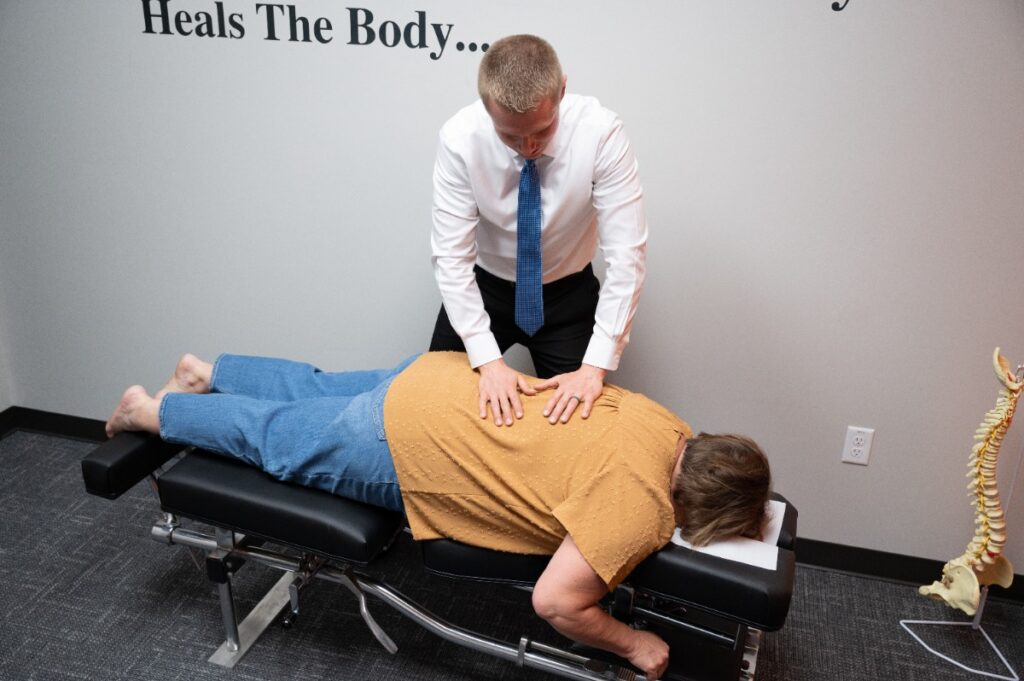
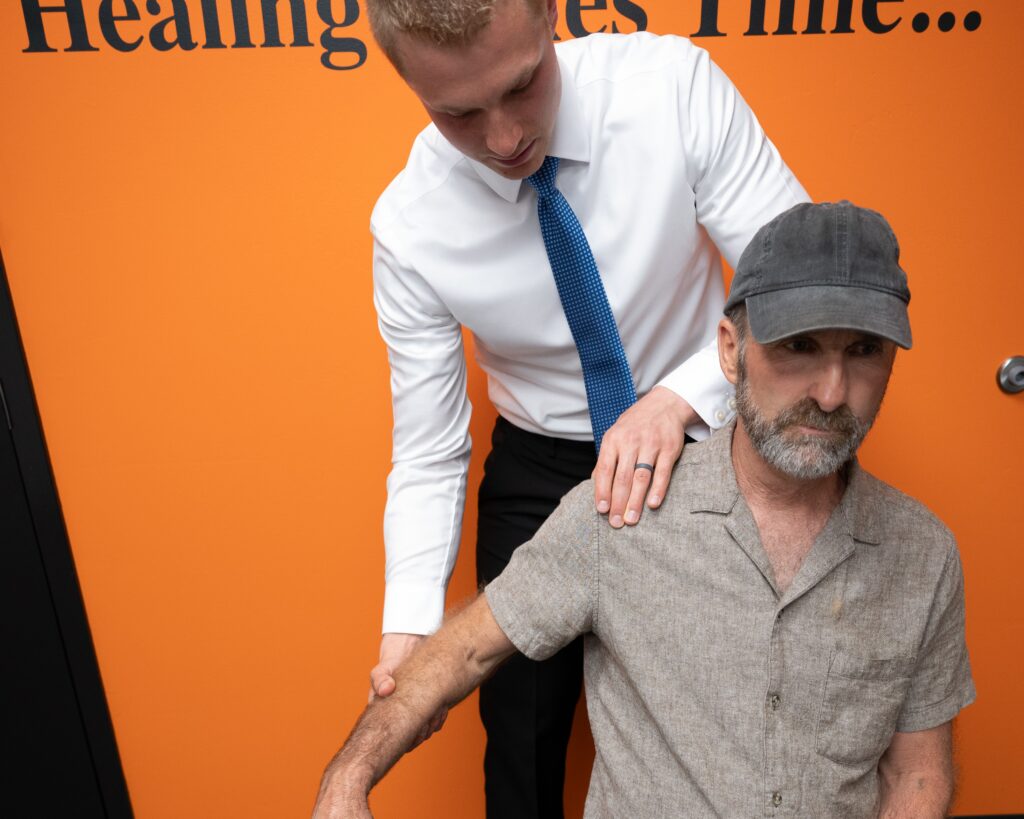
In my practice, I emphasize the importance of maintaining proper alignment and mobility in the spine. This can be achieved through chiropractic adjustments, which can relieve tension, improve range of motion, and support your body’s natural healing processes.
Additionally, incorporating exercises that strengthen your core and back muscles can provide additional support and stability, minimizing discomfort during your athletic pursuits.
It’s essential to listen to your body and recognize when to seek help. If you’re experiencing persistent pain, I encourage you to explore natural treatment options, such as chiropractic care, to support your recovery and back health. Let’s work together to create a personalized plan that addresses your specific needs and helps you get back to doing what you love.
Understanding Sports-Related Back Pain
As a local chiropractor, I often see athletes dealing with sports-related back pain, a common issue that can arise from intense physical activity or improper techniques. You may find yourself feeling discomfort after a tough game or a challenging workout, which can hinder both your performance and daily life.
It’s crucial to understand this pain for effective recovery and prevention. Sports-related back pain often presents as muscle strain, stiffness, or sharp pain. It can be triggered by repetitive movements or sudden injuries. It’s important to pay attention to how your body feels during and after your activities. Ignoring early signs of pain can lead to more significant issues in the future.
Factors such as poor posture, inadequate warm-ups, and muscle imbalances can contribute to your discomfort. By recognizing these elements, you can take proactive steps toward your recovery.
As a chiropractor, I emphasize the importance of adjusting your routines and focusing on proper techniques to minimize the risk of further injury. Chiropractic care offers a natural approach to healing.
We can work together to develop personalized strategies that support your body’s alignment and overall function. By addressing the root cause of your pain, we can help you maintain your athletic performance and enjoy a pain-free active lifestyle.
Common Causes of Back Pain in Athletes
As a local chiropractor, I often see athletes who are dedicated to their performance but sometimes overlook the common causes of back pain that can arise from their training routines.
One significant factor is improper lifting techniques, especially during weight training. Using the wrong form can easily lead to strains in your back.
In addition to lifting, repetitive motions from activities such as swimming or running can create muscle imbalances or lead to overuse injuries. These patterns can be subtle but can significantly impact your overall spinal health.
Another aspect to consider is posture. Poor posture during workouts or even everyday activities can add unnecessary stress to your spine. If you find yourself slouching or not engaging your core muscles, it can contribute to discomfort and pain.
Flexibility and core strength are also crucial. Without adequate flexibility and strength in your core, you may be more vulnerable to injuries. It’s important to incorporate exercises that address these areas into your training routine.
Lastly, don’t underestimate the importance of recovery time. Neglecting to allow your body to rest can exacerbate existing issues and lead to chronic pain over time.
Importance of Proper Warm-Up and Cool-Down
As a local chiropractor, I want to emphasize the critical role of proper warm-up and cool-down routines in your physical activities.
Before you step onto the field, it’s vital to engage in a thorough warm-up. This prepares your muscles for the demands of exercise and significantly reduces the risk of injury.
Equally important is the cool-down process; it helps your body transition back to a resting state, promoting recovery and enhancing flexibility.
By incorporating these practices into your routine, you can substantially decrease your chances of experiencing back pain and other injuries during sports activities.
Your body deserves this care, and by making these steps a priority, you can enjoy a healthier and more active lifestyle.
Benefits of Warm-Up
As a local chiropractor, I want to emphasize the importance of a proper warm-up, not just for boosting your performance but also for safeguarding your body against injuries, particularly back pain.
When you engage in a warm-up routine, you enhance blood circulation to your muscles, which increases their flexibility and prepares them for physical activity. This is crucial in minimizing the risk of strains and sprains, especially in the back area.
Incorporating dynamic stretching and light aerobic exercises into your warm-up can effectively prepare your body for the physical demands of your chosen sport or activity.
These movements not only improve your coordination and reaction times but also help you mentally focus, establishing a positive mindset for an effective workout or game.
Taking just a few minutes to warm up is an investment in your overall health and well-being. It ensures that you can continue to enjoy the activities you love without suffering from unnecessary discomfort.
As your chiropractor, I encourage you to prioritize your warm-up routine as a natural way to support your body’s longevity and resilience.
Importance of Cool-Down
As a local chiropractor, I want to emphasize the importance of cool-downs following any vigorous workout or athletic activity. Just as a proper warm-up prepares your body for exercise, a cool-down is crucial for recovery.
Taking a few minutes to cool down can significantly reduce the risk of injuries and alleviate muscle soreness, which is essential for maintaining overall spinal health and well-being.
Here’s how you can effectively cool down:
- Stretching: Focus on gently stretching the major muscle groups, particularly those that were engaged during your activity. This not only enhances flexibility but also promotes better blood circulation, which is vital for recovery and maintaining a healthy spine.
- Gradual Heart Rate Reduction: It’s important to gradually lower your activity level after a workout. This helps your heart rate return to its normal pace and minimizes feelings of dizziness, which can occur if you stop suddenly.
- Hydration: Don’t forget to replenish lost fluids! Staying hydrated is key to recovery, as it aids in flushing out toxins from your body and supports overall joint and muscle function.
By incorporating these practices into your routine, you can enhance your recovery process and help prevent issues like back pain, which is something we often see in our clinic.
Effective Stretches for Back Pain Relief
As a local chiropractor, I understand that back pain can be incredibly challenging and may leave you feeling restricted in your daily activities.
Fortunately, incorporating specific stretches into your routine can greatly help alleviate discomfort and promote healing naturally.
Let’s begin with the cat-cow stretch. This is a gentle movement you can do on all fours. Start by arching your back and dropping your belly while looking up, then transition to rounding your back and tucking your chin. This movement helps to mobilize your spine and relieve tension.
Next, I recommend the seated forward bend. Sit with your legs extended in front of you and gently reach for your toes. You should feel a nice stretch along your spine and hamstrings, which can help improve flexibility and alleviate tightness.
Another excellent stretch is the child’s pose. Kneel down, sit back on your heels, and stretch your arms forward on the ground. This pose not only relaxes your back but also calms your mind.
Lastly, consider incorporating the spinal twist into your routine. Lie on your back, bend one knee, and allow it to fall to the opposite side while keeping your shoulders flat on the ground. This stretch can help release tension in your lower back and improve mobility.
I recommend holding each stretch for 15-30 seconds while focusing on deep, calming breaths.
By regularly integrating these stretches into your daily life, you can enhance your flexibility, reduce pain, and maintain an active lifestyle, allowing you to enjoy your favorite sports and activities.
Strengthening Exercises to Support Your Back
As a local chiropractor, I want to emphasize the importance of maintaining a healthy back through core strengthening exercises.
Many patients aren’t aware that a strong core is essential not just for stability, but also for enhancing flexibility and mobility.
By integrating these exercises into your routine, you can effectively support your back and minimize the chances of experiencing pain, especially during physical activities or sports.
Core Strengthening Workouts
As a local chiropractor, I want to emphasize the importance of a strong core for maintaining a healthy back. Many people may not realize how much core strength contributes to spinal stability and overall wellness.
By incorporating core strengthening workouts into your routine, you can make a significant difference in your back health. Here are three effective exercises that I recommend to my patients:
- Planks: This exercise is fantastic for engaging your entire core. Simply hold a plank position for 30 seconds to a minute, ensuring your body remains straight from head to heels. This not only strengthens your core but also helps to stabilize your back, reducing the risk of injury.
- Russian Twists: For this exercise, sit on the floor with your knees bent and lean back slightly. Twist your torso from side to side while holding a weight or medicine ball. This movement specifically targets your obliques, which are essential for supporting your spine during daily activities.
- Bird-Dog: To perform this exercise, get on all fours and extend one arm and the opposite leg while keeping your back straight. Hold this position for a few seconds, then switch sides. The Bird-Dog exercise is excellent for improving balance and strengthening your lower back, which is crucial for maintaining proper posture and avoiding pain.
By regularly incorporating these exercises into your routine, you can develop a stronger, more resilient back.
Flexibility and Mobility Exercises
As a local chiropractor, I want to emphasize the importance of flexibility and mobility exercises for maintaining a healthy back. Many people may not realize that these exercises are key components in supporting your overall spinal health. When incorporated into your routine, they can significantly improve your range of motion, alleviate stiffness, and help prevent injuries.
I recommend starting with stretches such as the cat-cow, child’s pose, and hamstring stretches to enhance your flexibility. These movements not only relax your muscles but also promote better blood flow to the spine.
Additionally, incorporating hip openers and gentle twists can greatly improve spinal mobility, which is essential for maintaining a healthy back. For optimal benefits, aim to perform these exercises several times a week.
Focus on controlled movements and your breath, and always listen to your body—if something doesn’t feel right, it’s important to modify or stop. Over time, you may notice improvements in your posture and a reduction in discomfort, empowering you to engage in your favorite sports and activities without the burden of back pain.
The Role of Posture in Back Health
As your local chiropractor, I want to emphasize the vital importance of good posture in maintaining the health of your back. Many people may not realize that how you hold your body can significantly impact your spinal well-being. When you adopt good posture, you’re actively working to protect your back. Let me explain how this works:
- Alignment: By keeping your head aligned over your shoulders and your shoulders aligned over your hips, you help maintain the natural curves of your spine. This alignment minimizes stress on your vertebrae and reduces the risk of discomfort or injury.
- Muscle Balance: Practicing good posture engages your core muscles, which play a crucial role in supporting your spine. Strong core muscles help prevent injuries, whether you’re engaging in sports or simply going about your daily activities.
- Breathing: Proper posture also enhances your breathing. When you sit or stand correctly, your chest opens up, allowing for deeper and more efficient breaths. This can boost your overall performance and aid in recovery, making a world of difference in how you feel throughout the day.
By paying attention to your posture, you’re not just improving your appearance; you’re taking important steps toward better back health and overall wellness.
If you have questions about posture or how to implement these practices in your life, I’m here to help!
Lifestyle Modifications for Pain Prevention
As a local chiropractor, I want to share some important insights on how small lifestyle changes can play a crucial role in preventing back pain. Many people aren’t aware of how simple adjustments can make a significant impact on their overall spinal health.
First and foremost, I encourage you to incorporate regular stretching into your daily routine. Stretching maintains flexibility and helps to alleviate tension in your muscles, which is vital for a healthy back.
Additionally, be mindful of your daily habits, especially if you find yourself sitting for extended periods. Investing in an ergonomic chair can make a world of difference, and remember to take regular breaks to stand, stretch, or walk around.
Maintaining a healthy weight is another essential factor. Extra weight can place undue strain on your back, so focus on eating a balanced diet and engaging in regular physical activity.
Your spine deserves the support of a good mattress as well—ensure that your mattress keeps your spine aligned while you sleep.
When it comes to lifting objects, it’s crucial to practice proper techniques. Always bend your knees and rely on your legs to lift, avoiding any strain on your back.
Lastly, don’t overlook the importance of staying hydrated. Adequate hydration supports muscle function and can prevent cramps, which can lead to discomfort.
By making these proactive adjustments to your lifestyle, you’re not only taking steps to prevent back pain but also promoting a healthier, more active life.
If you have any questions about these tips or how chiropractic care can further support your well-being, feel free to reach out!
The Benefits of Cross-Training
As a local chiropractor, I want to share with you how cross-training can significantly improve your athletic performance while also helping to prevent injuries.
By diversifying your workout routine with various activities, you not only enhance your overall fitness but also reduce the risk of overuse injuries that can impact your spine and overall health.
Here are three essential benefits of cross-training that I often discuss with my patients:
1. Muscle Balance: Participating in different sports and exercises helps to strengthen various muscle groups throughout your body.
This promotes better balance and stability, which is crucial for protecting your spine and reducing the chances of strain or injury.
2. Improved Flexibility: Incorporating activities such as yoga or swimming into your regimen can significantly enhance your flexibility.
Improved flexibility is vital for preventing injuries and alleviating back pain, as it allows for greater range of motion in your joints and muscles.
3. Mental Refresh: Changing up your exercise routine can keep your workouts exciting and enjoyable, which is important for maintaining motivation.
A fresh approach to your training can help you avoid burnout, leading to better consistency and commitment to your health and wellness journey.
When to Seek Professional Help
As a local chiropractor, I want to emphasize the importance of recognizing when to seek professional help for your back pain. It’s not just about staying active and maintaining a balanced exercise routine; it’s also about understanding your body’s signals. If your pain lingers for more than a few days despite trying home remedies, it’s crucial to consult a healthcare professional like myself.
Pay attention to concerning signs such as numbness, tingling, or weakness in your legs, as these could suggest nerve involvement. Additionally, if you find that your pain is so severe that it restricts your daily activities, please don’t hesitate to seek assistance.
If your back pain arises after a specific injury or trauma, a professional evaluation is key. It’s also important to take immediate action if you notice any changes in bowel or bladder control.
Remember, being proactive about your health can prevent more serious issues down the road. Ignoring your body’s signals can lead to prolonged discomfort.
Seeking help from a chiropractor can provide you with effective treatment options that promote natural healing, allowing you to return to your active lifestyle more quickly. Prioritize your well-being by reaching out to a professional when you need it—your body will thank you!
Conclusion
As a local chiropractor, I want to share with you an effective, holistic approach to managing sports-related back pain naturally. It’s essential to understand that your body functions best when all parts work together harmoniously. Incorporating proper warm-up and cool-down routines is vital, as these practices prepare your muscles and joints for activity and help them recover afterward.
Additionally, effective stretches and core strengthening exercises play a crucial role in enhancing your back health. A strong core supports your spine and can significantly reduce discomfort during physical activities. It’s also important to maintain good posture throughout your day, whether you’re working, exercising, or relaxing. Small lifestyle changes can make a big difference in supporting your body and preventing pain.
Being proactive about your health means listening to your body. If something doesn’t feel right, it’s essential to address it sooner rather than later. Remember, alleviating pain is just one part of the equation—by caring for your body, you can also improve your overall athletic performance. Should you need guidance or professional assistance, don’t hesitate to reach out. Together, we can work towards a healthier, pain-free lifestyle.