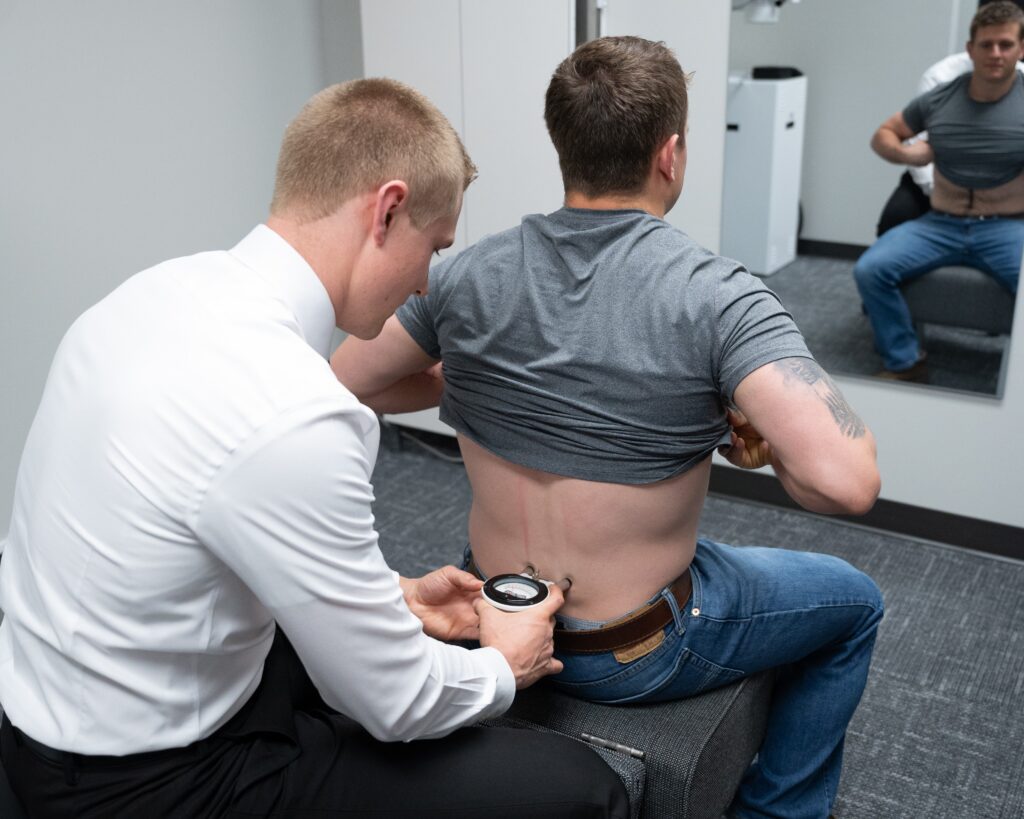
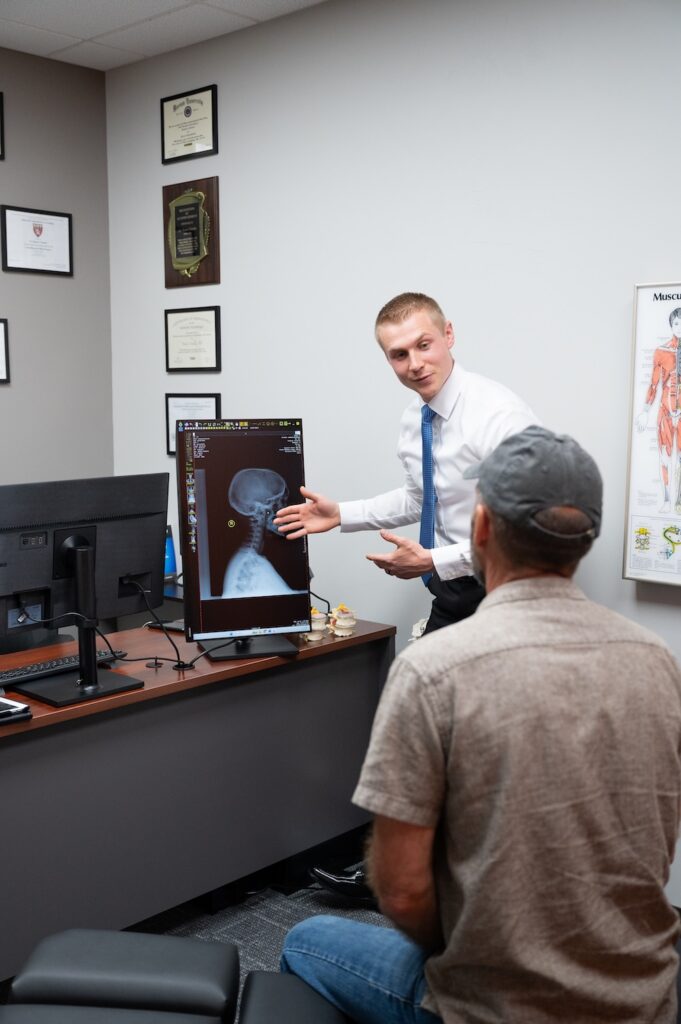
If you’re experiencing back pain from sports activities, know that you’re not alone in this struggle. As a local chiropractor, I see many athletes who encounter similar challenges. It’s crucial to understand that there are natural ways to manage this pain that can lead to significant improvements in your well-being and athletic performance.
One of the first steps in addressing sports-related back pain is to incorporate proper warm-up routines. This prepares your body for physical activity and can help prevent injuries. Additionally, there are targeted exercises designed to strengthen the muscles supporting your spine and improve your flexibility.
You might be wondering how to determine which natural methods will work best for you. It’s important to remember that each individual is unique, and a personalized approach can make all the difference. In my practice, I focus on assessing your specific condition and guiding you through effective strategies tailored to your needs.
Let’s dive into some key elements that can help you find relief from back pain. By exploring these options together, we can enhance your performance and promote a healthier, pain-free lifestyle.
Understanding Sports-Related Back Pain
As a local chiropractor, I want to take a moment to address a common issue many athletes face: sports-related back pain. When you’re engaged in your favorite activities, it’s easy to forget the strain those movements can place on your back. You might feel invincible while pushing your limits, but I want to remind you that the repetitive motions and sudden movements can result in discomfort or pain.
It’s crucial to understand how your body functions during these activities. Your spine is the foundation of your entire body, and whenever you twist, lift, or run, it carries the weight of those actions. If your posture is poor or your technique is off, this can intensify the strain on your back. That’s why I emphasize the importance of being mindful of your form.
Additionally, many athletes develop muscle imbalances by concentrating on specific skills, which can lead to overuse injuries, particularly in the back. If you start noticing any unusual sensations or discomfort, it’s vital to listen to your body and not dismiss those signals.
Incorporating proper warm-up routines, strengthening your core, and integrating flexibility exercises into your training regimen can significantly lower your risk of experiencing back pain.
As a chiropractor, I believe in a holistic approach to health, and I encourage you to take proactive steps to keep your back healthy and support your active lifestyle. Remember, taking care of your spine is essential for keeping you in the game longer!
Common Causes of Back Pain in Athletes
As a local chiropractor, I want to help you understand that back pain in athletes can arise from several common factors.
Muscle strains and sprains, often due to intense physical activity, can lead to discomfort. Additionally, poor posture during workouts or daily activities can exacerbate these issues.
Repetitive stress from certain sports can also take a toll on your back. By recognizing these causes, you can take proactive measures to manage and prevent pain, and I’m here to guide you on your journey to natural healing and improved well-being.
Muscle Strains and Sprains
As a local chiropractor, I want to help you understand how muscle strains and sprains can impact your back health. These issues are quite common, especially among active individuals, and can affect nearly 40% of those who engage in physical activities at some point in their lives.
Often, these injuries occur during intense workouts or sports, where sudden movements or overexertion can cause muscles and ligaments to stretch or tear.
If you find yourself experiencing symptoms like sharp pain, stiffness, or swelling in your back, it’s crucial to listen to your body and address these signs early on. Ignoring discomfort can lead to more significant problems down the line.
I recommend using the RICE method—Rest, Ice, Compression, and Elevation—to help alleviate pain and promote healing.
In addition to these initial steps, gentle stretching and chiropractic adjustments can play a significant role in your recovery. Strengthening your core and back muscles is also essential for reducing the risk of future strains and sprains.
Poor Posture and Mechanics
As a local chiropractor, I want to shed light on how poor posture and mechanics can significantly impact your back health, especially if you’re active in sports or fitness. Many people may not realize that slouching or disregarding proper alignment during physical activities can increase stress on your spine and the muscles surrounding it.
This misalignment doesn’t just lead to discomfort; it can create muscle imbalances and fatigue that hinder your performance. For instance, using improper lifting techniques or poor biomechanics while running, jumping, or cycling can worsen these issues.
It’s crucial to pay attention to how your body is positioned during training and competitions. I encourage you to focus on maintaining a neutral spine and engaging your core muscles to support your back effectively.
Incorporating good posture into your daily routine—both on and off the field—can make a significant difference in alleviating discomfort and enhancing your athletic performance.
As a chiropractor, I’m here to help guide you through natural healing methods and provide strategies to improve your posture, ultimately leading to a healthier, more resilient body.
Overuse and Repetitive Stress
As a local chiropractor, I want to help you understand how overuse and repetitive stress can affect your body, particularly causing back pain that may hinder your athletic performance.
Many athletes unknowingly push their bodies too hard, often leading to discomfort and injuries. This type of pain usually develops from consistently engaging in high-intensity training without giving your body the necessary time to recover.
Here are four common contributors to back pain that I believe everyone should be aware of:
- Neglecting Warm-Ups: Skipping your warm-up can put unnecessary strain on your muscles and joints. A proper warm-up prepares your body for the demands of physical activity.
- Training Too Much, Too Quickly: If you increase your workout intensity or volume too rapidly, your body might struggle to keep up with recovery. It’s important to gradually build your training intensity.
- Using Poor Technique: Exercising with improper form not only reduces effectiveness but also places extra stress on your back. Ensuring proper technique is key to preventing injuries.
- Not Allowing Enough Rest: Your body needs time to heal and recover. Ignoring rest days can lead to chronic pain and setbacks in your training.
If you’re experiencing back pain, consider how these factors might be affecting you.
As a chiropractor, I can help guide you through natural healing methods to alleviate your pain and improve your overall performance.
Importance of Proper Warm-Up and Cool-Down
As a local chiropractor dedicated to your well-being, I want to emphasize the crucial role that proper warm-ups and cool-downs play in your sports routine, particularly in preventing back pain.
While it might feel like an extra step, a thorough warm-up is vital. It gets your blood circulating, elevates your heart rate, and prepares your muscles and joints for the demands of physical activity. Engaging in dynamic stretches during this time not only boosts your flexibility but also significantly lowers your risk of injury, especially in your back.
Equally important is the cool-down phase after your workout. This period allows your body to gradually transition back to its resting state. Cooling down helps your heart rate return to normal and can prevent muscle stiffness. By incorporating stretching during this phase, you facilitate muscle relaxation and effectively release any tension that may have accumulated during your exercise.
By consistently making warm-ups and cool-downs a priority, you’re not just protecting your back; you’re also enhancing your overall athletic performance.
Targeted Exercises for Back Pain Relief
As a local chiropractor, I often emphasize the importance of incorporating targeted exercises into your routine to aid in back pain relief. By focusing on strengthening the muscles that support your spine, you can enhance your overall stability and reduce discomfort.
Here are four effective exercises that I recommend for my patients:
- Pelvic Tilts: Begin by lying on your back with your knees bent. Gently tighten your abdominal muscles and press your lower back into the floor. Hold this position for a few seconds before relaxing. This exercise helps to engage your core and improve spinal alignment.
- Bird-Dog: Start on all fours, ensuring that your wrists are aligned under your shoulders and your knees under your hips. Extend one arm forward while simultaneously stretching the opposite leg back, keeping your hips level. Hold this position briefly, then switch sides. This exercise promotes balance and strengthens the muscles that stabilize your lower back.
- Bridges: Lying on your back with your knees bent, lift your hips toward the ceiling while squeezing your glutes at the top. Hold for a moment before lowering back down. Bridges are excellent for strengthening the gluteal muscles and the lower back, providing better support for your spine.
- Cat-Cow Stretch: On all fours, alternate between arching your back (cat position) and dropping your belly while lifting your head and tailbone (cow position). This dynamic stretch enhances flexibility in your spine and helps relieve tension.
Incorporating these exercises into your daily routine can significantly help you regain strength and stability in your back.
Stretching Techniques to Alleviate Discomfort
As a local chiropractor dedicated to helping you understand the benefits of chiropractic care, I want to emphasize the importance of incorporating key stretching exercises into your daily routine to effectively manage back pain.
Timing your stretches and including warm-up routines can significantly improve your performance and enhance your comfort levels.
Let’s delve into some effective techniques that can help alleviate your discomfort and promote natural healing.
Key Stretching Exercises
If you’re experiencing sports-related back pain, I want to share some key stretching exercises that can significantly enhance your recovery and overall well-being.
These simple yet effective stretches can improve your flexibility, alleviate tension, and support your healing process. Here are four stretches I recommend for your routine:
- Cat-Cow Stretch: This gentle movement involves alternating between arching and rounding your back. It’s excellent for improving spinal mobility and can help relieve discomfort.
- Child’s Pose: Start by kneeling and sitting back on your heels, then extend your arms forward. This pose not only promotes relaxation but also provides relief to your back by gently stretching it.
- Seated Forward Bend: Sit with your legs extended in front of you, and reach for your toes. This stretch is great for gently elongating your lower back and hamstrings, helping to ease any tightness.
- Torso Twist: While sitting, slowly twist your torso to each side. This movement enhances spinal flexibility and can help alleviate stiffness in your back.
Incorporating these stretches into your daily routine can provide significant relief and promote a healthier back.
Timing Your Stretches
As a local chiropractor, I want to emphasize the importance of timing your stretches to maximize their benefits and alleviate discomfort.
One of the best times to stretch is after your workouts, when your muscles are warm and more pliable. This practice not only helps prevent injuries but also promotes better flexibility, which is vital for overall health.
If you find yourself feeling tight during the day, I encourage you to take quick stretch breaks. Even just a few minutes of stretching can significantly relieve tension and improve your posture, which is crucial for maintaining a healthy spine and overall well-being.
When you’re gearing up for a game or practice, consider incorporating dynamic stretches. These types of stretches help engage your muscles without the risk of strain, preparing your body for physical activity.
Consistency is key here—make stretching a regular part of your routine, not just something you do when you’re in pain.
Lastly, always listen to your body. If you experience pain during a stretch, it’s important to ease back and adjust your technique.
By prioritizing the timing of your stretches, you can enhance your overall performance and support your body’s natural healing processes.
Incorporating Warm-Up Routines
As a local chiropractor, I want to emphasize the importance of incorporating a warm-up routine before engaging in any physical activity. Warming up is crucial for preparing your body and significantly reduces the risk of injury.
By increasing blood flow and loosening your muscles and joints, you can alleviate discomfort during sports and other activities. Here are four effective stretching techniques that I recommend including in your warm-up:
- Dynamic Leg Swings: This exercise involves swinging your legs forward and backward, which helps to loosen your hip joints and hamstrings. It’s an excellent way to get your lower body ready for action.
- Torso Twists: Gently rotating your upper body side to side warms up your spine and core. This movement is vital for maintaining flexibility and preventing strain during physical activities.
- Arm Circles: Extend your arms out to the sides and make small circles. This simple exercise prepares your shoulders for movement and can prevent stiffness.
- Hip Circles: Stand on one leg and rotate your raised knee in circular motions. This exercise enhances hip mobility, which is essential for a wide range of movements.
Incorporating these warm-up techniques into your routine can help you stay injury-free and promote better overall physical health.
Posture and Body Mechanics in Sports
As a local chiropractor, I want to share some important insights on how proper posture and body mechanics can significantly enhance your sports performance and prevent back pain.
It’s crucial to maintain good alignment of your spine and keep your shoulders back, as this helps distribute your weight evenly across your body. Whether you’re running, swimming, or participating in team sports, make it a habit to engage your core muscles. Strong core support stabilizes your spine and reduces the strain on your back, which is vital for both performance and injury prevention.
When moving—whether bending, squatting, or twisting—always prioritize using your legs instead of your back. This technique not only minimizes the risk of injury but also makes your movements more efficient.
Remember to tailor your stance to the specific demands of your sport; for example, a wider base can enhance your balance, while a narrower stance might improve your agility.
Additionally, if you’re involved in prolonged activity, don’t forget to take breaks to reset your posture. Simple adjustments can make a world of difference in how you feel and perform.
The Role of Nutrition and Hydration
As a local chiropractor, I want to help you understand how important nutrition and hydration are in enhancing your sports performance and managing back pain. The right nutrition not only energizes your body but also aids recovery and can significantly reduce inflammation.
Staying hydrated is equally crucial, as it ensures your muscles and joints function optimally.
Here are four essential areas to consider:
- Omega-3 Fatty Acids: Incorporate foods rich in omega-3s, such as fish or flaxseeds. These nutrients can help decrease inflammation and support the overall health of your joints, which is vital for maintaining mobility.
- Protein: Focus on consuming lean protein sources. These are important for muscle repair and recovery after physical activity. Adequate protein intake can help you bounce back quicker from workouts and support your chiropractic adjustments.
- Fruits and Vegetables: Make sure to include a variety of colorful fruits and vegetables in your diet. They’re packed with antioxidants that help combat oxidative stress, aiding in your body’s recovery process and overall wellness.
- Water Intake: Staying well-hydrated is crucial. Dehydration can lead to muscle cramps and stiffness, which may worsen back pain. Drinking enough water helps maintain the elasticity of your muscles and supports your overall spinal health.
Holistic Therapies for Pain Management
As a local chiropractor, I want to share with you the importance of nutrition and hydration in managing pain effectively. However, there’s so much more you can explore to enhance your recovery through holistic therapies.
I encourage you to consider incorporating practices such as yoga and tai chi into your routine. These gentle movements are fantastic for promoting flexibility and strength while also reducing muscle tension, which can significantly help alleviate back pain.
Another effective therapy to consider is acupuncture. This ancient practice targets specific points in your body to relieve pain and restore balance to your energy levels. Many of my patients have found great relief through this method.
Additionally, massage therapy is an excellent option; it helps ease tight muscles and improves circulation, which is vital for recovery.
Don’t overlook the power of aromatherapy. Using essential oils like lavender or peppermint in your home can create a calming atmosphere, reducing stress and enhancing your overall well-being.
Mindfulness and meditation techniques are also incredibly beneficial. They allow you to manage your perception of pain and improve your mental focus, which can make a significant difference in your recovery journey.
By integrating these holistic therapies into your pain management plan, you’ll experience a more comprehensive approach to recovery and overall health.
As your chiropractor, I’m here to guide you through these options and support you on your path to wellness.
When to Seek Professional Help
When should you consider seeking professional help for back pain? As a chiropractor, I encourage you to trust your instincts and listen to your body. If your discomfort persists or worsens, it’s important to reach out for expert advice.
Here are four signs that indicate it’s time to consult a healthcare professional, specifically in the realm of chiropractic care:
- Severe Pain: If your back pain is severe and doesn’t improve with rest or over-the-counter medications, it’s a clear signal that you should seek help. Chiropractic adjustments can often provide relief by addressing the root cause of the pain.
- Radiating Pain: Experiencing pain that radiates down your legs or into your arms isn’t something to ignore. This can indicate nerve involvement, and a chiropractor can assess your condition and offer treatments to restore proper function.
- Numbness or Weakness: If you notice any numbness, tingling, or weakness in your limbs, it’s crucial to get checked out. These symptoms may suggest nerve compression or other issues that can benefit from chiropractic care.
- Loss of Bladder or Bowel Control: Any changes in your bladder or bowel function should prompt immediate medical attention. This could be a sign of a serious condition that requires urgent care.
Listening to your body and recognizing these signs can help you prevent further injury and facilitate a faster recovery.
As your chiropractor, I’m here to guide you on the path to natural healing and wellness. Don’t hesitate to reach out if you have any concerns about your back pain!
Conclusion
As a local chiropractor, it’s important for me to share how you can manage sports-related back pain naturally and effectively. Achieving balance and consistency in your approach is key. Start by incorporating proper warm-ups before engaging in any physical activity—this prepares your muscles and reduces the risk of injury.
Targeted exercises are also crucial; they strengthen your back and core, providing the support you need during sports activities. Additionally, mindful nutrition plays a significant role in your overall well-being, as the right foods can promote healing and reduce inflammation.
Don’t underestimate the importance of posture, whether you’re playing a sport or simply going about your daily routine. Maintaining good posture can prevent unnecessary strain on your back. Holistic therapies, such as yoga and massage, can be incredibly beneficial; they help to relieve tension and improve flexibility, making a significant difference in how you feel.
Always listen to your body—it’s your best guide. If you experience persistent pain, I encourage you to seek professional help. Chiropractic care focuses on natural healing and can provide you with tailored treatments to alleviate discomfort and enhance your athletic performance. By taking these steps, you not only improve your performance but also support your long-term back health.