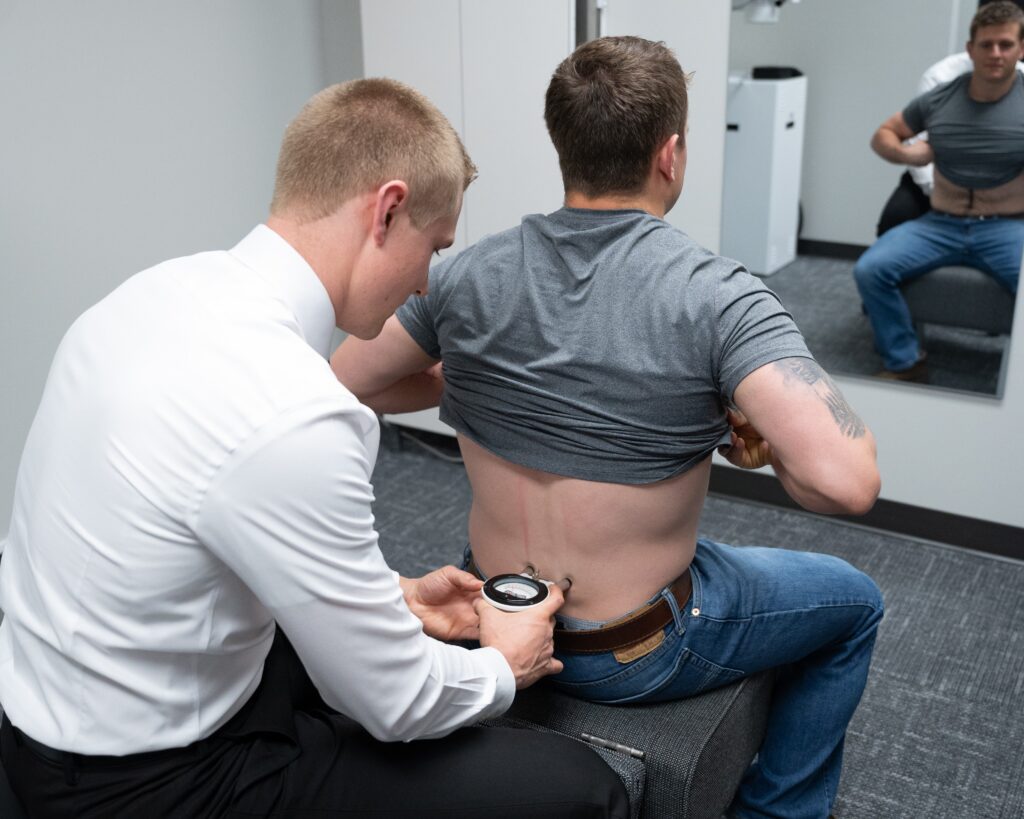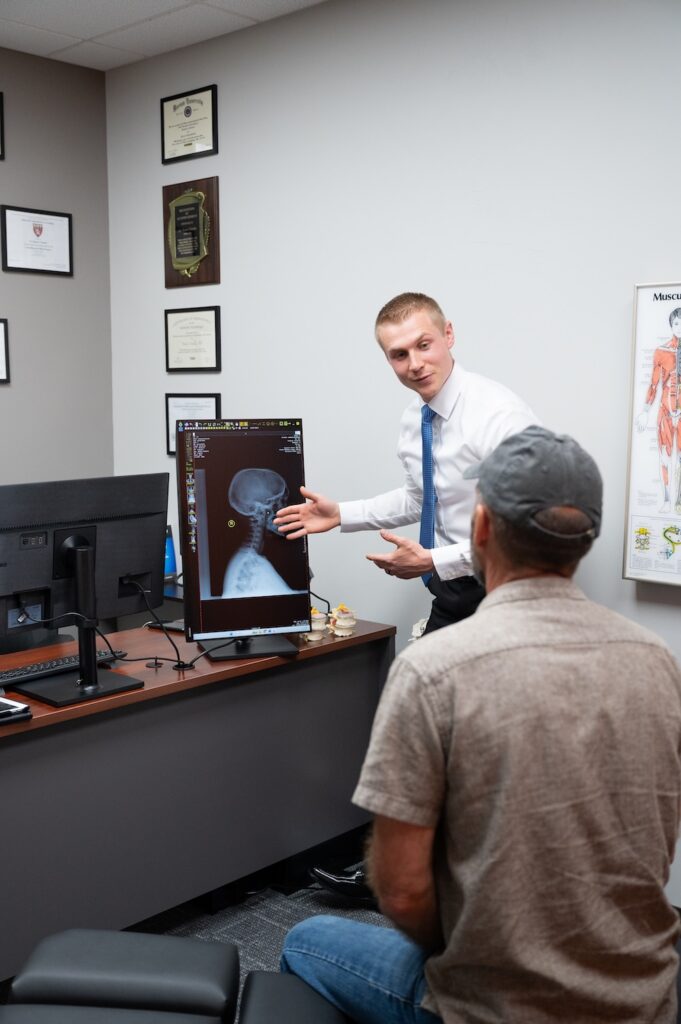

As a local chiropractor, I want to emphasize the importance of approaching recovery from a neck injury with care and attention. Gentle techniques are integral to enhancing your healing process, as they can help restore mobility and alleviate discomfort. Many patients find that incorporating simple movements along with mindfulness practices can lead to significant improvements in their recovery.
It's important to recognize that finding the right methods for your individual needs can be overwhelming. However, I believe that the key to a successful recovery may lie in a balanced routine that combines movement and relaxation. By exploring various gentle techniques, we can work together to create a personalized approach that fosters a more effective healing journey. Remember, your comfort and well-being are our top priorities, and I'm here to guide you through this process.
Understanding Neck Injuries
As a local chiropractor, I want to help you understand neck injuries and how they can affect your daily life. Neck injuries can vary significantly, from mild strains to more severe trauma, and recognizing the different types is crucial for effective recovery. Common issues that I encounter in my practice include muscle strains, ligament sprains, herniated discs, and whiplash, each with its own set of symptoms and severity.
Muscle strains often lead to sharp pain or stiffness in the neck, typically caused by overexertion or poor posture. If you've been lifting heavy objects or spending long hours hunched over a desk, this could be a possibility for you.
Ligament sprains, on the other hand, often stem from sudden movements or accidents, resulting in swelling and reduced mobility. These injuries require careful attention to restore your range of motion.
Herniated discs can be particularly troublesome, as they may lead to nerve pain that radiates down your arms or into your shoulders. This can significantly impact your daily activities.
Similarly, whiplash, commonly associated with car accidents, may cause headaches, dizziness, and persistent neck pain. It's important to recognize these symptoms early to address the issues effectively.
Identifying the specific nature of your neck injury is essential for developing a tailored recovery plan. I encourage you to pay close attention to how your symptoms affect your daily life. If you're experiencing persistent pain, numbness, or weakness, it's critical to consult with a healthcare professional, like myself, who can provide a thorough assessment and recommend appropriate imaging tests, such as X-rays or MRIs, if necessary.
Understanding your neck injury is the first step toward setting realistic expectations and goals for your recovery. By being informed about your condition, you can make empowered decisions regarding treatment options and lifestyle changes that will support your healing process.
Importance of Gentle Movement
As a chiropractor, I want to emphasize the importance of gentle movement in your recovery from a neck injury. Engaging in soft, controlled movements is crucial for maintaining flexibility, reducing stiffness, and enhancing blood circulation—factors that are all vital for healing. By moving gently, you encourage your muscles and joints to function without imposing excessive strain, which not only supports your recovery but also helps you regain confidence in your physical abilities.
I understand that the instinct might be to avoid movement altogether, believing it will lead to a quicker recovery. However, this can actually contribute to increased tension and stiffness, ultimately prolonging your healing process. Incorporating gentle movements, such as neck rolls or light stretches, can alleviate discomfort and enhance your mobility.
I recommend starting with small, controlled motions; this approach allows your body to adapt gradually while minimizing the risk of aggravating your injury.
It's also essential to listen to your body throughout this journey. If you experience any pain or discomfort, it's important to pause and reassess your movements. Overexerting yourself can lead to setbacks, which we definitely want to avoid. Instead, focus on consistency with your gentle movements.
I encourage you to set aside time each day to incorporate these exercises into your routine, gradually increasing the intensity as your neck heals.
Mindfulness and Relaxation Techniques
Incorporating mindfulness and relaxation techniques into your recovery routine can significantly enhance your healing process, especially if you're dealing with a neck injury. As a chiropractor, I often see how these techniques can help reduce stress, improve mental clarity, and promote physical relaxation, all of which are crucial for effective recovery.
When your body is in a more relaxed state, it can focus better on healing, which may lead to a reduction in pain.
One of the simplest but most effective techniques I recommend is deep breathing exercises. To start, find a comfortable position, close your eyes, and take slow, deep breaths. Inhale through your nose, allowing your abdomen to expand, and then exhale gently through your mouth.
Continue this for several minutes while concentrating solely on your breath. This exercise isn't only calming for your mind but also helps release tension in your neck and body.
Another valuable practice is mindfulness meditation. I encourage you to set aside a few minutes each day to sit quietly and observe your thoughts without judgment. While it's natural to acknowledge any discomfort or pain, try not to fixate on it.
Instead, redirect your focus to the sensations in your body and the present moment. This practice can foster a sense of acceptance and ease anxiety related to your recovery journey.
Additionally, gentle stretching is a wonderful complement to mindfulness. As you engage in stretching exercises, pay close attention to how your neck and body feel.
This heightened awareness can help you pinpoint areas of tension, promoting relaxation and further assisting your recovery.
As you explore these techniques, remember that they can work synergistically with chiropractic care to enhance your overall wellness and recovery.
Supportive Therapies for Recovery
As a local chiropractor, I want to share with you how various supportive therapies can significantly aid in your recovery from a neck injury. These therapies complement traditional medical treatments and are designed to alleviate pain, reduce tension, and facilitate the healing process.
One of the most effective options is chiropractic care. Many people aren't familiar with how chiropractic adjustments work, but they can be incredibly beneficial for neck injuries. By performing spinal adjustments, I can help restore proper alignment to your spine, which not only relieves pressure on nerves but also reduces pain. This is especially helpful if your neck injury involves misalignment or tension.
In addition to chiropractic adjustments, physical therapy is another great avenue for recovery. A skilled physical therapist will guide you through targeted exercises that strengthen the muscles surrounding your neck and improve your range of motion. This hands-on approach not only aids in your recovery but also teaches you proper body mechanics to prevent future injuries.
Massage therapy is another supportive treatment worth considering. Therapeutic massage can help relieve muscle tension and enhance blood flow, which are vital for healing. Whether you opt for deep tissue, trigger point, or gentle Swedish massage, the right technique can provide significant relief and improve your overall well-being.
Acupuncture is also a holistic option that I encourage my patients to explore. This ancient practice involves inserting thin needles into specific points on your body, promoting natural healing and pain relief. Many of my patients have found acupuncture to be effective in managing neck pain and enhancing their recovery journey.
Lastly, incorporating gentle stretching and yoga into your routine can be incredibly beneficial. These practices improve flexibility, strengthen muscles, and promote relaxation—all of which support your recovery process.
Building a Healing Routine
As a local chiropractor, I want to emphasize the importance of establishing a consistent healing routine to support your recovery from a neck injury.
It's crucial to address both your physical and mental well-being during this process. A structured plan can help you regain strength, flexibility, and confidence in your body.
Here are four essential components I recommend for your healing routine:
- Gentle Stretching: It's vital to incorporate gentle neck stretches into your daily routine. These stretches can enhance your mobility and alleviate stiffness. Remember to perform these movements slowly, and always listen to your body—never push through pain.
- Strengthening Exercises: As you start to feel better, we can integrate targeted strengthening exercises to support the muscles surrounding your neck. I can guide you through safe and effective routines tailored specifically to your needs, ensuring you regain strength without risking further injury.
- Mindfulness Practices: I encourage you to engage in mindfulness or relaxation techniques, such as deep breathing or meditation. These practices can significantly reduce stress and foster a positive mindset, which is essential during your recovery journey.
- Rest and Recovery: Never underestimate the healing power of rest. Your body needs time to recuperate, so it's important to allow for adequate downtime. Make sure to schedule regular breaks and prioritize quality sleep, as these factors greatly enhance your recovery process.
By incorporating these components into your healing routine, you can foster a more holistic approach to your recovery and experience the benefits of chiropractic care and natural healing.
Conclusion
As a local chiropractor, I want to emphasize the importance of incorporating gentle techniques into your recovery from a neck injury. Embracing soft movements, mindfulness practices, and supportive therapies can significantly enhance your healing process. It's not just about recovery; it's about restoring your overall well-being.
I encourage you to establish a structured routine that effectively balances activity and relaxation. This holistic approach is key—it's designed to empower you on your journey to recovery. With consistent practice, you can regain strength and flexibility while simultaneously reducing stress.
Stay committed to this process, and I assure you, you will witness meaningful progress as you heal. Remember, chiropractic care is here to support you every step of the way, guiding you towards optimal health and wellness.